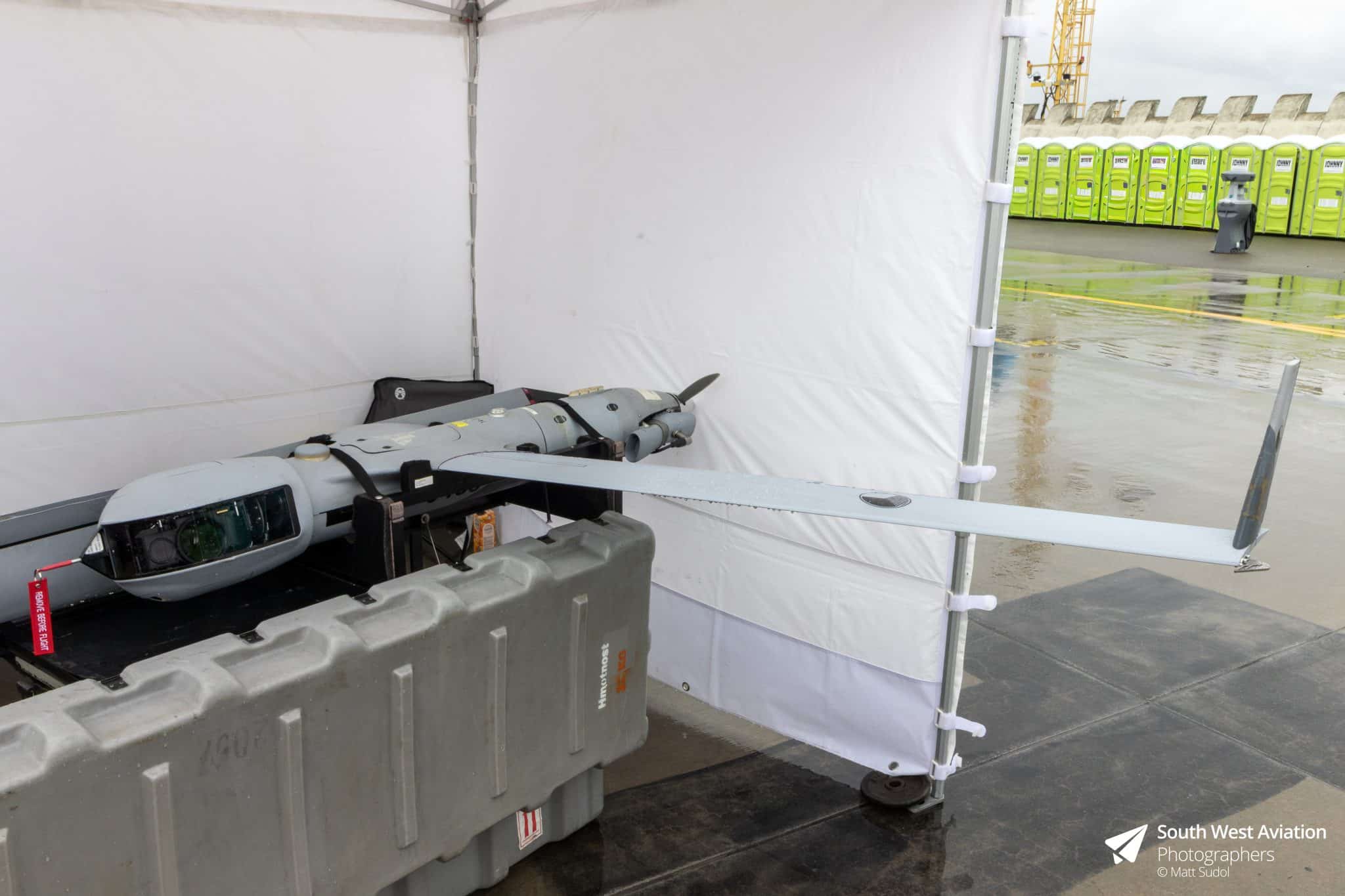
This year, Náměšť Air Base celebrates its 70th anniversary—a milestone that mirrors the evolution of Czech military aviation itself. Over seven decades, the base has transformed from a Cold War forward operating site into a modern hub for NATO helicopter operations. Established in 1956, it initially hosted piston‑engine trainers before rapidly transitioning to jet and rotary‑wing aircraft as Czechoslovakia expanded its Warsaw Pact capabilities. Through the 1970s and 1980s, Náměšť became synonymous with Mil-series helicopters, developing deep expertise in tactical transport, close air support, and battlefield mobility. After 1993, the base underwent a complete reorientation: new national structures, NATO integration, and a shift toward expeditionary, multinational cooperation. Today, as home to the 22nd Helicopter Air Base, Náměšť supports Mi‑171Sh operations, advanced aircrew training, international exercises, and joint missions that reflect the Czech Republic’s role in collective defense. Its 70th anniversary marks not just longevity, but continuous adaptation to new aircraft, alliances, and operational demands a base that has grown with every chapter of European security.
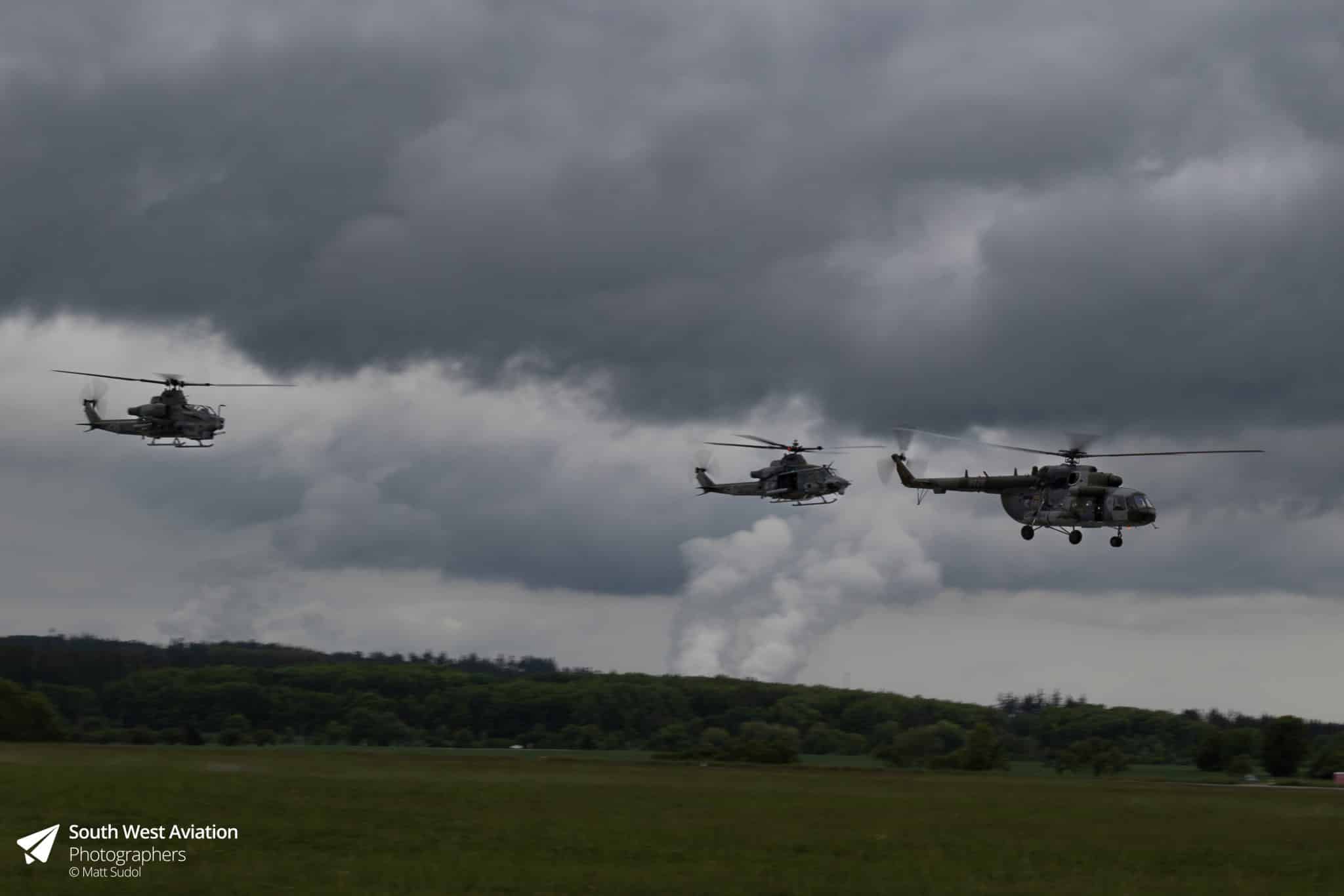
In 2015, the Czech government announced plans to retire its Soviet‑designed military equipment, including its frontline tactical helicopter fleet. Leonardo offered the AW139M, Sikorsky proposed the UH‑60M, and Bell whose European headquarters are located at Prague‑Ruzyně Airport offered the H‑1 platform. In 2019, Prime Minister Bohuslav Sobotka confirmed the purchase of four Bell AH‑1Z Vipers and eight Bell UH‑1Y Venoms, making the Czech Republic the first export customer for both types.
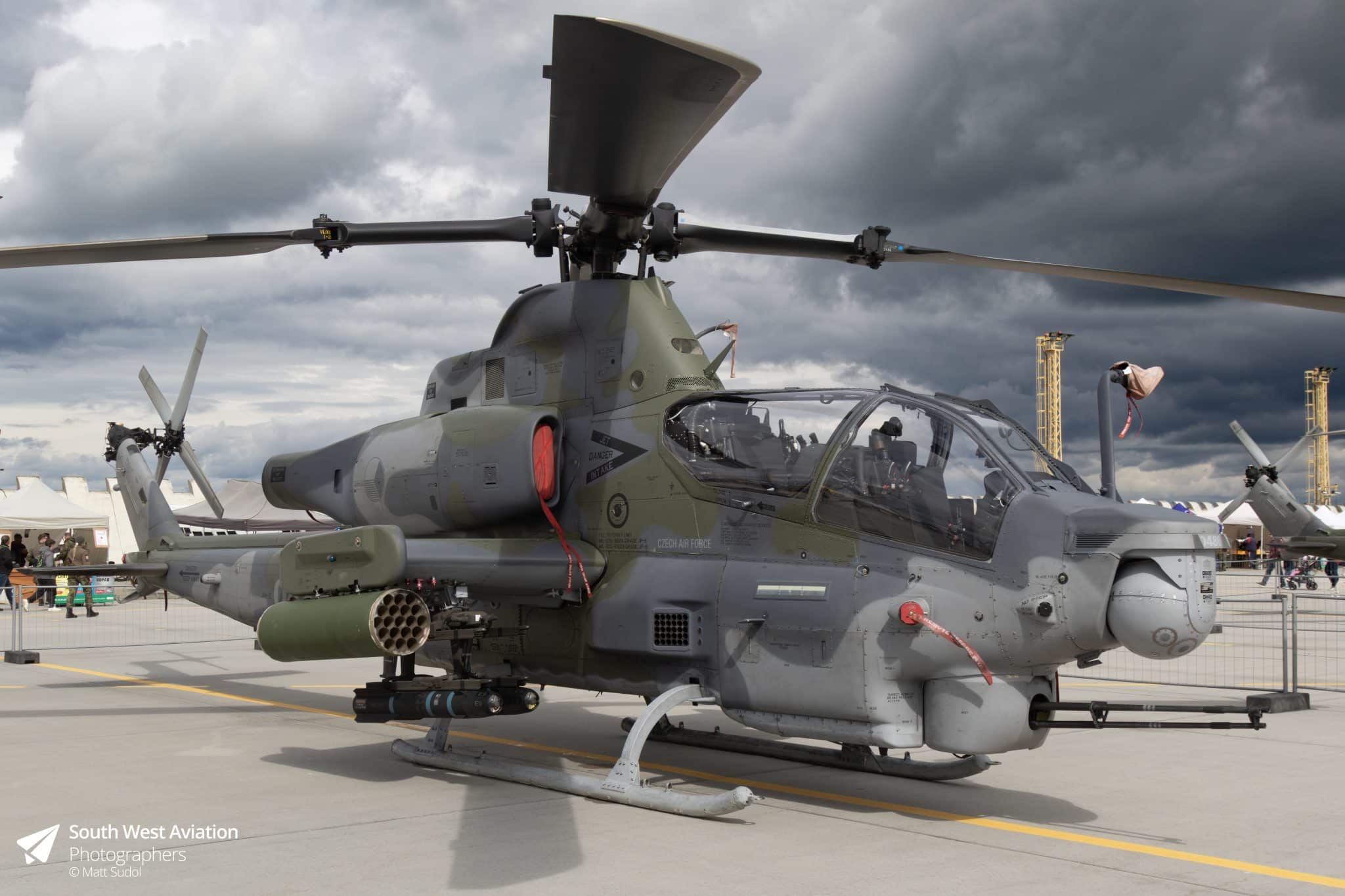
The Bell AH‑1Z Viper is a twin‑engine, four‑blade attack helicopter developed for the U.S. Marine Corps as the most advanced evolution of the Cobra family. Built under the H‑1 Upgrade Program, it modernizes the earlier AH‑1W with a composite rotor system, upgraded transmission, advanced avionics, and a fully integrated weapons suite. Carrying Hellfire missiles, AIM‑9 Sidewinders, and a 20 mm cannon, the Viper delivers formidable precision‑strike and escort capability. Designed for expeditionary warfare, it is marinized for shipboard operations and optimized for austere environments, offering high reliability, reduced vibration, and improved lift.
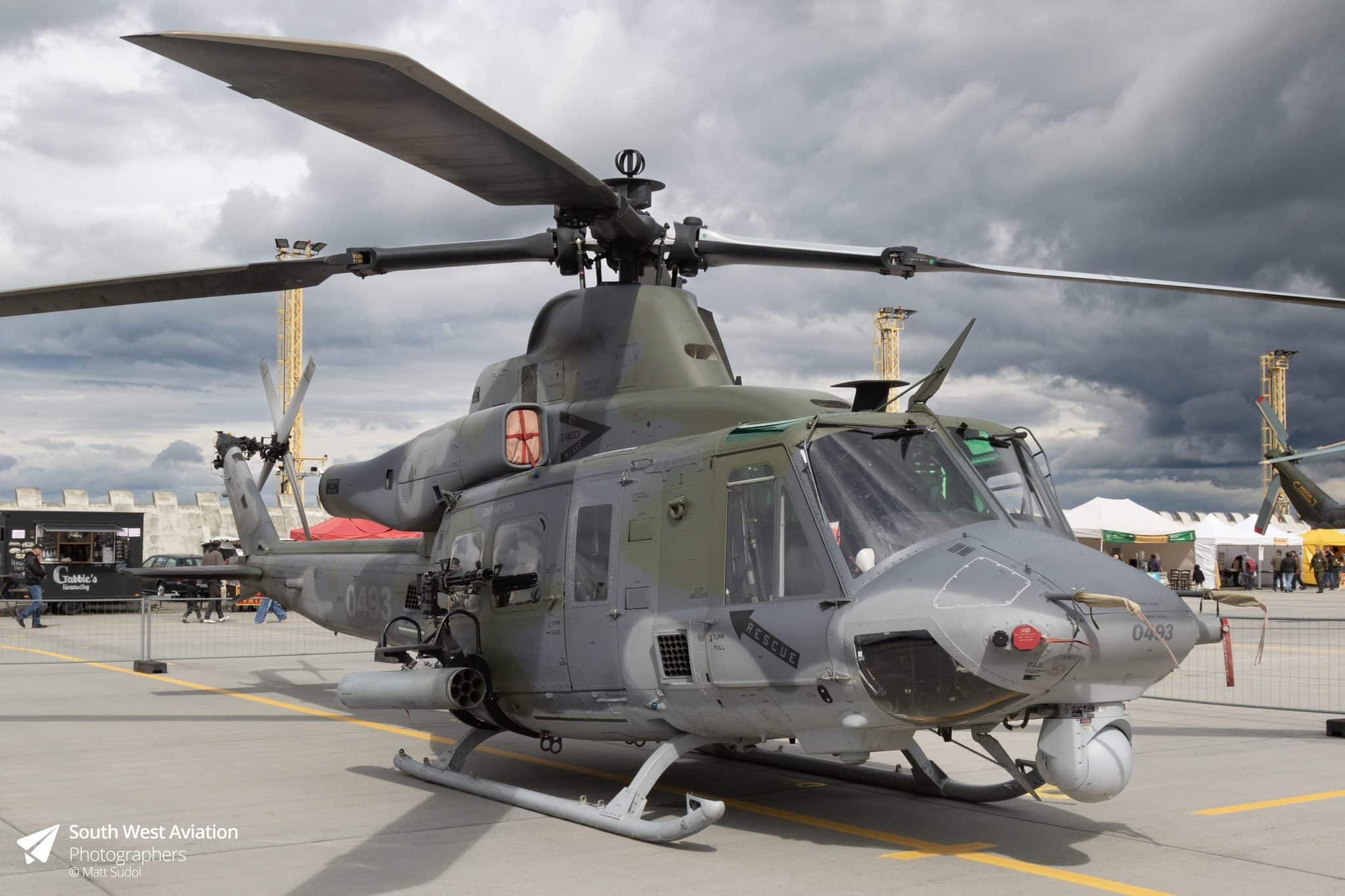
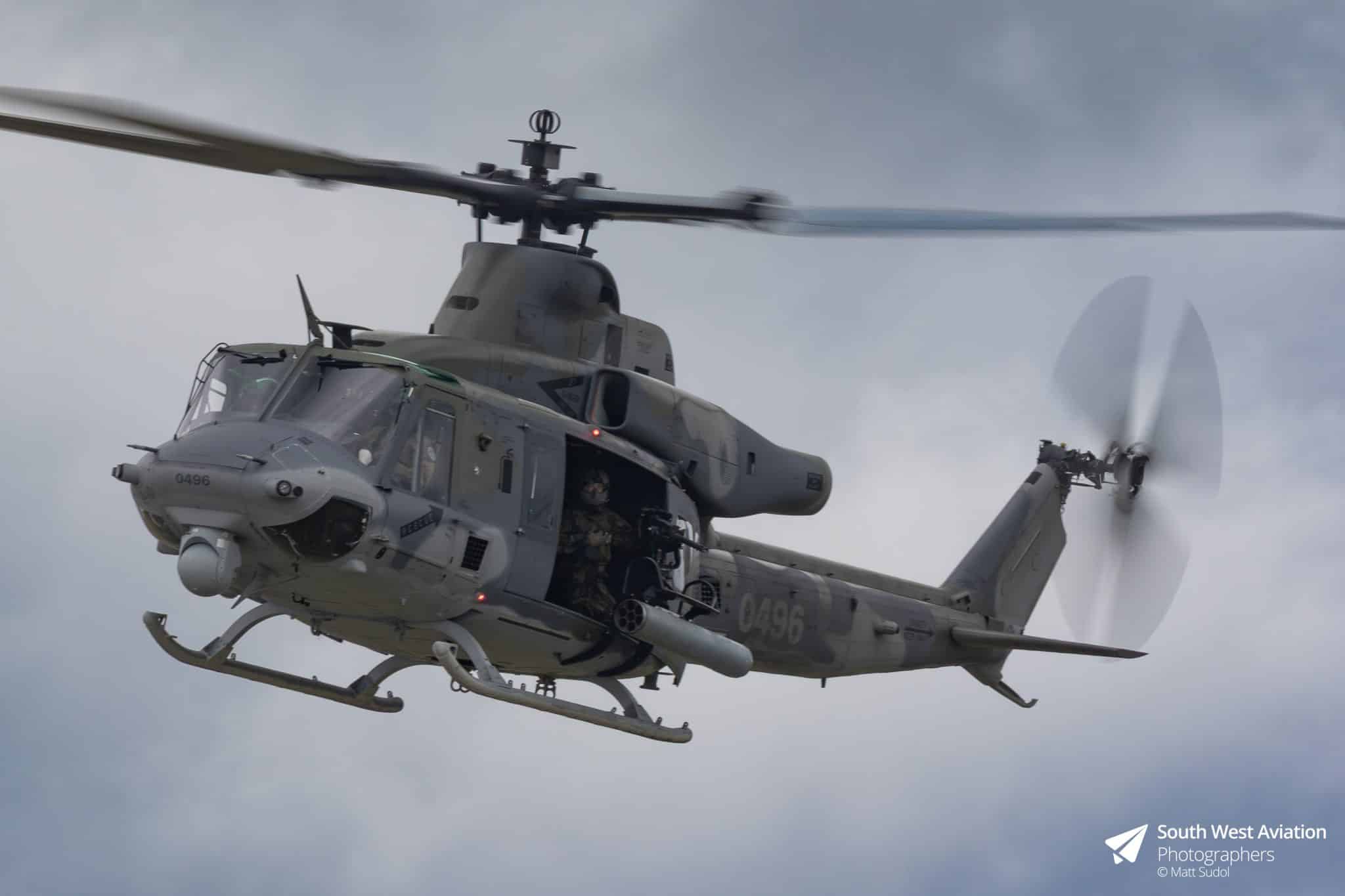
Alongside the Viper, the Czech Air Force procured eight Bell UH‑1Y Venoms, a modernized successor to the Vietnam‑era UH‑1 Iroquois. The UH‑1Y is a twin‑engine, four‑blade utility helicopter developed under the U.S. Marine Corps’ H‑1 Upgrade Program to replace the ageing UH‑1N with a far more capable, marinized, multirole platform. Entering service in 2008, it features a lengthened cabin, modern avionics, and significantly more powerful engines, addressing the UH‑1N’s longstanding limitations in lift and speed. Sharing more than 84% commonality with the AH‑1Z—including engines, rotor system, tail boom, and avionics the UH‑1Y reduces lifecycle costs and simplifies training and logistics. Its mission set spans troop transport, special operations insertion, close air support, command and control, and search and rescue. Following the Czech donation of several Mi‑24V and Mi‑35 helicopters to Ukraine, the United States backfilled the capability gap with six additional AH‑1Zs and two UH‑1Ys from surplus airframes stored at Davis–Monthan AFB under the Excess Defense Articles (EDA) programme.
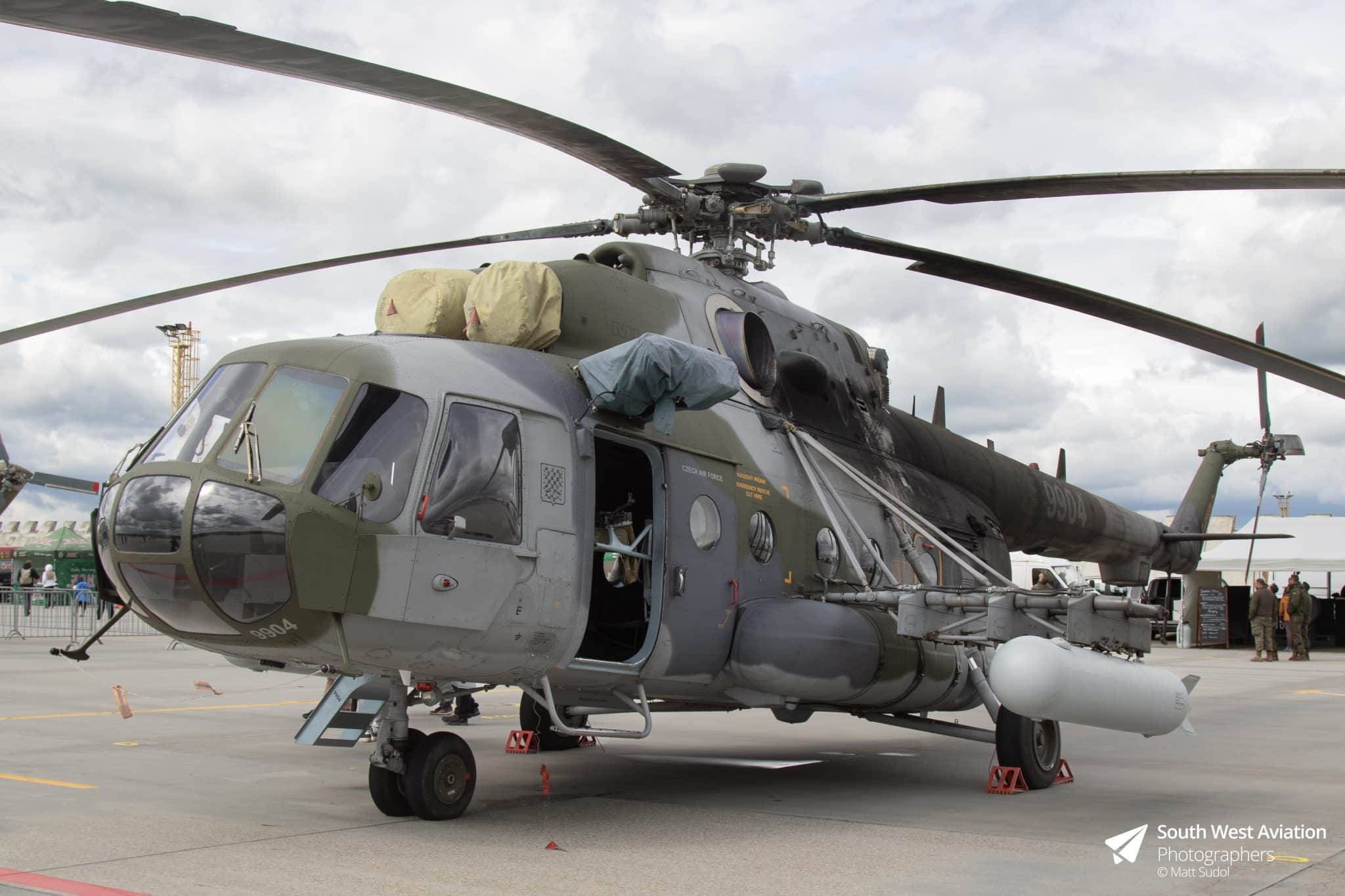
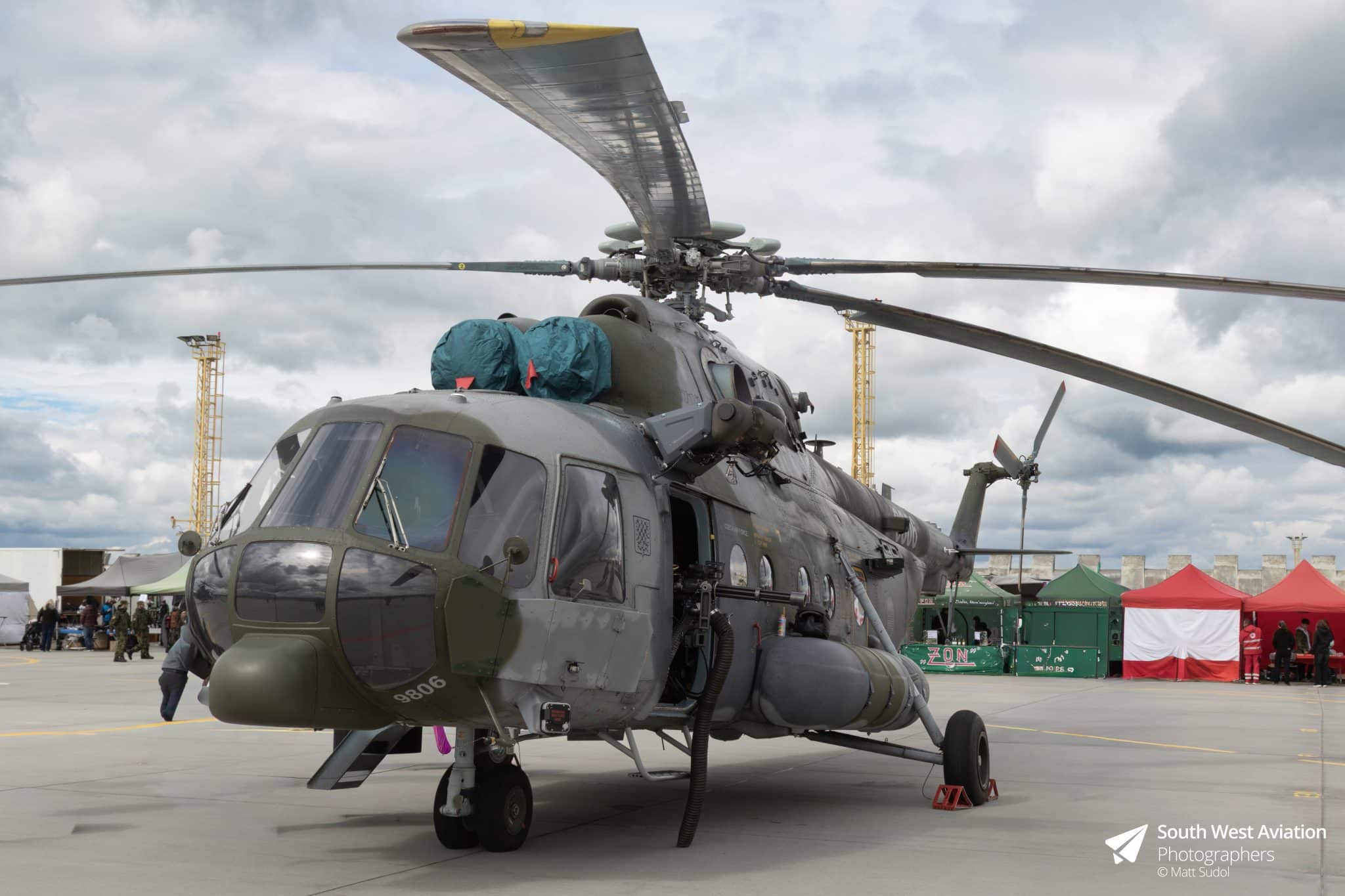
The Mil Mi‑171Sh remains the only Soviet‑designed helicopter still in frontline Czech service. It has become the backbone of Czech tactical helicopter operations, valued for its rugged design and modernized mission systems tailored to NATO requirements. Entering service in the mid‑2000s, the Mi‑171Sh provided a versatile platform for troop transport, close air support, medevac, and special operations. Czech aircraft received upgraded avionics, ballistic protection, flare dispensers, and provisions for door‑mounted machine guns and guided‑rocket systems, enabling effective performance in demanding environments. The type proved its worth during deployments to Afghanistan, where its lift capacity, reliability in hot‑and‑high conditions, and maintainability under expeditionary constraints were repeatedly demonstrated. Today, based primarily at Náměšť, the Mi‑171Sh continues to support national defense, NATO exercises, and domestic crisis response, serving as a bridge between the legacy Mi‑8/17 family and the incoming Western‑built H‑1 fleet.
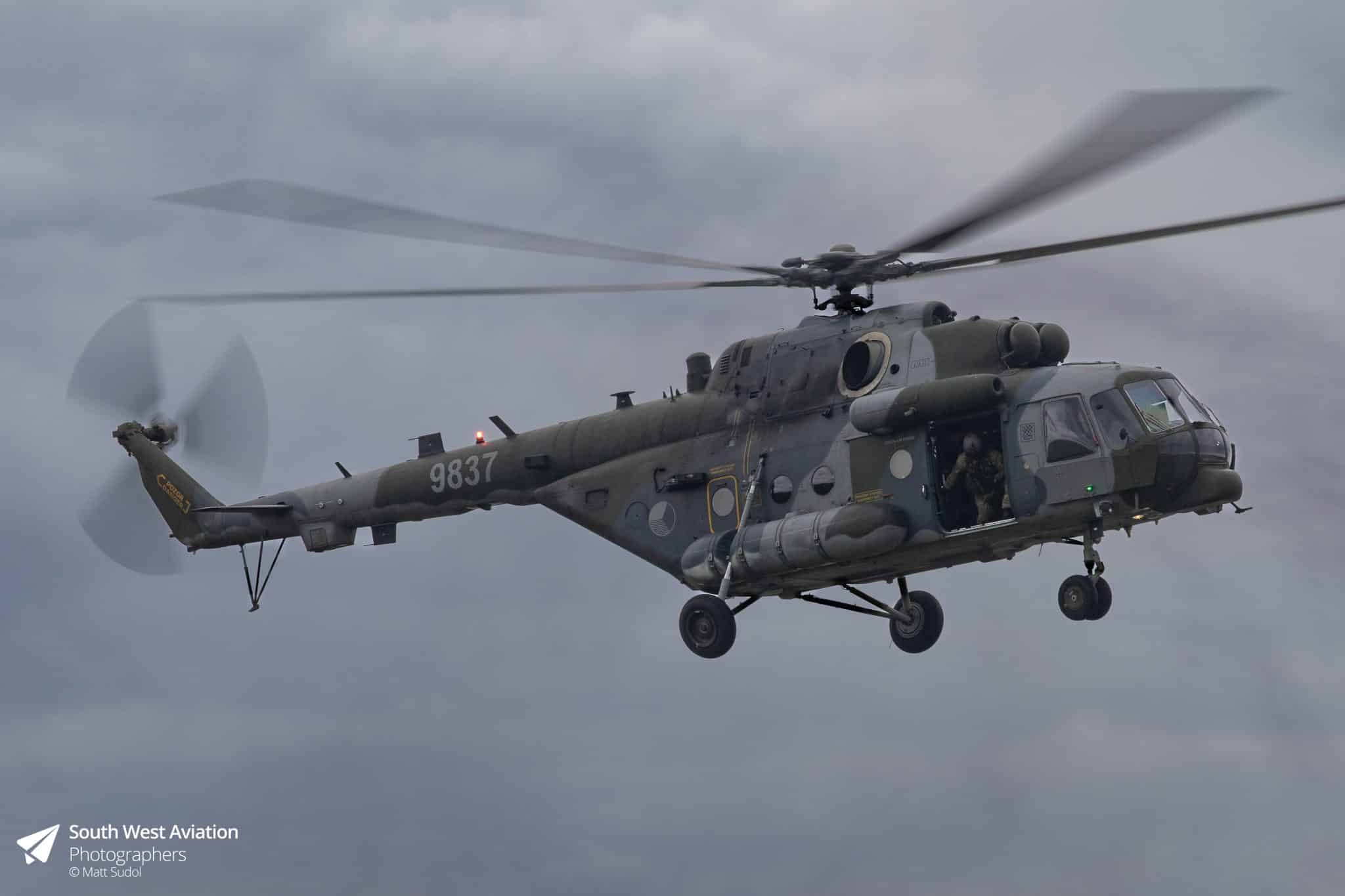
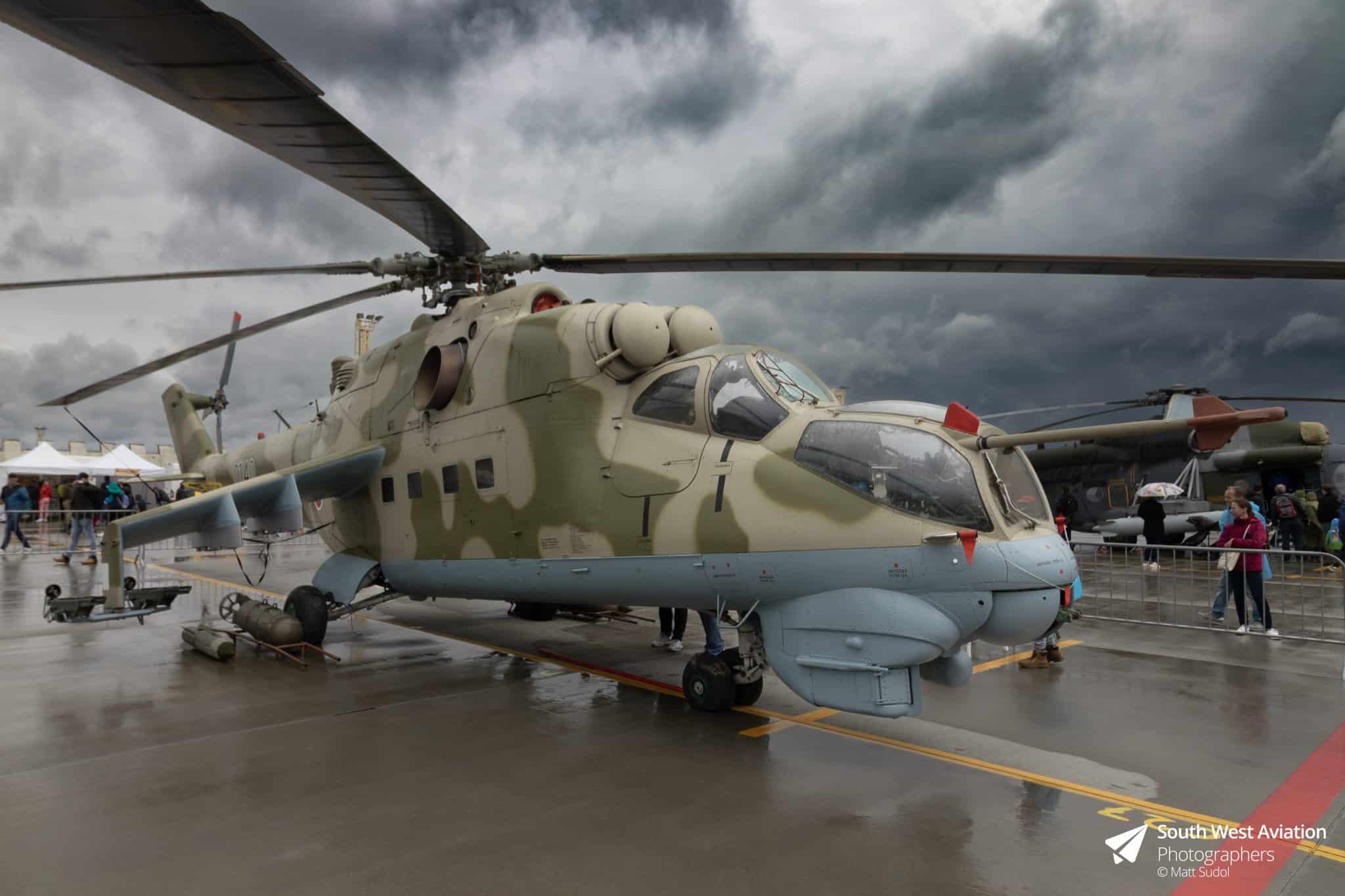
221. vrtulníková letka joined the NATO Tiger Association in 1997 as a probationary member, gaining full membership in 2001. Founded in 1961, the Association strengthens solidarity and interoperability among NATO air units whose insignia feature a tiger motif. The Czech “Tigers,” based at Náměšť, trace their heritage through earlier helicopter units at Přerov, eventually becoming 221 Squadron in 2008. They quickly became one of the Association’s most active rotary‑wing participants, winning the prestigious Silver Tiger Trophy at the 2002 Tiger Meet in Beja, Portugal. Operating the Mi‑24V Hind for most of their Tiger-era history—and now transitioning to the AH‑1Z and UH‑1Y—the squadron has used Tiger Meets to showcase Czech helicopter capability, tactical innovation, and distinctive tiger‑themed special liveries. Today, the 221st remains one of the Association’s most recognizable helicopter units, embodying the Tiger spirit through regular multinational exercises, public outreach, and a strong internal identity.
The Czech Air Force’s Mi‑171Sh deployment to Poland represents one of the most operationally focused uses of the type within NATO’s eastern‑flank security framework, particularly in the Counter‑UAV and border‑protection mission set. Operating from forward Polish bases, the Mi‑171Sh provides long‑endurance patrols, rapid‑reaction launches, and persistent overwatch of sensitive airspace. Its EO/IR turret, door‑mounted weapons, and ability to carry specialized detection teams make it well suited to identifying, tracking, and responding to low‑slow aerial threats—an increasingly important requirement given the proliferation of small unmanned systems near NATO borders. The deployment has strengthened interoperability with Polish forces, integrating Czech crews into joint command structures and shared air‑surveillance networks, while demonstrating Prague’s readiness to contribute meaningful, high‑value capabilities to collective defense.
On Saturday 16 May, Náměšť Air Base opened its doors to the public to celebrate its 70th anniversary. Although the flight line was modest in size, it was very much a case of quality over quantity, with the home team out in force. Before the flying display, several ground demonstrations showcased the Czech Armed Forces, including a continuity rifle drill by the Honor Guard. The 225th Combat Support Squadron provided two demonstrations: a military working dog display and a MUSADO combat system presentation—MUSADO being a Korean‑German martial art used by the unit for unarmed combat. The Prison Service of the Czech Republic also demonstrated their response to a prisoner ambush attempt.
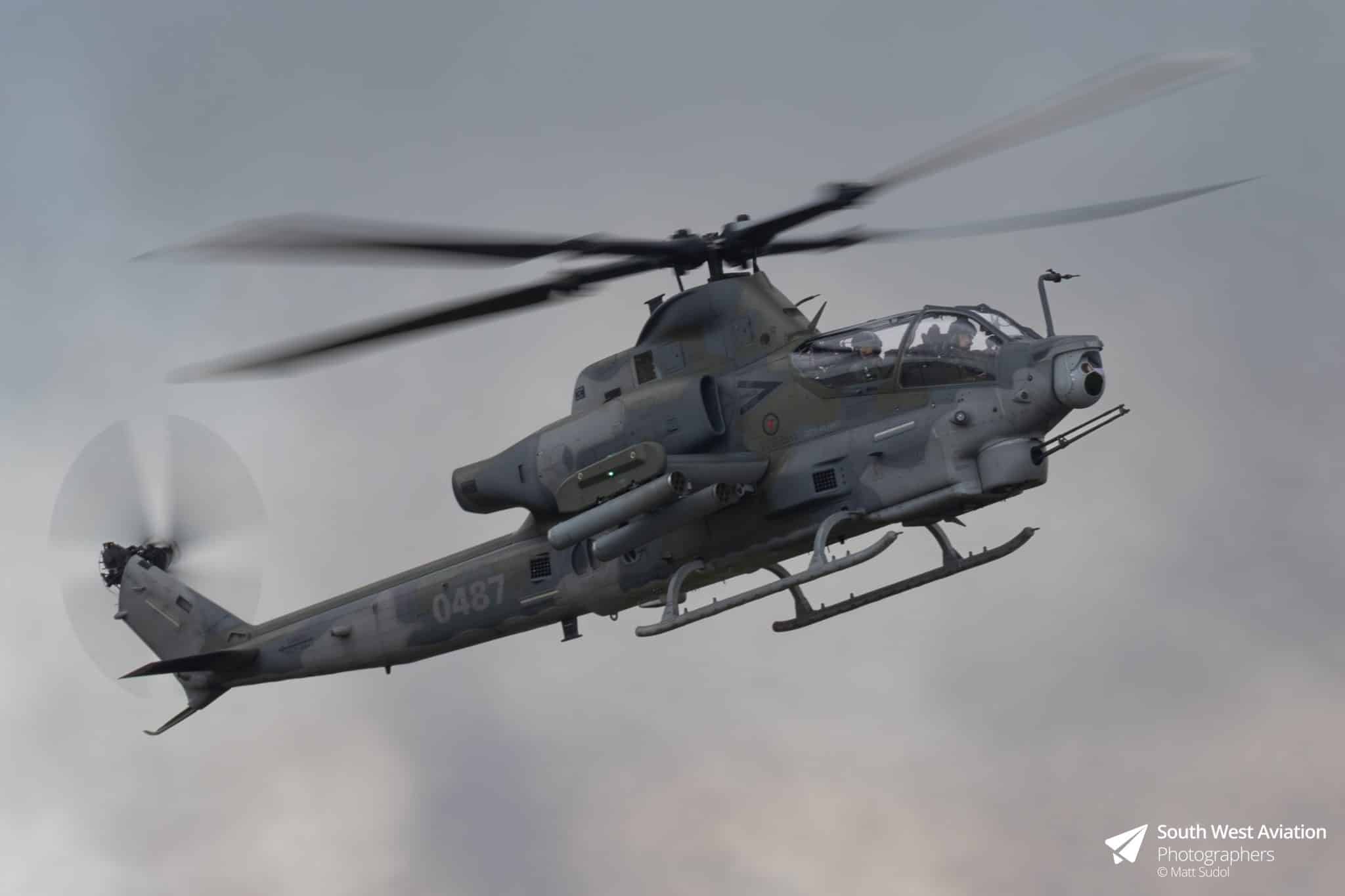
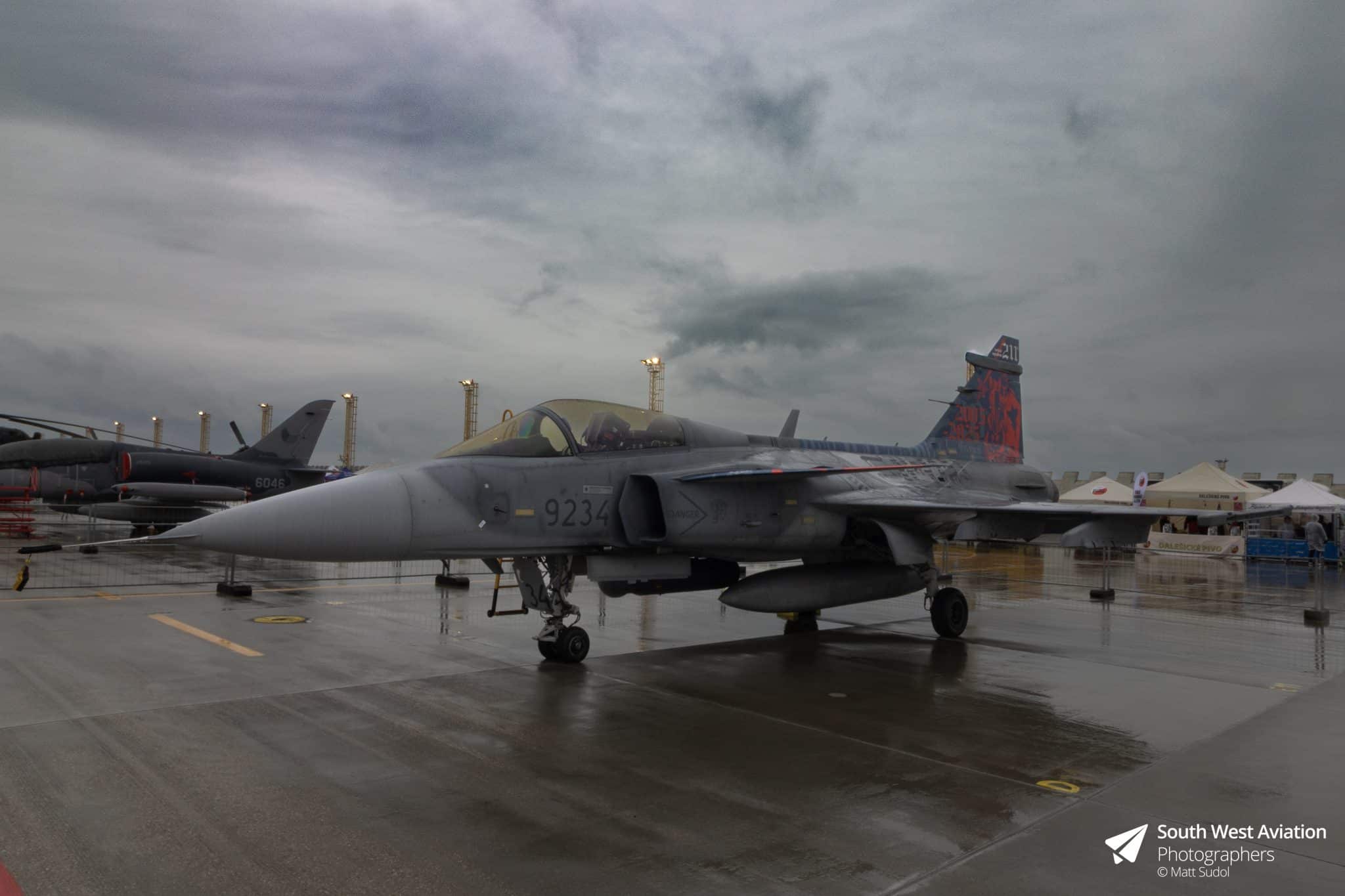
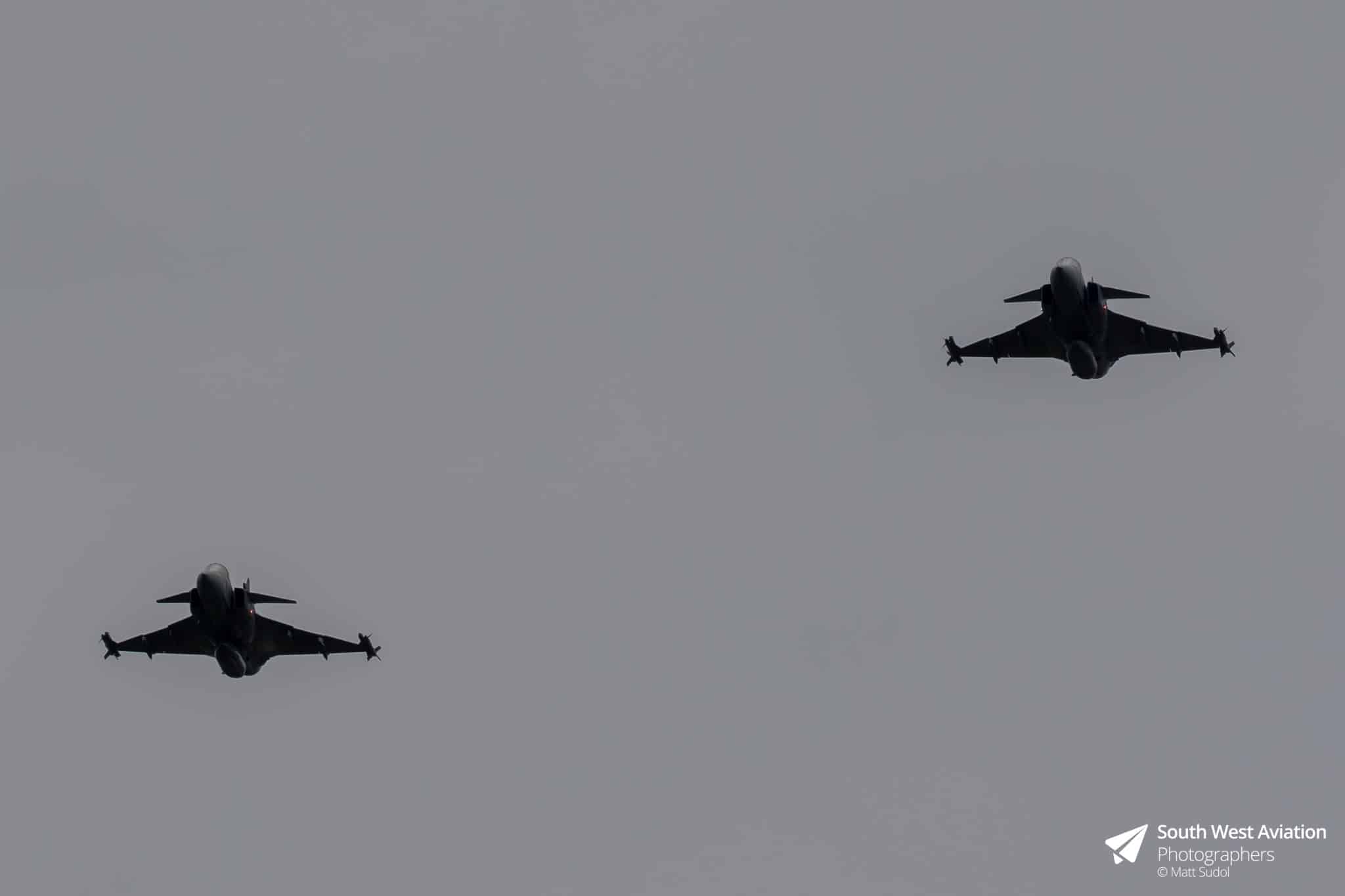
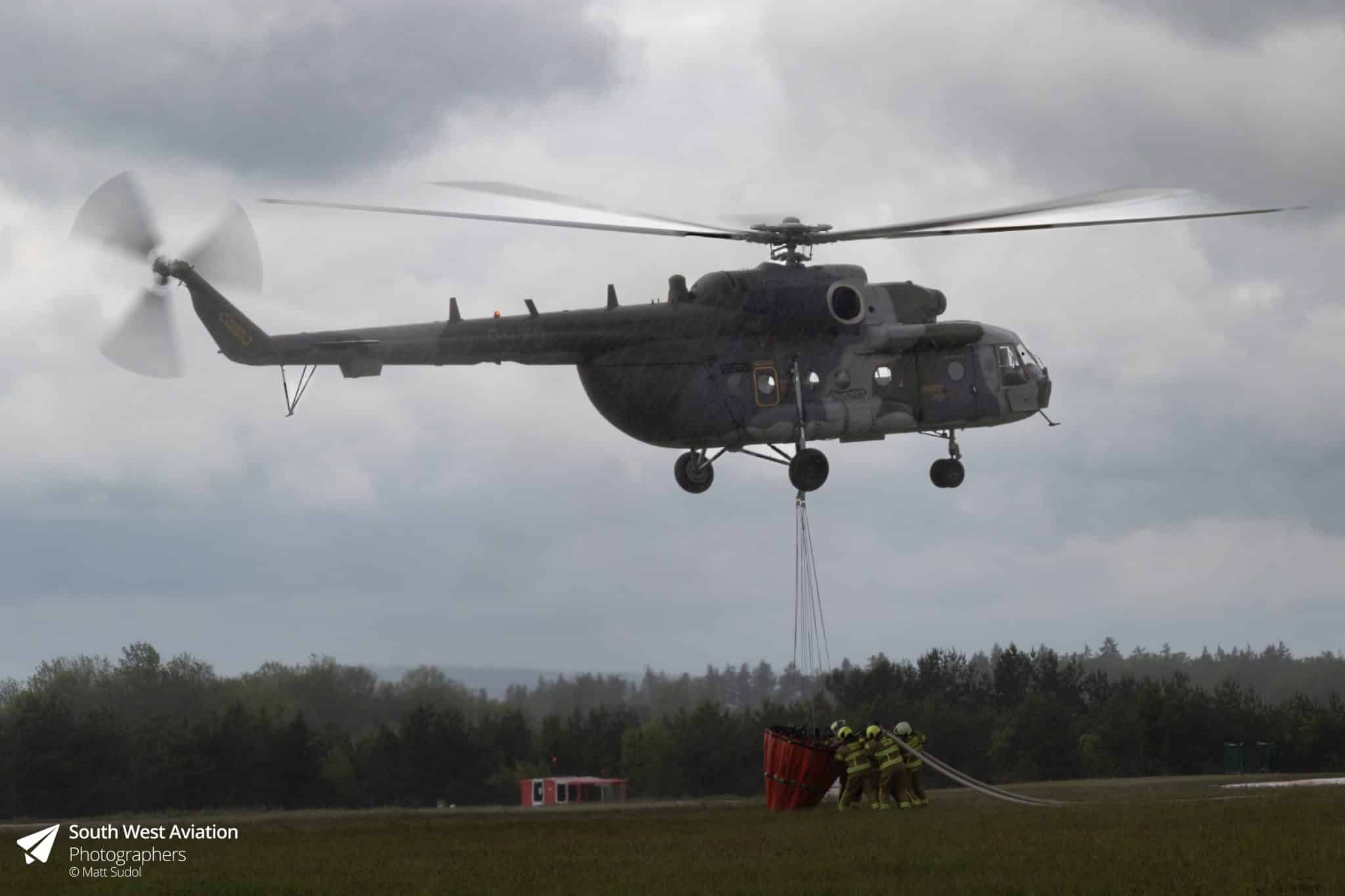
As the base commander concluded his welcome address, the sky erupted with jet noise as a pair of Saab JAS‑39C Gripens performed several formation fly-past’s a welcome sight given that the Czech Air Force will not display the Gripen in 2026 due to operational commitments. The rest of the day was dominated by the sound of rotor blades. All three aircraft types based at Náměšť took part in a joint flypast: the Mi‑171Sh, UH‑1Y Venom, and AH‑1Z Viper. The Mi‑171Sh then climbed to altitude for a static‑line round‑canopy parachute jump something rarely seen at airshows while the UH‑1Y and AH‑1Z returned to show center for a dynamic capability demonstration. With both H‑1 types entering service in 2023, this was one of the first opportunities for the public to see them up close. Further Mi‑171Sh carried out a number of Bambi Bucket demonstrations which unlike the Bambi Bucket training we witnessed in Hungary where the bucket was lowered into a water source the Czech Air Force firefighters filled the bucket via hose. A Combat Search and Rescue demonstration was also carried out with the downed aircrew being extractacted using the Helicopter Rope Suspension Technique.
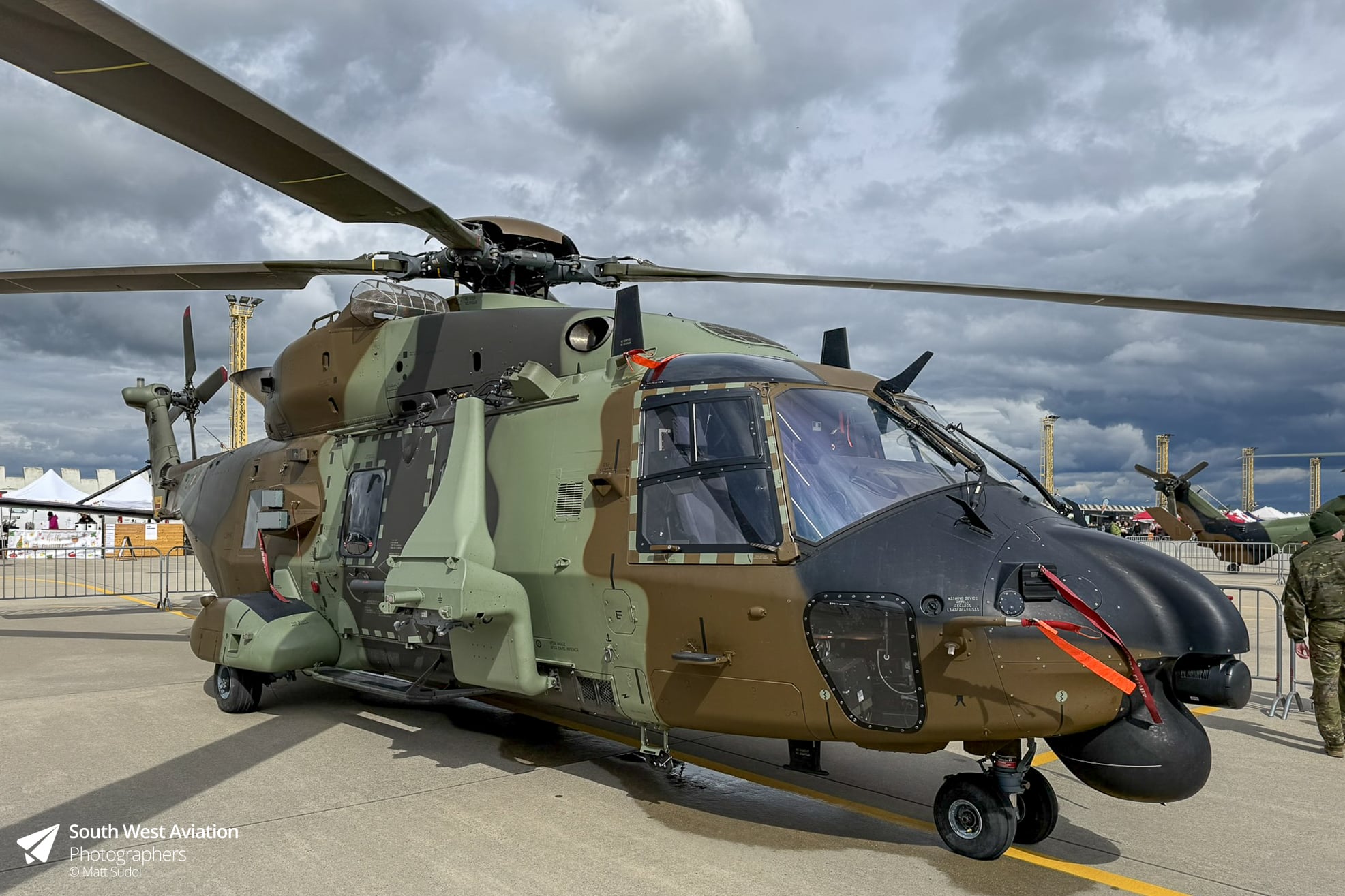
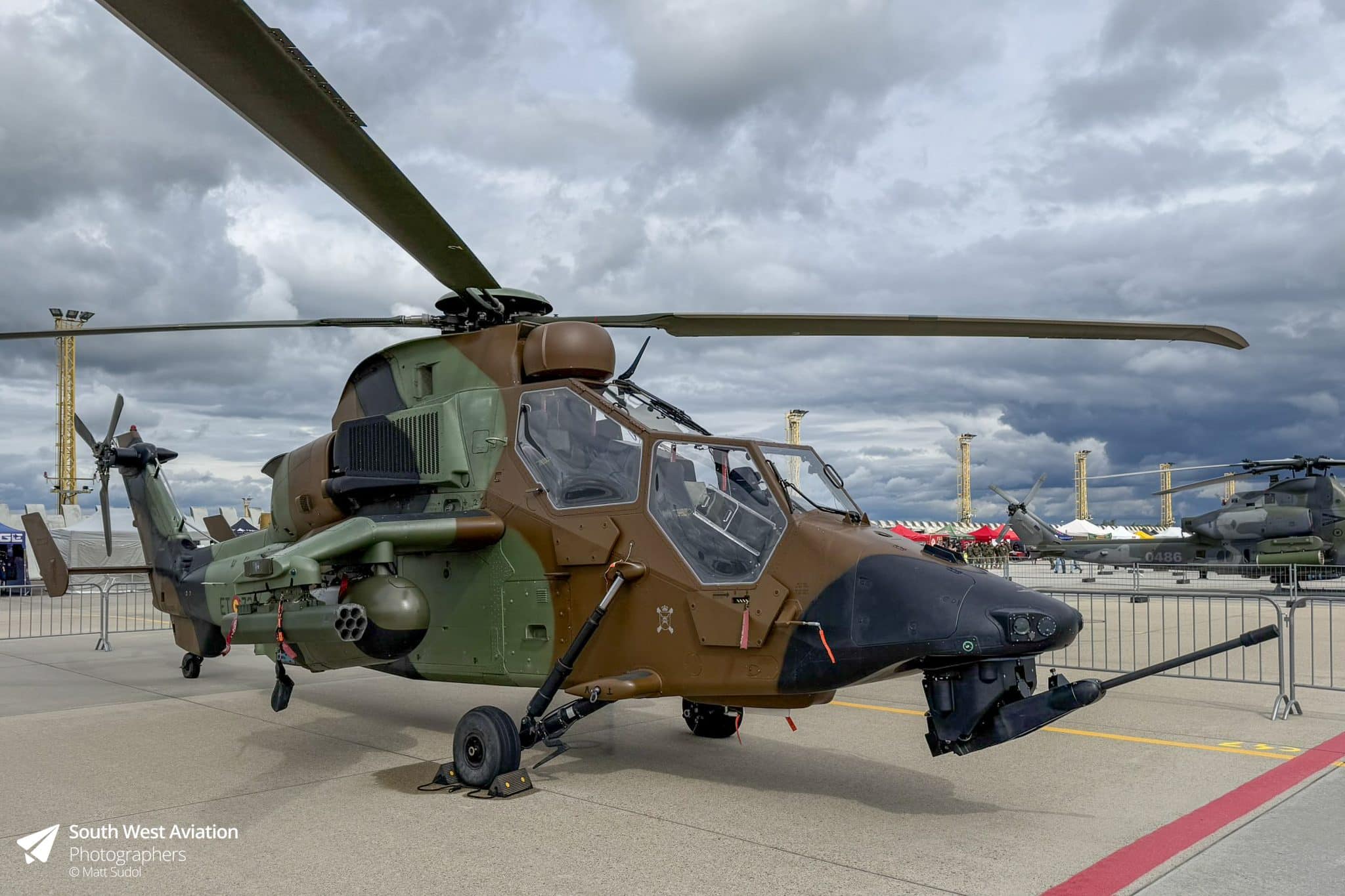
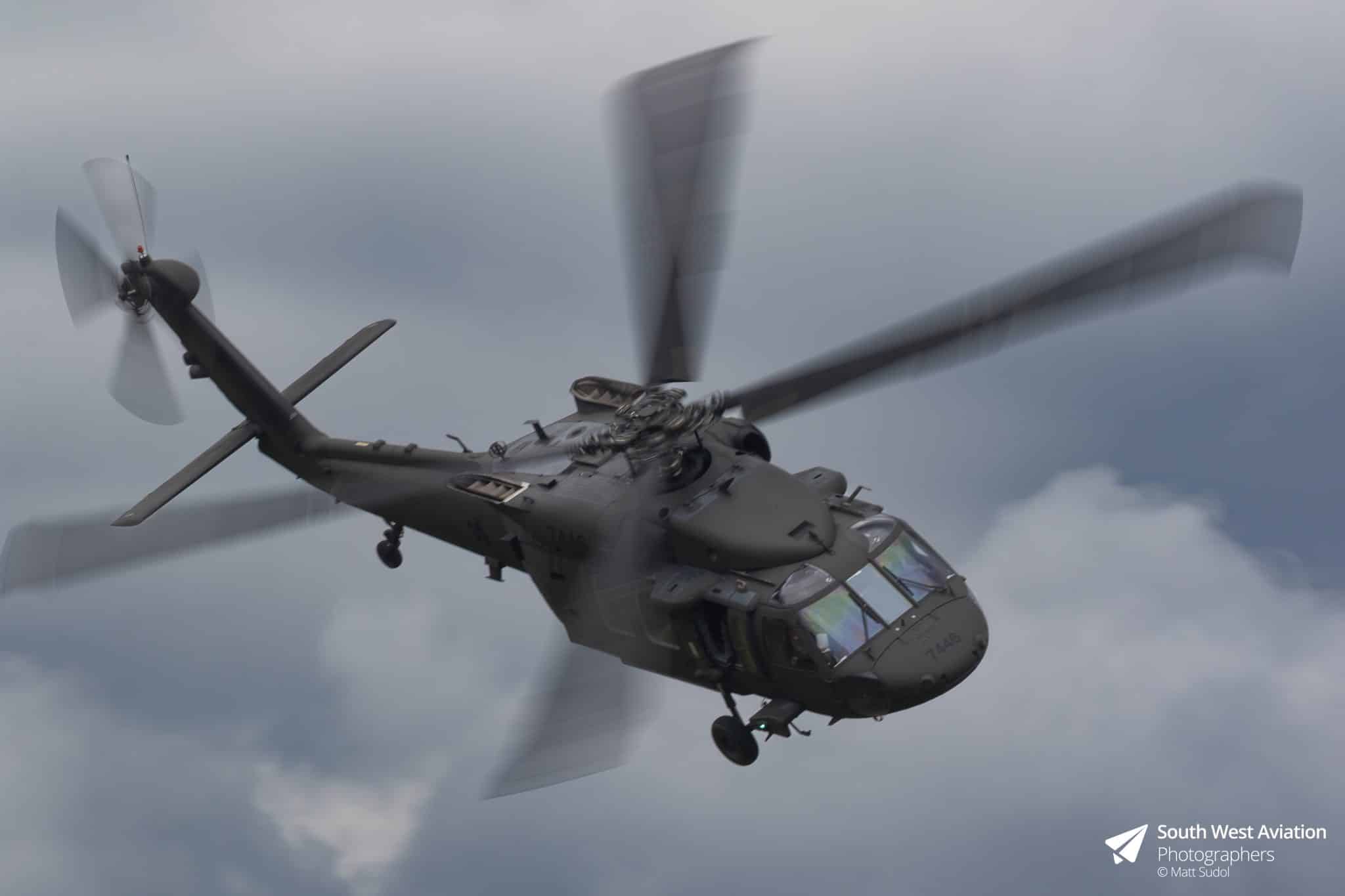
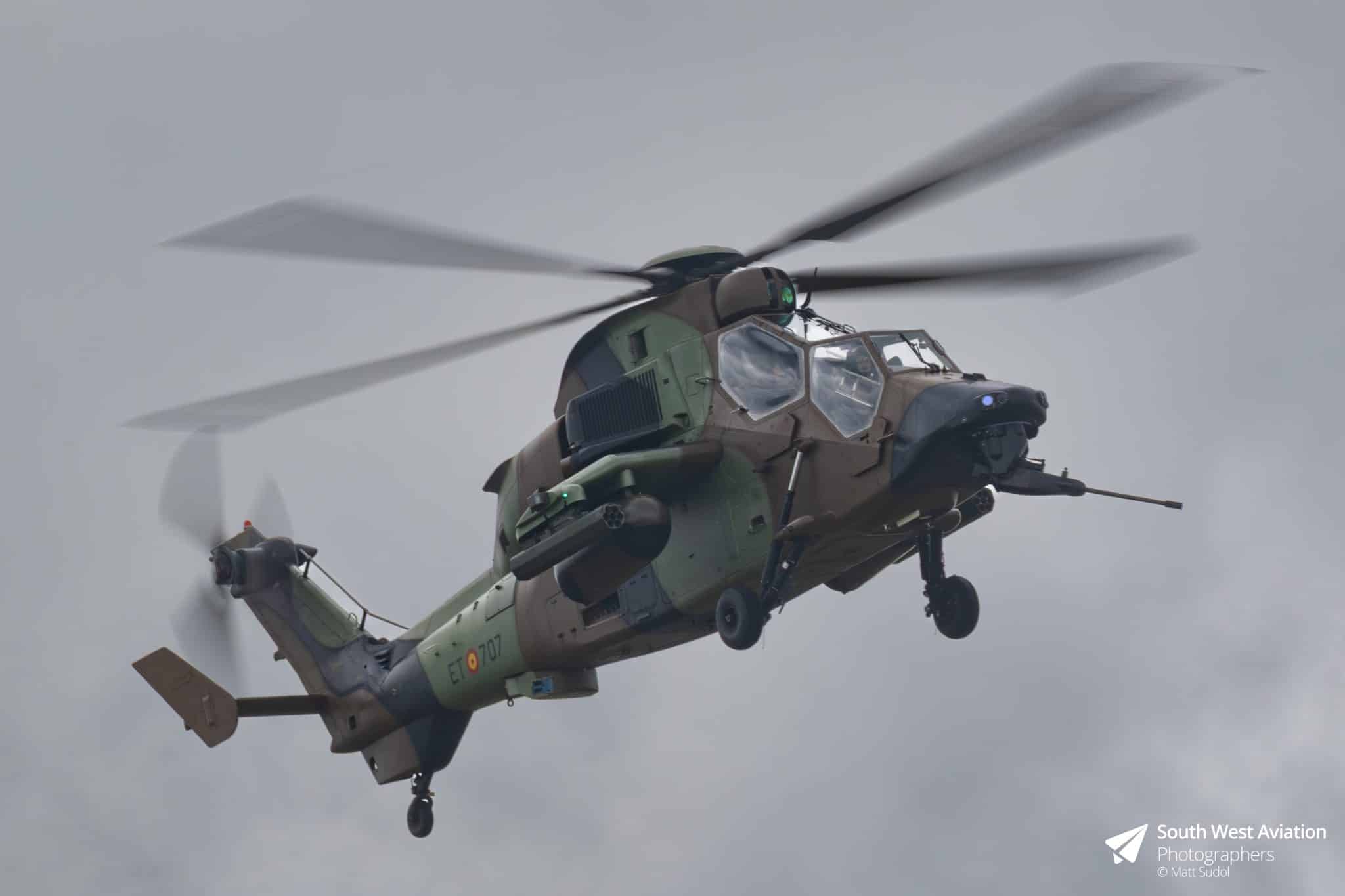
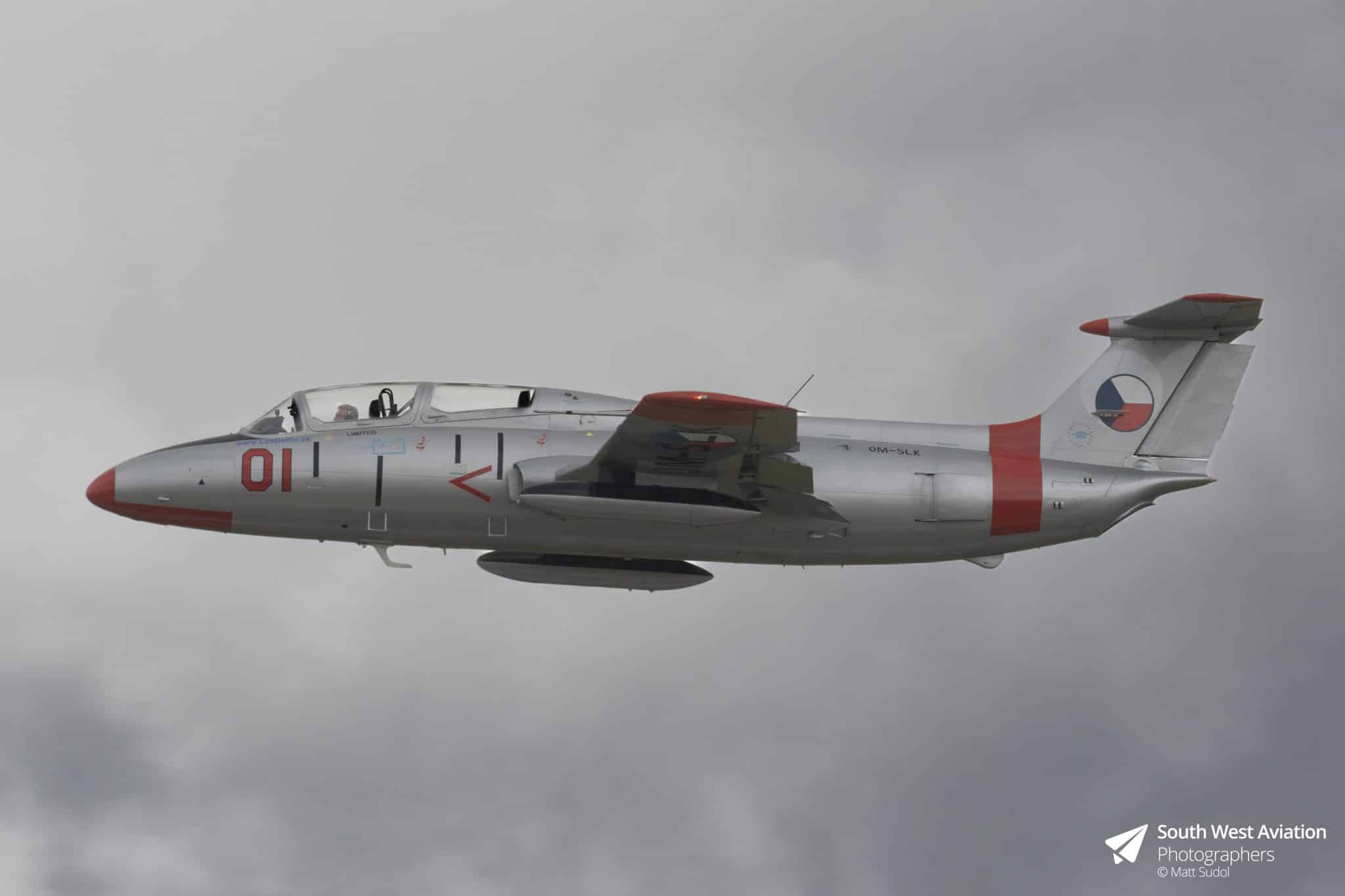
NATO allies Spain and Slovakia also participated. The Spanish Army displayed the Eurocopter EC665 Tigre HAD, with another example in the static park alongside an NH90‑TTH, all part of Spain’s contribution to NATO’s Forward Land Forces. The Slovak Air Force contributed a Sikorsky UH‑60M Black Hawk from Prešov, some 375 km east of Náměšť. A pair of Slovak F‑16C Fighting Falcons had been scheduled for a fly-past, but the fleet was temporarily grounded; Slovak fast‑jet representation instead came from a privately owned Aero L‑29 Delfín, which delivered a flowing routine with several ultra‑low passes fitting, given that L‑29s were once based at Náměšť.
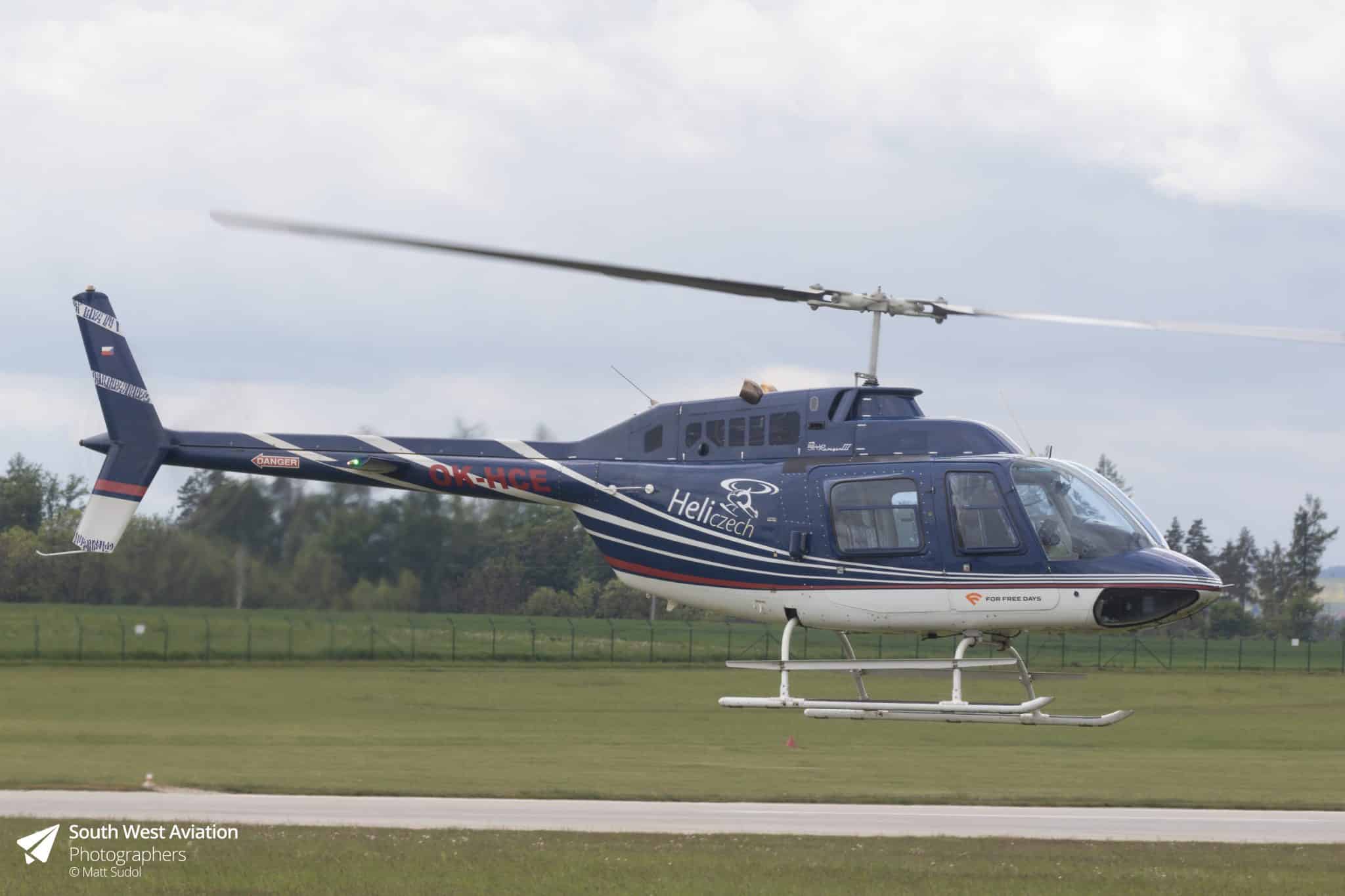
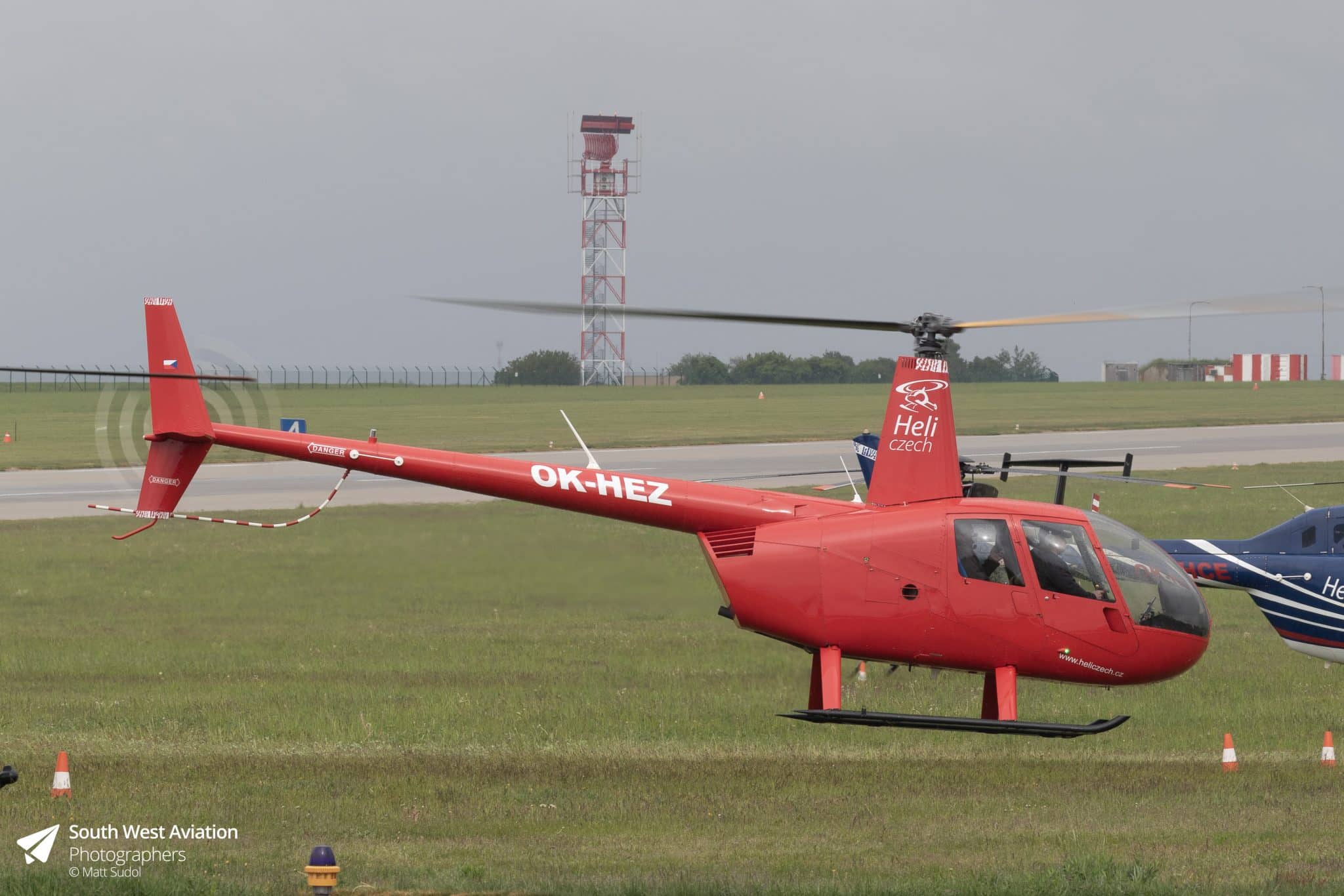
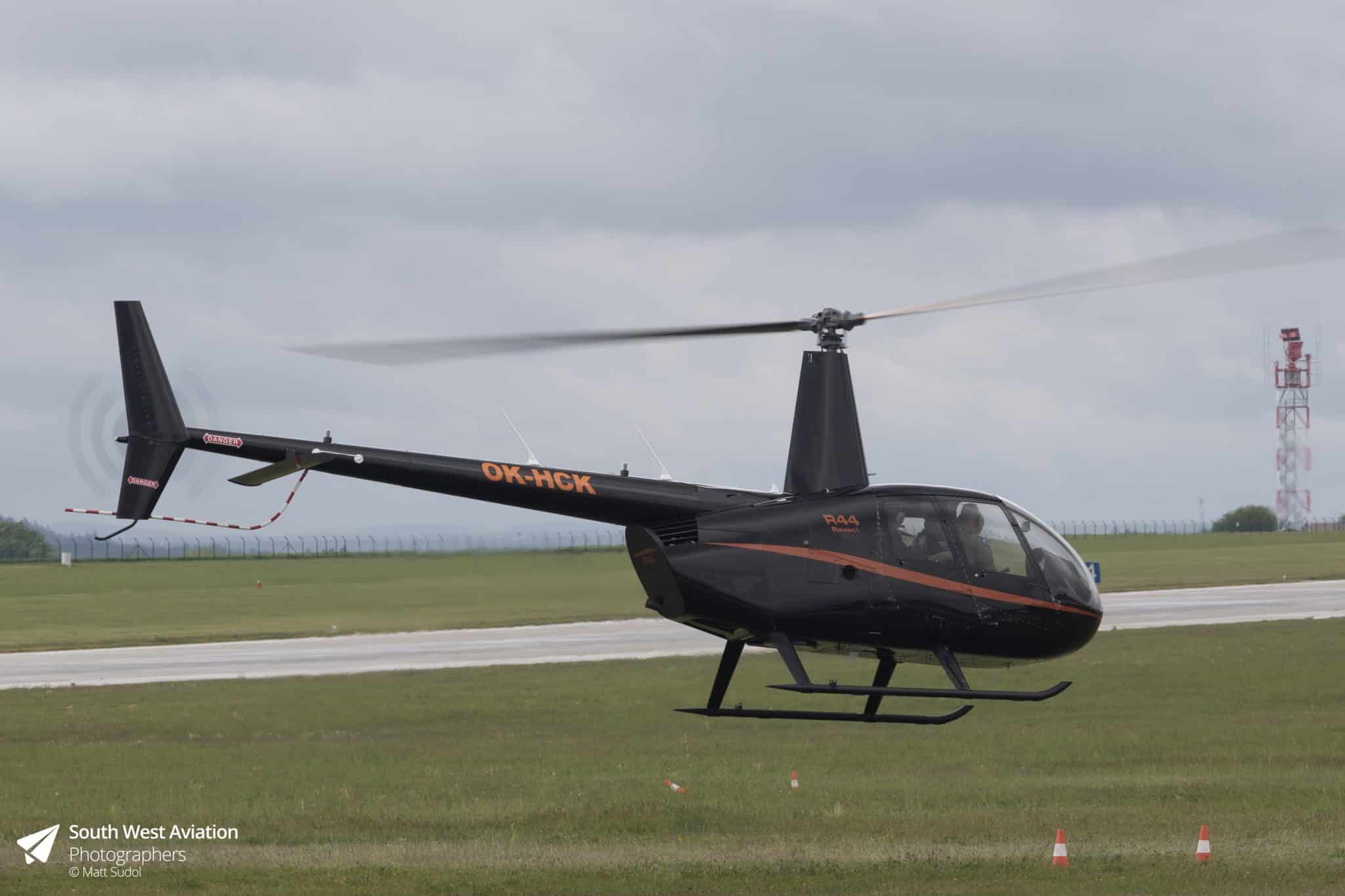
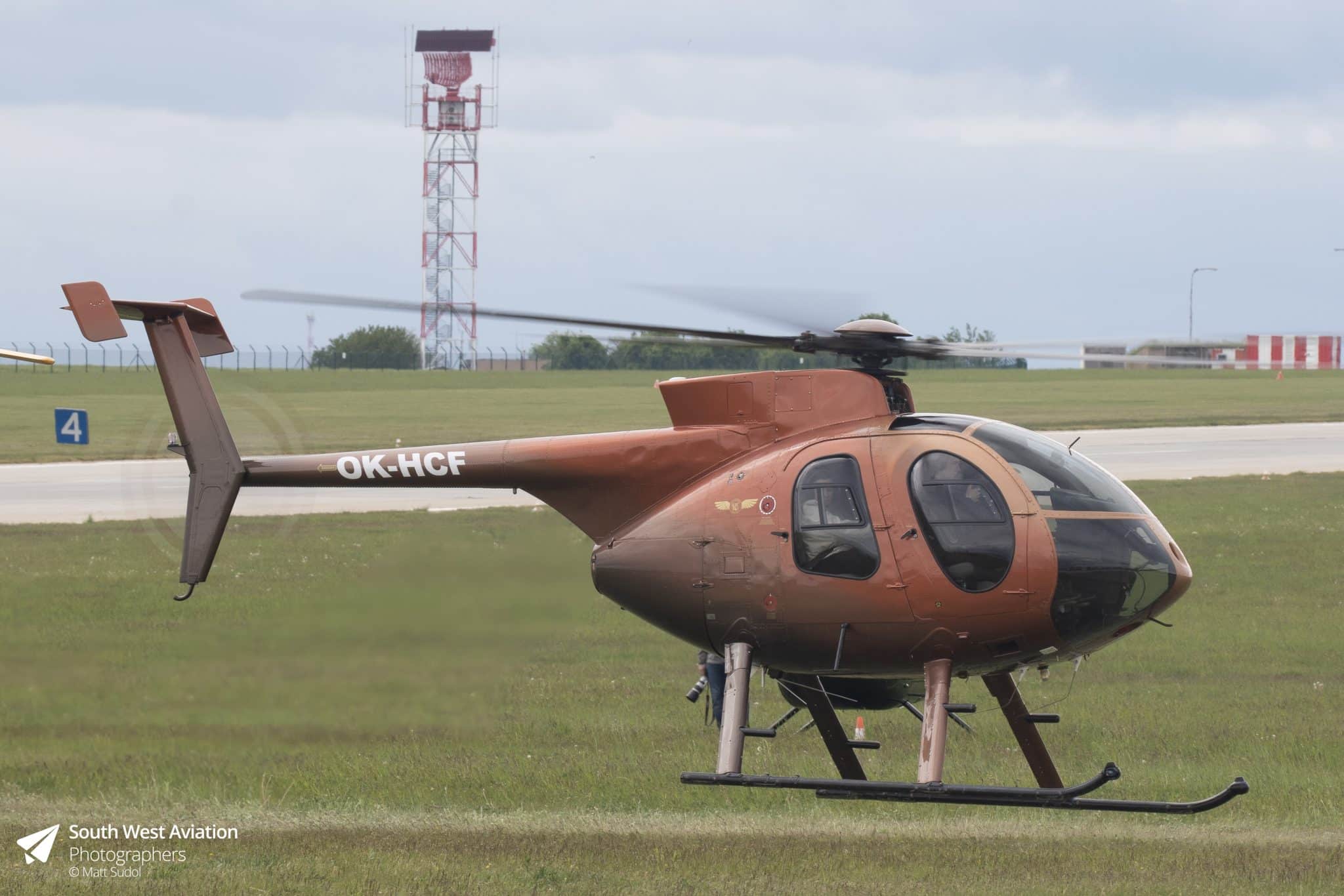
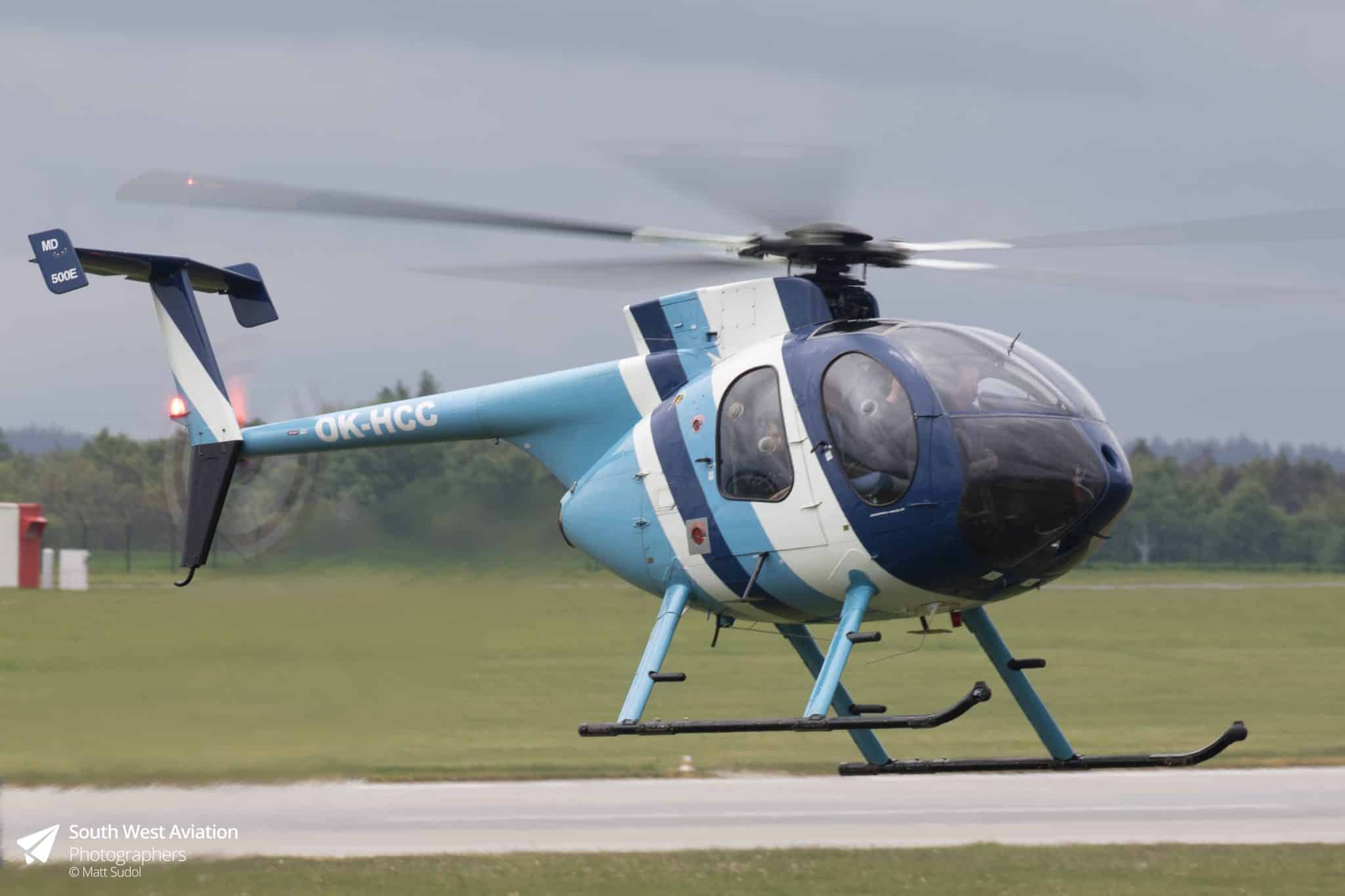
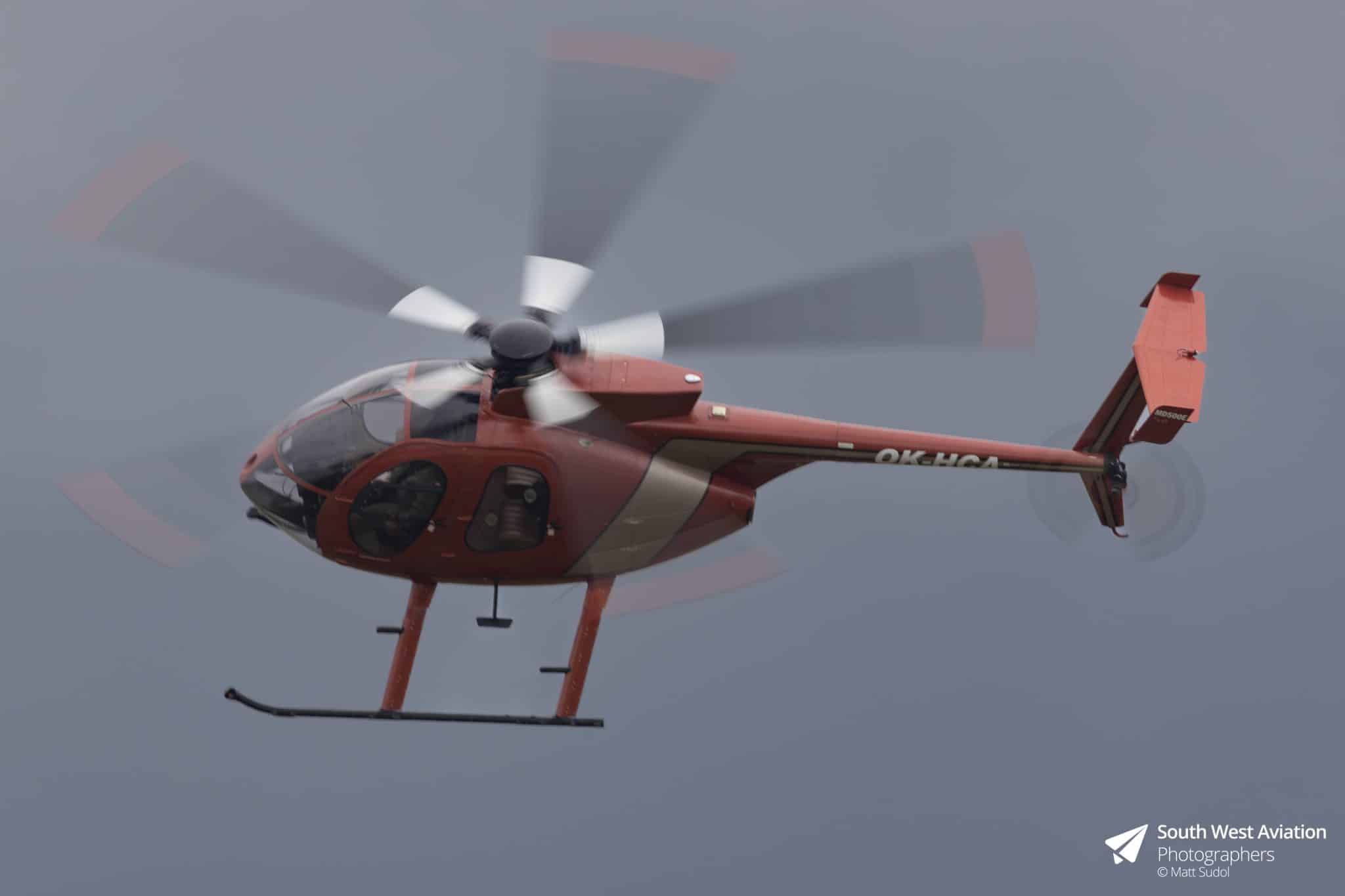
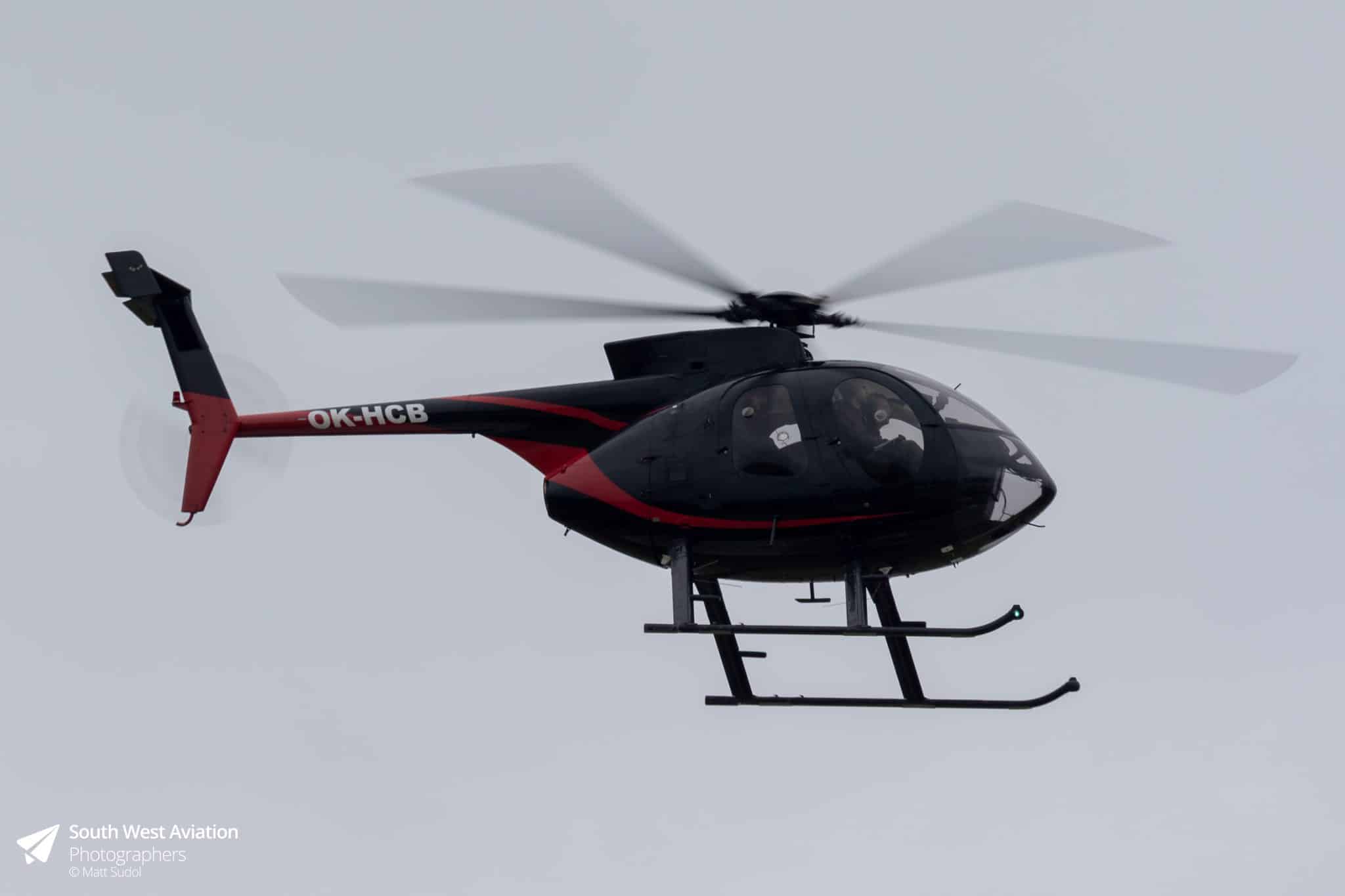
Civilian participation came from Heli Czech s.r.o. Although the Bell TAH‑1P Cobra was originally scheduled, it was replaced at the last minute by a nimble Hughes 369E (MD‑500E). Heli Czech also provided pleasure flights using three Hughes 369Es, two Robinson R44 Ravens, and a Bell 206B JetRanger III.
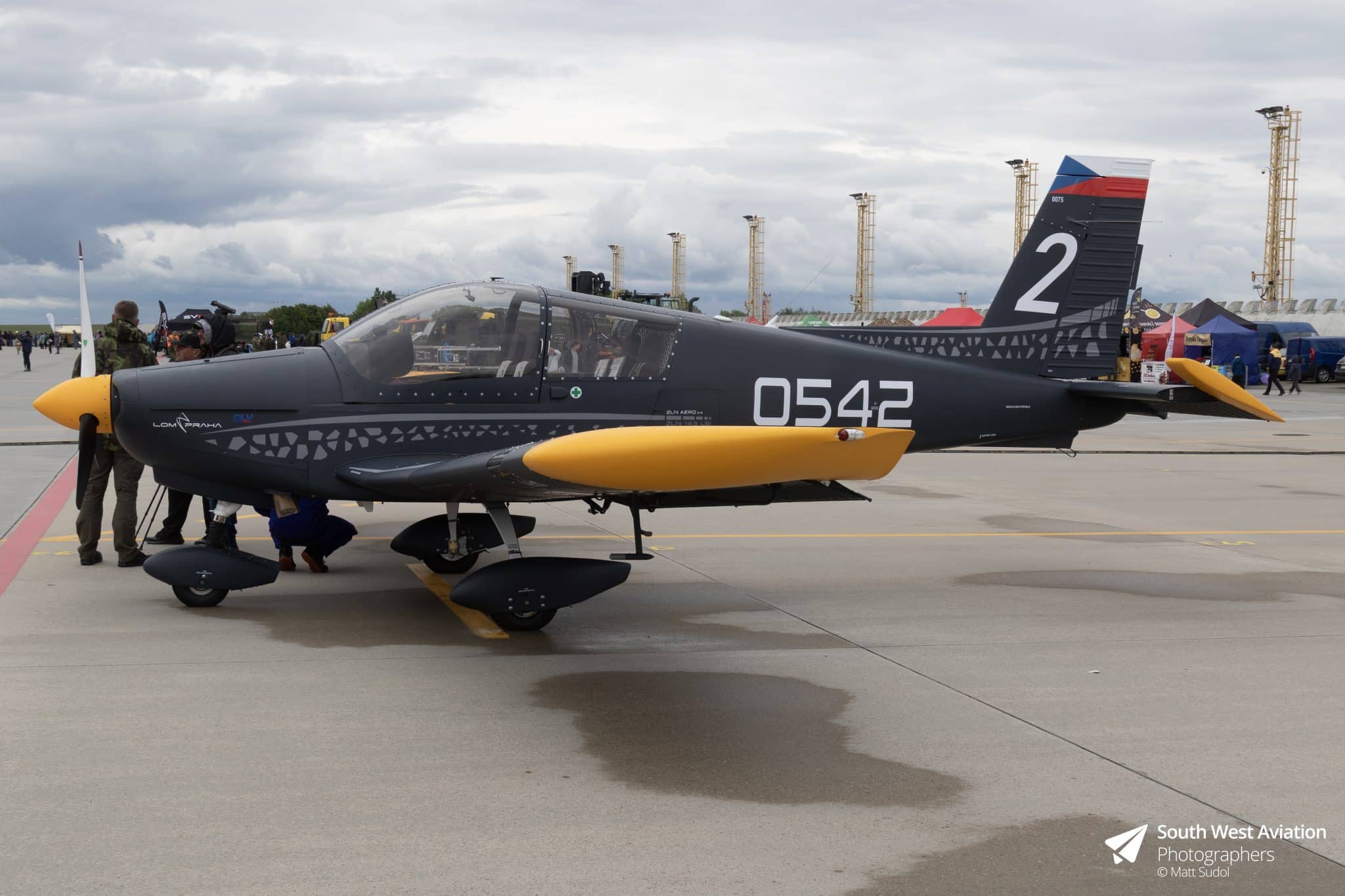
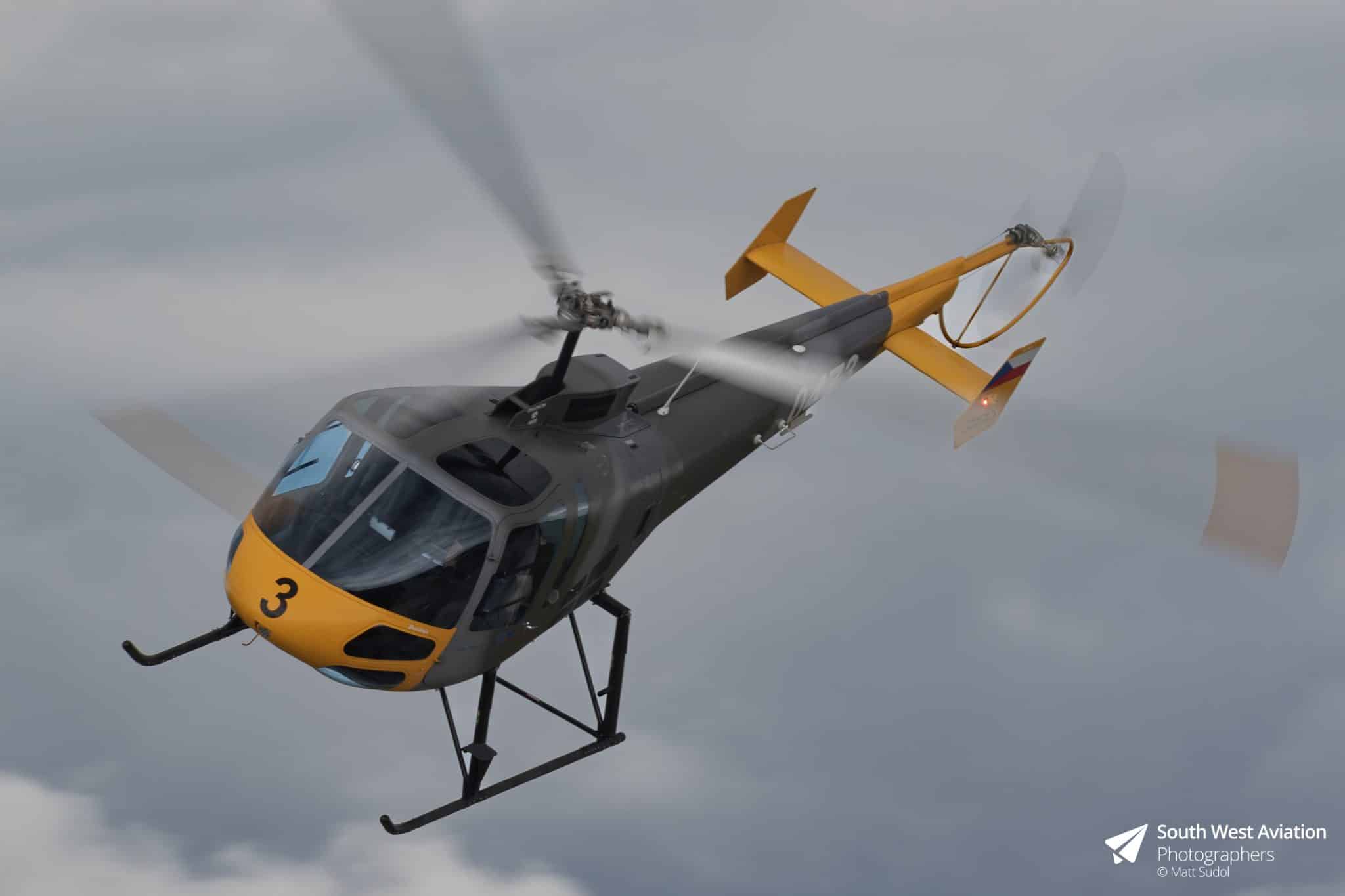
One of the lesser‑seen Czech Air Force aircraft in both the flying and static displays was the Enstrom 480B‑G from the Centrum Leteckého Výcviku at Přerov, delivering an impressive routine in a type often overlooked in civilian circles. From the CLV’s Pardubice base, a Zlín Z‑143LSi in a striking black scheme also appeared, representing the aircraft used for initial flying training.
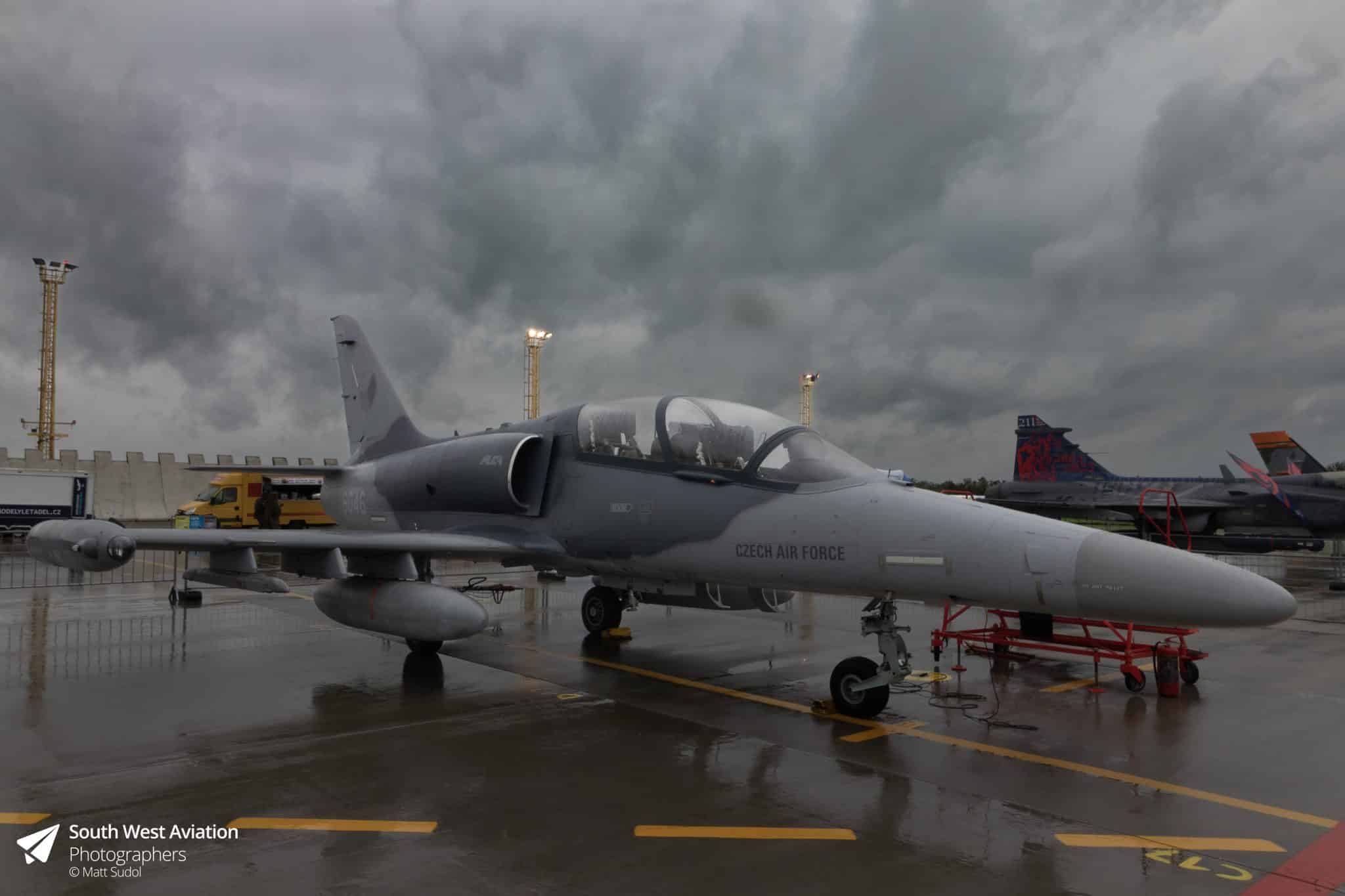
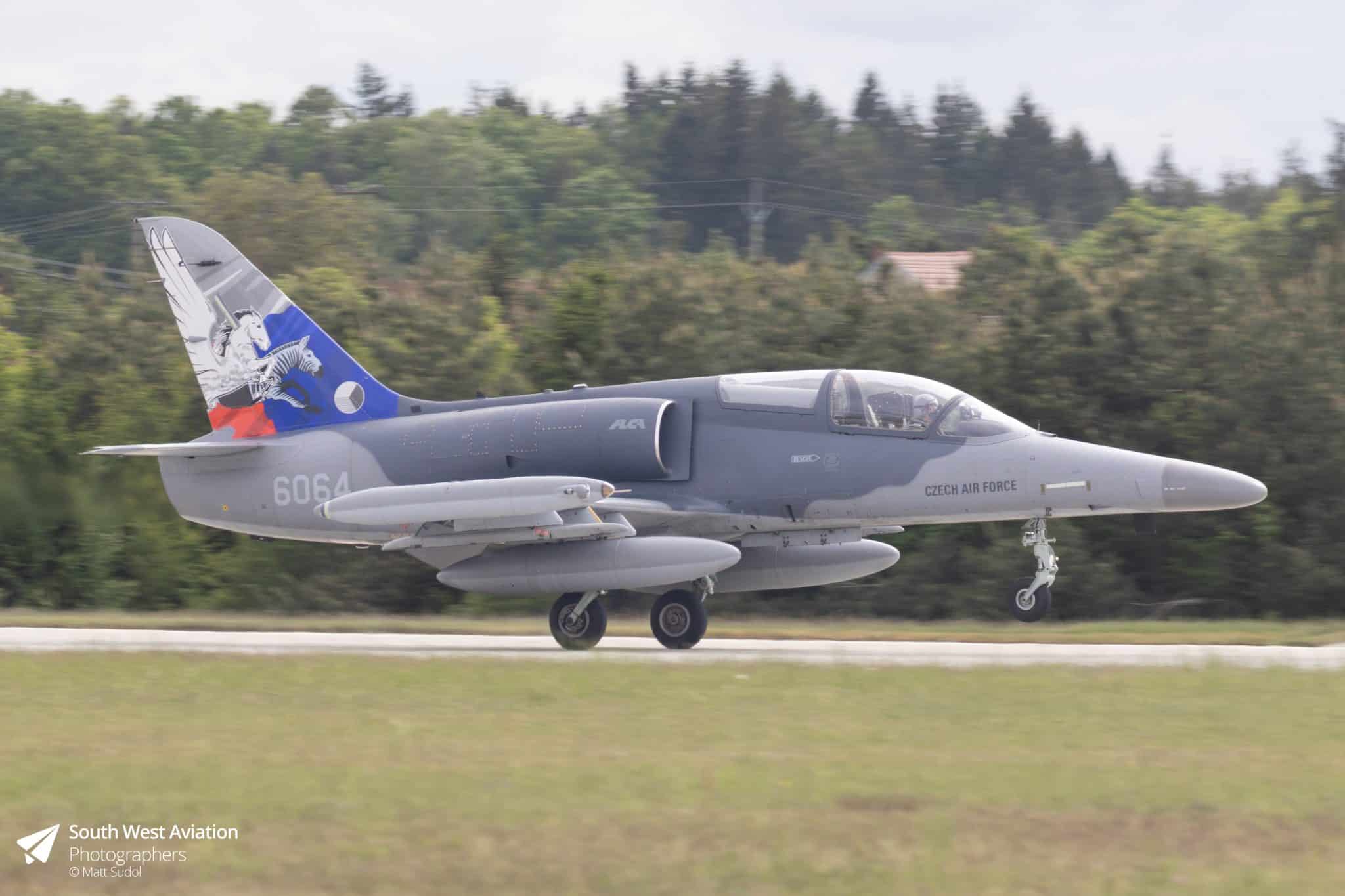
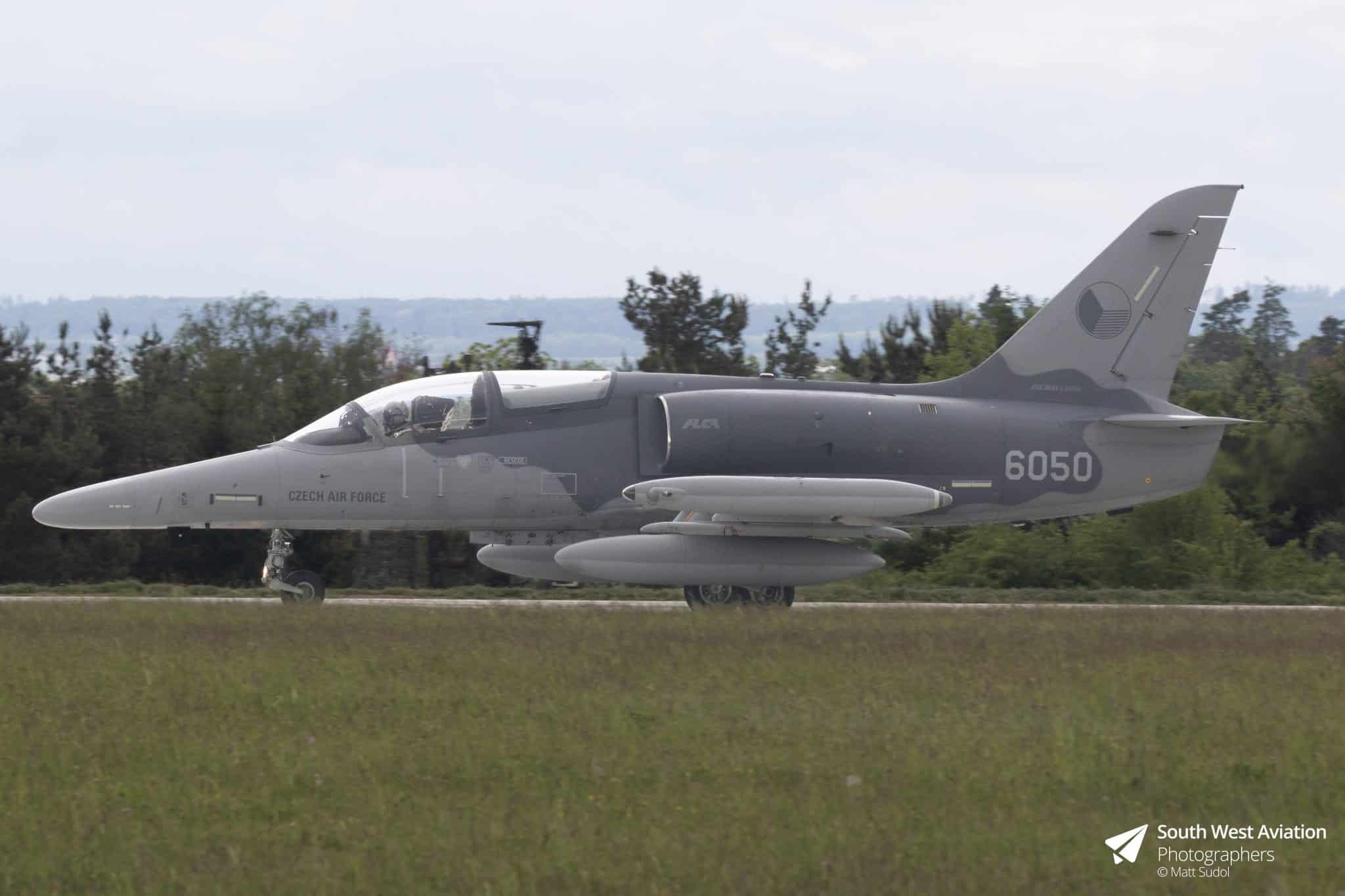
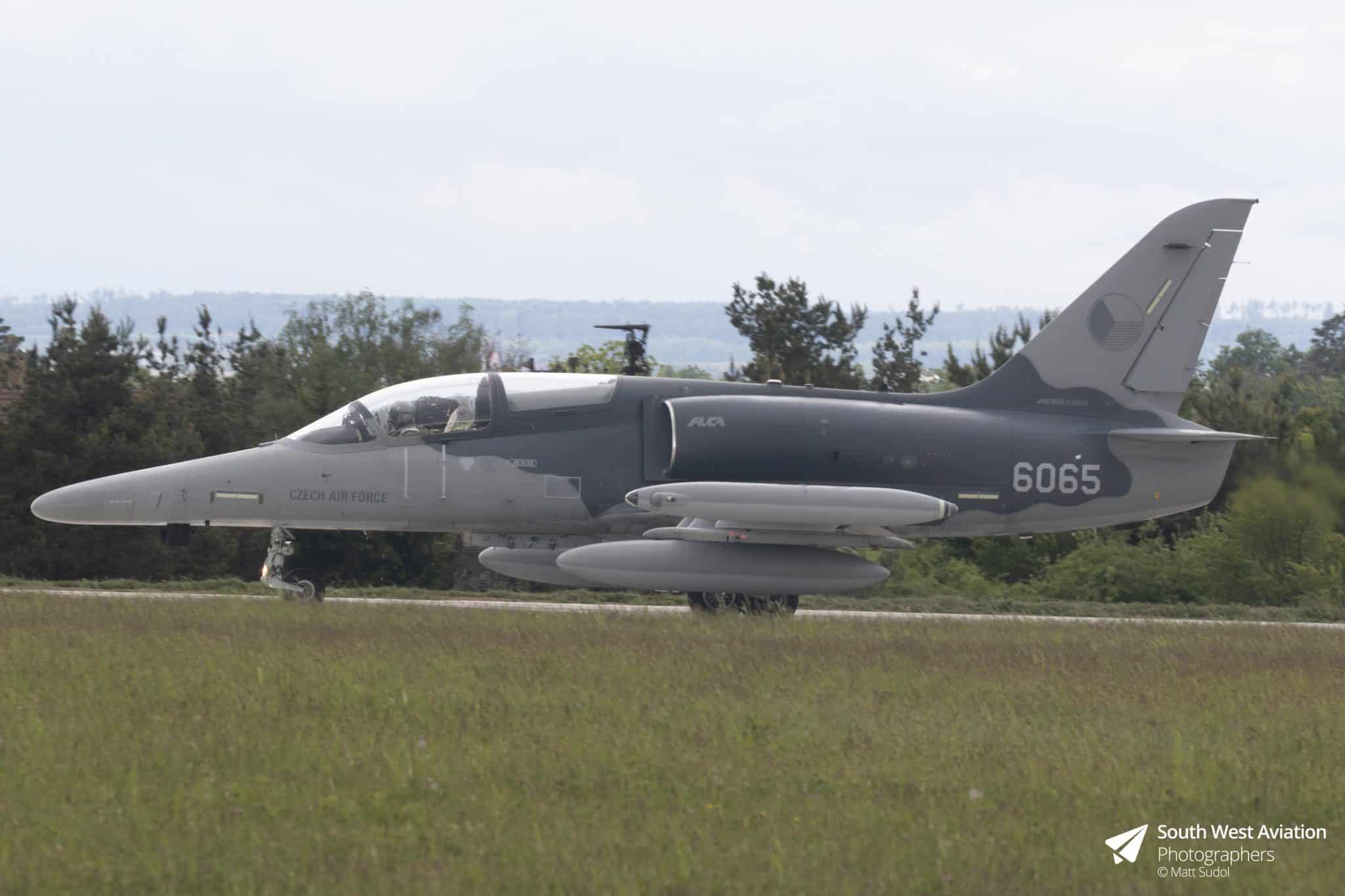
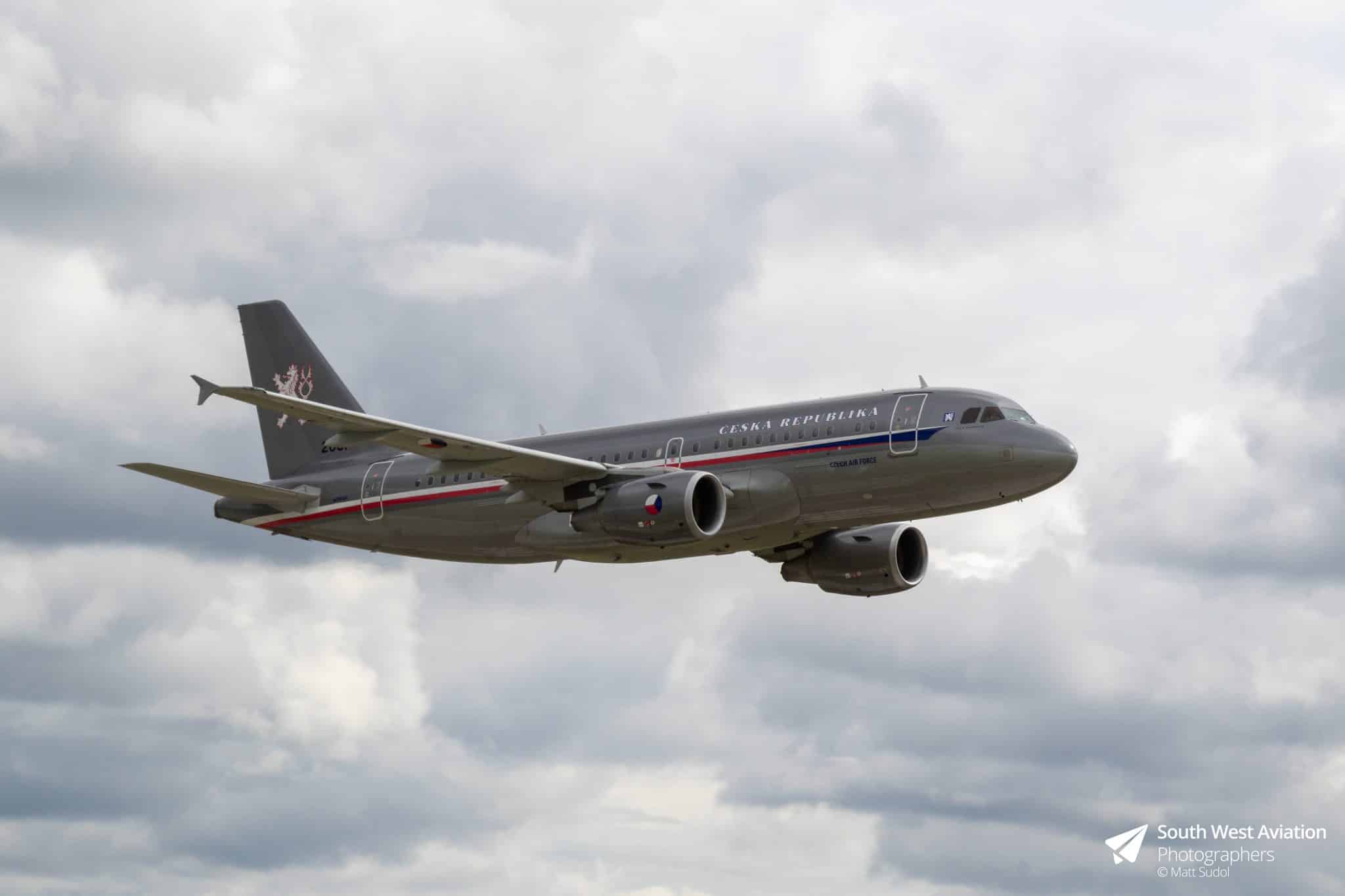
Continuing the training theme, three Aero L‑159T1 ALCAs performed formation passes, with the lead aircraft carrying a special tail marking commemorating 25 years of L‑159 service in the Czech Air Force. The flying display concluded with a fast, low pass by one of the two Airbus A319‑115 ACJs operated by 24. základna dopravního letectva at Prague‑Kbely.
South West Aviation Photographers would like to thank everyone at 22nd Helicopter Air Force Base for making this article possible,
Article by Matt Sudol
© South West Aviation Photographers 2026