
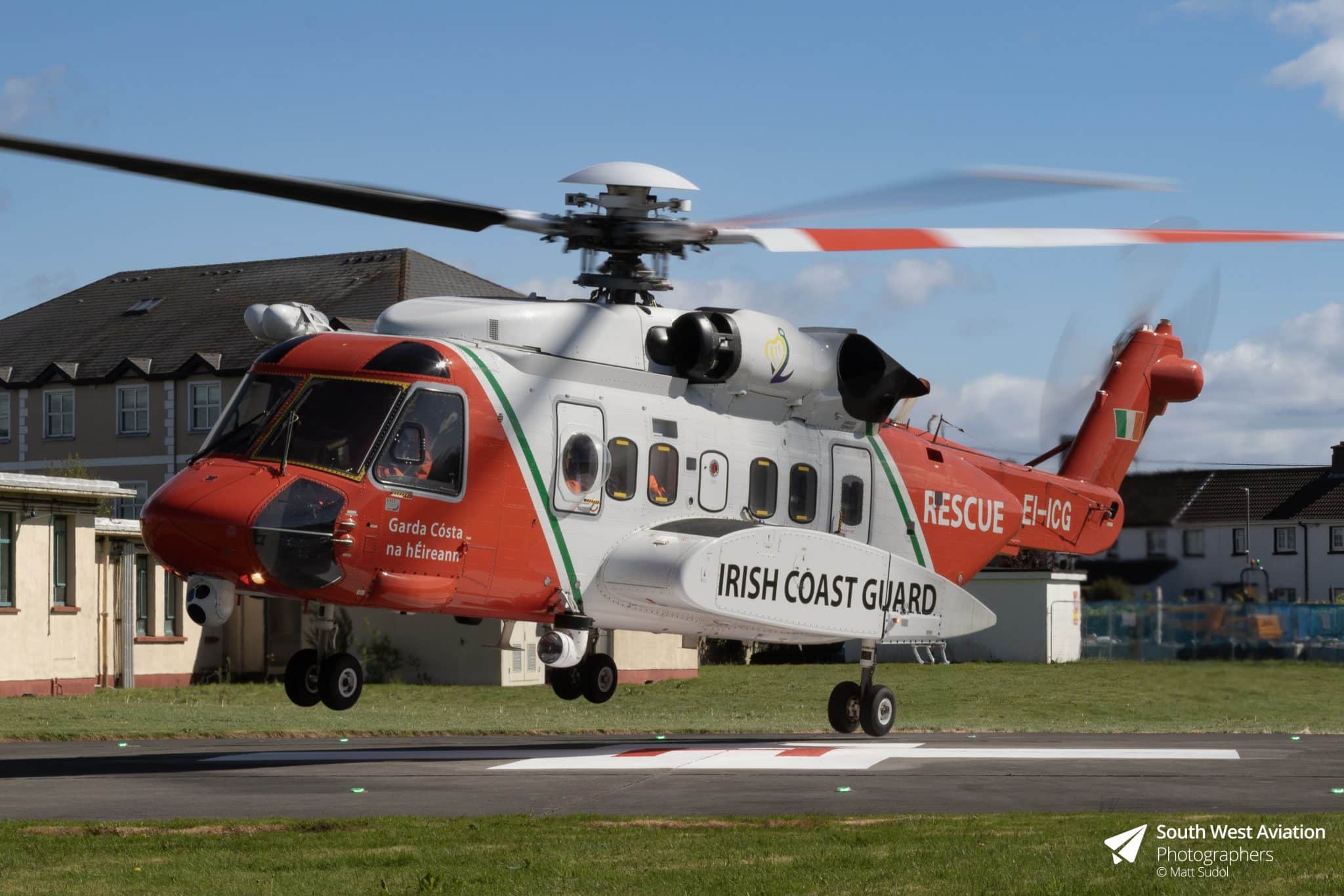
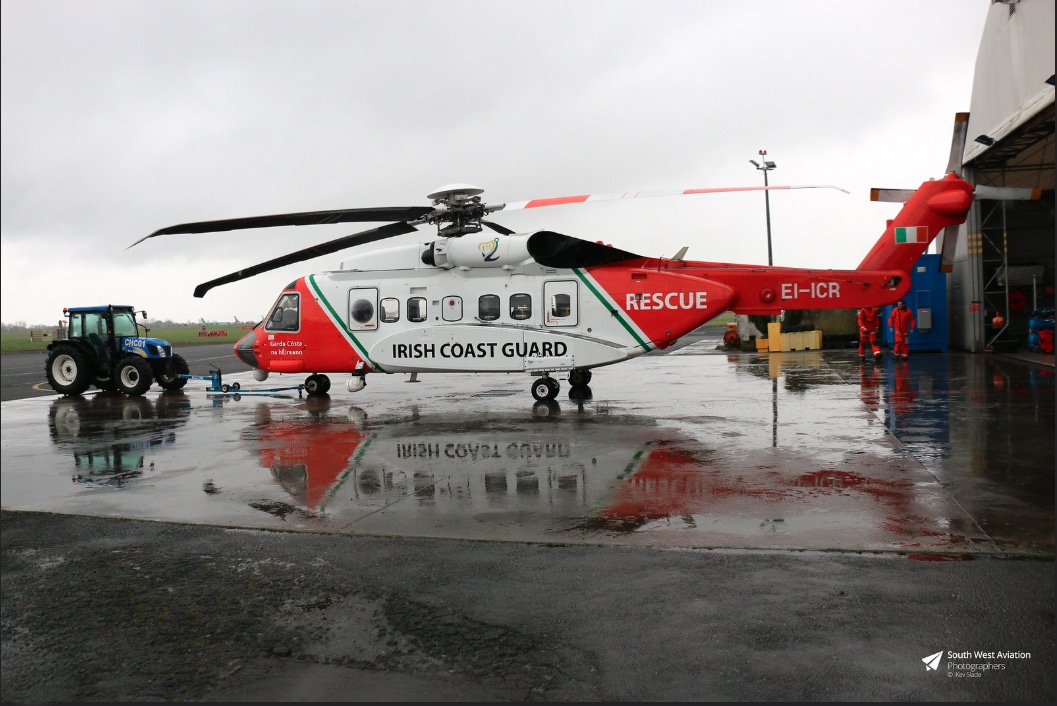
For the past 13 years Ireland’s Search and Rescue cover has been provided by a small fleet of five Sikorsky S-92As provided by CHC Ireland from four bases at Dublin, Waterford, Shannon and Sligo.
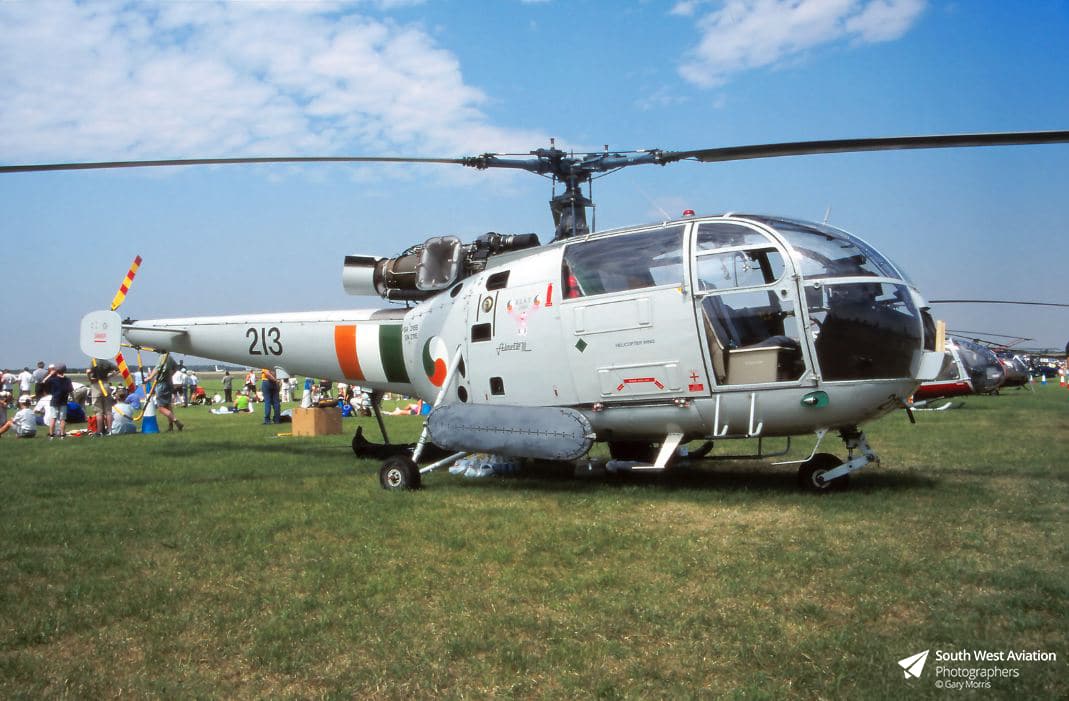
Search and Rescue (SAR) for Ireland finds its roots with the Irish Air Corps when, in 1963, three Aérospatiale SA.316C Alouette IIIs were delivered, with one of the capabilities of this multirole platform being Search and Rescue. However, the type was limited due to its single engine, along with reduced range and only being able to operate in daylight hours, so in 1988 the Irish Air Corps procured five Aérospatiale SA.365F Dauphin IIs, capable of flying at night in all weathers with a greater range and on scene time. In 1990 retired Garda Commissioner Eamonn Doherty headed up an enquiry into the country’s air-sea rescue service which included a number of recommendations, namely operating a dedicated medium lift helicopter in the SAR role, moving to regionalized bases rather than a centralized service operating out of Baldonnel-Casement aerodrome and putting it under the management of a new emergency service to be called ‘Slánú’, the Irish Marine Emergency Service within the Department of the Marine. In 2000 this was changed to the ‘Irish Coast Guard’, therefore creating the SAR service Ireland has today.
A fatal accident on the coastline at Tramore involving Dauphin 248 on the evening of 2nd July 1999 highlighted the operational challenges contributing to a wider review of resources, training and sustainability of the Irish Air Corps providing a 24-hour 365-day Search and Rescue service. The helicopter, callsign Rescue 111, had only just begun operating as part of Ireland’s first 24-hour search and rescue service from Waterford Airport the day before. That night, the crew successfully assisted in locating a pleasure boat lost in heavy fog off Helvick Head, but while returning to base worsening weather conditions made landing attempts back at Waterford extremely difficult. After two aborted approaches, the Dauphin crashed into the sand dunes behind Tramore beach shortly after midnight. The crew, Captain Dave O’Flaherty, Captain Mick Baker, Sergeant Pat Mooney and Corporal Niall Byrne were all killed in the accident. The tragedy deeply shocked the local community and the wider nation, marking a somber beginning to the expanded rescue service and leaving a lasting legacy of sacrifice in Ireland’s aviation and maritime rescue history.
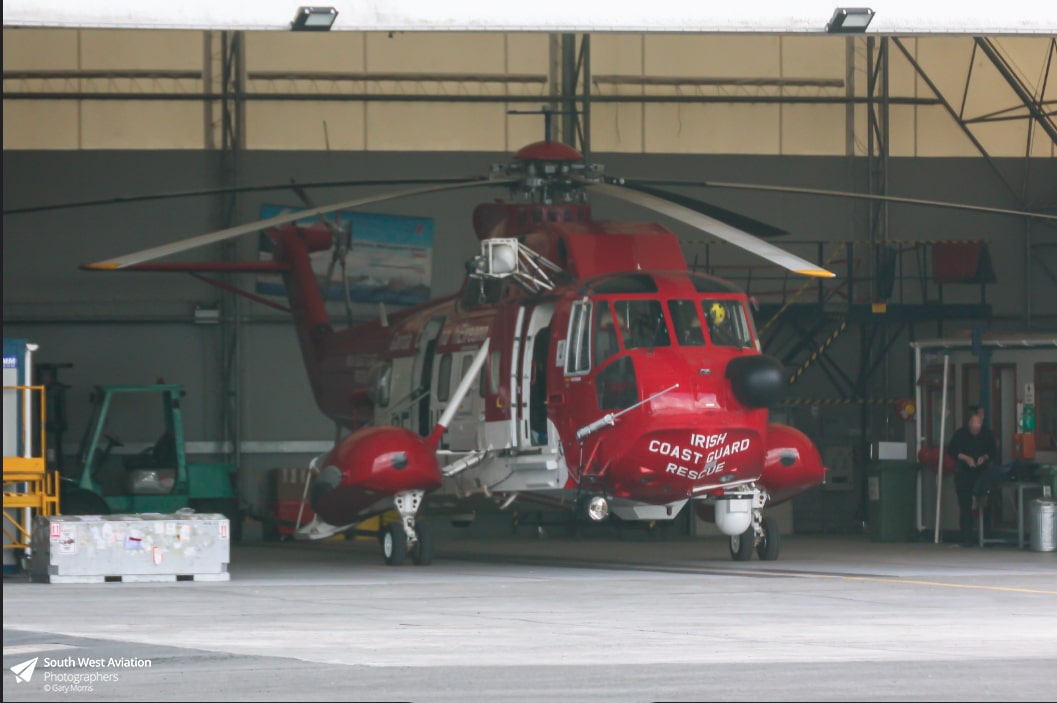
The first aircraft operated for a privatised SAR contract was the Sikorsky S-61N with Irish Helicopters, later Bond Helicopters, before finally being operated by CHC Ireland. Initially each of the four bases were operated independently but by 2002 CHC Ireland had won a nationwide contract to provide 24-hour SAR cover across the Republic of Ireland. The Sikorsky S-61Ns were in service in Ireland for 22 years, with the final flight taking place in December 2013 when EI-SAR transited from Dublin to Waterford. At the time of retirement EI-SAR was the highest timed Sikorsky S-61 still operational in the world. The Sikorsky S-92A was phased-in from December 2011 with all four bases transitioning over by January 2014. The airframes themselves were no stranger to search and rescue, having previously been ex-United Kingdom HM Coastguard aircraft operating for CHC Scotia Ltd from the Outer Hebrides, Scotland. Portland based HeliOperations provided a critical role to the Irish Coast Guard during the transition from the S-61N to the S-92A by providing experienced S-61N flight crews so that the fleet was kept operational whilst CHC Ireland concentrated on converting crews to the S-92A. Once the S-92A was in service HeliOps provided training captains for a period of three years allowing for the CHC Ireland crews to be mentored and build confidence in the S-92A by some of the finest rotary wing aviators in Europe.
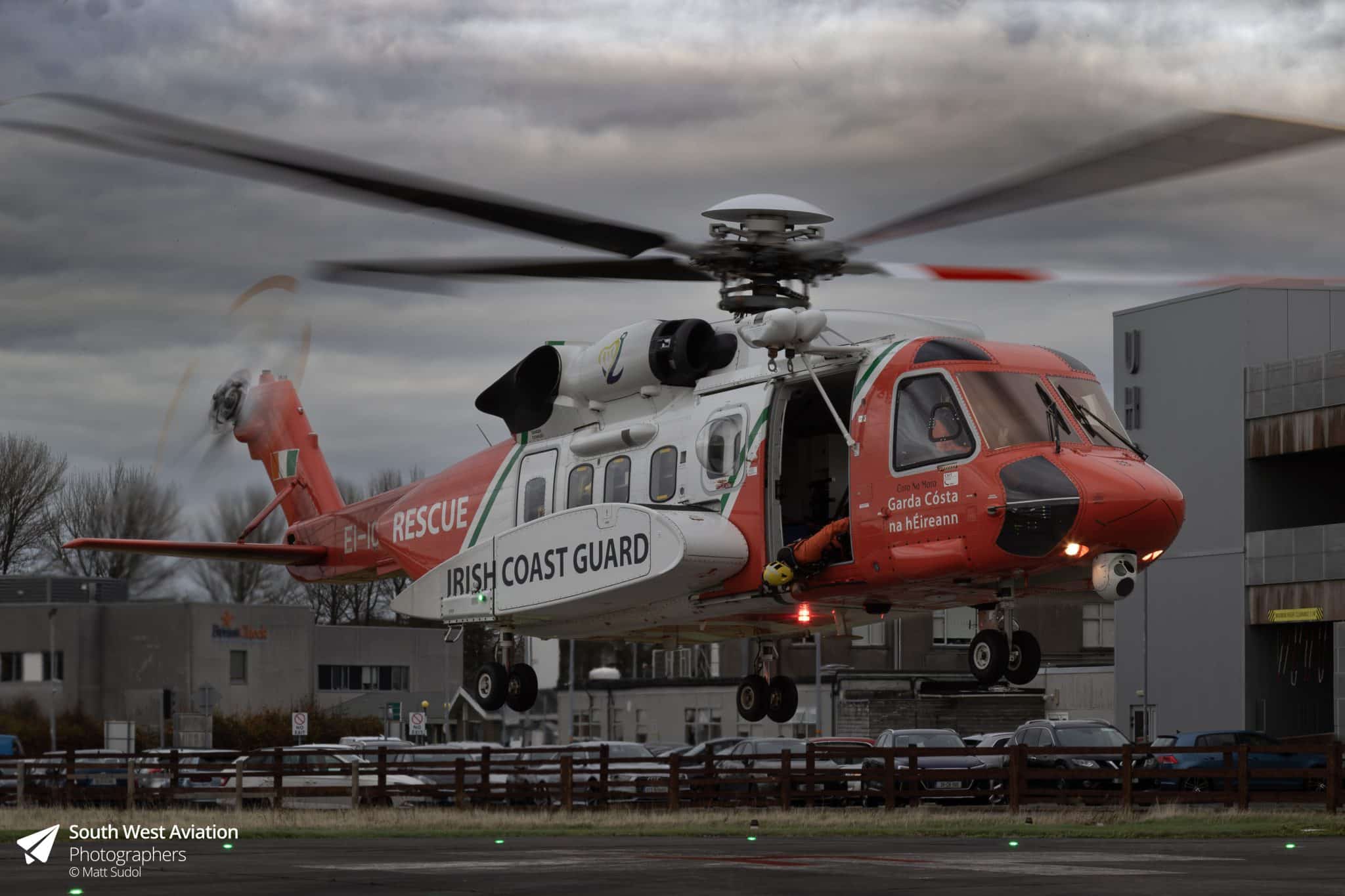
The S-92A first came to light in 1992 following the need for support from offshore energy suppliers who were starting to drill for oil further and further out to sea, initially with a plan for it being offered for sale the following year. Unfortunately, due to the decline of the international market for new-build helicopters, this was delayed until 1995. Sikorsky’s S-92 prototype first flew on 23rd December 1998. With an upgrade from aircraft Serial Number 920003 onwards saw an extension of 40cm being added to the fuselage with 104cm being reduced from the tail boom, along with the horizontal stabilizer being switched from the left side opposite the tail rotor to the right side at the base of the tail pylon. These modifications, especially the extension to the fuselage, allowed for a larger cabin door making it an ideal SAR platform. Type certification was granted by the United States of America Depart of Transportation Federal Aviation Administration on 19th December 2002 and by the European Aviation Safety Agency on the 8th of June 2004. Petroleum Helicopters International Inc were the launch customer, receiving their first airframe in late 2004. A grand total of 377 have been produced to date. Mission roles vary greatly, from search and rescue to offshore energy support and corporate VIP transport, as well as military and governmental VVIP transport operated around the globe by the likes of Bristow Helicopters, Flexjet, the Royal Canadian Air Force and even the United Stated Marine Corps.
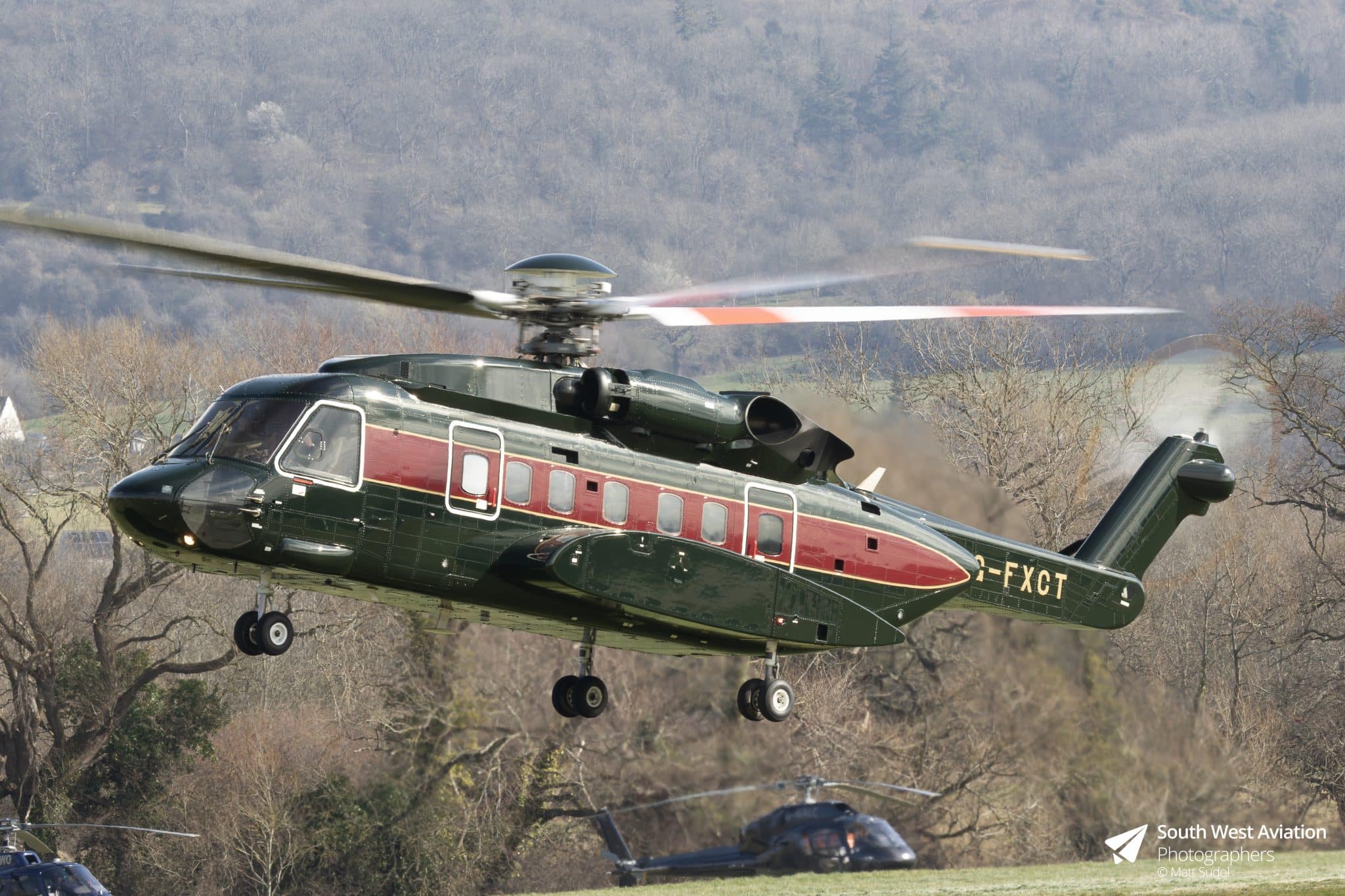
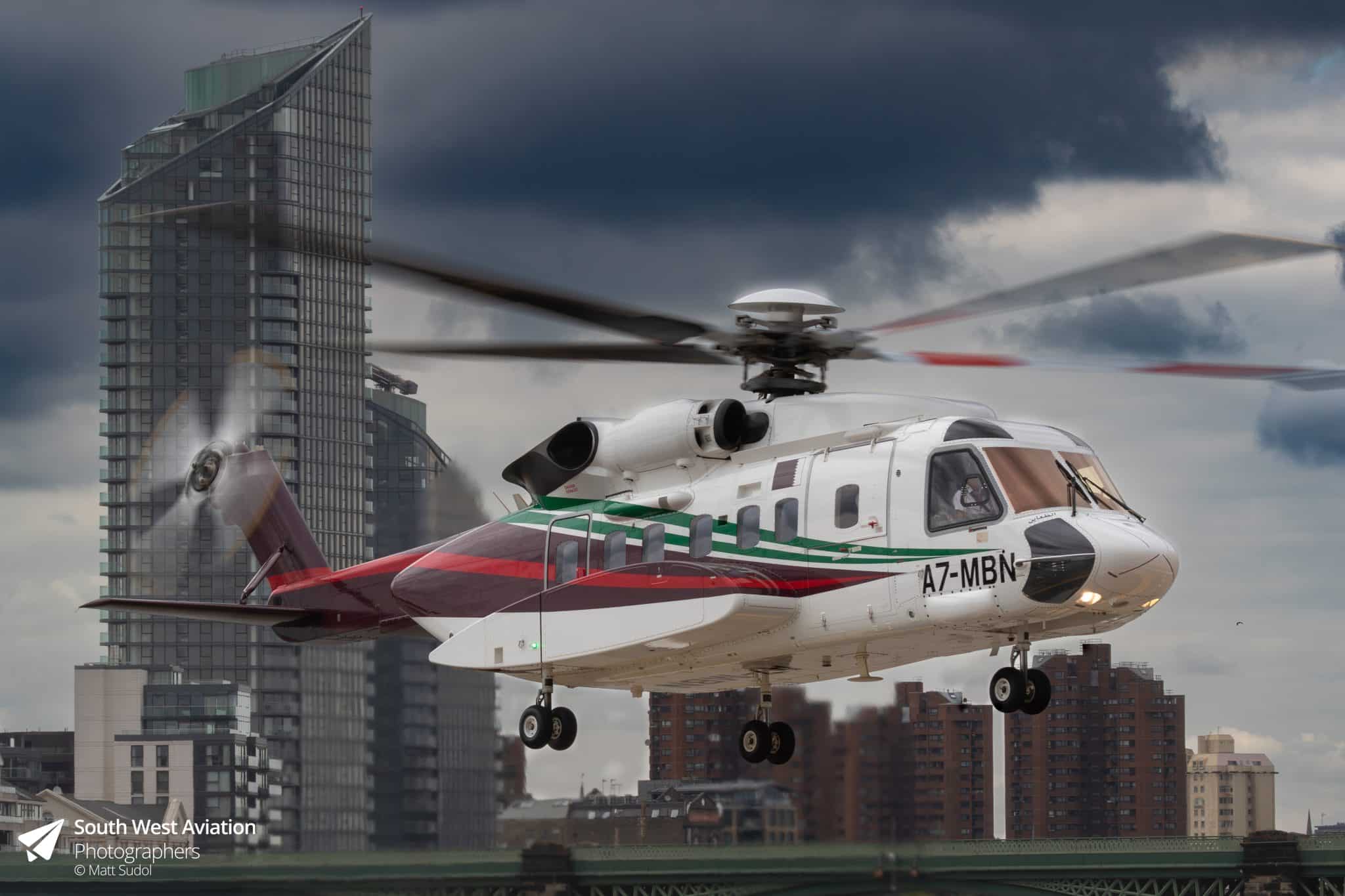
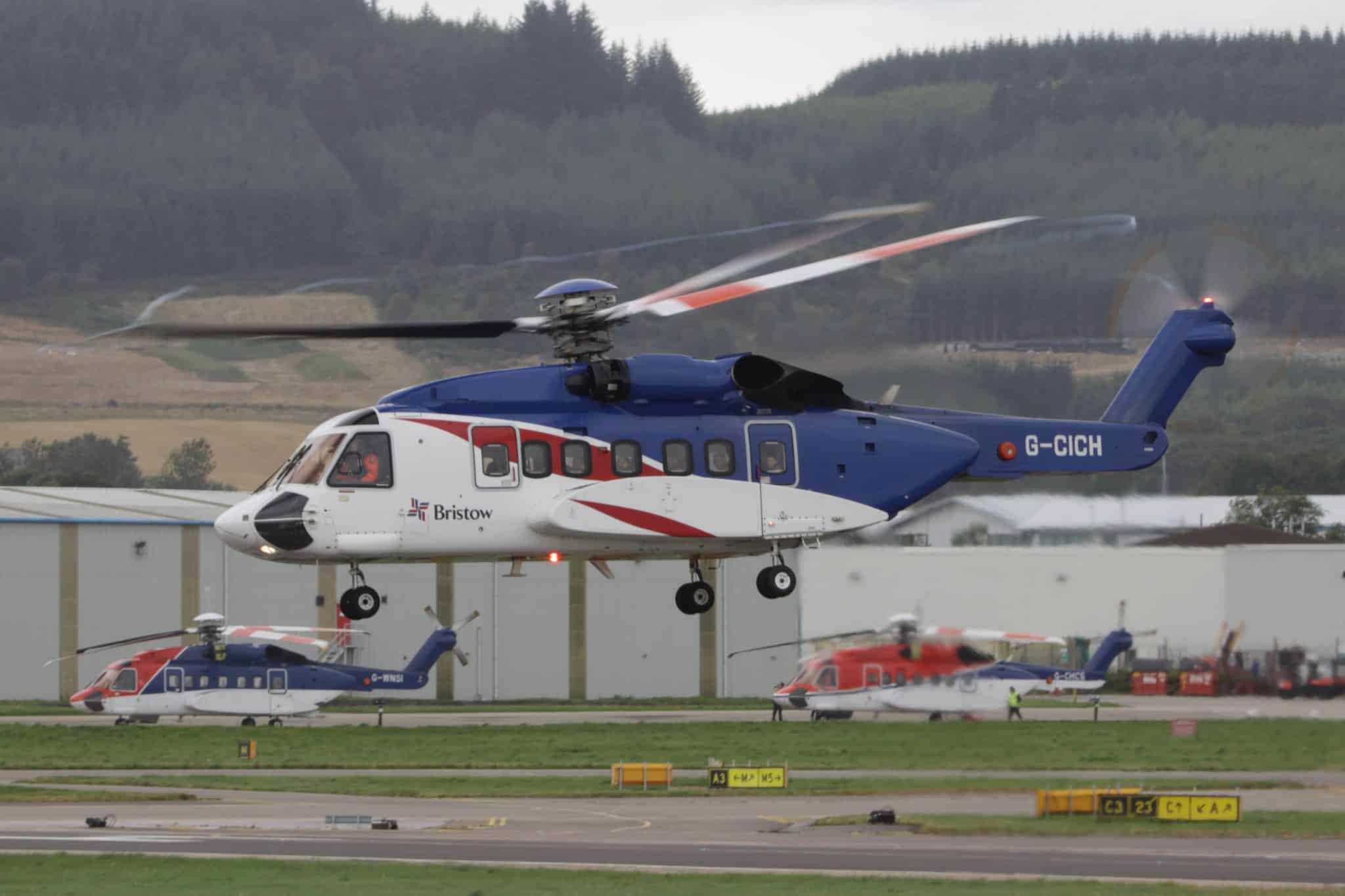
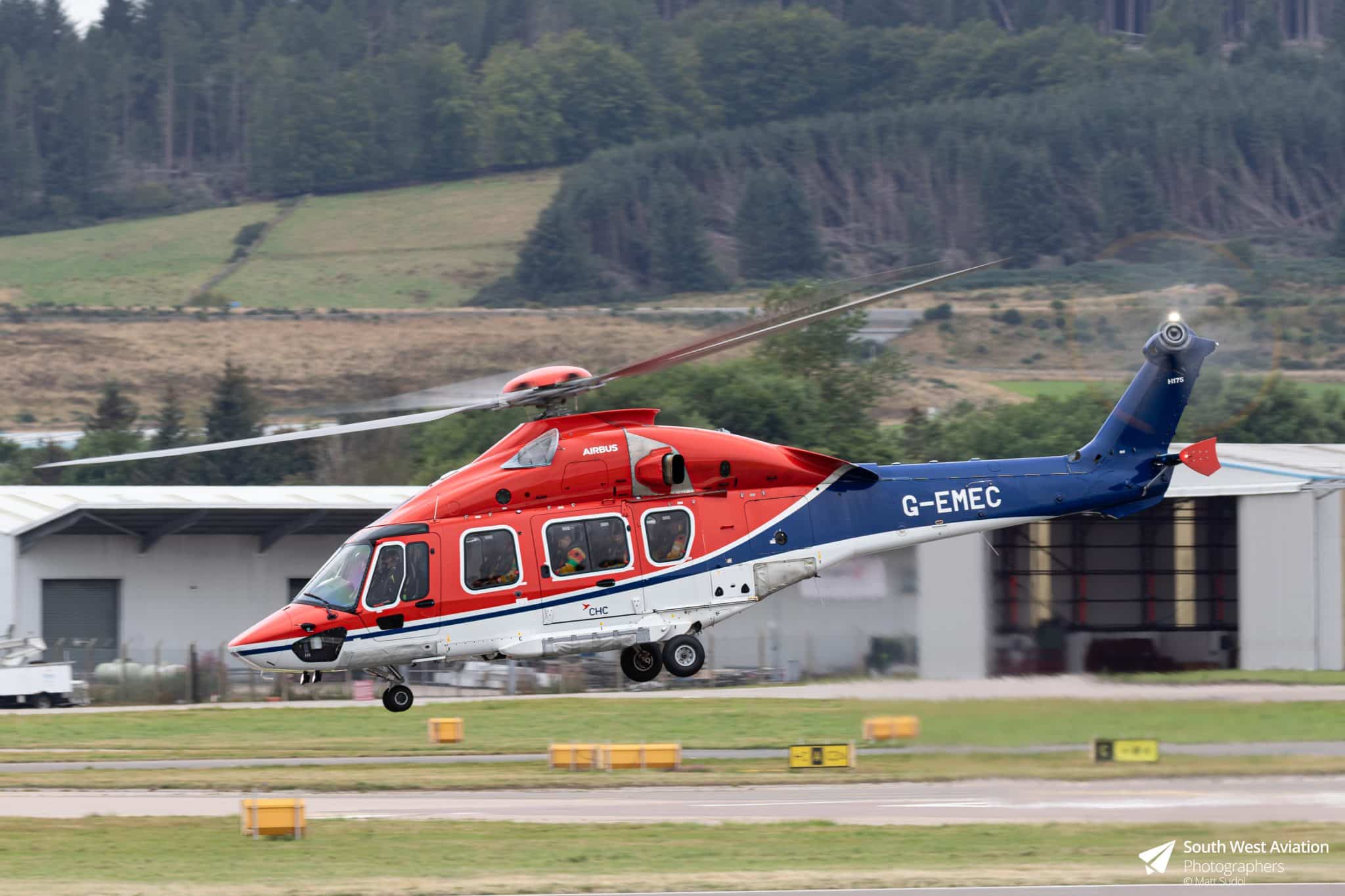
The origins of CHC Helicopters dates back to the end of the Second World War when three former Royal Canadian Air Force personnel set up the South Okanagan Flying Club, operating a small fleet of de Havilland DH.82 Tiger Moths in Penticton, British Columbia. However, work was very sparse so a relocation to Kelowna, British Columbia took place along with a rebranding to Okanagan Air Services Ltd and moving on to operate Cessna 140s. Shortly after, Carl Agar, one of the two founding pilots, started to investigate the potential of operating helicopters, in particular the Bell 47, the world’s first commercially certified helicopter. They received their first Bell 47-B3, CF-FZX, in August 1947, however shortly after the airframe was involved in a wire strike whilst carrying out crop dusting. As well as agricultural work Agar also gained notoriety for conducting topographical survey work on behalf of the Canadian Government. The 1950s saw Okanagan Helicopters Ltd as it was now known become the largest helicopter operator in North America, operating 51 Sikorsky S-55s in addition to its Bell 47s across Canada. During the 1960s the company continued to grow, gaining its first overseas contract in Pakistan operating a single Bell 47J. A dedicated international division was set up in the 1970s with almost a quarter of its revenue coming from overseas operations. A spree of acquisitions also took place during this time with Associated Helicopters, Bow Helicopters, Dominion-Pegasus Helicopters, Haida Helicopters, Lac Saint-Jean Aviation, Sept Illes Helicopter services and Universal Helicopters all being scooped up whilst expanding its fleet to operate airframes such as the Bell 204, Bell 212, Sikorsky S-58T, S-62 and S-76. The late 1980s saw the birth of a new era where external investors in the form of Canadian Holding Company or CHC for short bought out Okanagan Helicopters as well as industry rivals Viking Helicopters and Toronto Helicopters. CHC were no stranger to the helicopter industry as CHC’s top man, Craig Dobbin, already owned Sealand Helicopters. All four companies were merged into Canadian Helicopters, with a plan to increase their workload in South America. For the next two decades CHC as they were now known by were buying up multiple other operators including British International, Helicopter Services Group of Norway, Helikopter Service AS, Lloyd Helicopters of Australia, Court Helicopters of South Africa and Schreiner Aviation Group. More recent years has seen some financial difficulty including a Chapter 11 bankruptcy in 2016 due to the decrease in the price of oil having negatively impacted revenue. CHC presently have Aérospatiale AS332L Super Pumas, Airbus H175s, AgustaWestland AW139s and AW189s, Bell 412s and Sikorsky S-76C+s, as well as Sikorsky S-92As operating in he USA, Canada, Mexico, Brazil, Ireland, United Kingdom, Netherlands, Norway, Poland and Australia in offshore energy support, search and rescue, emergency medical services and utility roles.
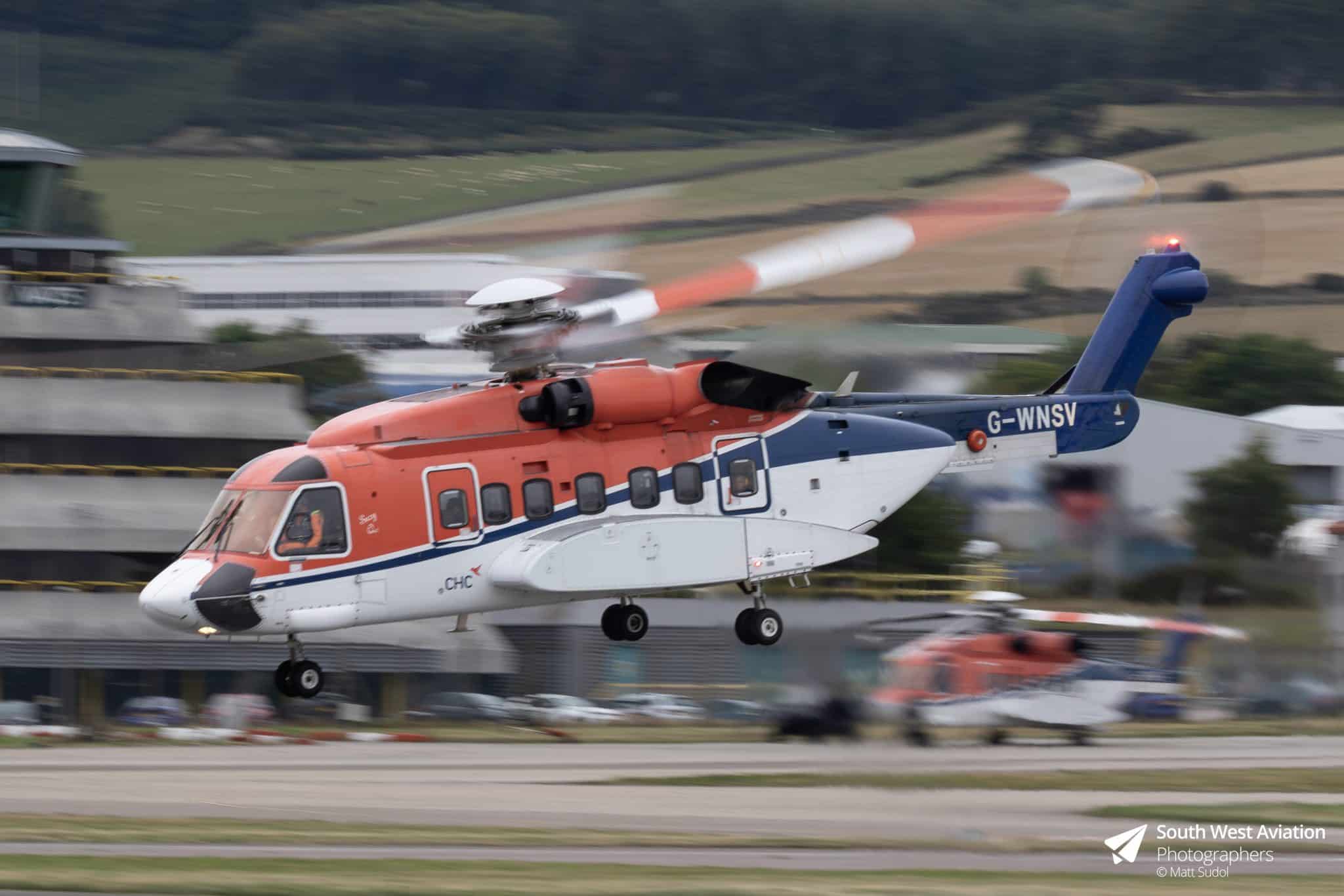
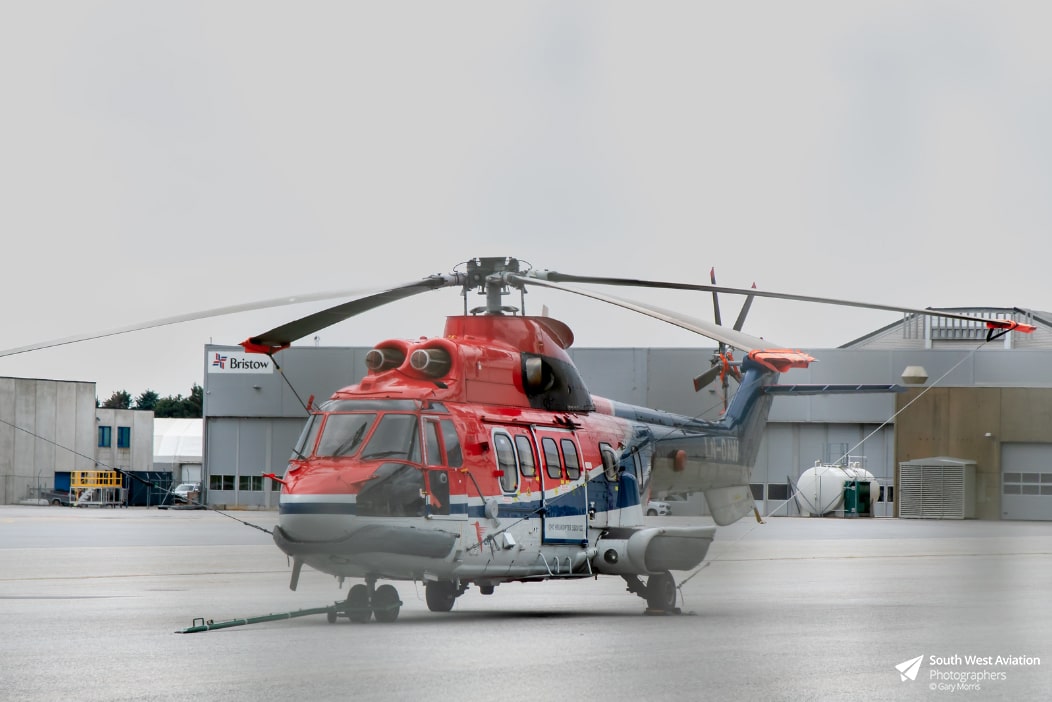
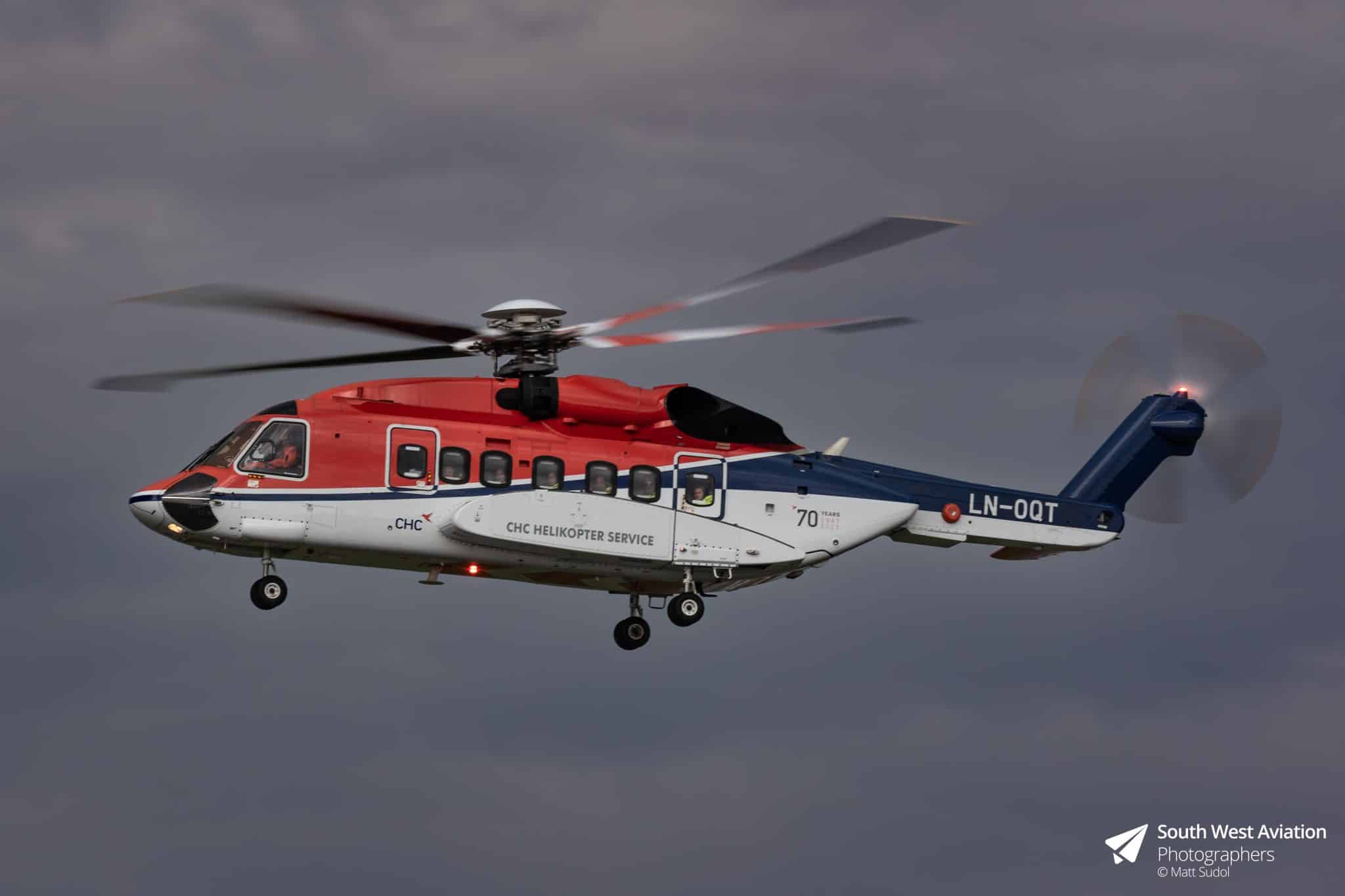
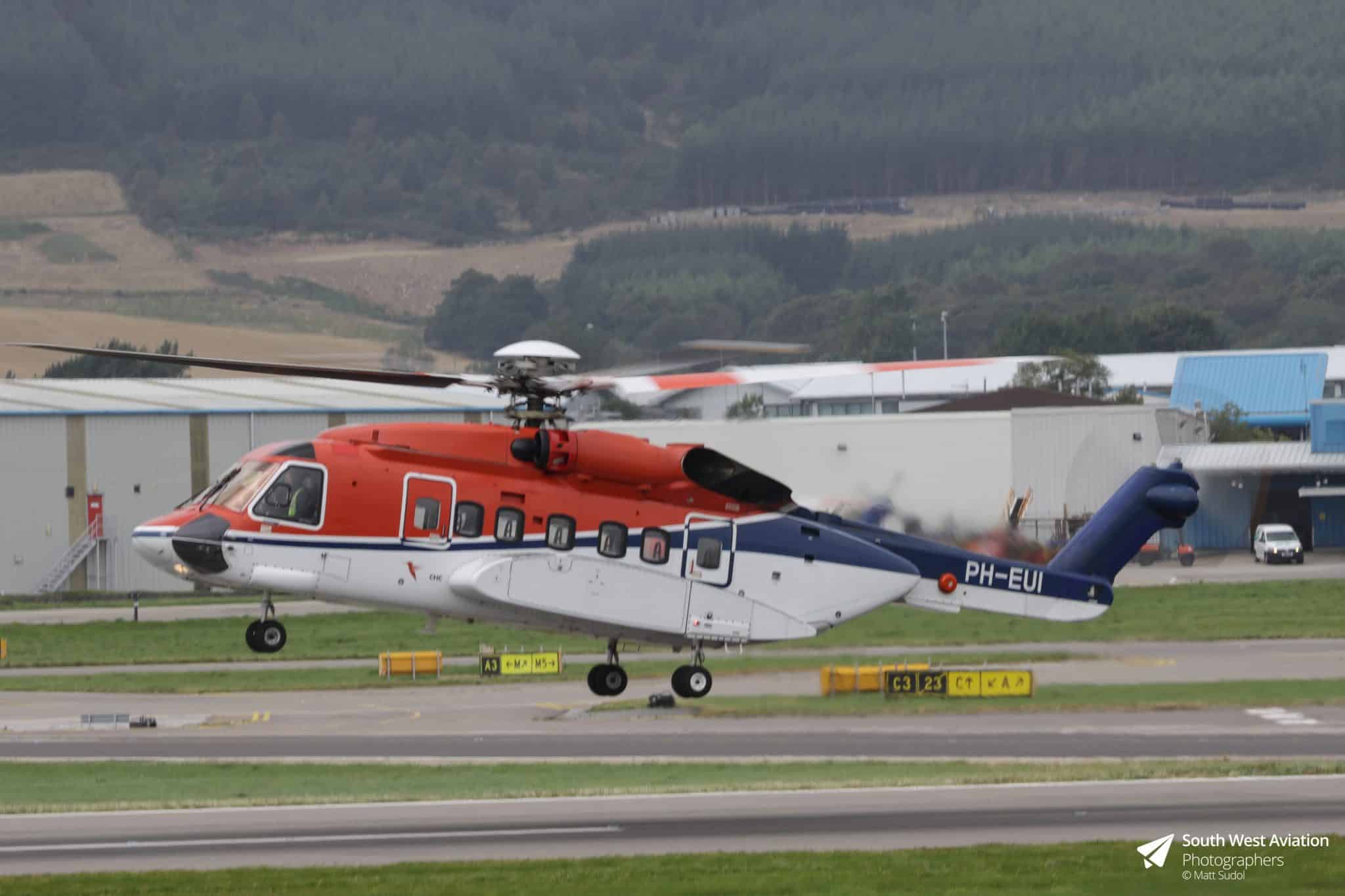
The Irish Sikorsky S-92As are true multirole aircraft with their crews responding to distress calls at sea, on cliffs, islands and remote areas, performing winch recoveries in severe weather, high seas and low‑visibility conditions and conducting long‑range searches using advanced sensors and night‑vision systems. Secondary roles include Medical Evacuation, transporting critically ill or injured patients from islands or remote terrain to hospitals, time critical inter hospital transfers and supporting the Feidhmeannacht na Seirbhíse Sláinte (Health Service Executive, Ireland) during major incidents or when air ambulance capacity is exceeded. The helicopters can also be tasked with assisting in pollution response, maritime incident monitoring and coordination with naval and fisheries patrols and providing aerial overwatch during major maritime emergencies. One quite unique role that the CHC Ireland Sikorsky S-92A’s have carried out is transferring under slung loads such as generators and pumps up to a weight of 3,620kgs, a role not routinely carried out by the United Kingdom’s Coastguard S-92A operated by Bristow Helicopters.
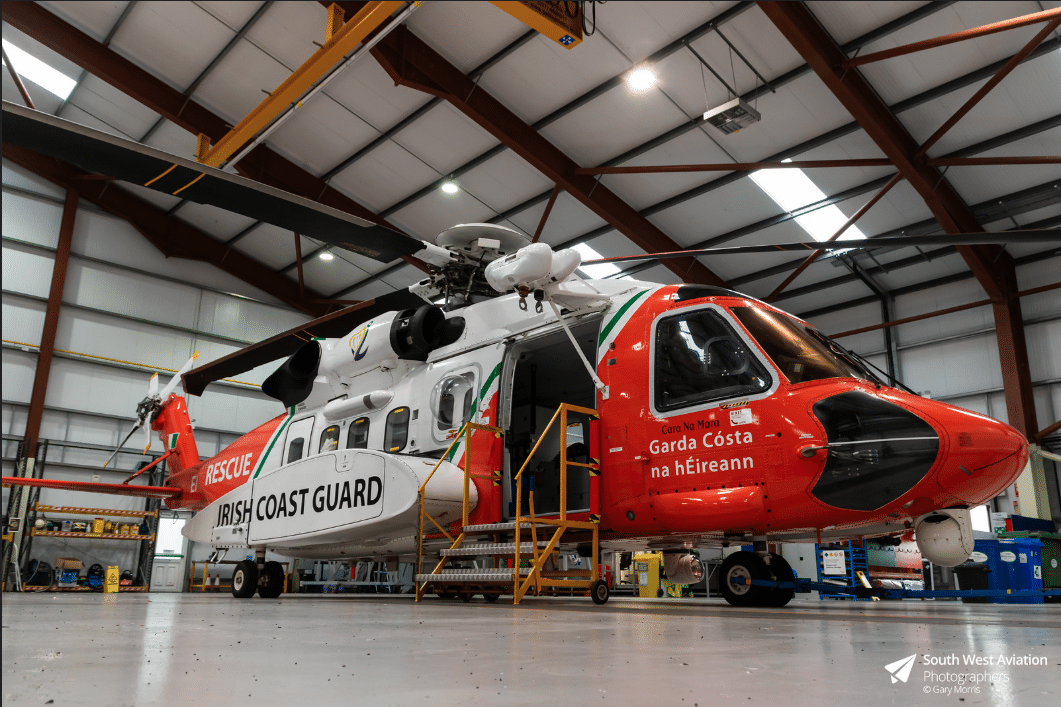
The crew of four comprises of an Aircraft Commander, Co-Pilot, Winchman/Paramedic and Winch Operator. Crews come from a mixture of both military and civilian flying backgrounds. Pilots must hold a valid European Union Aviation Safety Agency Commercial Pilots License (Helicopter) with instrument rating and at least 1,000 hours flight time. The Aircraft Commander is in overall responsibility of the crew and the mission. They have the final say on navigation, fuel and safety as well as leading the co-ordination with the Irish Coastguard Marine Rescue Co-Ordination Centres. The Co-Pilot assists with the flying duties, navigation, radio, and systems management whilst in the cabin the Winch Operator/Paramedic manages the hoist system, directing the pilot when in the hover during the rescue as well as during take-off and landing by using a standard set of phrases and distances known as conning. The Winchman/Paramedic is trained to Advanced Paramedic standard and must be registered with the health service; they are also the individual that is lowered down to the incident/patient and leads the patient’s care, the Winchman/Paramedic will also operate the FLIR Systems Star SAFIRE, Forward Looking Infra-Red Camera system. One role that goes very much under the radar are the base engineers. Each shift at the four bases will have two dedicated engineers able to carry out the day-to-day preventative maintenance as well as general housekeeping such as refueling the aircraft post sortie and towing the aircraft out of the hangar prior to flight, most importantly though these two engineers are trained ready to respond to defects or faults that arise during the shift.
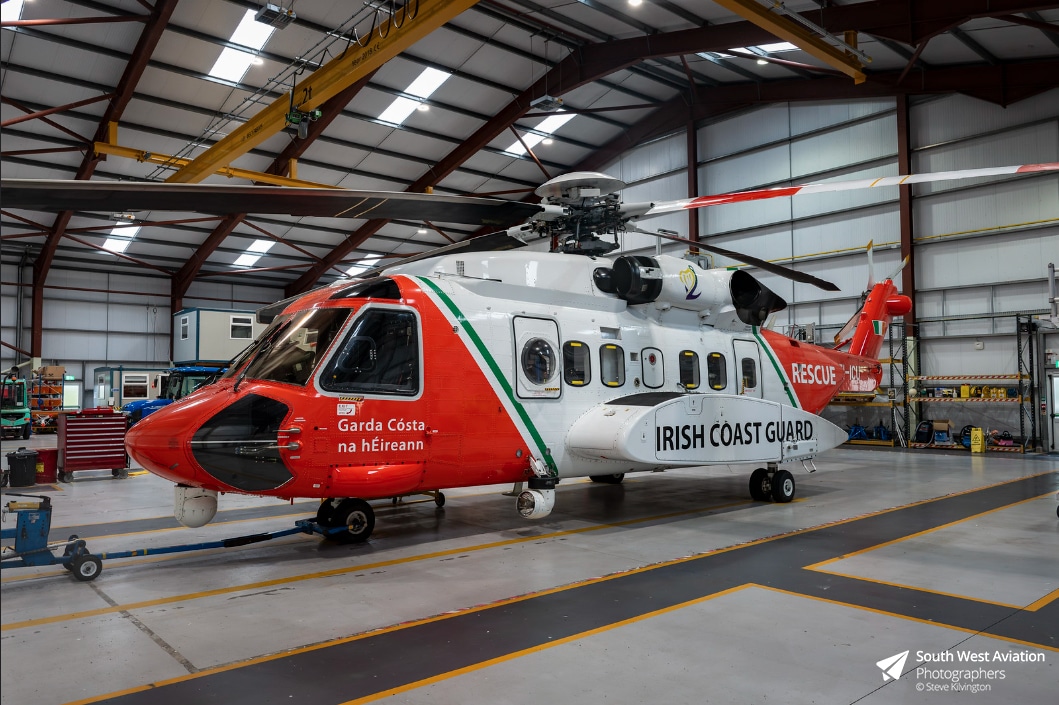
The selection process is fierce and openings into the Irish Coastguard SAR helicopter crews are few. The process begins with submitting a CV, followed by a fitness test, which includes deadlifting 1.5 times your body weight three times, press ups, sits ups, a run followed by a 50-meter swim in the pool without goggles. If successful at the first two stages the next stage is for candidates to attended the National Maritime College of Ireland in Cork where, in a purpose-built pool, they are able to replicate storm force conditions and go through Helicopter Underwater Egress Training in the infamous ‘dunker’ which simulates a helicopter crashing in water and the crew needing to be able escape the aircraft. The complete process is overseen by current senior members of the Irish Coastguard SAR helicopter community who know exactly what they are looking for in potential candidates. Training doesn’t stop once individuals join a base; continual professional development is crucial for all crew members and if not on a live mission crews will spend time training, both keeping aviation skills such as instrument approach qualifications or technical skills such as winching onto moving lifeboats as well as the ever advancing critical care skills that the rear crew need to keep familiar with.
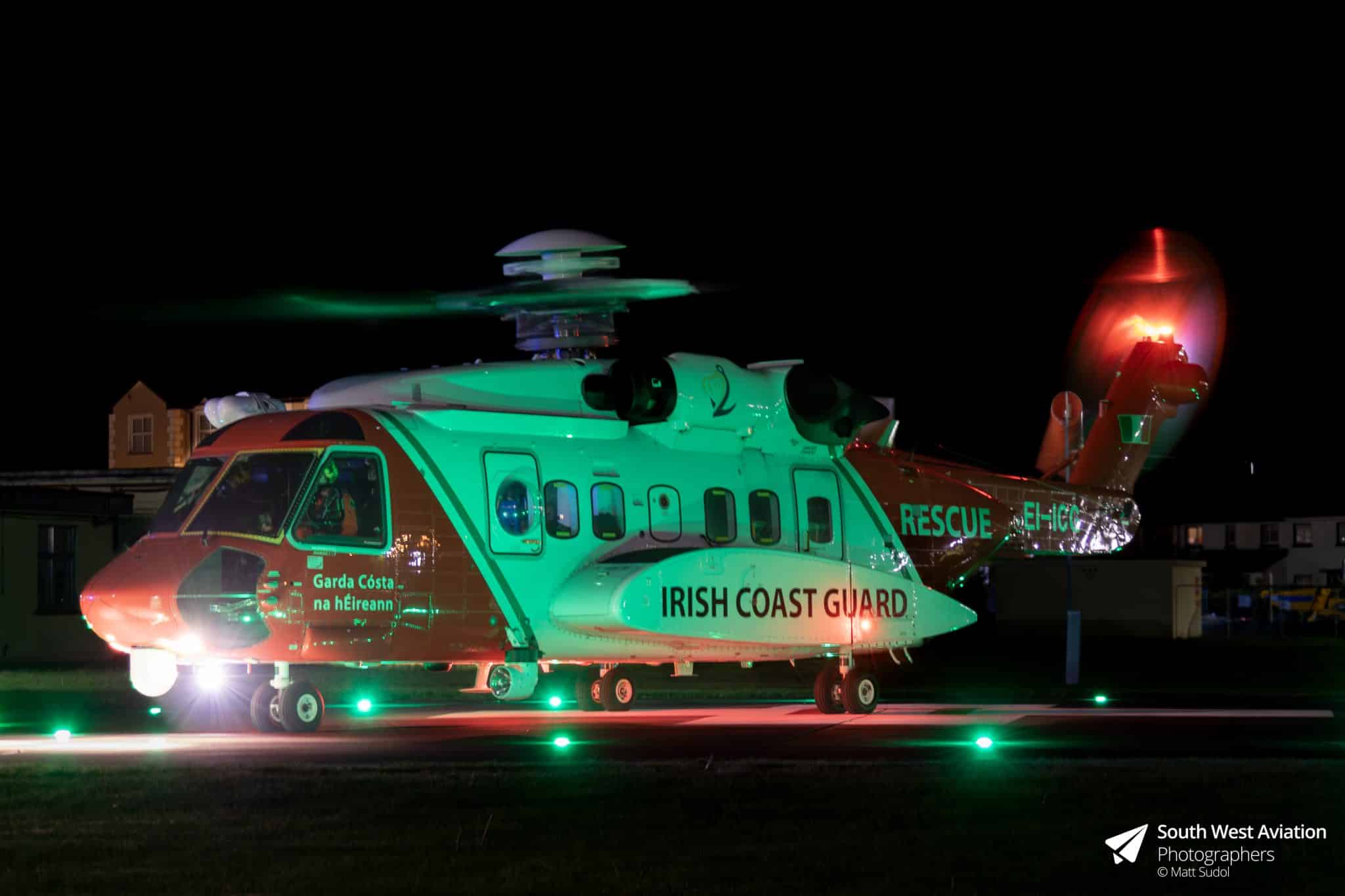
In the early hours of 14th March 2017, Rescue 116 was providing top cover for another helicopter, Rescue 118, which had been tasked with airlifting an injured fisherman from a vessel far offshore. Approaching Blacksod, County Mayo for refuelling, the crew flew at low altitude in poor weather and failed to detect Blackrock Island until it was too late. Despite last-second evasive manoeuvres the aircraft collided with the island, rendering it uncontrollable and sending it into the sea. The crash claimed the lives of Captain Dara Fitzpatrick, Captain Mark Duffy, winch operator Paul Ormsby, and winchman Ciarán Smith. Subsequent investigations revealed that navigational issues and missing obstacle data in the helicopter’s flight management system were major contributory factors, alongside shortcomings in risk management and oversight by the operator, CHC Ireland. The incident prompted a nationwide outpouring of grief with annual tributes honoring the four crew members taking place each year at Blacksod lighthouse.
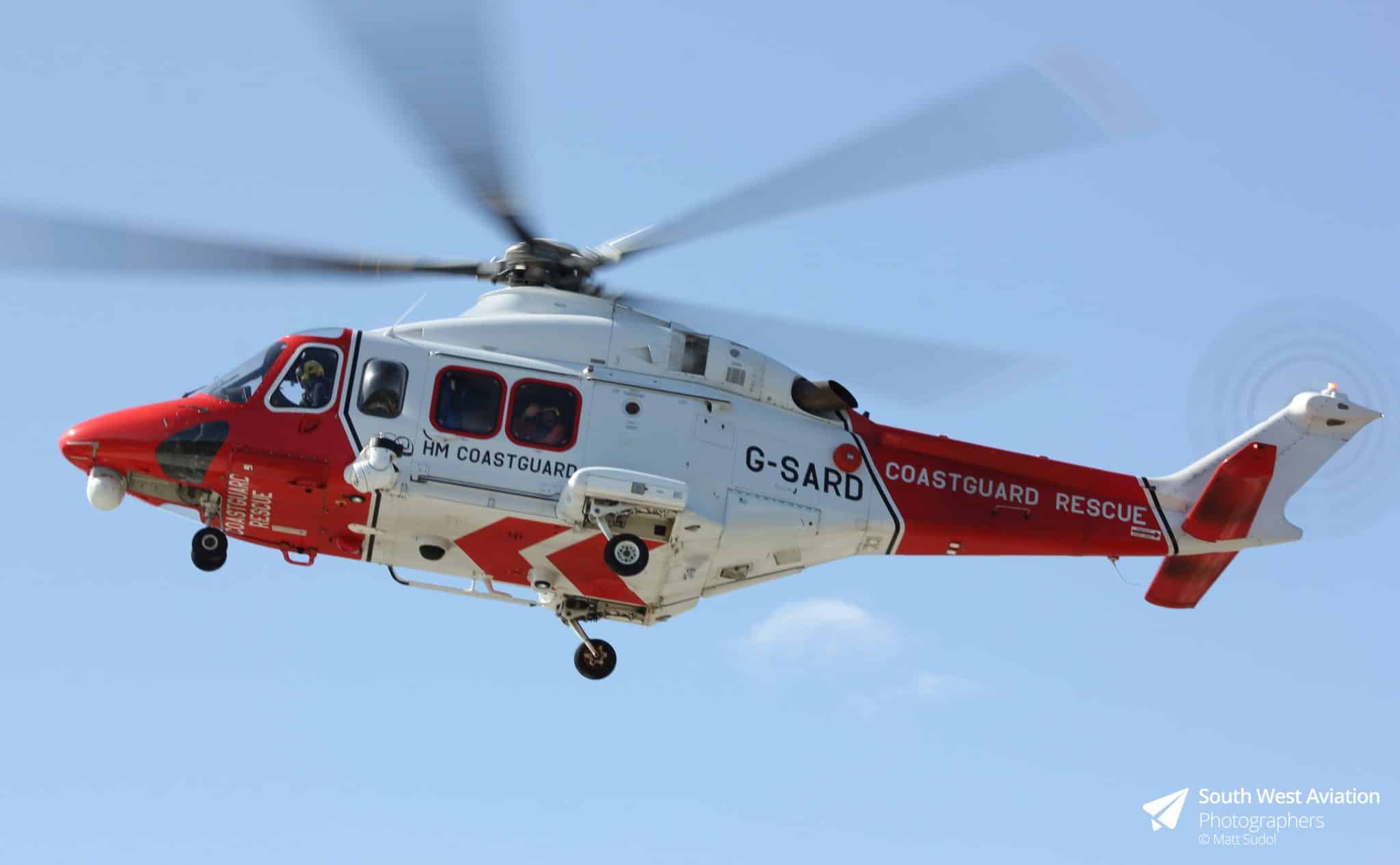
In 2023 the Irish Government’s Department of Transport signed a deal with Bristow Group to supply Search and Rescue services for 10 years’ worth 800 million Euros. Bristow opted for the proven AgustaWestland AW189 as the rotary wing asset and for the first time since civilian SAR has taken place in Ireland a provision has been made for a fixed wing aircraft able to provide top cover and initial search capability to the Irish Coast Guard. The fixed wing assets were sub-contracted to 2Excel Aviation who provide a similar role to the United Kingdom’s Coast Guard using two Beech B200 King Airs. The awarding of this contract was not without controversy, however. CHC Ireland legally challenged the Irish Government’s decision to award Bristow Group the contract stating that public procurement law was not followed, this automatically triggered the suspension of the newly awarded contract which was then overturned by the Minister of Transport who was then overturned on appeal. CHC Ireland then launched further proceedings the following year stating that the modifications to the contract were unlawful but in 2025 these were all struck out by consent and the contract was awarded to Bristow Group.
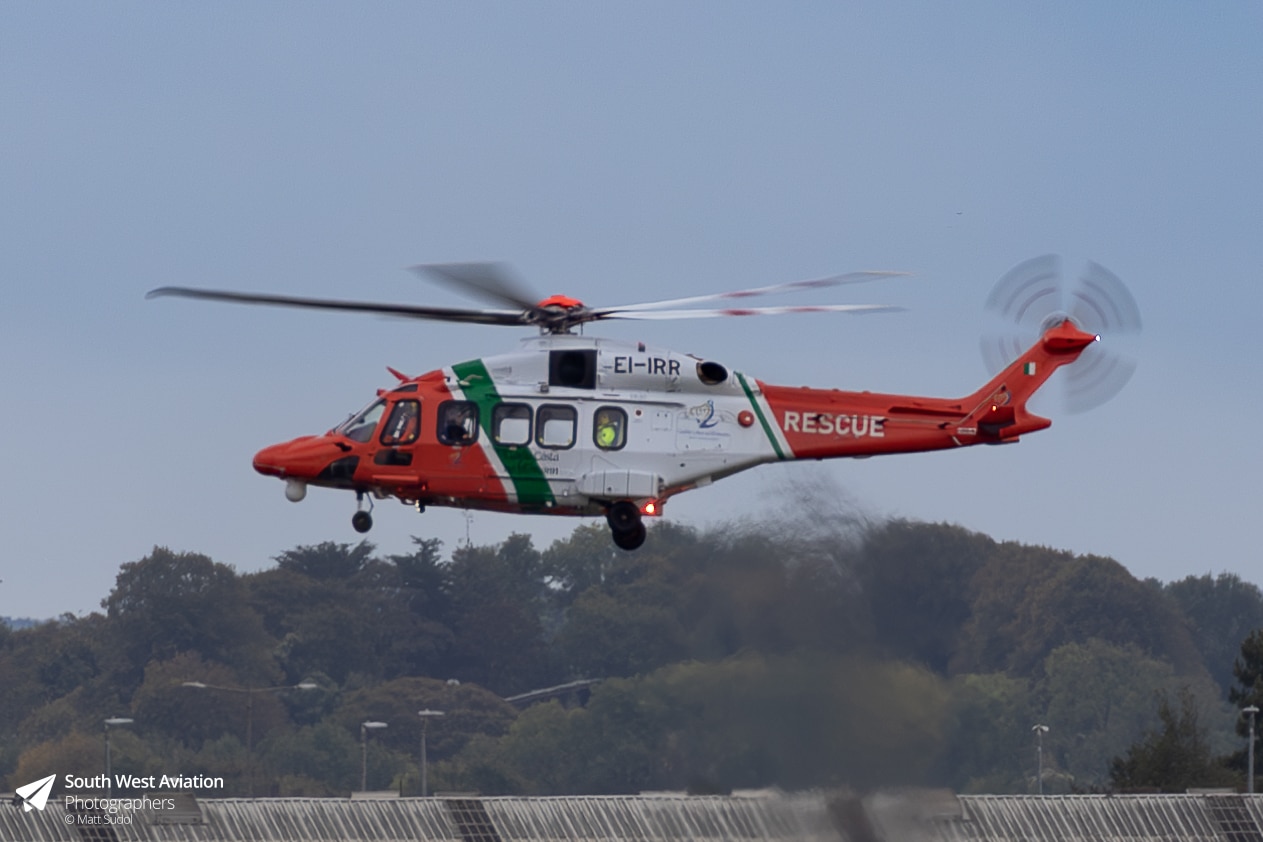
The AgustaWestland 189 first flew in December 2011 having been unveiled seven months earlier at the Paris Air Show, entering service with Bristow in 2014 as one of two launch customers, the other being Gulf Helicopters. Capable of carrying 14 passengers with a range of 1,043kms the AgustaWestland 189 has a proven track record in Bristow hands in the SAR role with Great Britain and Northern Ireland, the Falkland Islands and the Netherlands all choosing this winning combination. The Beech B200 King Air is a twin-turboprop aircraft renowned for its versatility, reliability, and enduring legacy in both civilian and military aviation. Introduced in 1981 as an evolution of the Model 200, the B200 features upgraded Pratt & Whitney PT6A-41 engines, a distinctive T-tail and enhanced avionics that support a wide range of missions, from executive transport to aerial surveillance. Its increased wingspan and fuel capacity allow for extended range and improved performance over its predecessors, while its pressurised cabin and rugged airframe make it a favourite for operations in challenging environments. With thousands in service globally, the B200 remains a cornerstone of the King Air family, embodying a design philosophy that blends technical excellence with operational flexibility. Providing a 24-hour capability utilizing advanced sensor suites and communication systems, the King Air enhances domain awareness, allowing crews to detect pollution, track vessels, and improve safety oversight before emergencies escalate. The introduction of the AgustaWestland 189, has not been without its challenges though, from delays in training and gaining the required authorisations from the Irish Aviation Authority to being initially unable to conduct Medical Evacuation flights and not being able provide 24-hour coverage through to personnel issues which saw trade union involvement. Rescue 115 went online from Shannon with the AgustaWestland 189 in December 2024, Rescue 120 the Beech B200 King Air in the neighboring hangar was next online in May 2025. Rescue 116 ceased operating from Dublin Airport with the Sikorsky S-92A and started operating from Weston airfield in June 2025 with the AgustaWestland 189. Sligo-based Rescue 118 were next to transition in December 2025, and on the 31st of January 2026 Rescue 117 based at Waterford concluded 13 years of operations for the Sikorsky S-92A in Ireland and nearly 40 years of service by Sikorsky airframes operating on behalf of the Irish Coast Guard.
It’s fair to say there is some skepticism whether the AW189 is a suitable replacement for the Sikorsky S-92A, even though it already has a proven track record in the United Kingdom, the Netherlands and the Falkland Islands but only time will tell. What is certain though is the S-92A leaves Irish Coast Guard service with a legacy written in storms weathered, lives lifted from danger and trust earned mission after mission. Its departure marks the end of an era. One defined by courage, reliability and an aircraft that never faltered when Ireland needed it most
Chun go mairfidh daoine eile
Article by Matt Sudol, Kev Slade, Gary Morris and Steve Kilvington
© South West Aviation Photographers 2026