
Aer Lingus’ 90th anniversary is not only a celebration of Irish aviation history but also a tribute to the airline’s earliest international connection: Bristol, United Kingdom. On 27 May 1936, Aer Lingus launched its very first commercial service from Baldonnel Aerodrome to Bristol using the de Havilland DH.84 Dragon, known as Iolar — a modest twin‑engine biplane carrying just five passengers and a bundle of newspapers. This pioneering flight marked the beginning of a relationship between Ireland and the West of England that has endured for nine decades.
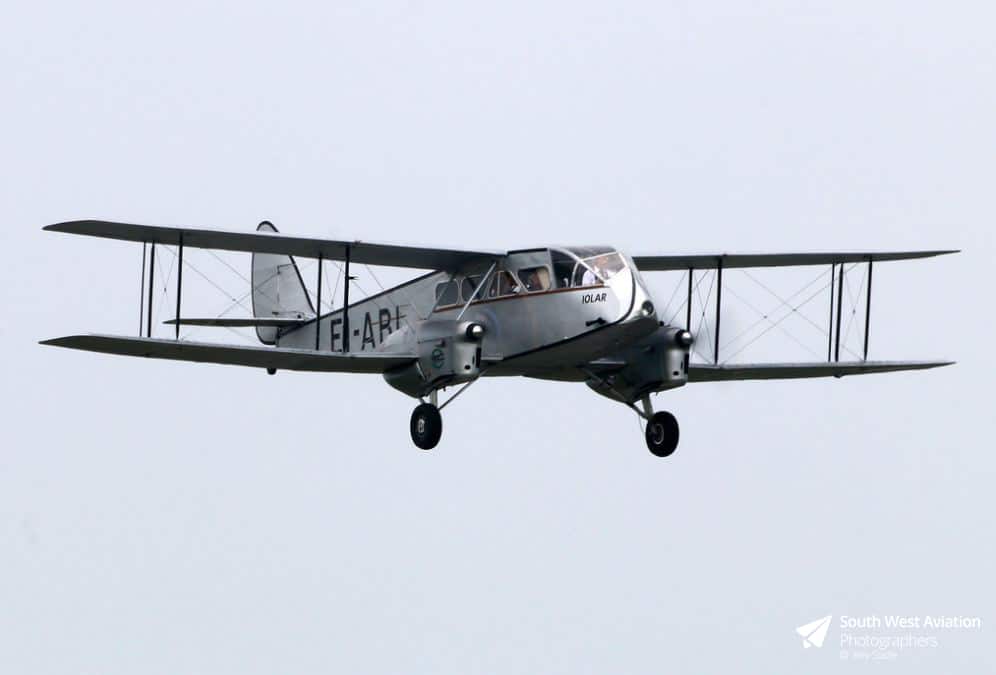
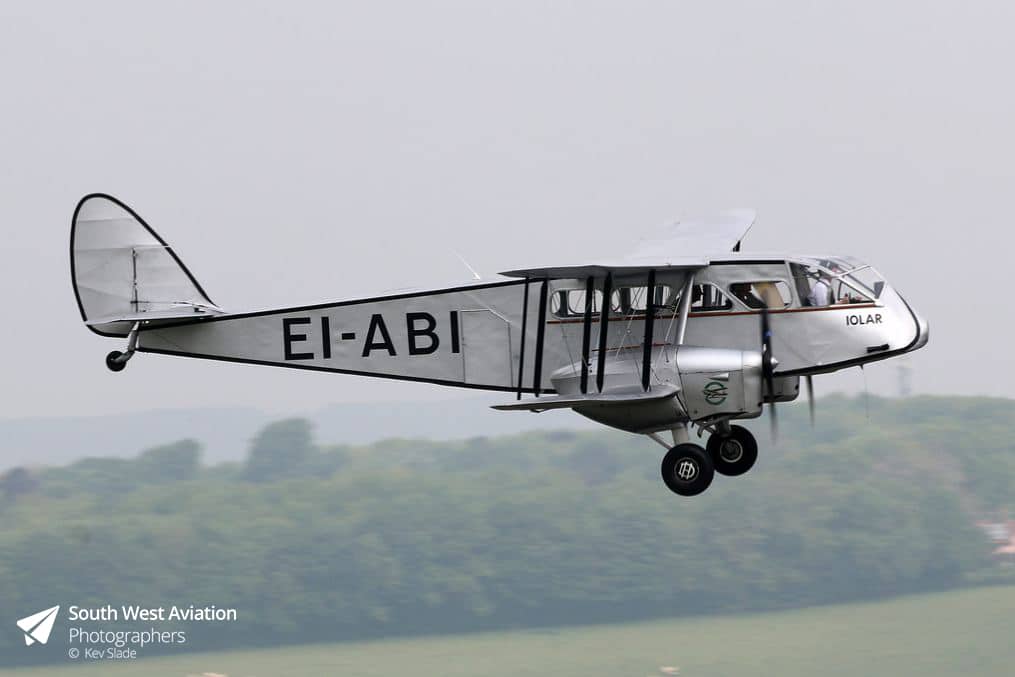
From that single aircraft and single route, Aer Lingus began expanding its fleet through the late 1930s and 1940s. After the DH.84 Dragon, the airline operated larger de Havilland types such as the DH.86 Express, helping to strengthen early cross‑channel links. By the post‑war period, Aer Lingus had transitioned to more capable aircraft including the Douglas DC‑3, which became the backbone of many European airlines during the 1940s and 1950s. These aircraft enabled more reliable and frequent services, including the increasingly important Dublin–Bristol connection.
The arrival of the Vickers Viscount in the 1950s marked Aer Lingus’ entry into the turboprop era. With its pressurized cabin and improved speed, the Viscount modernized regional travel and helped the airline expand its UK network. During the same period, Aer Lingus also operated the Aviation Traders ATL‑98 Carvair, a distinctive aircraft capable of carrying both passengers and vehicles. Former Aer Lingus air hostess Rosemary Collins, who served on the Carvair in the 1960s, was among those who welcomed the restored Iolar back to Bristol during the 90th anniversary celebrations.
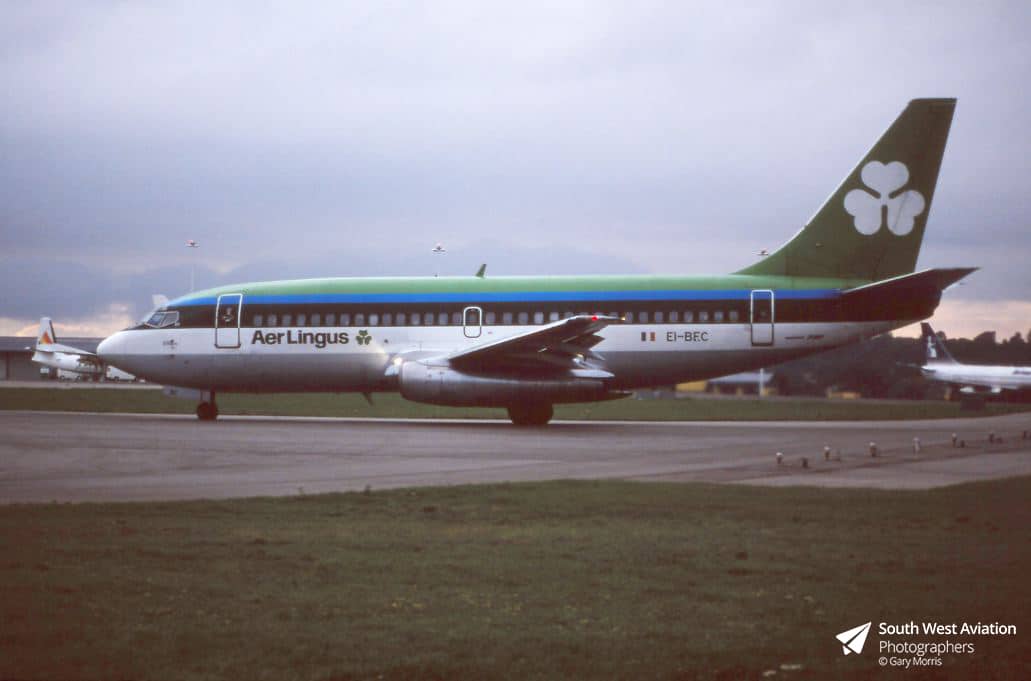
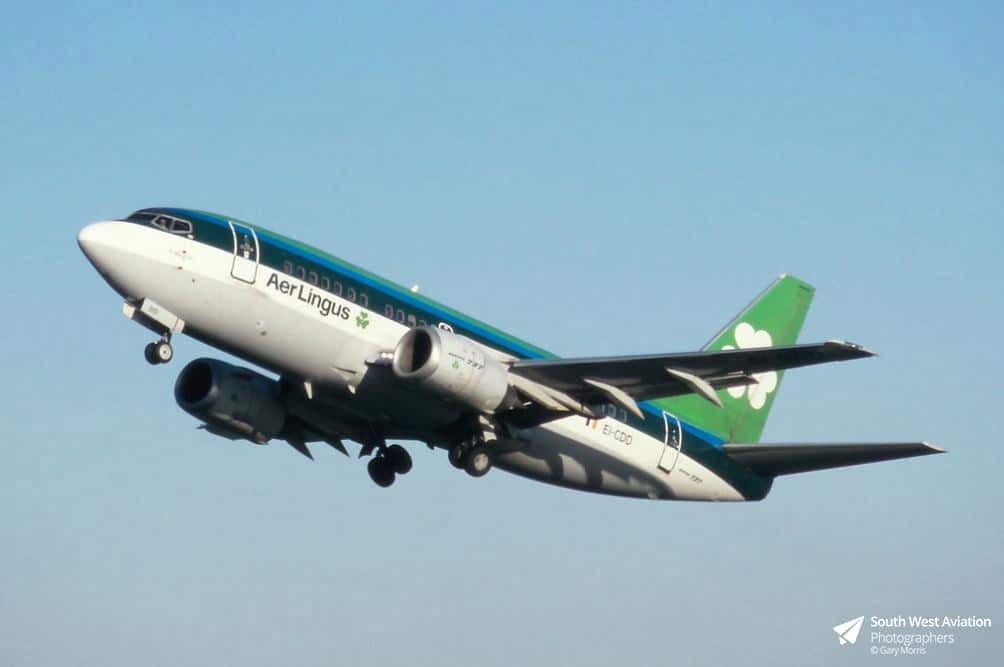
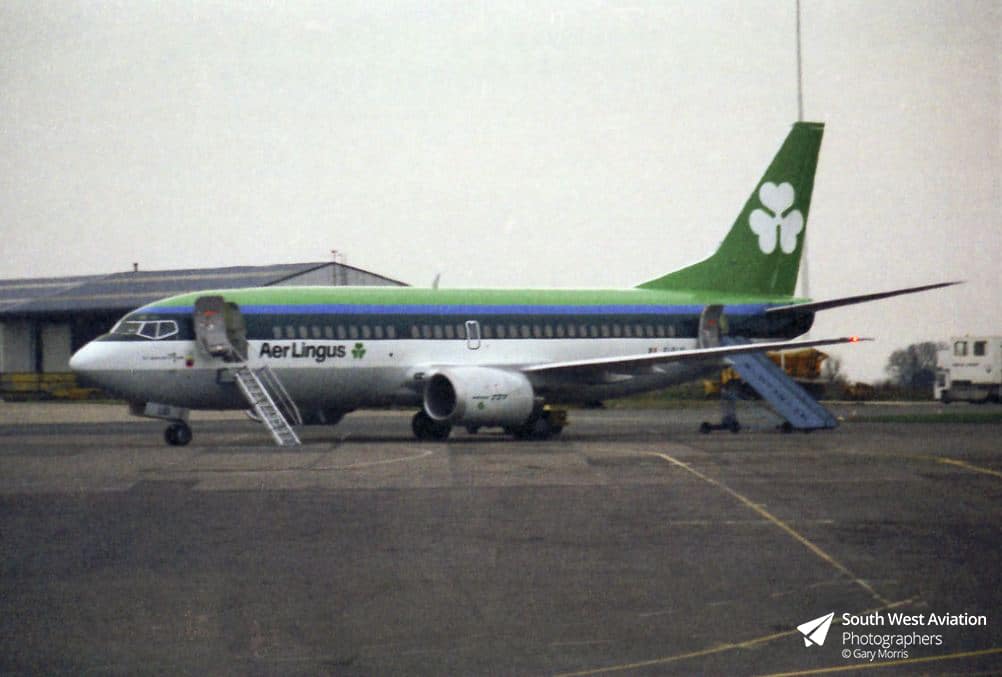
By the 1960s and 1970s, Aer Lingus had entered the jet age with aircraft such as the BAC One‑Eleven and later the Boeing 737, which became the airline’s short‑haul workhorse for decades. These jets dramatically reduced travel times between Ireland and the UK, making routes like Dublin–Bristol more accessible to business travelers, families, and holidaymakers. The reliability and efficiency of these aircraft helped cement Bristol as one of Aer Lingus’ most important regional destinations.
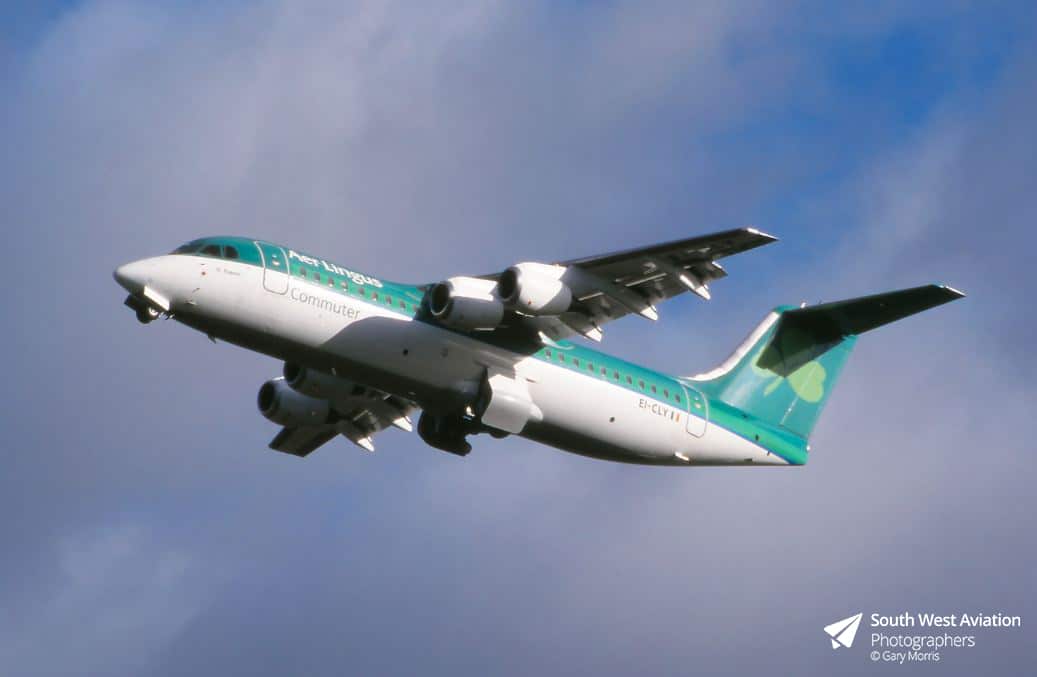
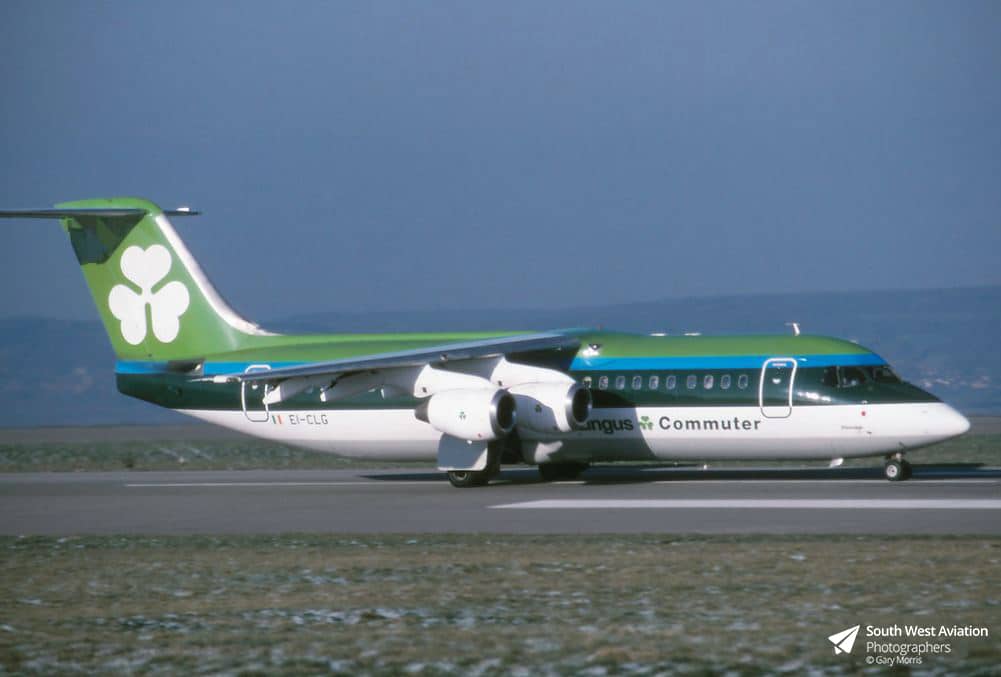
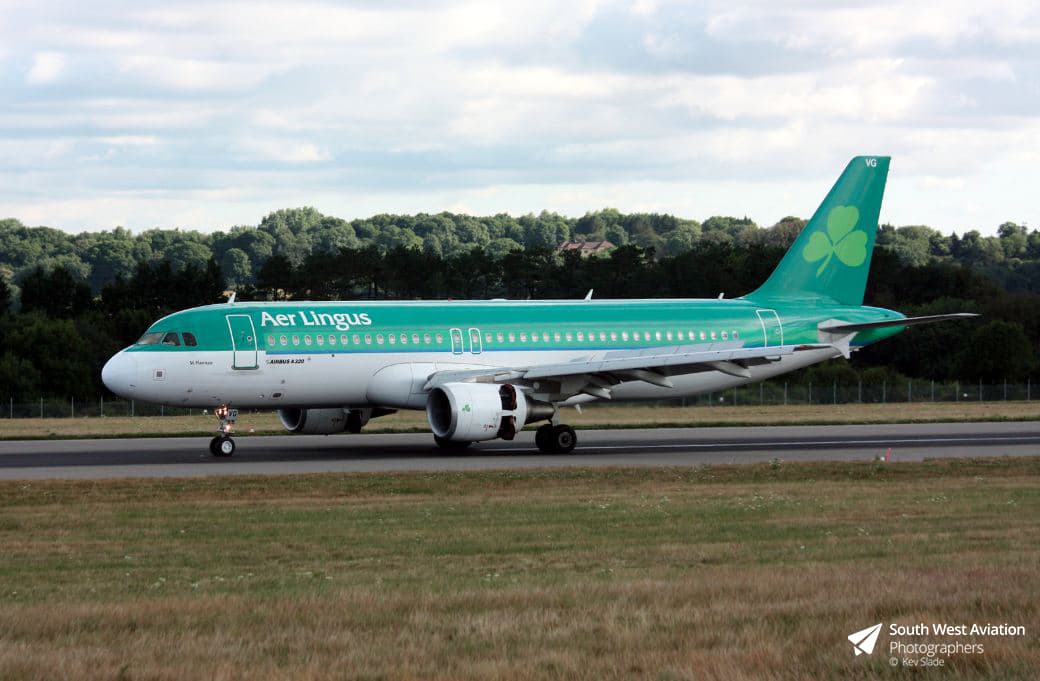
The 1990s and 2000s brought another major fleet evolution as Aer Lingus transitioned to the Airbus A320 family, which remains the backbone of its short‑haul operations today. The A320, A319, and later the A321 provided improved fuel efficiency, passenger comfort, and operational flexibility. These aircraft now operate the majority of Aer Lingus services into Bristol, continuing the legacy established by the humble Iolar in 1936
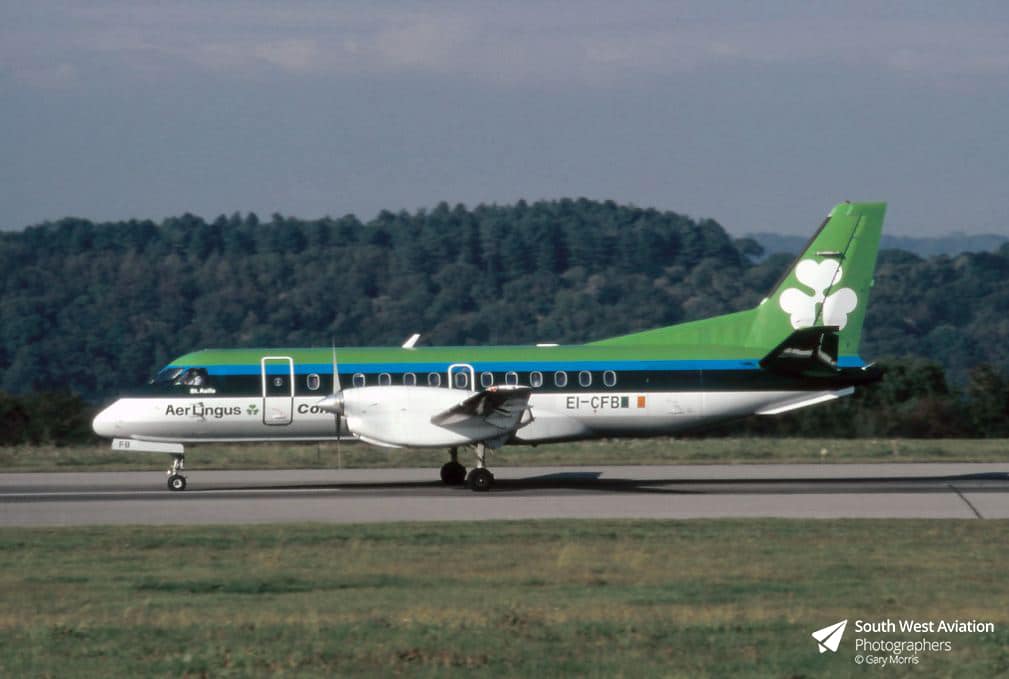
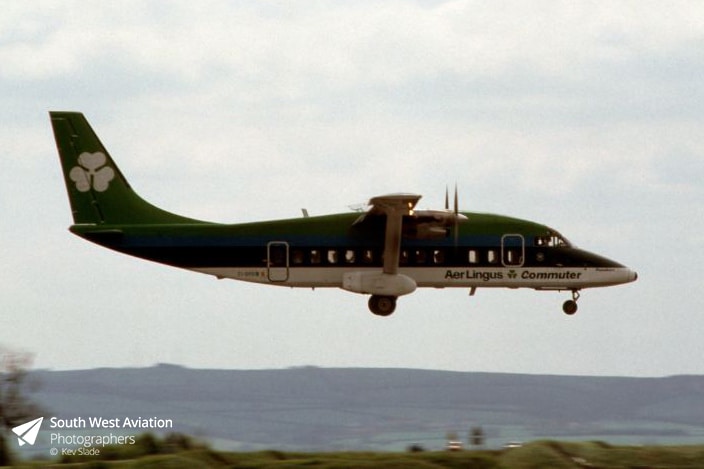
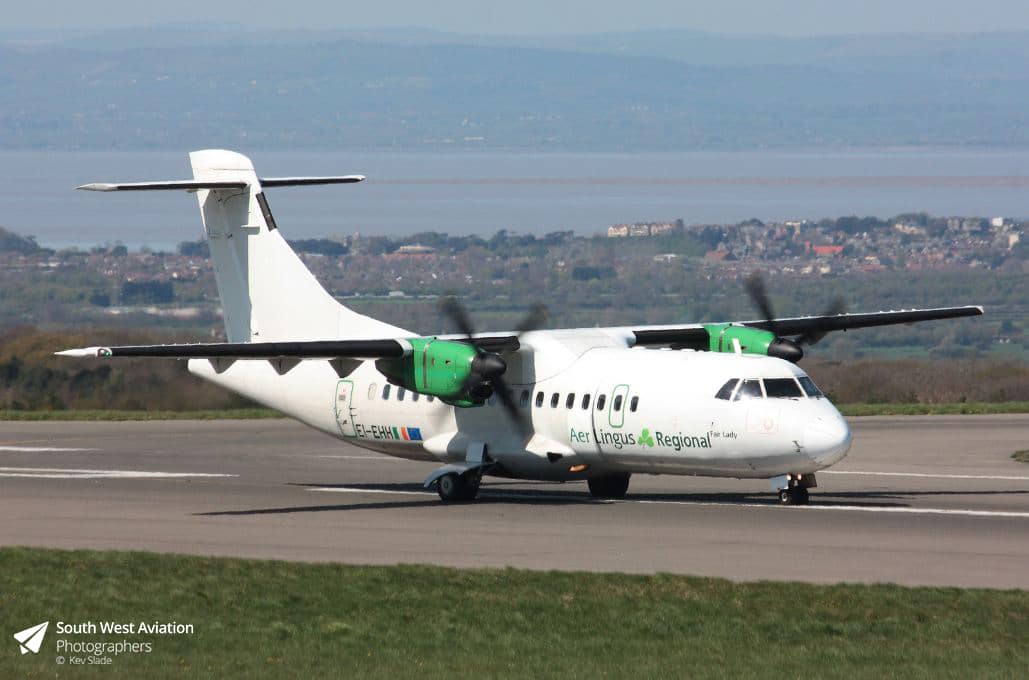
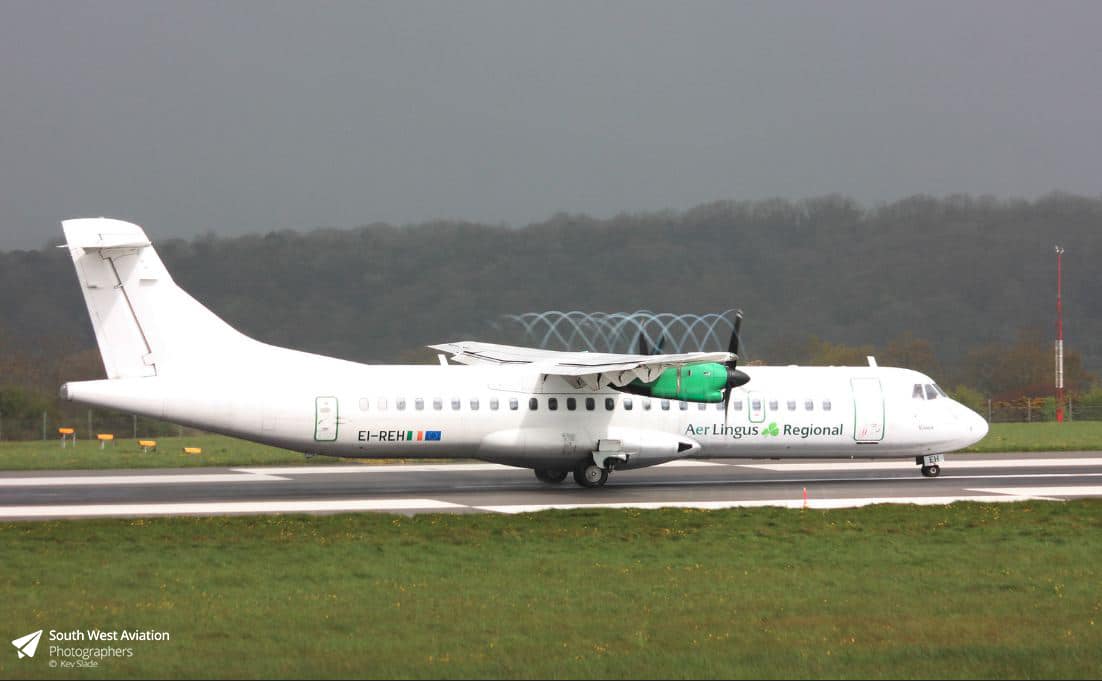
In recent years, Aer Lingus’ regional operations have been strengthened through Aer Lingus Regional, operated exclusively by Emerald Airlines since 2022. Using modern turboprops such as the ATR 72‑600, the regional carrier has flown more than 10,000 flights between Bristol, Dublin, and Cork, carrying over 550,000 passengers. This partnership has ensured high‑frequency connectivity between the South West of England and Ireland, reinforcing the historic importance of the route
The centerpiece of the 90th anniversary celebrations was the return to flight of the restored DH.84 Dragon Iolar, which once again flew from Dublin to Bristol on 27 May 2026. Painstakingly restored over four months by Midland Aviation with support from Aer Lingus volunteers, the aircraft represents a living link to the airline’s origins. Its flight over Bristol was more than a commemorative gesture — it was a symbolic reunion between the airline and the city that hosted its first international arrival
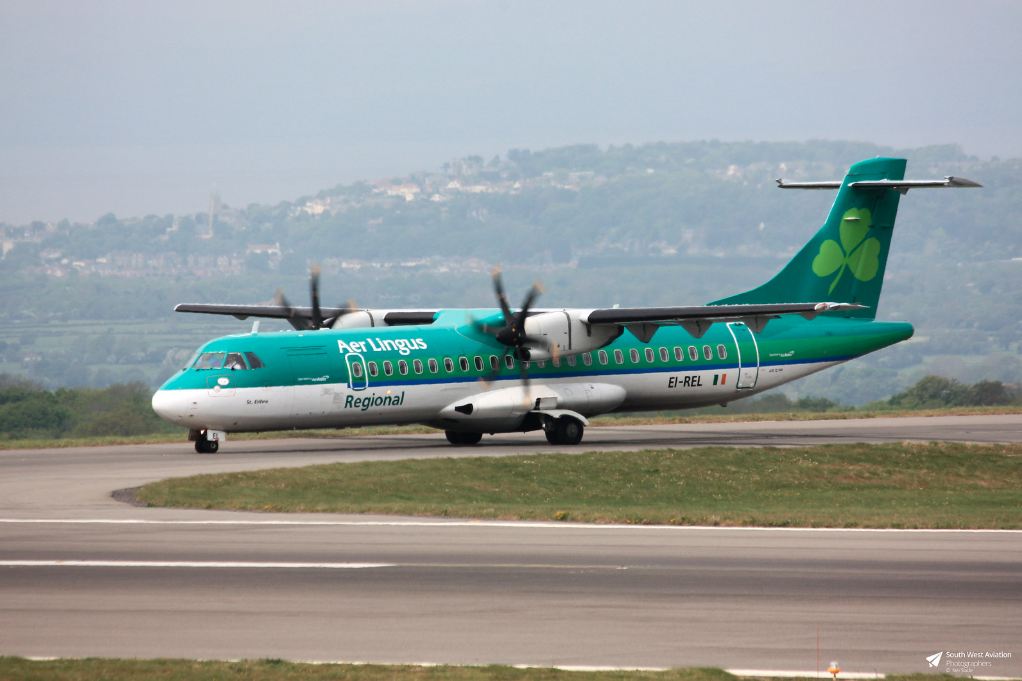
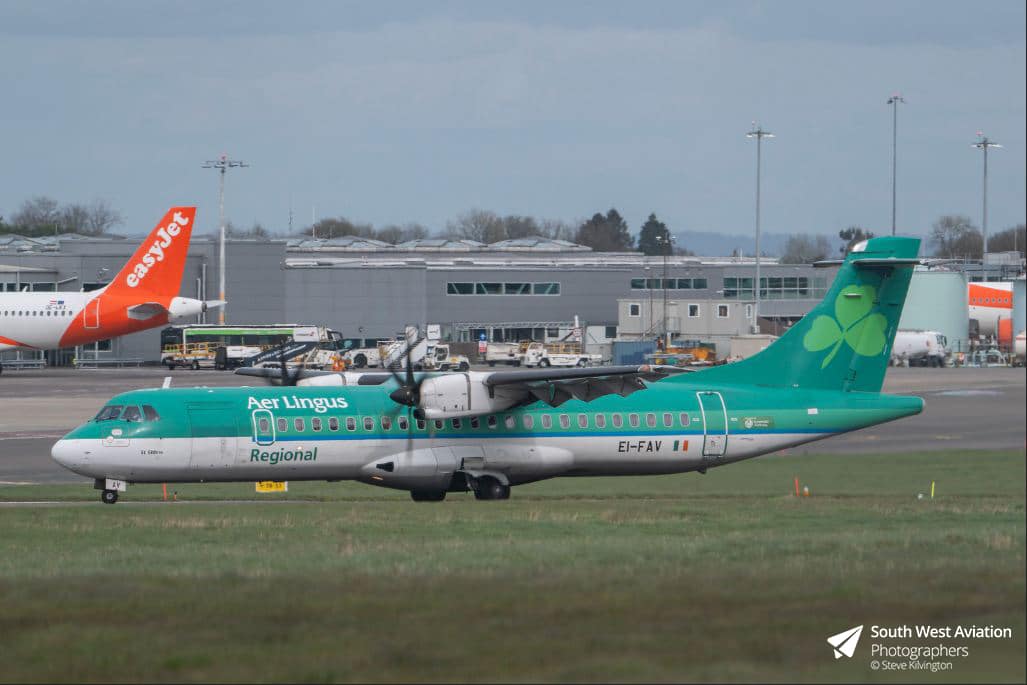
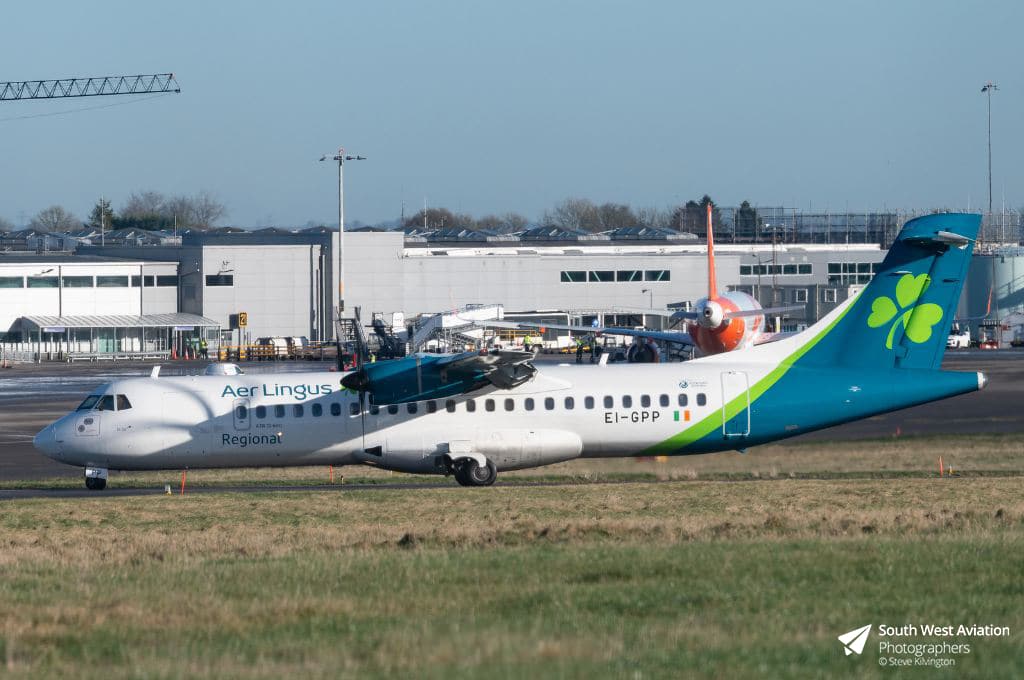
Today, Aer Lingus operates a modern fleet of Airbus aircraft across Europe and North America, yet its connection to Bristol remains one of its most historically significant. From the wooden‑framed Iolar to the advanced Airbus A320 family, every generation of Aer Lingus aircraft has crossed the Irish Sea to Bristol. As the airline celebrates 90 years of operations, Bristol stands not just as a destination, but as the place where the Aer Lingus story truly began — a story of ambition, innovation, and enduring ties between Ireland and the West of England.
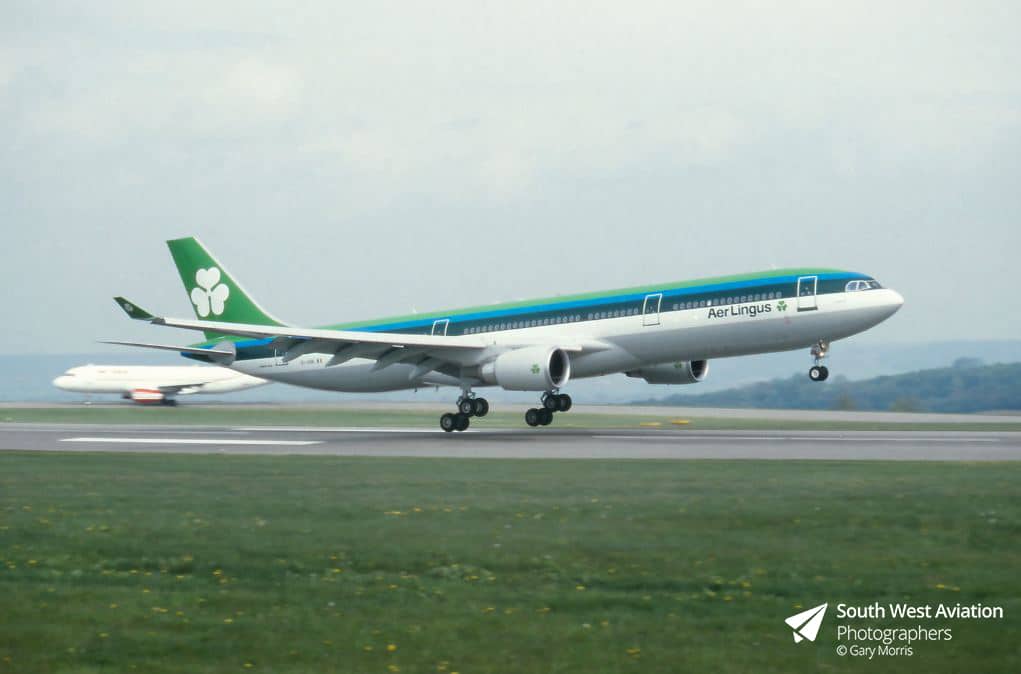
Article by Matt Sudol, Kev Slade, Gary Morris and Steve Kilvington
© South West Aviation Photographers 2026