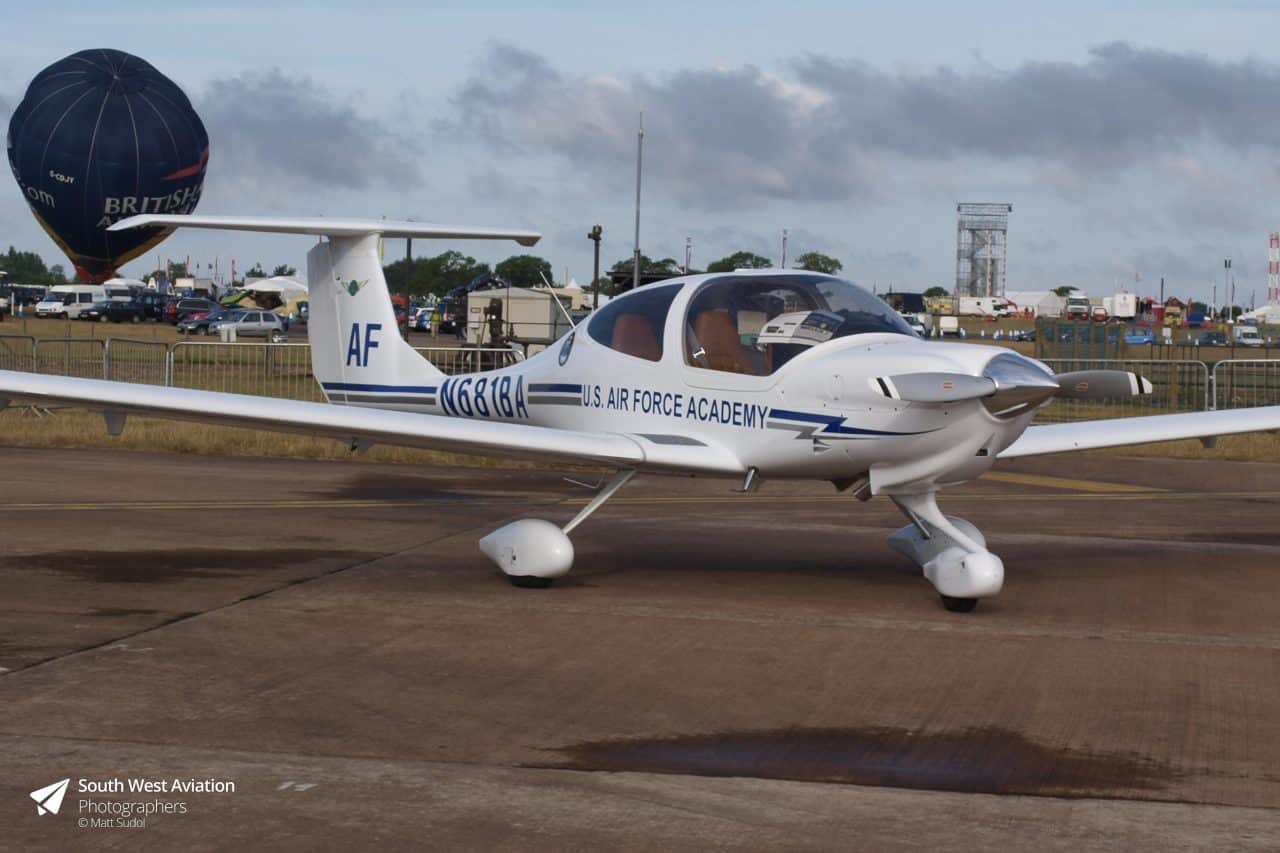
For aviation photographers across South West England, few events have held the same significance as the Royal International Air Tattoo (RIAT) at RAF Fairford. For more than four decades, the Gloucestershire airfield became a summer pilgrimage site where enthusiasts, spotters and professional photographers gathered to witness an unrivalled concentration of military aviation from around the world. What began as a modest gathering in the early 1970s evolved into the largest military airshow on the planet and one of the most important events in the global aviation calendar.
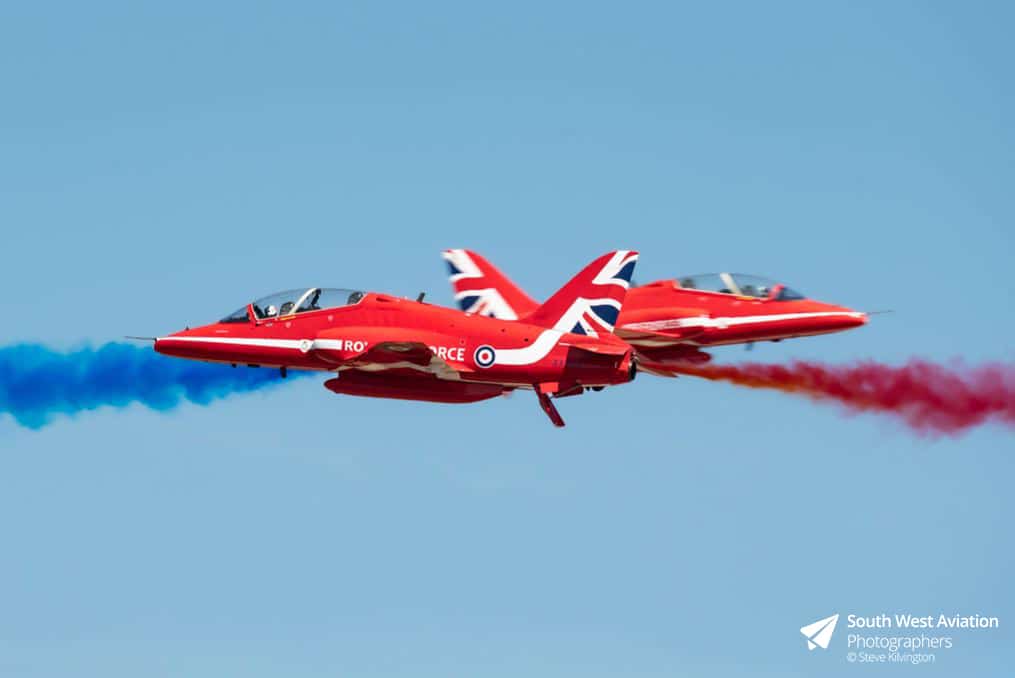
The story of RIAT began in 1971 when the first Air Tattoo was staged at North Weald Airfield in Essex. Just over 100 aircraft took part, a figure that seemed remarkable at the time but would later be dwarfed by the event’s future success. Founded by Paul Bowen, Timothy Prince and Air Marshal Sir Denis Crowley-Milling, the show was created to bring together military aviation enthusiasts and showcase aircraft rarely seen by the public. Following its inaugural success, the event expanded rapidly. The show moved to RAF Greenham Common in Berkshire during the 1970s, where larger facilities enabled organizers to attract increasing international participation. In 1976, reflecting its growing overseas appeal, the event adopted the title “International Air Tattoo”.
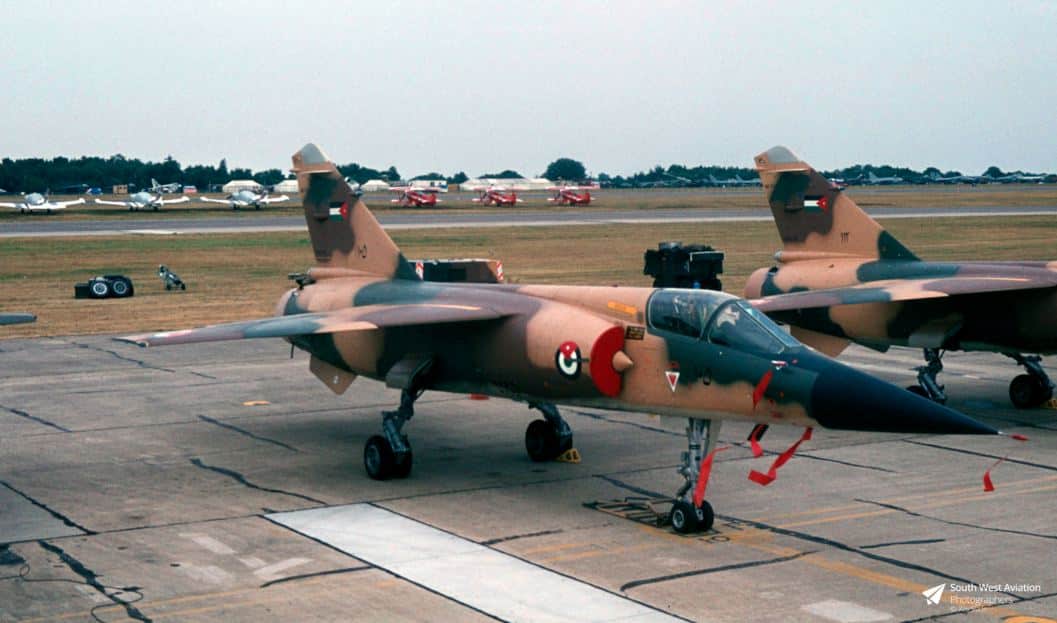
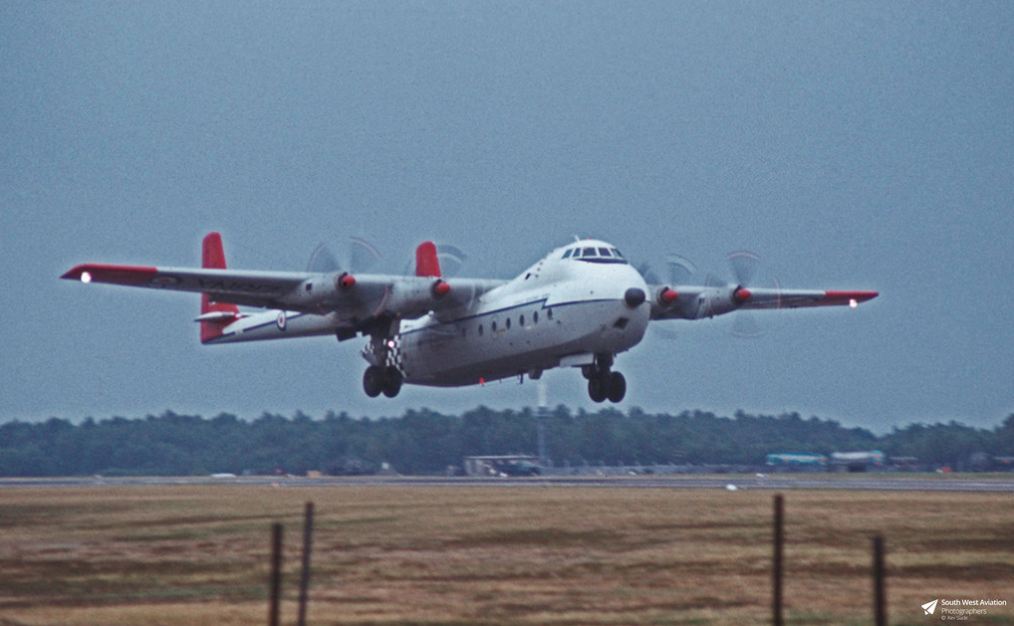
The defining moment in the Air Tattoo’s history came in 1985 when RAF Fairford was selected as its new home. The base’s exceptionally long runway, spacious dispersals and extensive operating areas made it uniquely suited to accommodating the growing number of visiting aircraft. Organizers quickly realized they had found the perfect venue. For photographers, Fairford offered something few other locations could match. Vast viewing areas, unobstructed sightlines and the capability to host everything from nimble aerobatic aircraft to the largest strategic bombers created unparalleled photographic opportunities. The airfield’s surroundings, combined with favorable lighting along much of the crowd line, helped establish RIAT as one of Europe’s premier aviation photography destinations. Initially held biennially at Fairford, the event became an annual fixture from 1993 as participation and visitor numbers continued to grow.
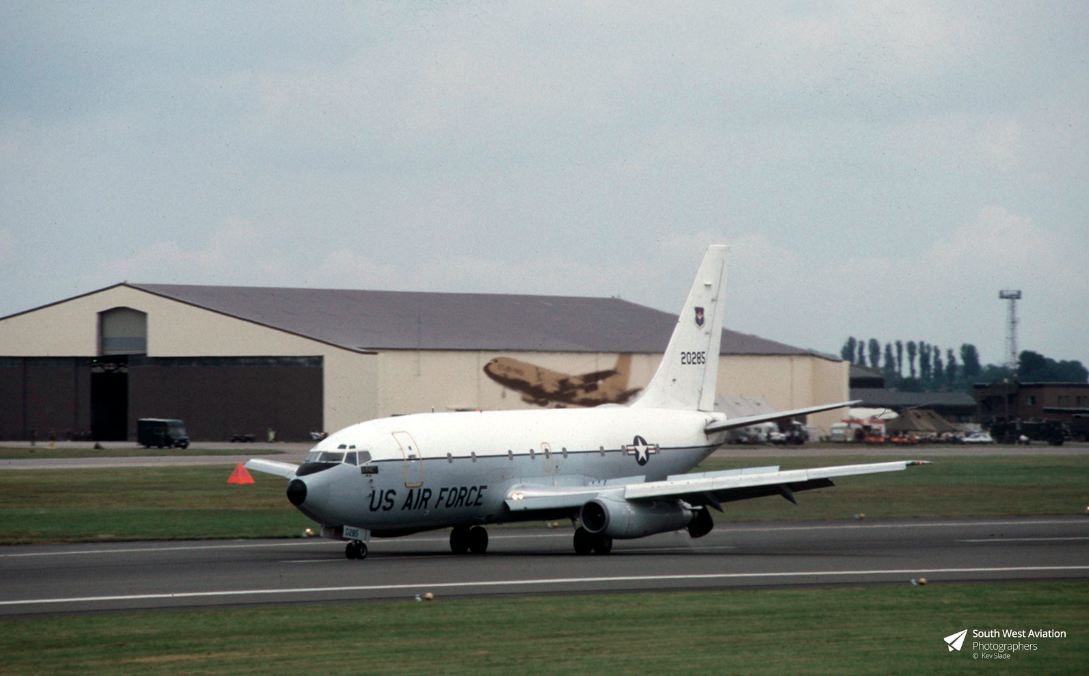
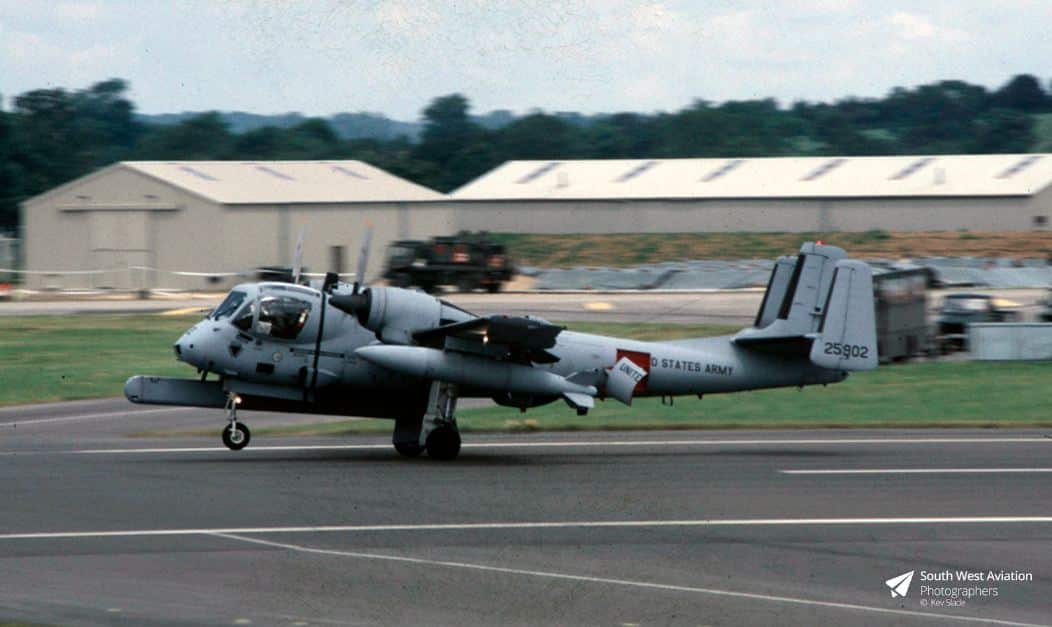
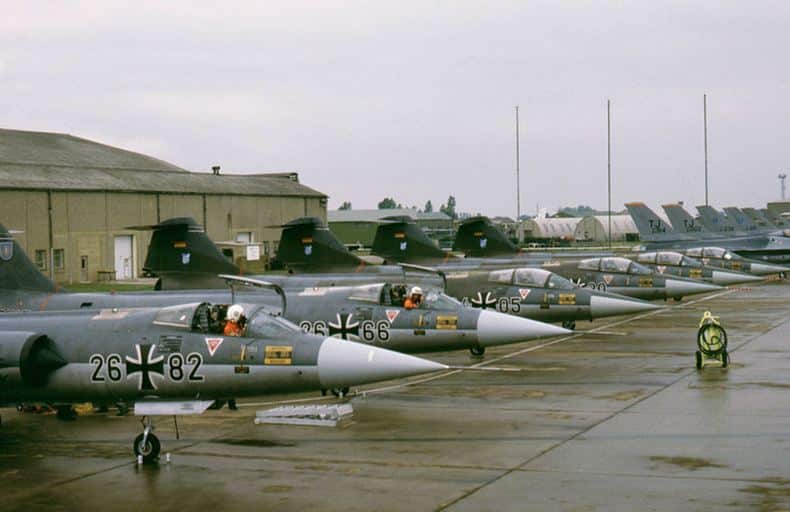
In 1996, the show’s international standing was formally recognized when Her Majesty Queen Elizabeth II granted permission for the event to adopt the title “Royal International Air Tattoo”. This acknowledgement reflected not only its importance within aviation circles but also its role in supporting the Royal Air Force Charitable Trust. By the late 1990s, RIAT had become far more than an airshow. It was a diplomatic gathering, a showcase of military aviation technology and a meeting place for air arms from across NATO, Europe, the Middle East, Asia and North America.
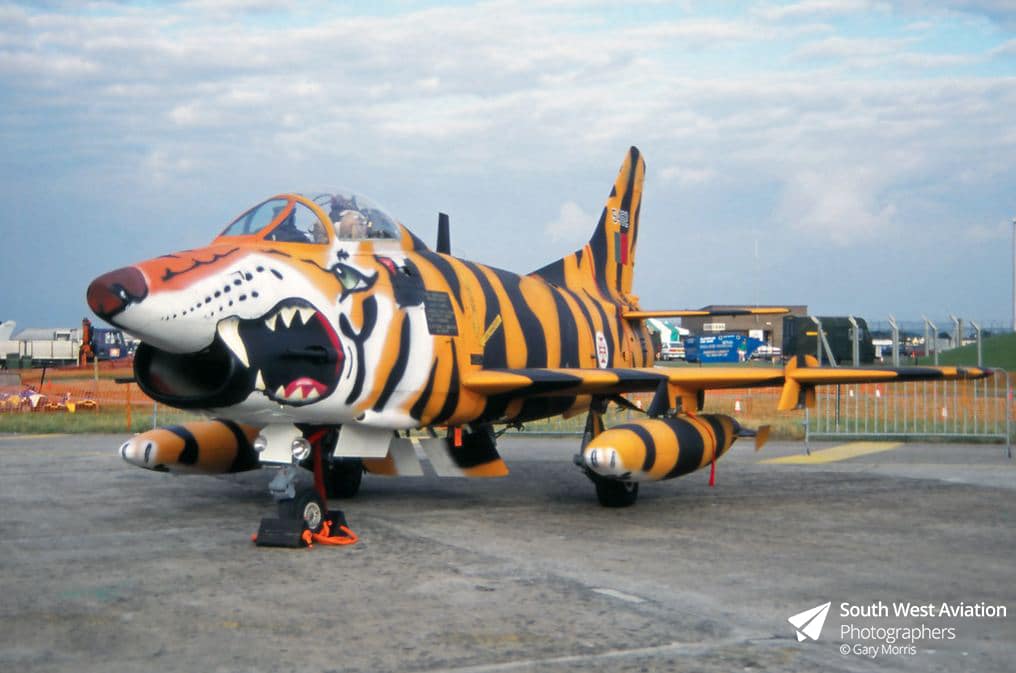
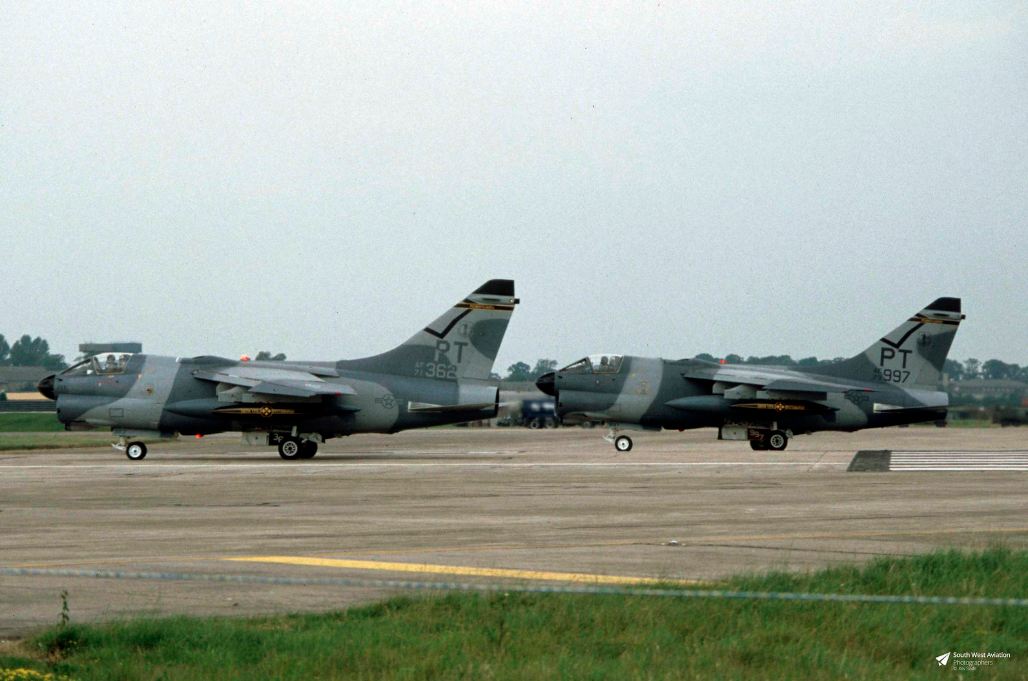
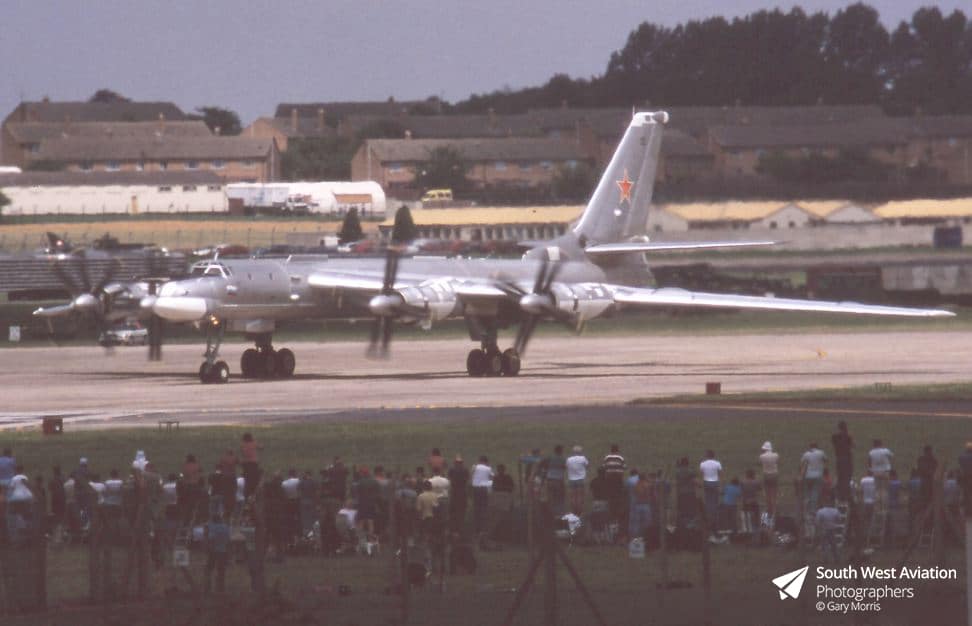
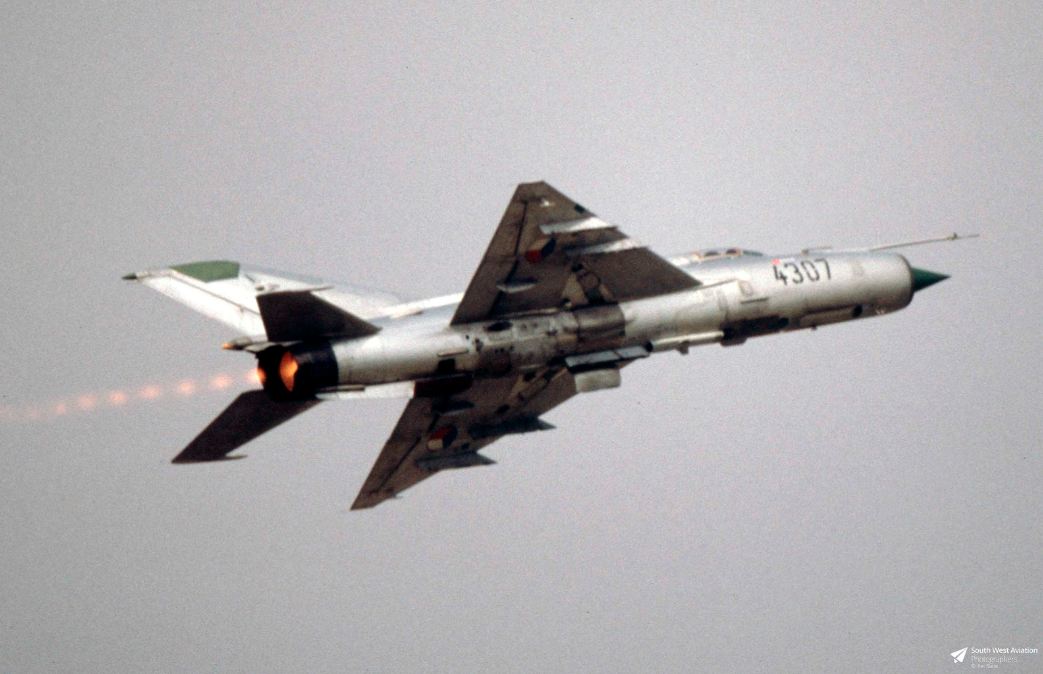
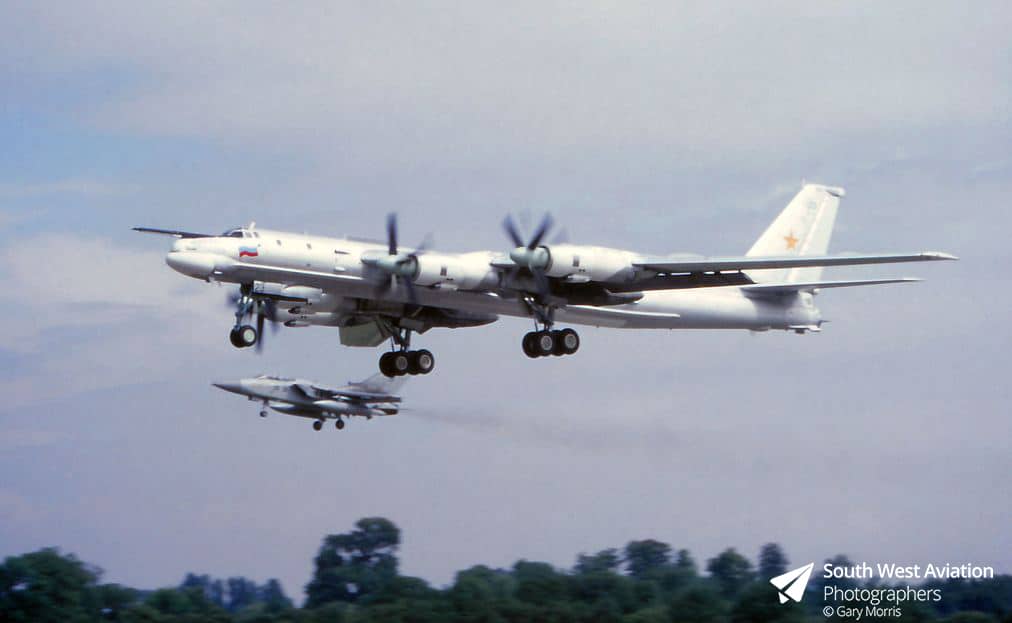
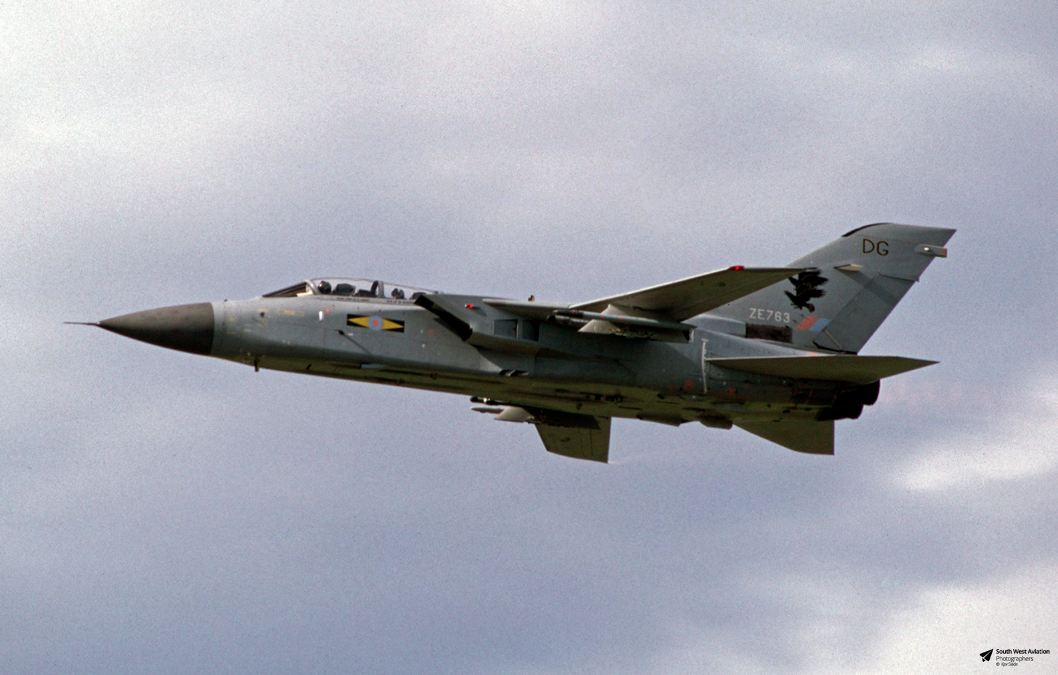
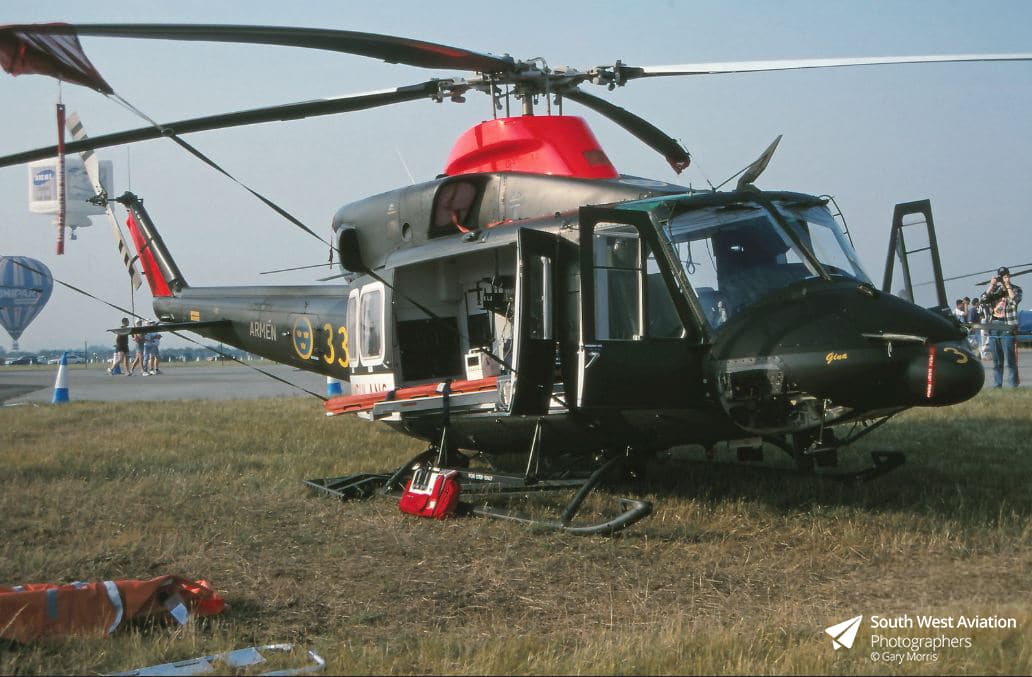
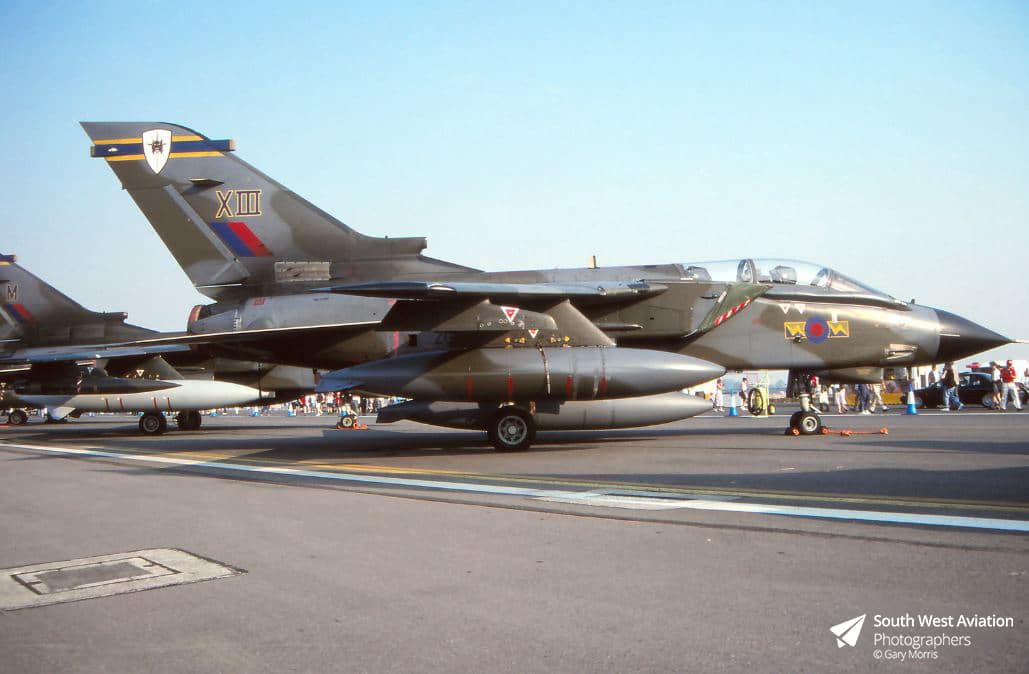
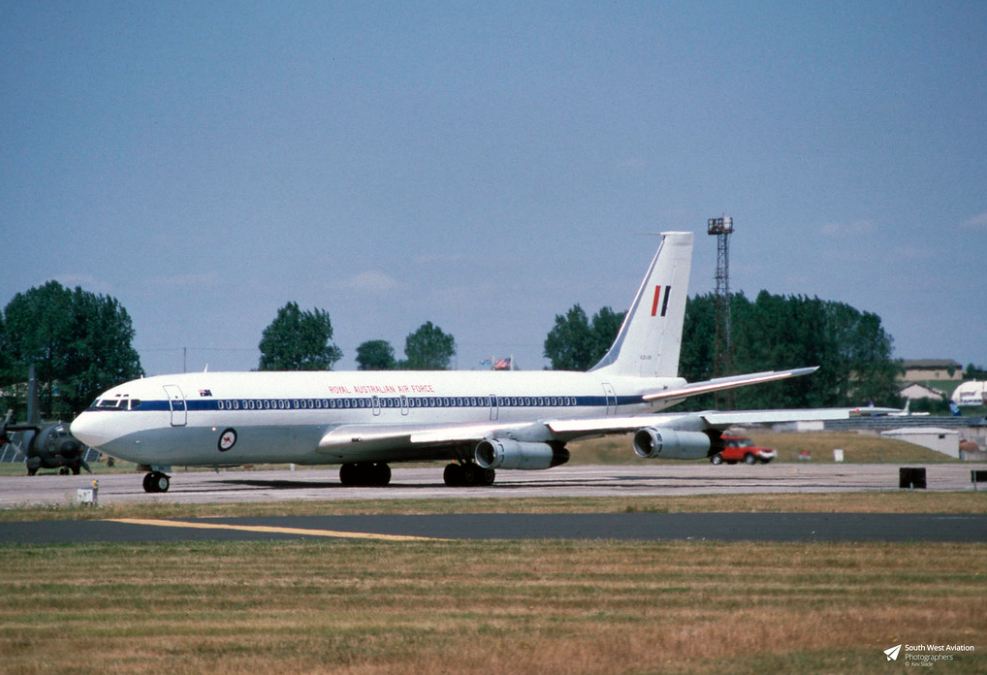
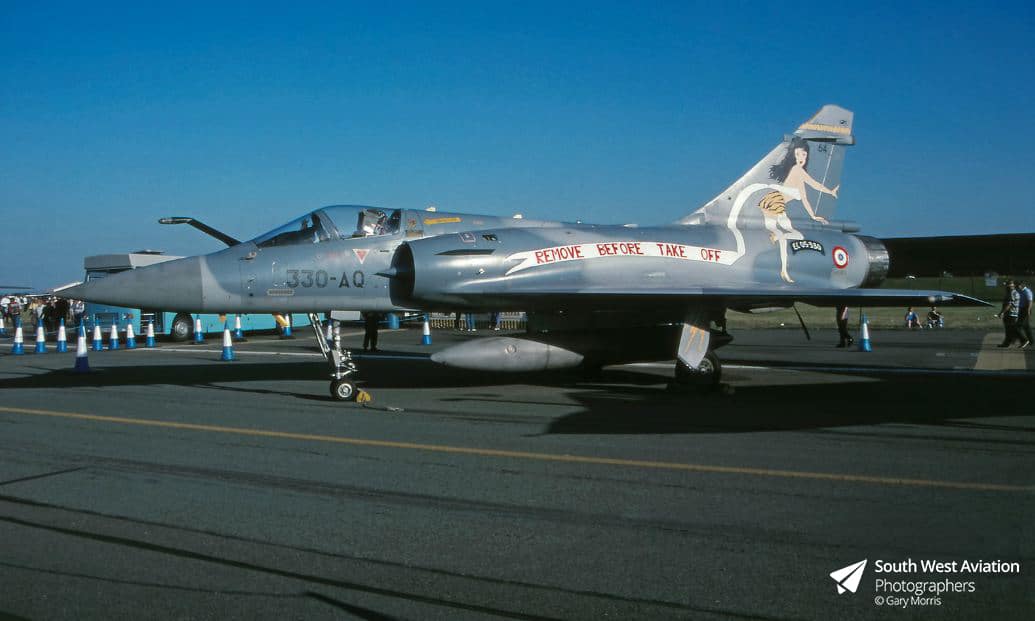
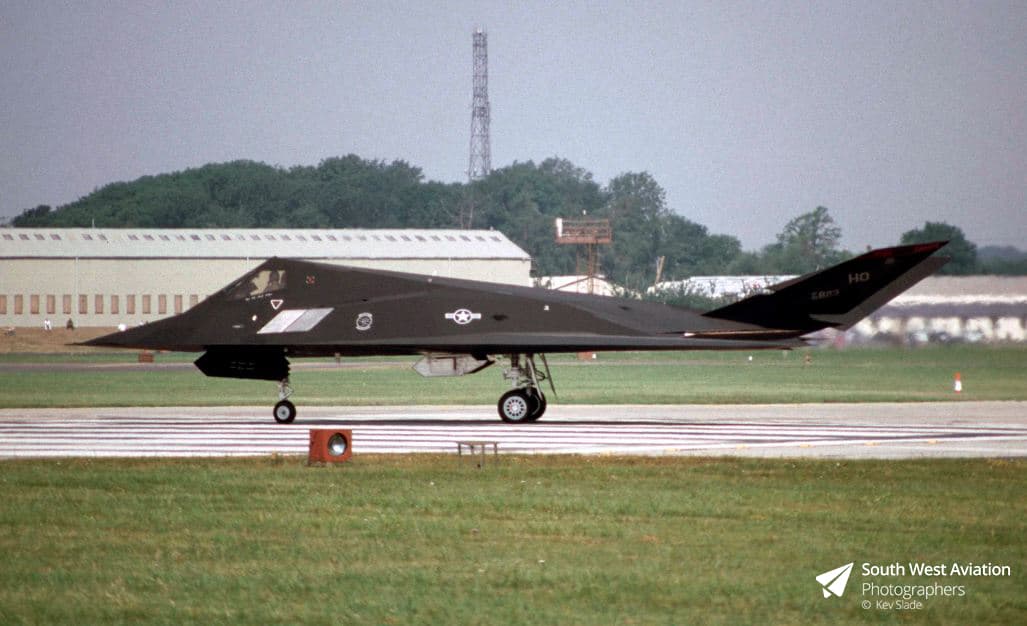
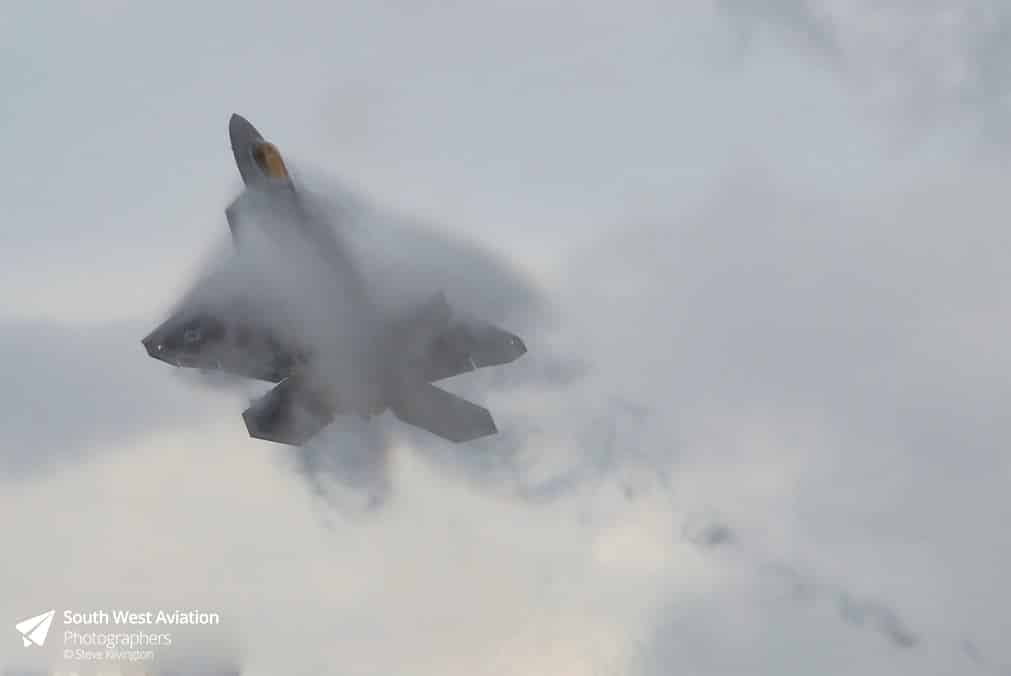
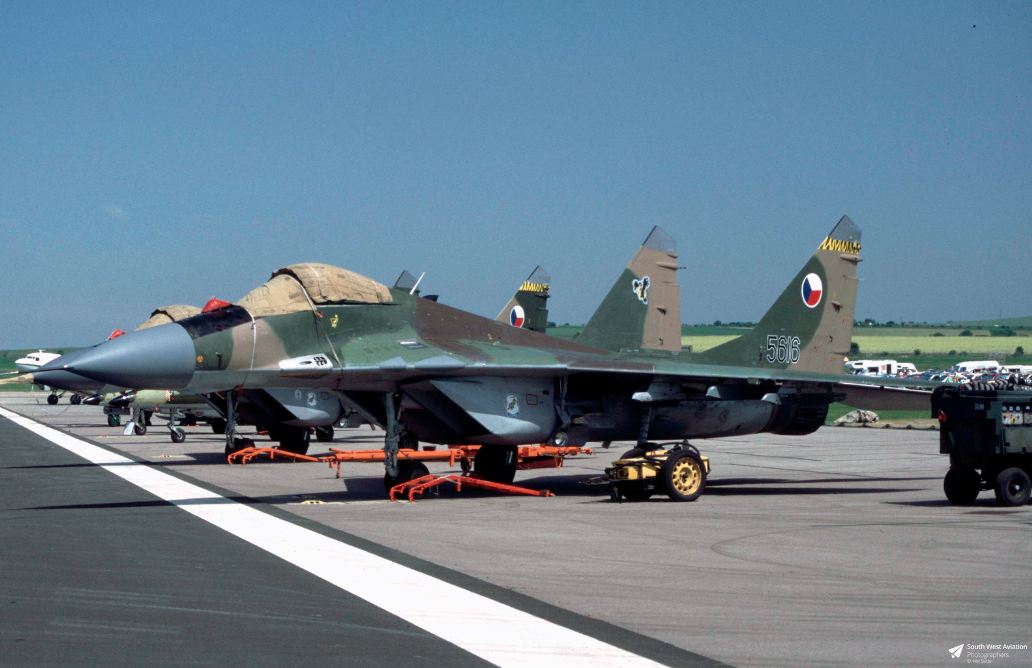
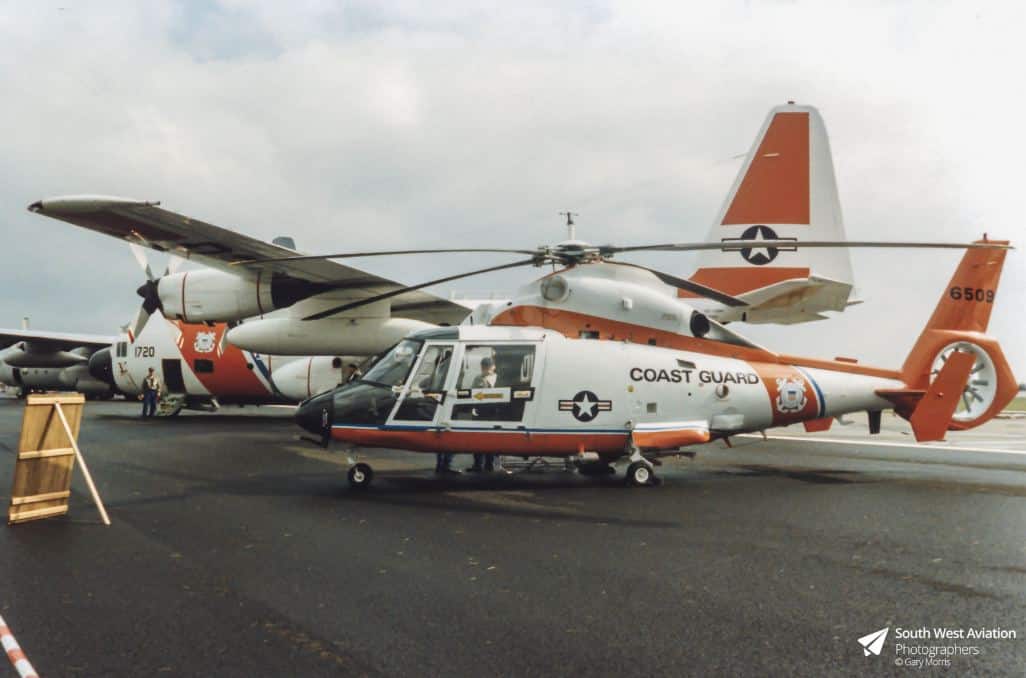
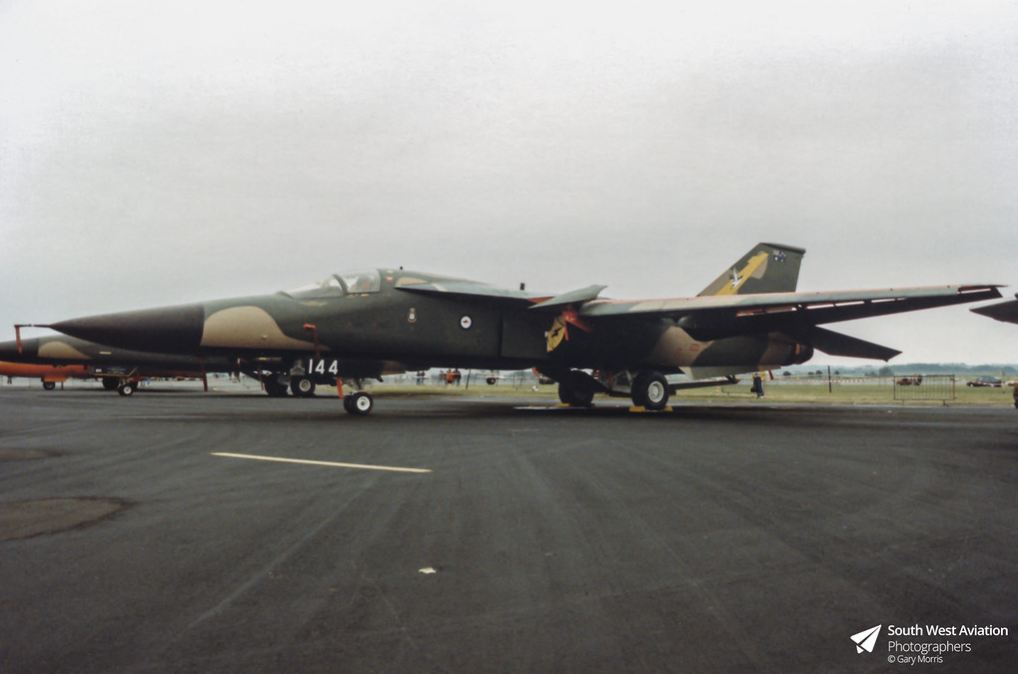
Many of RIAT’s most memorable moments involved aircraft making their European or international debuts. One of the most significant occurred in 1997 when the Northrop B-2 Spirit stealth bomber appeared outside the United States for the first time during celebrations marking the 50th anniversary of the United States Air Force. For photographers, the arrival of the secretive flying-wing bomber represented a once-in-a-generation opportunity. Another landmark moment came in 2008 when the Lockheed Martin F-22 Raptor made its first European appearance at Fairford. Although the public show was ultimately cancelled due to severe weather, photographers present during arrivals and departures still captured some of the earliest European images of the revolutionary fighter. Over the years, Fairford welcomed aircraft that many enthusiasts never expected to see in Britain, including Russian strategic bombers, Ukrainian transports, American stealth aircraft, Middle Eastern fast jets and rare military transports from countries seldom represented at Western airshows.
The scale of RIAT’s growth became evident in 2003 when Guinness World Records recognized it as the world’s largest military airshow, with an extraordinary 535 aircraft participating. Few aviation events before or since have matched that achievement. Regular attendance figures reached between 150,000 and 200,000 visitors over the show weekend, while more than 200 aircraft routinely took part in static and flying displays. For South West aviation photographers, this meant unparalleled opportunities. In a single weekend it was possible to photograph aircraft from dozens of nations, often including rare or unique types that would otherwise require international travel to capture.
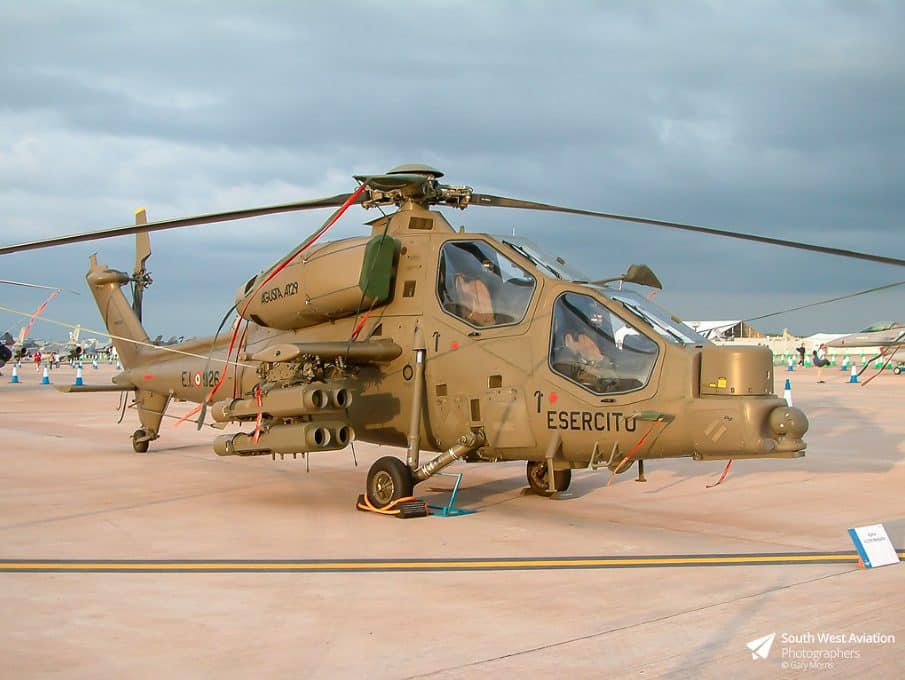
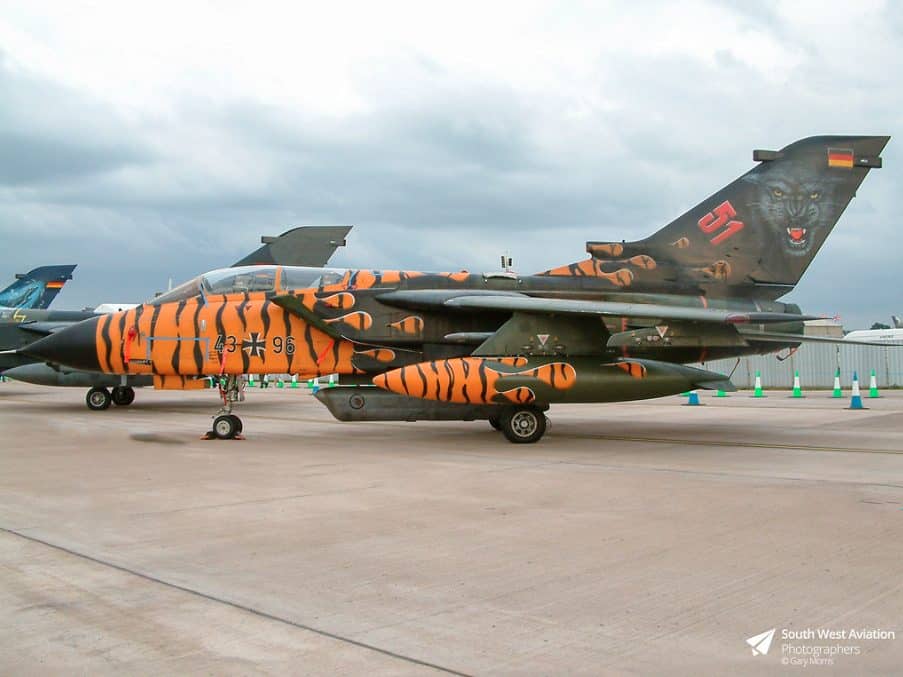
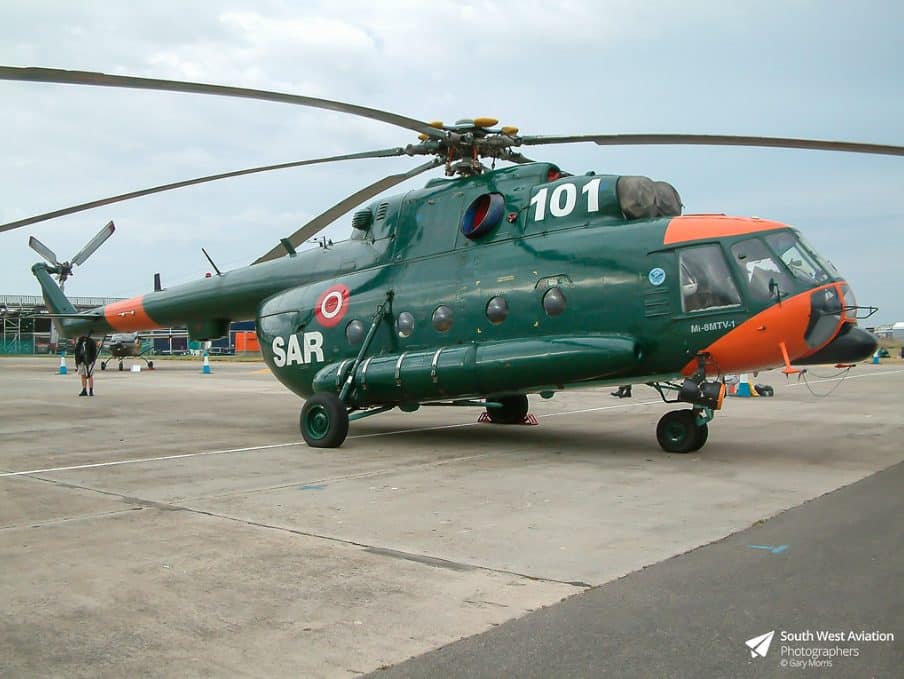
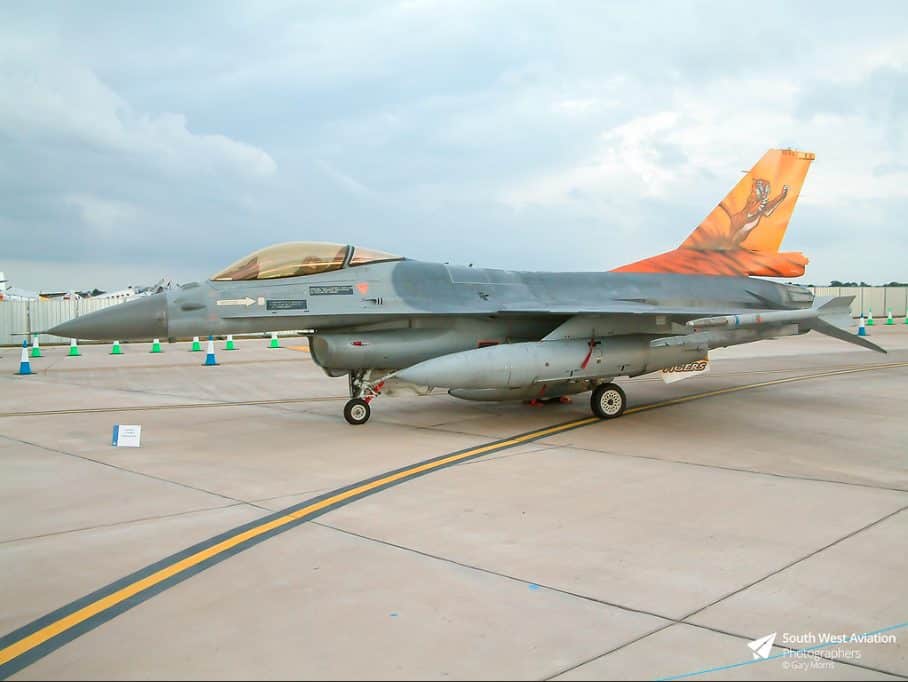
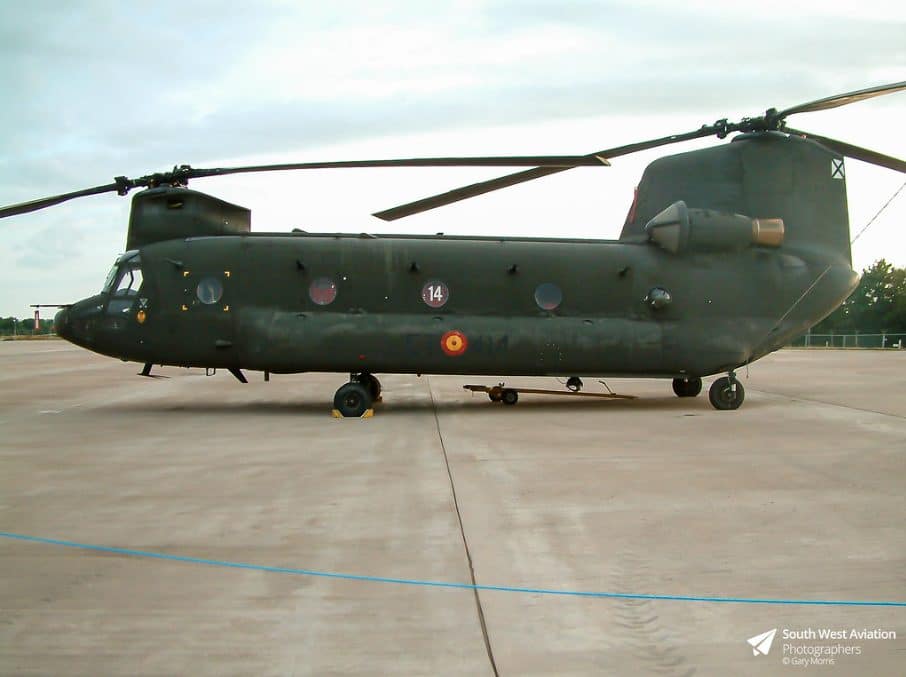
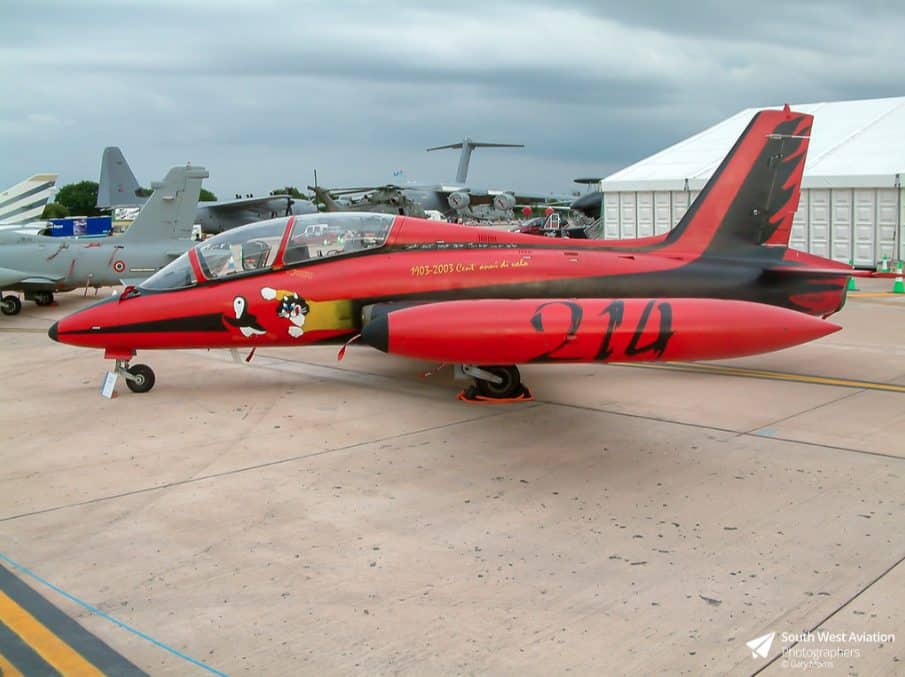
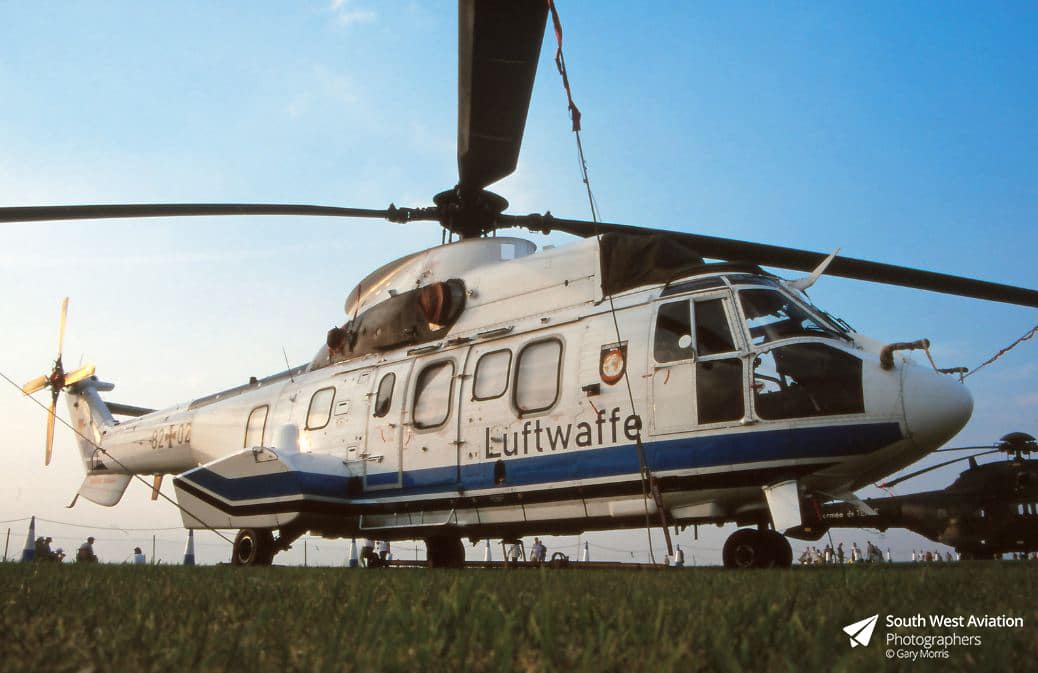
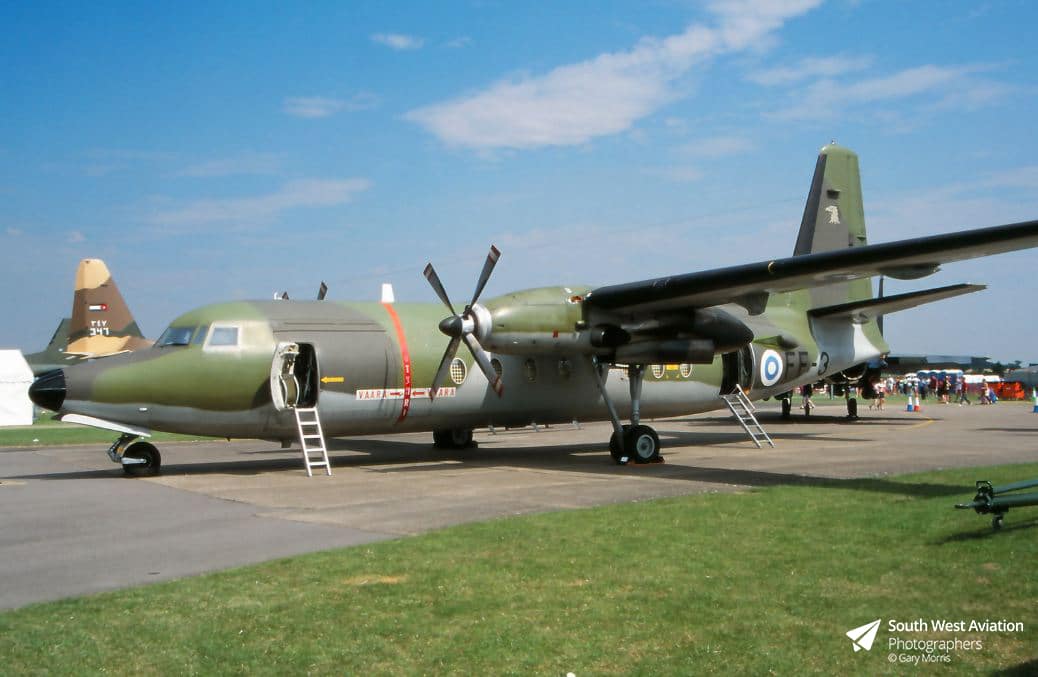
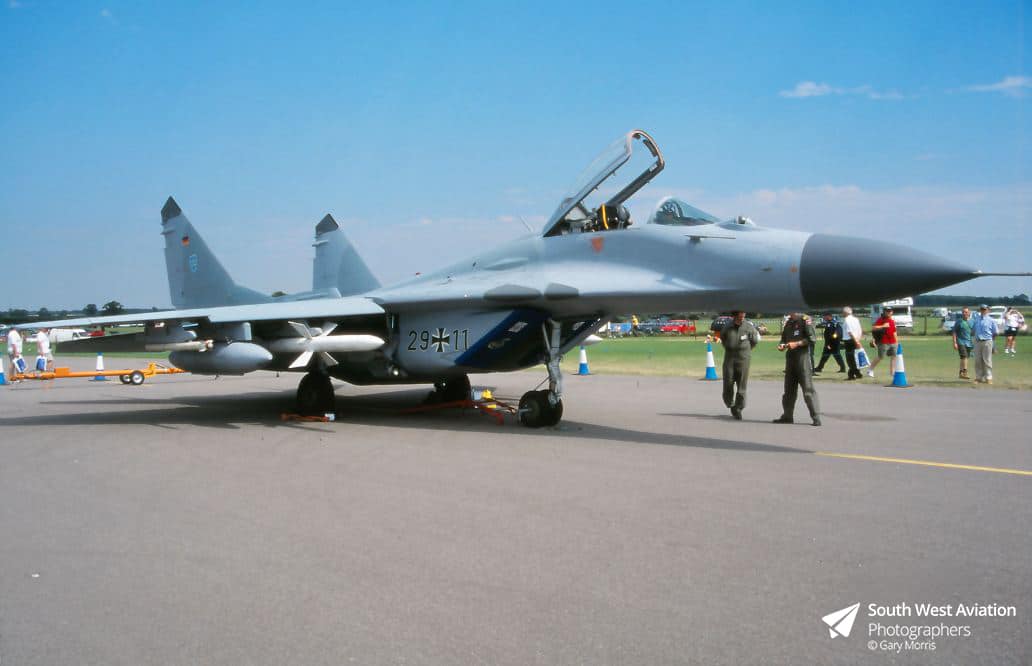
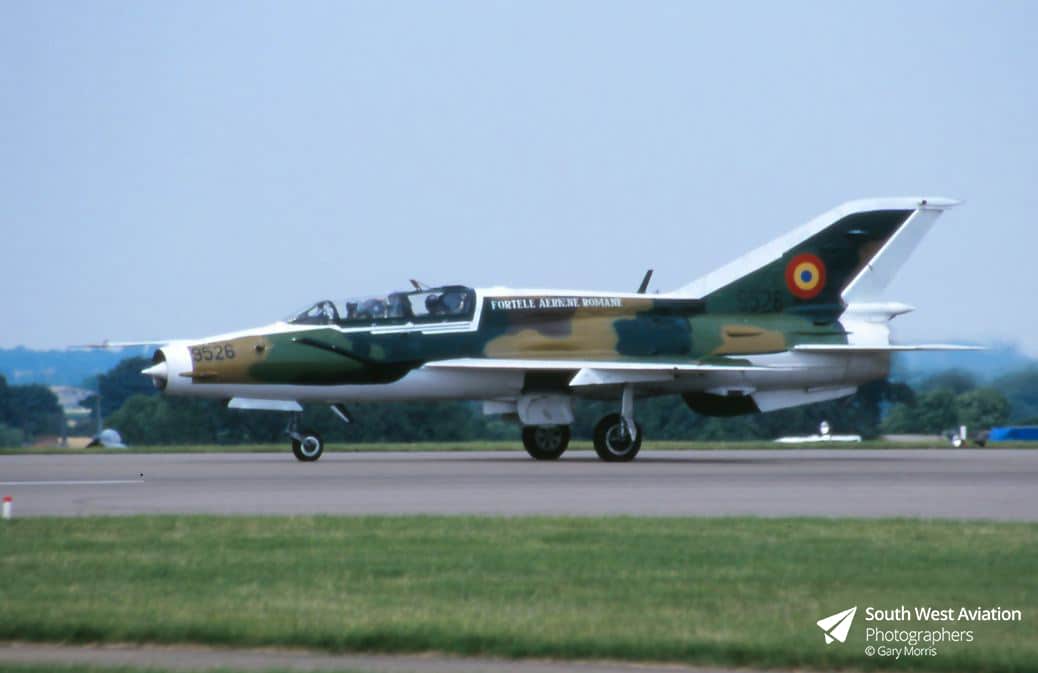
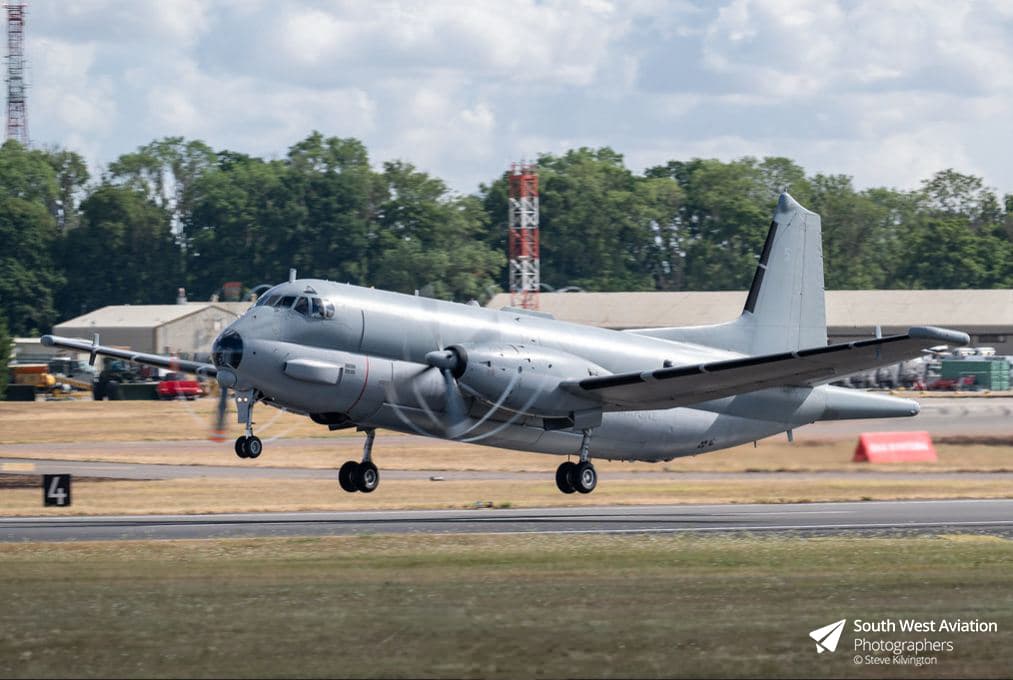
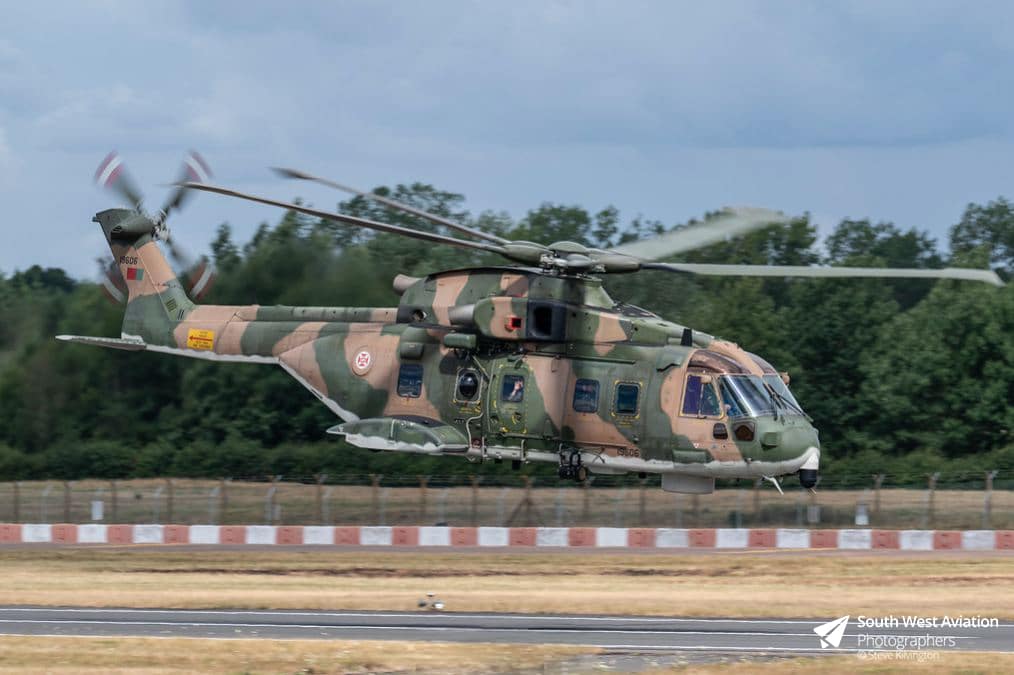
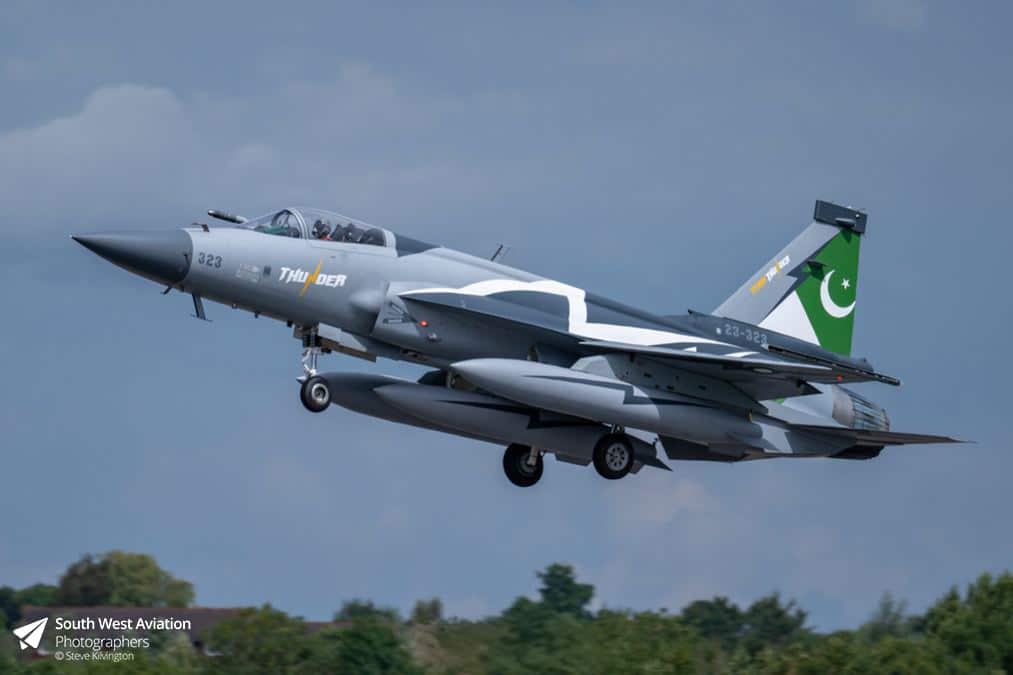
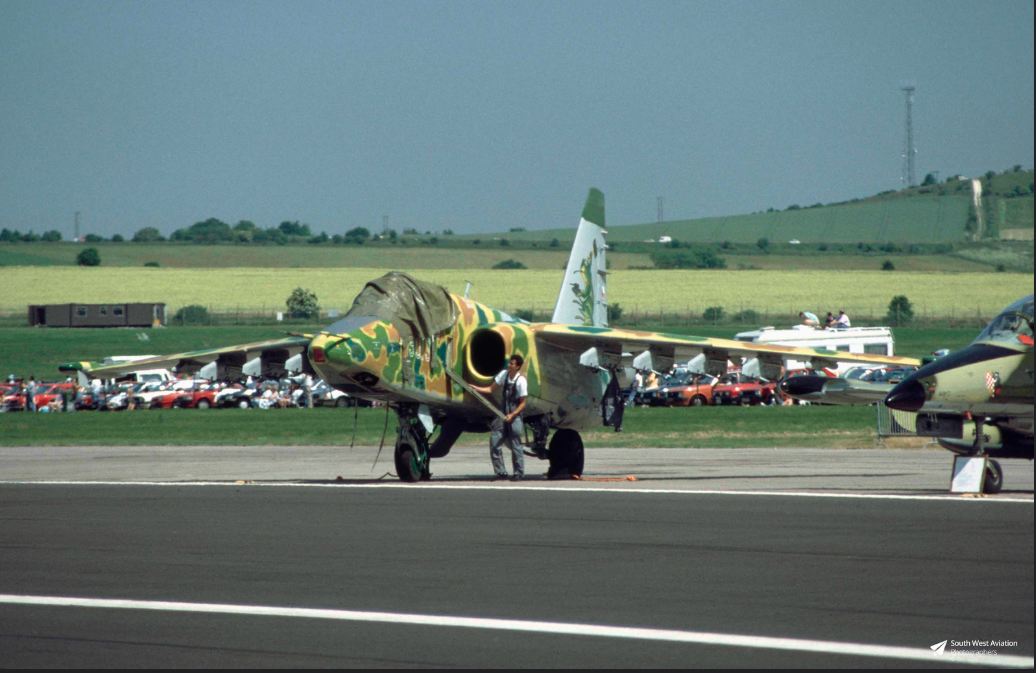
What truly made RIAT special was the variety available to photographers. Few venues offered the chance to capture everything from vintage warbirds and helicopter displays to fifth-generation fighters and strategic bombers within the same event. The arrivals week became almost as important as the show itself. Enthusiasts would line the perimeter fences from dawn until dusk, capturing visiting aircraft arriving from every corner of the globe. Departures day often produced equally rewarding opportunities, with crews frequently providing spirited take-offs and farewell fly-past’s. For photographers in Bristol, Wiltshire, Somerset, Gloucestershire and the wider South West, Fairford became a cornerstone of the annual aviation calendar. Entire photographic careers have been influenced by images taken along the Fairford fence line.
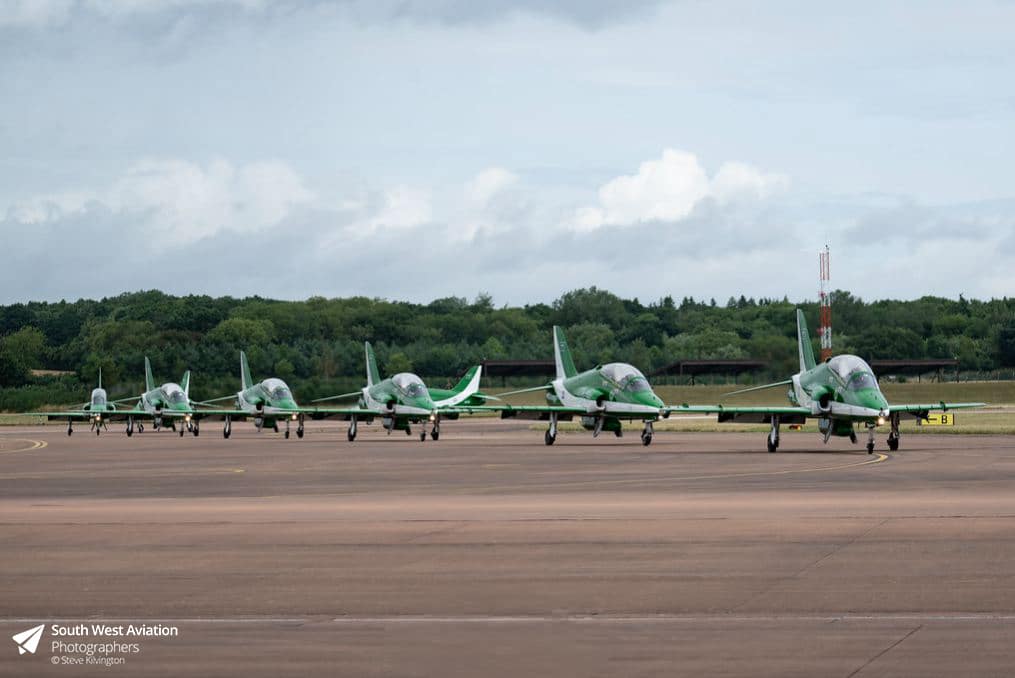
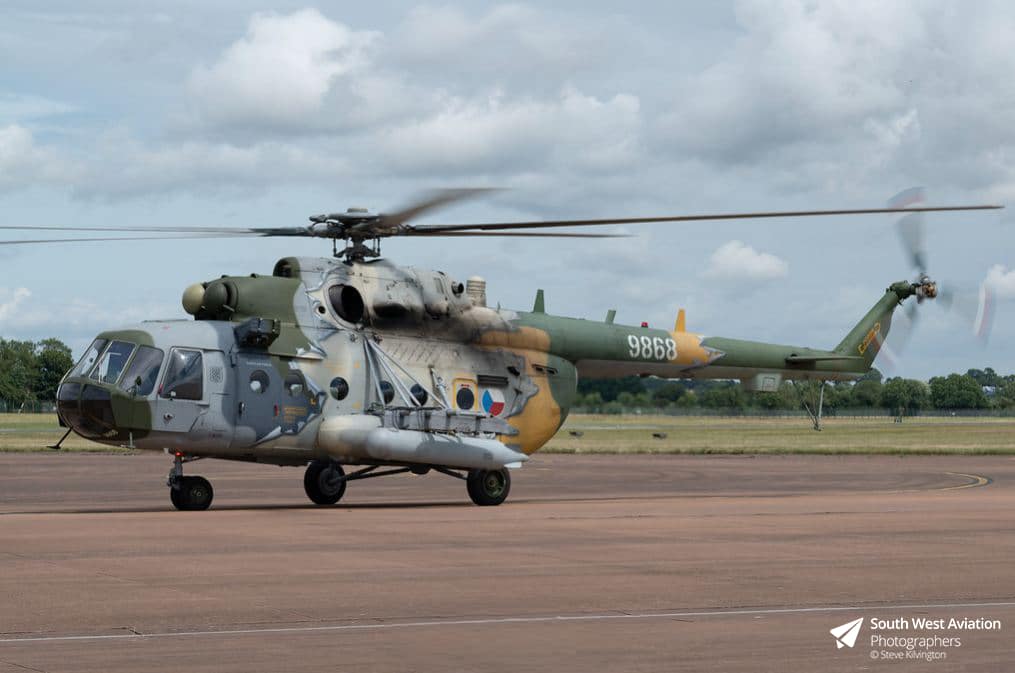
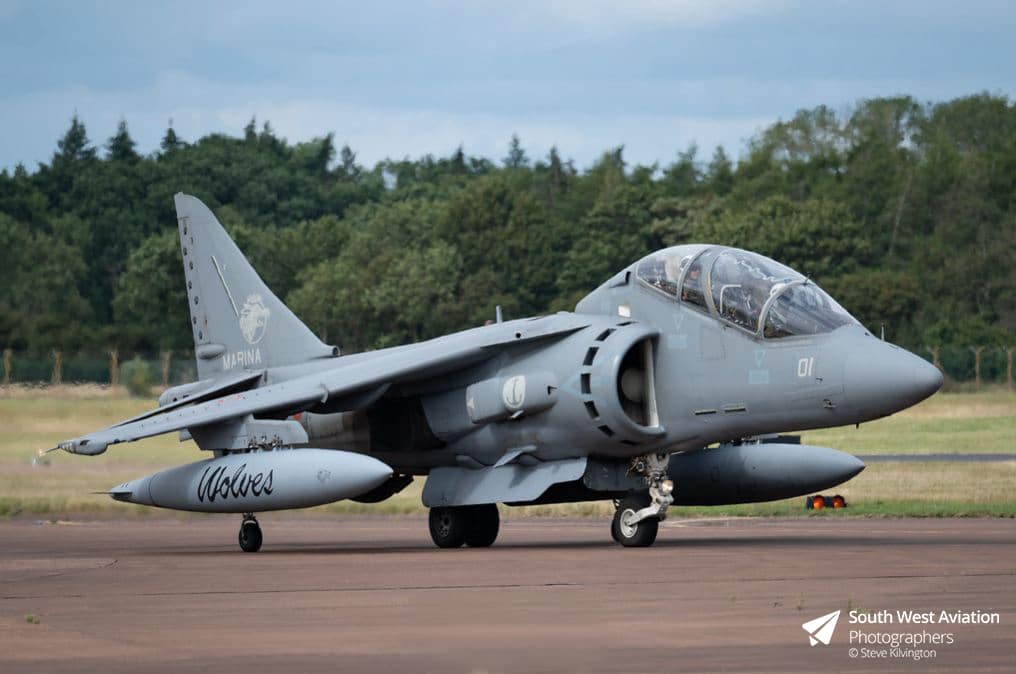
For more than 40 years, RAF Fairford and RIAT were virtually inseparable. Together they transformed a relatively quiet Gloucestershire airfield into one of the world’s most recognized aviation venues. The event not only showcased military aviation excellence but also inspired countless photographers, enthusiasts and future aerospace professionals. The history of RIAT at RAF Fairford is ultimately a story of growth, international cooperation and aviation passion. From a gathering of 100 aircraft at North Weald to a world-record-breaking military airshow attracting participants from every continent, RIAT became far more than an annual event. For generations of South West aviation photographers, it provided unforgettable images, lifelong memories and a front-row seat to modern aviation history. As anyone who has stood beside Fairford’s perimeter fence at sunrise during arrivals week will attest, there has never been quite another airshow experience like it.
Report by Gary Morris, Kevin Slade, Steve Kilvington & Matt Sudol
© South West Aviation Photographers 2026