
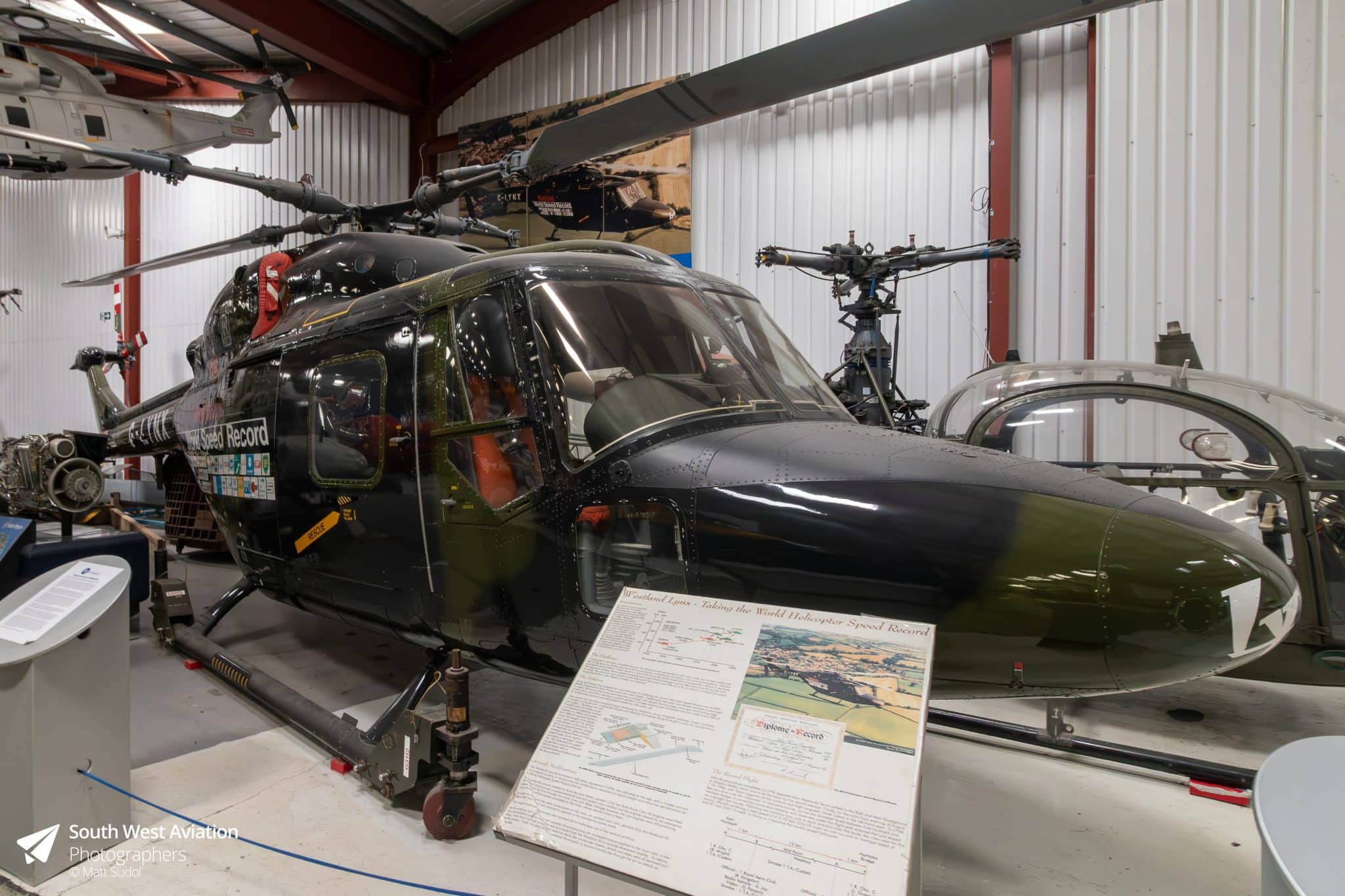
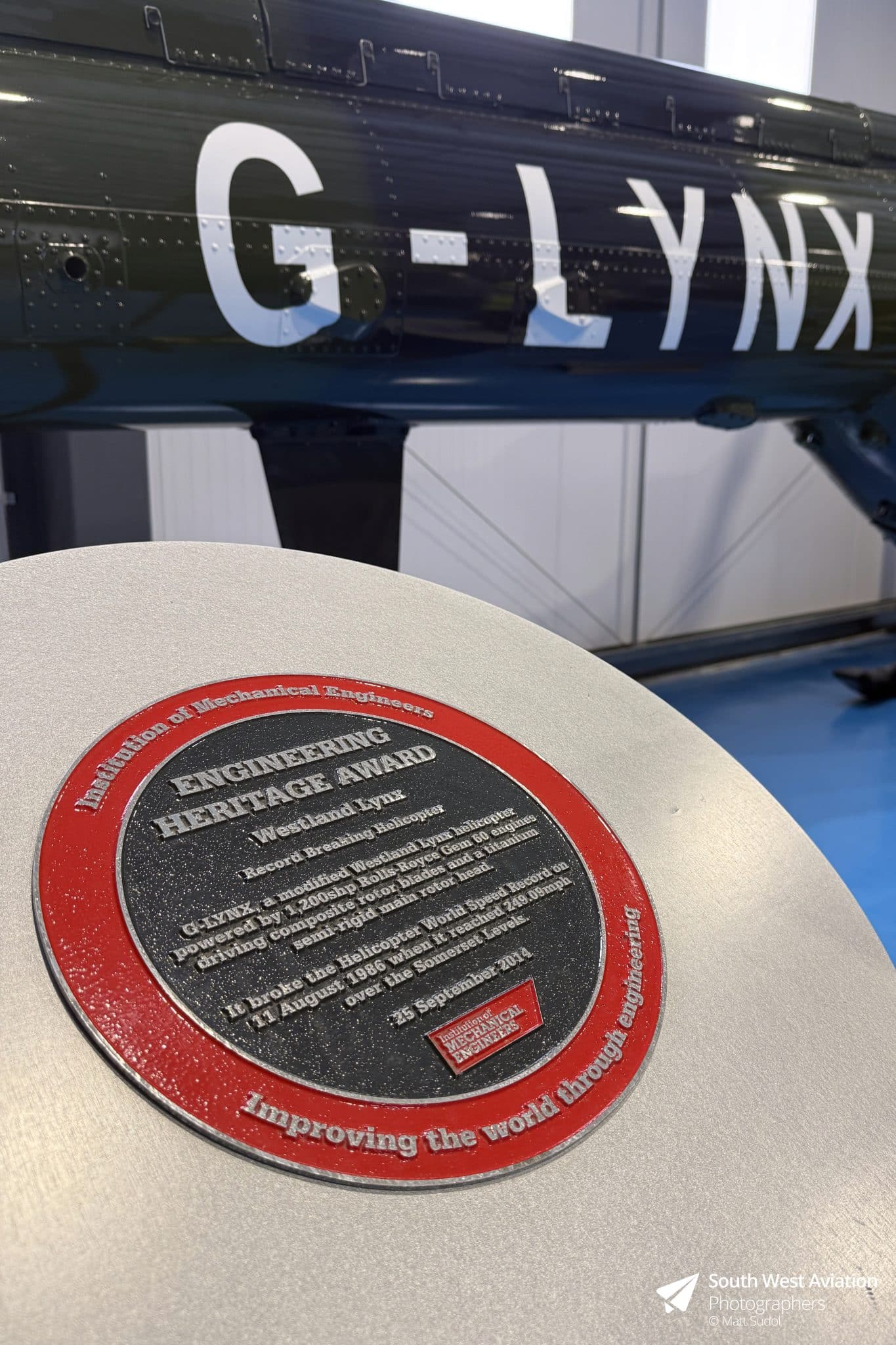
This week marked the 40th anniversary of one of the most extraordinary achievements in British rotorcraft history. On 11 August 1986, the Westland WG.13 Lynx 800, registered G‑LYNX, set the absolute world helicopter speed record, achieving an average of 400.87 km/h (249.09 mph) over a 15 km course on the Somerset Levels. Piloted by Chief Test Pilot Trevor Egginton and Flight Test Engineer Derek Clews, the aircraft showcased the very limits of helicopter aerodynamics. Its uprated Rolls‑Royce Gem 60 engines, advanced BERP rotor blades, and extensive drag‑reduction modifications allowed blade tips to reach Mach 0.97, reclaiming the record from the Soviet Mi‑24 Hind and cementing the Lynx as a landmark of British engineering—a record that still stands today. The achievement has become a defining moment not only for Westland but for the entire UK aerospace sector, symbolizing a period of innovation, ambition and technical mastery that continues to inspire engineers and aviators four decades later.
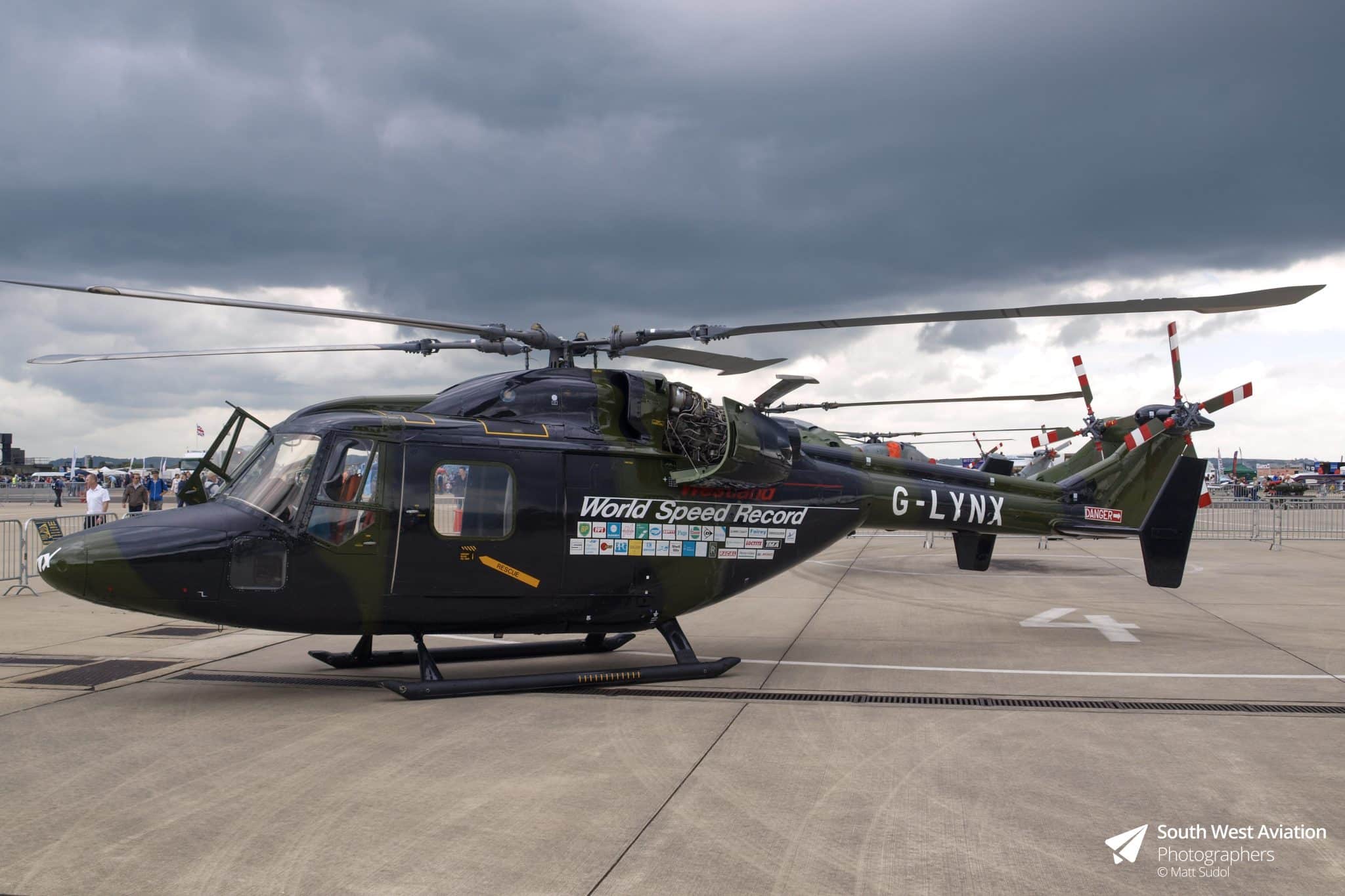
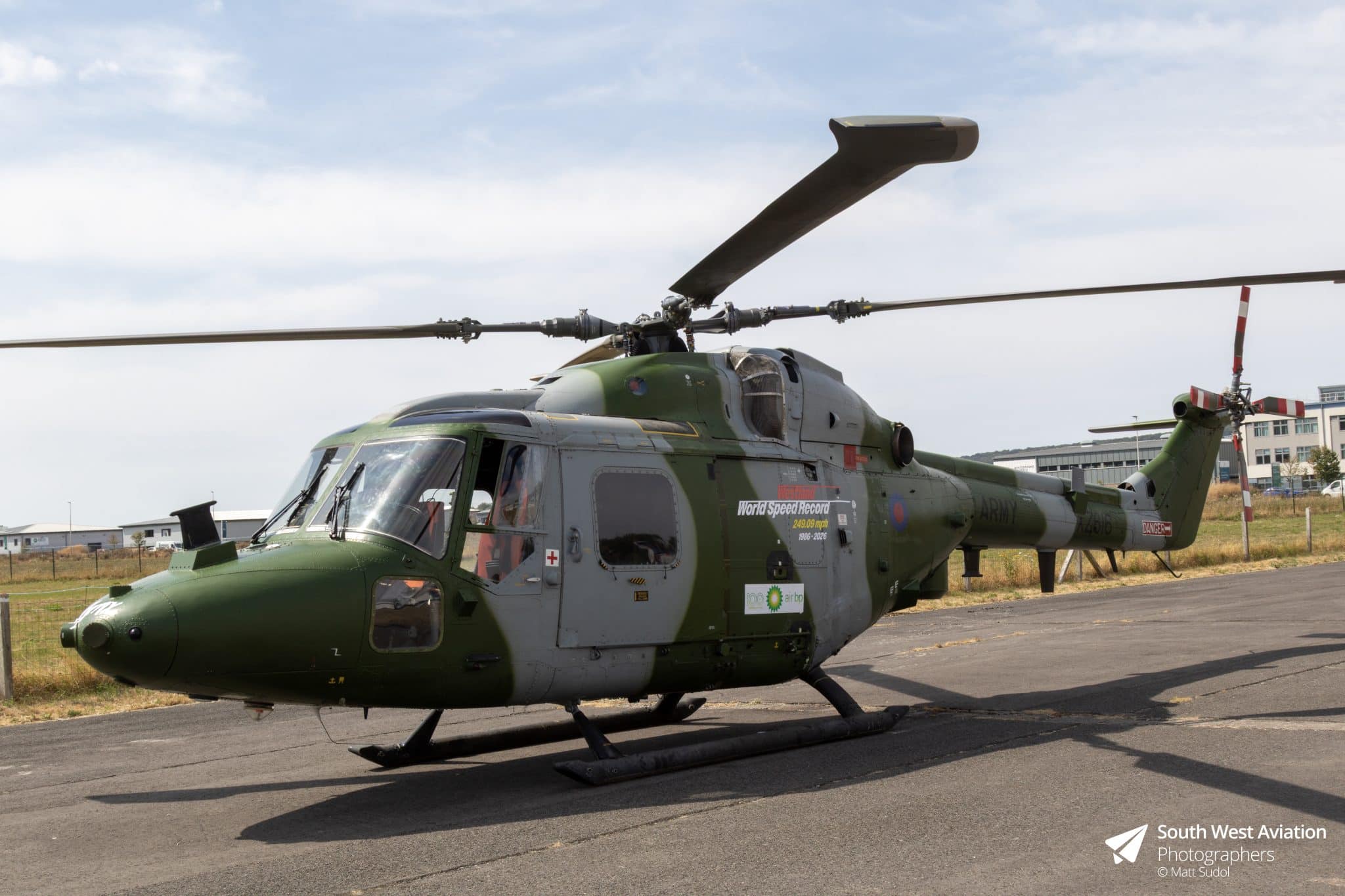
A series of events took place to honor the anniversary. At Leonardo’s Yeovil facility, two restored Army Air Corps Lynx AH.7s Historic Helicopters’ G‑LNKX/XZ616 and Project Lynx’s G‑NCKS/XZ179 re‑flew the exact route taken by G‑LYNX forty years earlier. This commemorative flight was carried out with remarkable precision, tracing the same navigation points and timing markers used during the 1986 record attempt, allowing today’s crews to experience a small part of the challenge faced by Egginton and Clews. During the return to its Norfolk base, Project Lynx also conducted an air‑to‑air photo mission with the Centre of Aviation Photography, capturing a rare tribute to the original record‑breaking run and producing imagery that visually links the past and present of British helicopter development.
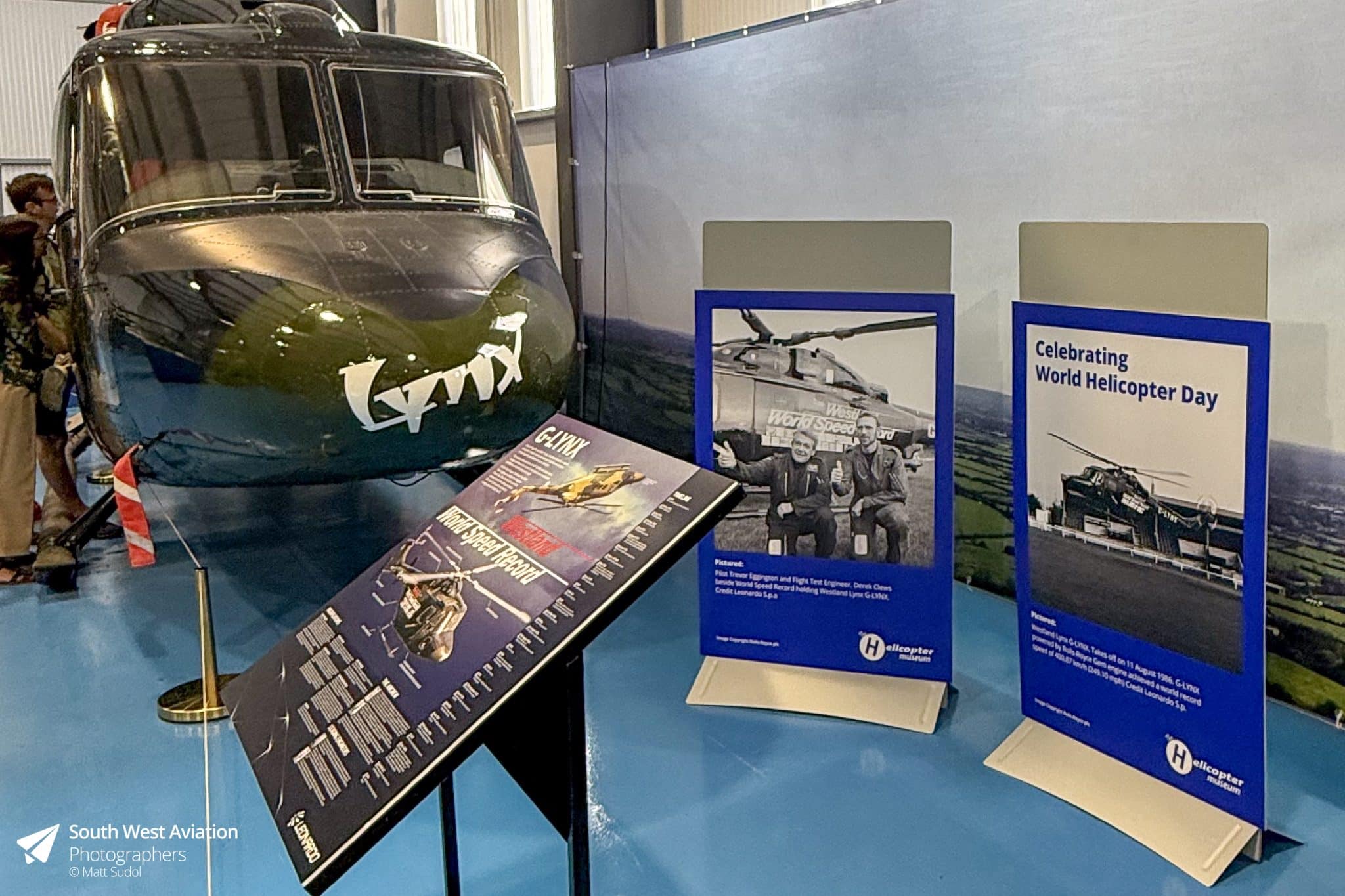
The main public celebration unfolded at The Helicopter Museum, Weston‑super‑Mare, on Sunday 16 August, coinciding with World Helicopter Day. Visitors were able to meet record‑breaking flight test engineer Derek Clews, climb aboard G‑LYNX, and learn how Rolls‑Royce pushed the Gem 60 to an extraordinary 1,260 shaft horsepower for the 1986 attempt. The museum’s Chairman of Trustees, Captain Peter Turner, also unveiled a new Leonardo‑sponsored information board documenting the history of G‑LYNX, ensuring that the story of the record flight is preserved for future generations. The atmosphere throughout the day was one of celebration and reflection, with enthusiasts, former personnel and families gathering to honor a machine that has become one of the most iconic helicopters ever produced in Britain.
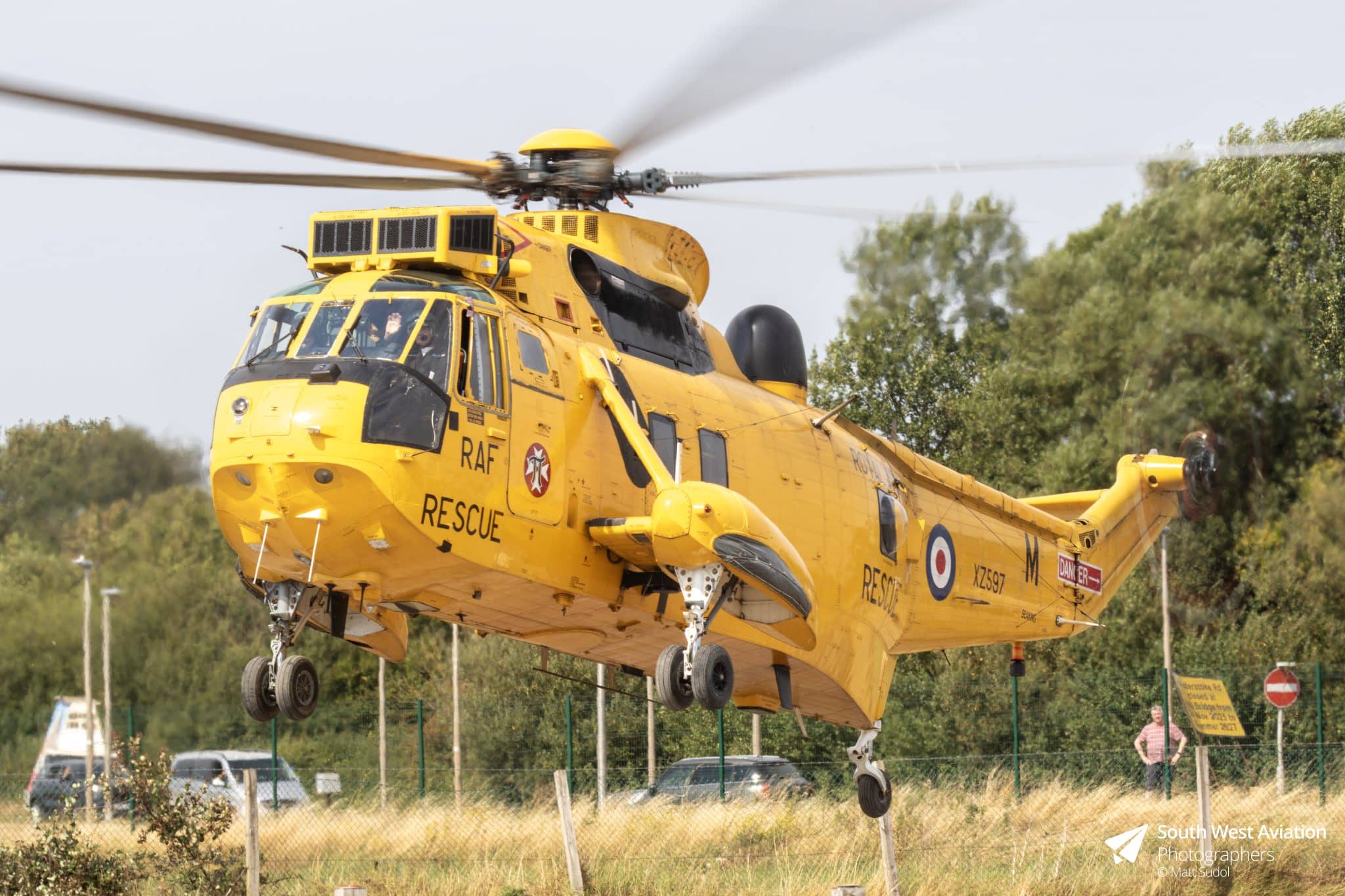
Long‑time museum supporter Andrew Whitehouse arrived with two of his aircraft, turning the museum into a living, breathing flight line. His Westland Lynx AH.7 G‑LNKX/XZ616, still wearing its commemorative 40th‑anniversary decals, joined his iconic Westland Sea King HAR.3 G‑SKNG/XZ597 on the apron. G‑LNKX (XZ616), built in 1980 (c/n 167), served with the Army Air Corps from 28 March 1980 until retirement in 2015. Restored to flight by Historic Helicopters in 2021, it became the first Lynx AH.7 to fly in private civilian ownership, a milestone that required immense engineering skill and dedication from the Historic Helicopters team. G‑SKNG (XZ597), delivered in 1982, is an ex‑RAF Sea King HAR.3 long associated with No. 22 Squadron and the classic yellow UK SAR fleet. Now privately operated, it remains one of the most recognizable surviving HAR.3s, and its arrival at Weston‑super‑Mare added a powerful sense of nostalgia, reminding visitors of the Sea King’s decades of life‑saving service across the UK.
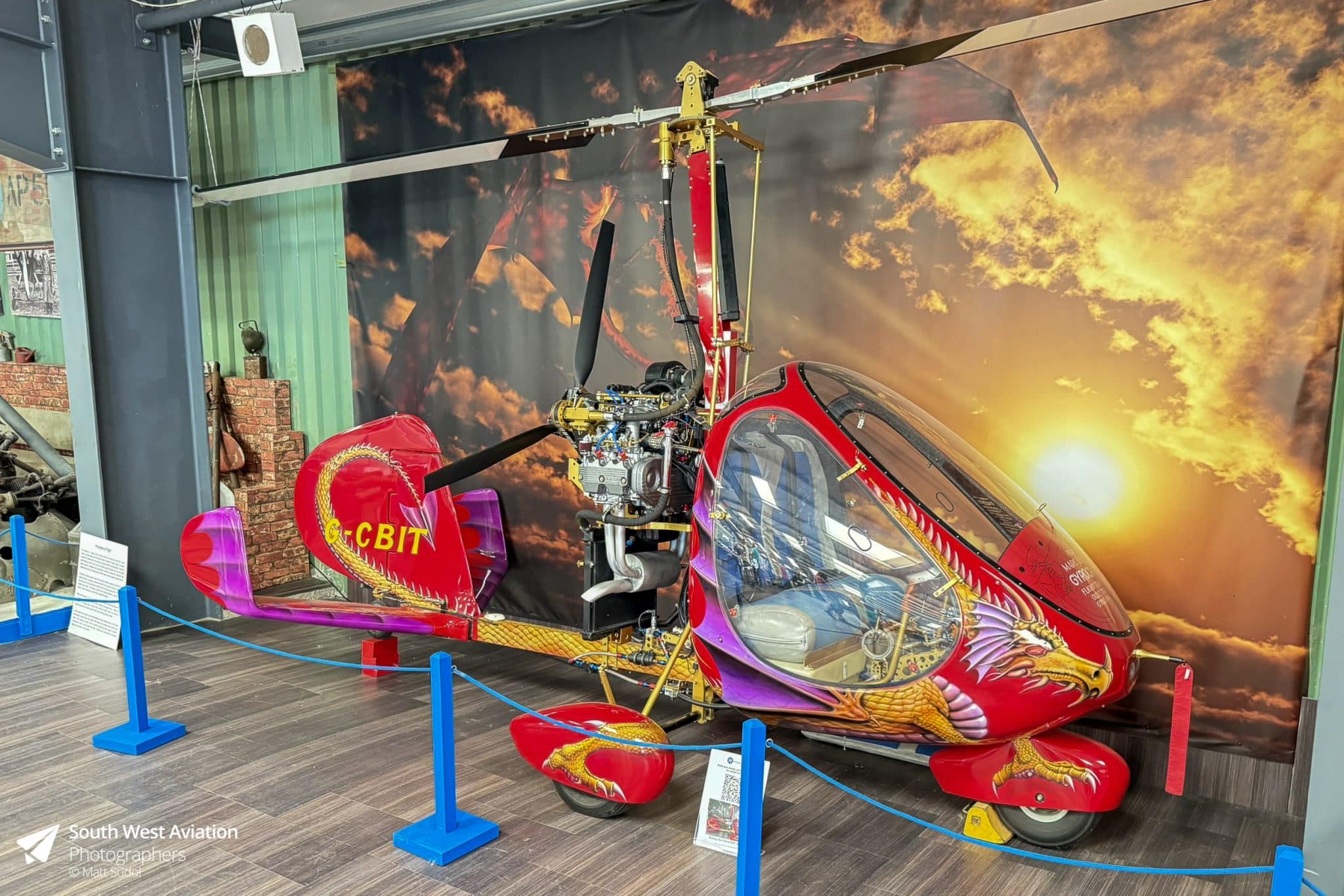
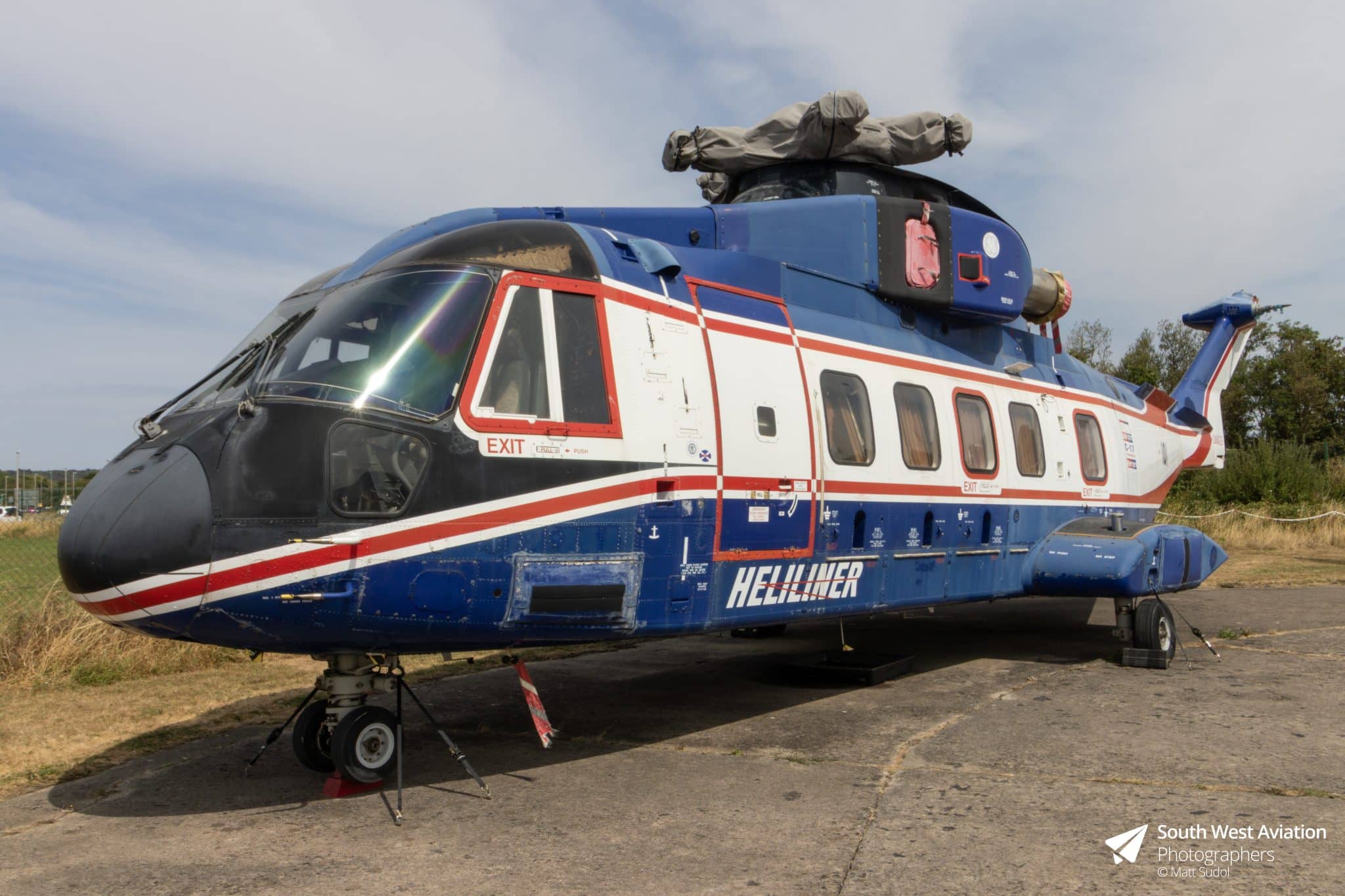
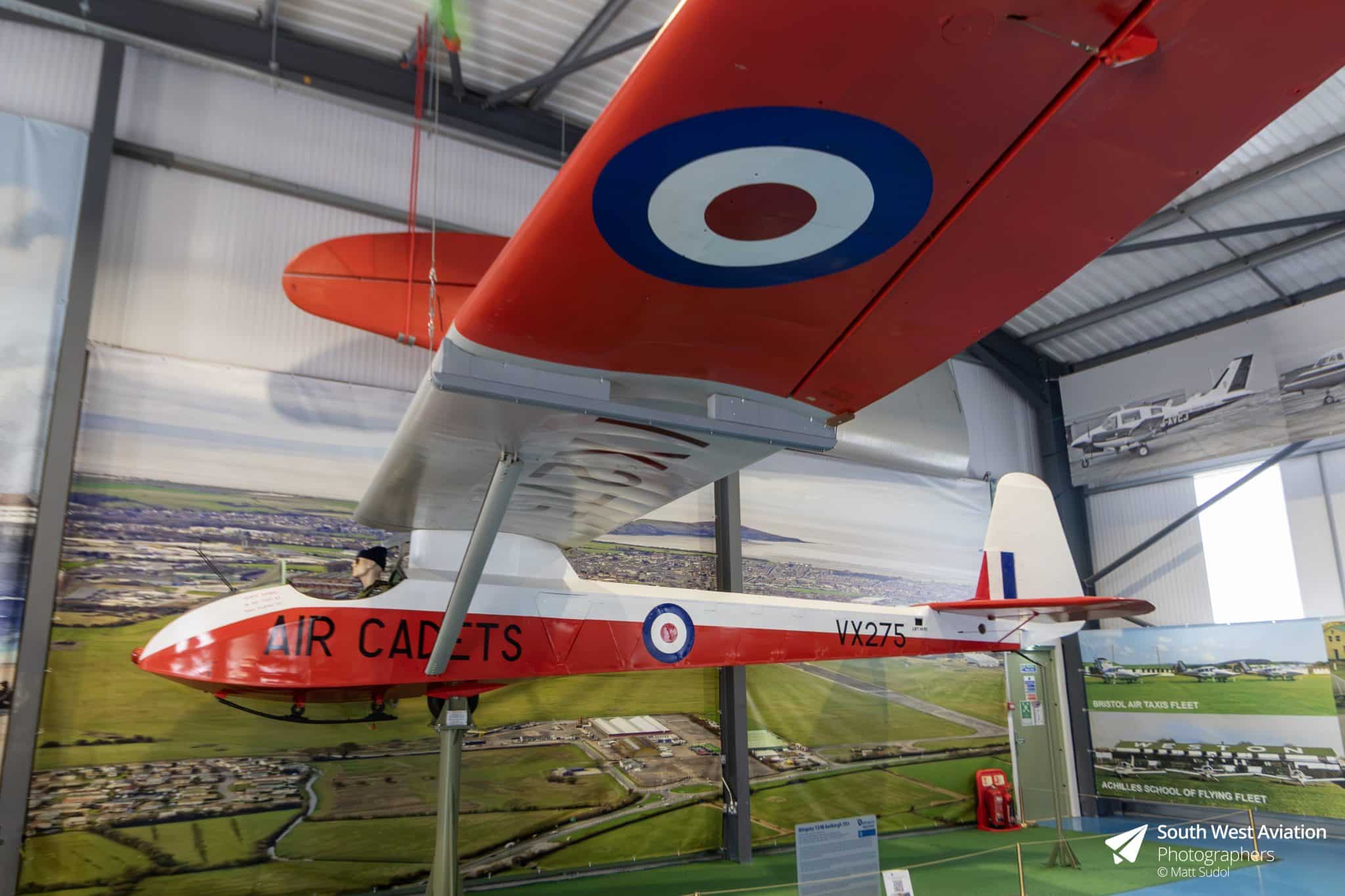
It has been six years since our last report on The Helicopter Museum, then still navigating COVID‑19 restrictions. The transformation since has been remarkable. Through RAF Museum disposals and MOD instructional fleet reductions, the museum has gained: a second Bristol 192 Belvedere HC.1 (XG454), a second EH Industries EH101 (G‑17‑101), a Slingsby T.21 Sedbergh TX.1 and a Westland Sea King HAS.6 from HMS Sultan. Private acquisitions have added a MD Helicopters MD 902 Explorer and a Rotary Air Force 2000 GTX SE. The newly constructed Weston Aviation Heritage Hangar now houses the Sedbergh, two Sycamores, two Belvederes, and G‑LYNX itself. The additional space has enabled a complete redesign of the museum’s layout. The recently restored Westland WS.55 Whirlwind HCC.12 has moved into the Hafner Hangar ahead of a major refurbishment that will dedicate the space to former Queen’s Flight aircraft. Meanwhile, the restoration hangar is now clear for work to accelerate on the Vertol CH‑21C Shawnee, and the long‑term resident Belvedere HC.1 (G‑BRMB) has been temporarily moved outside offering photographers new angles previously impossible. These changes reflect a museum that is not only preserving history but actively evolving, restoring and presenting aircraft in ways that deepen public engagement and broaden the scope of its collection.
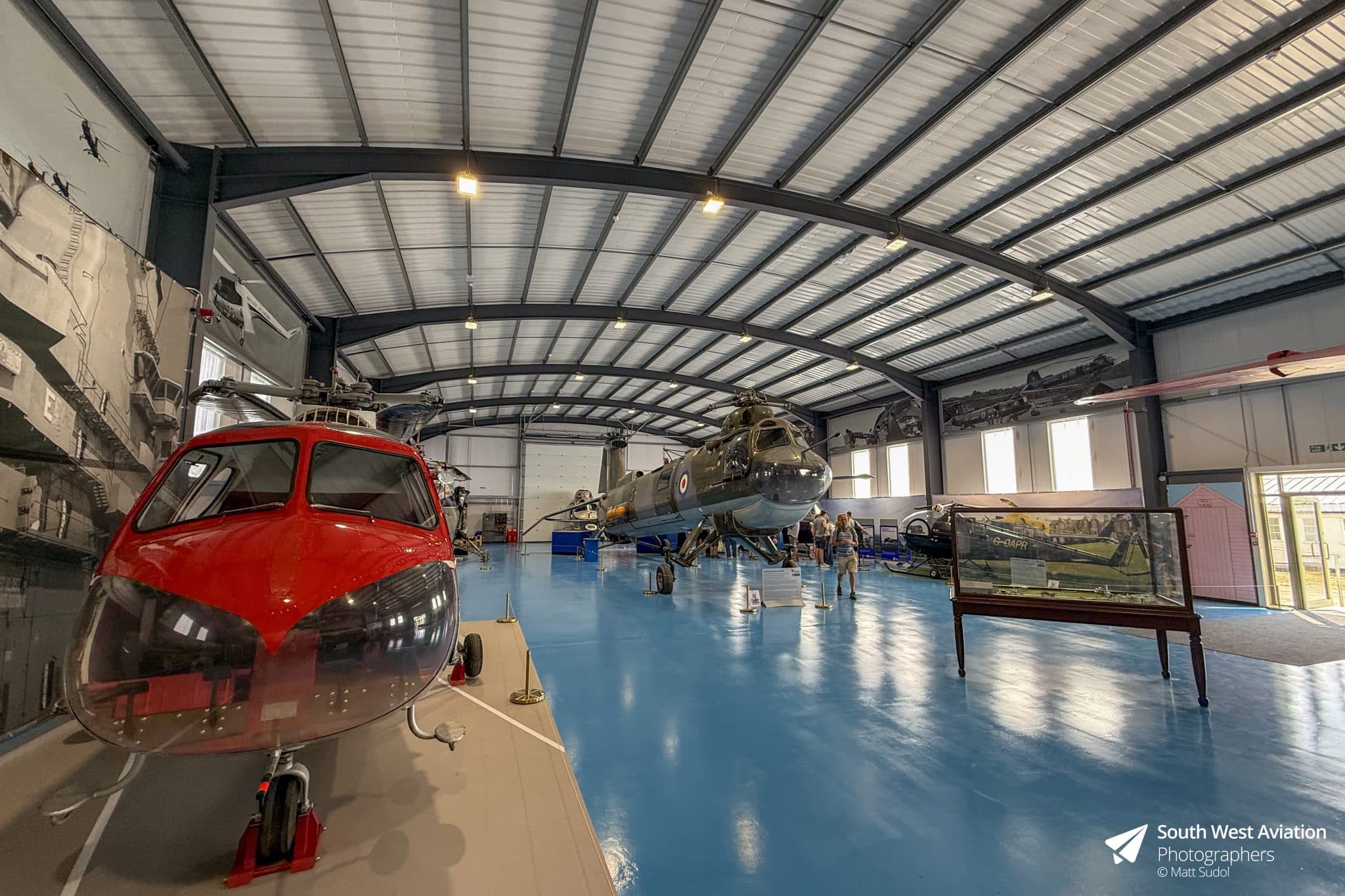
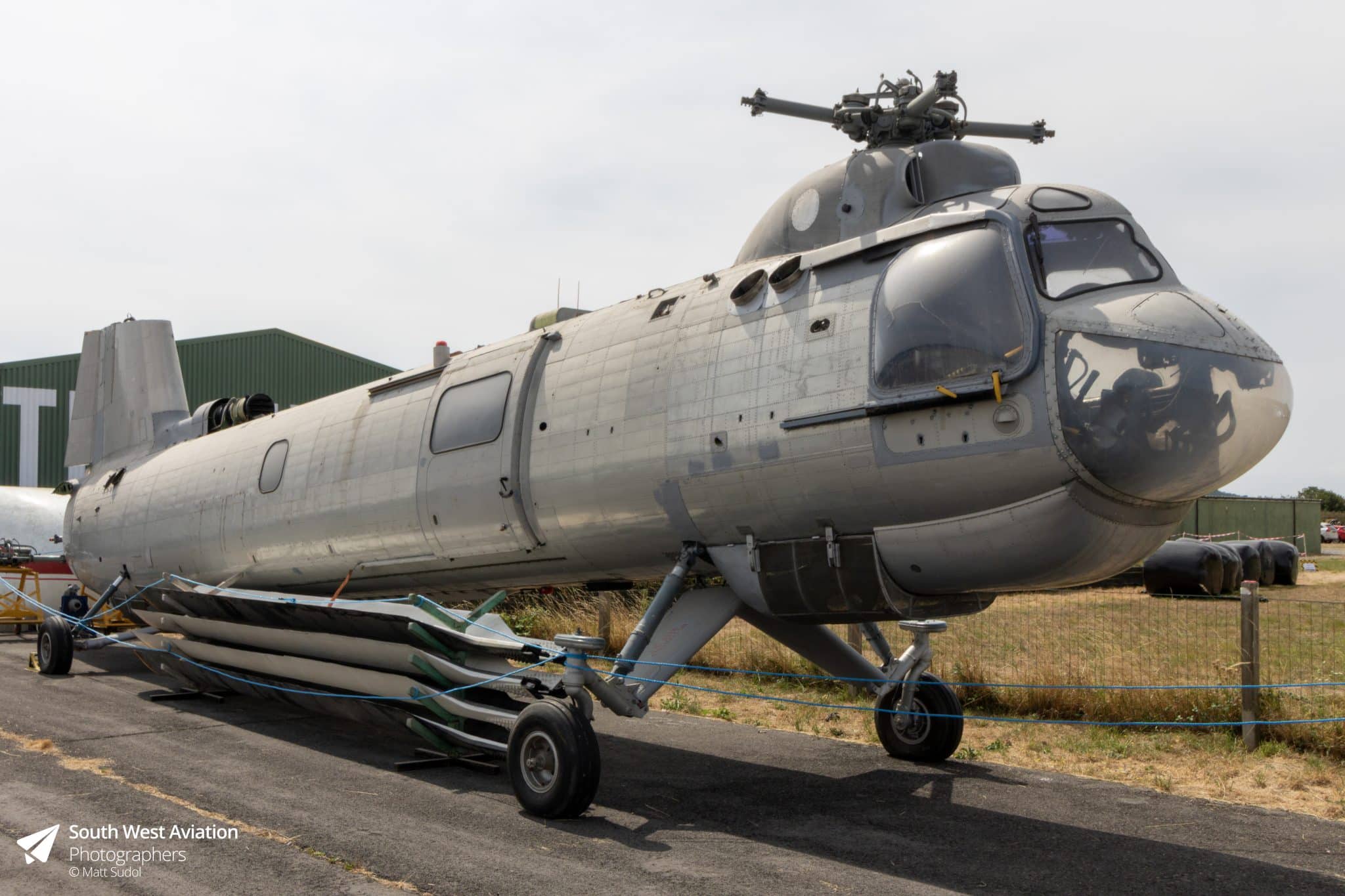
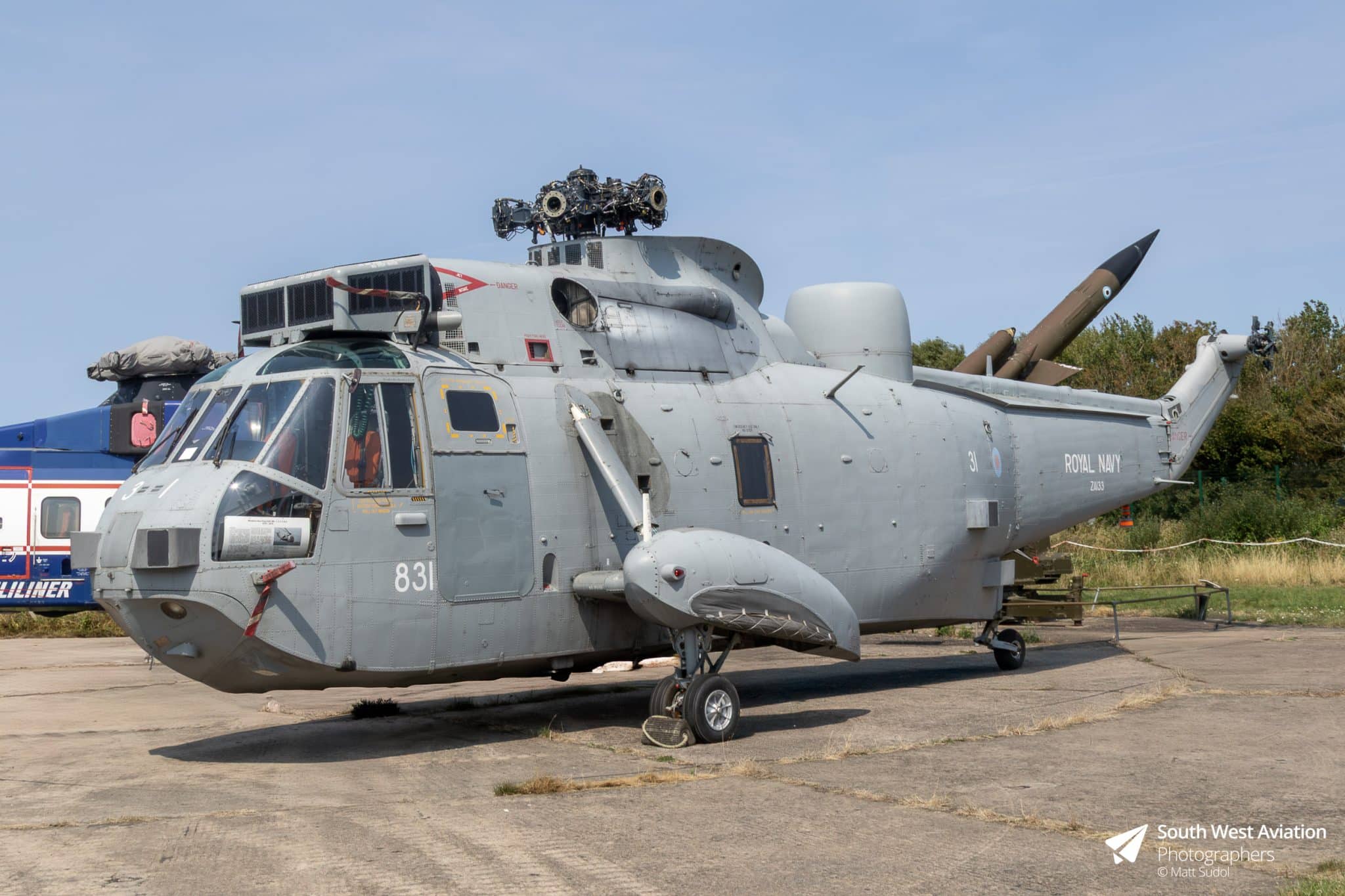
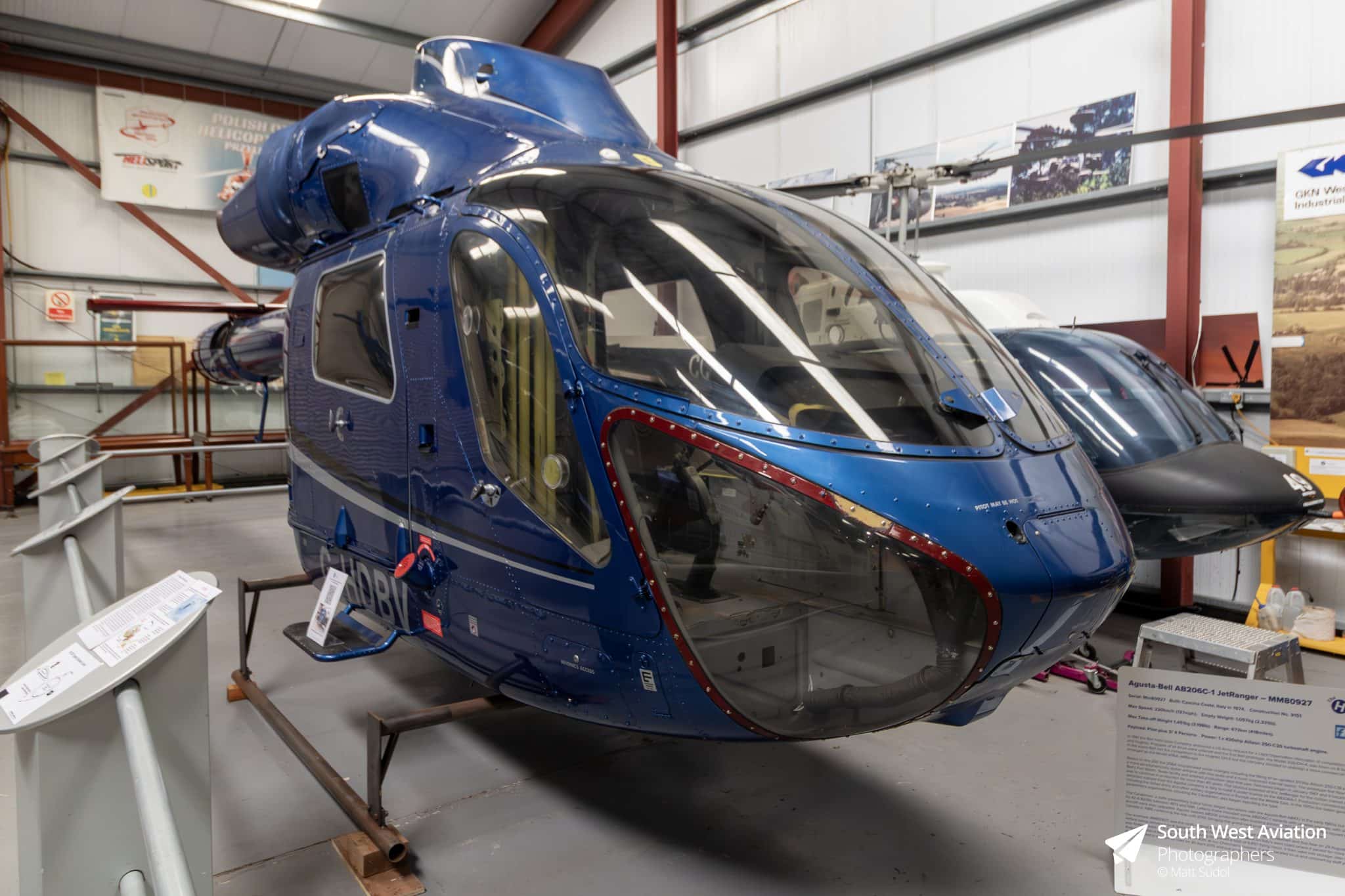
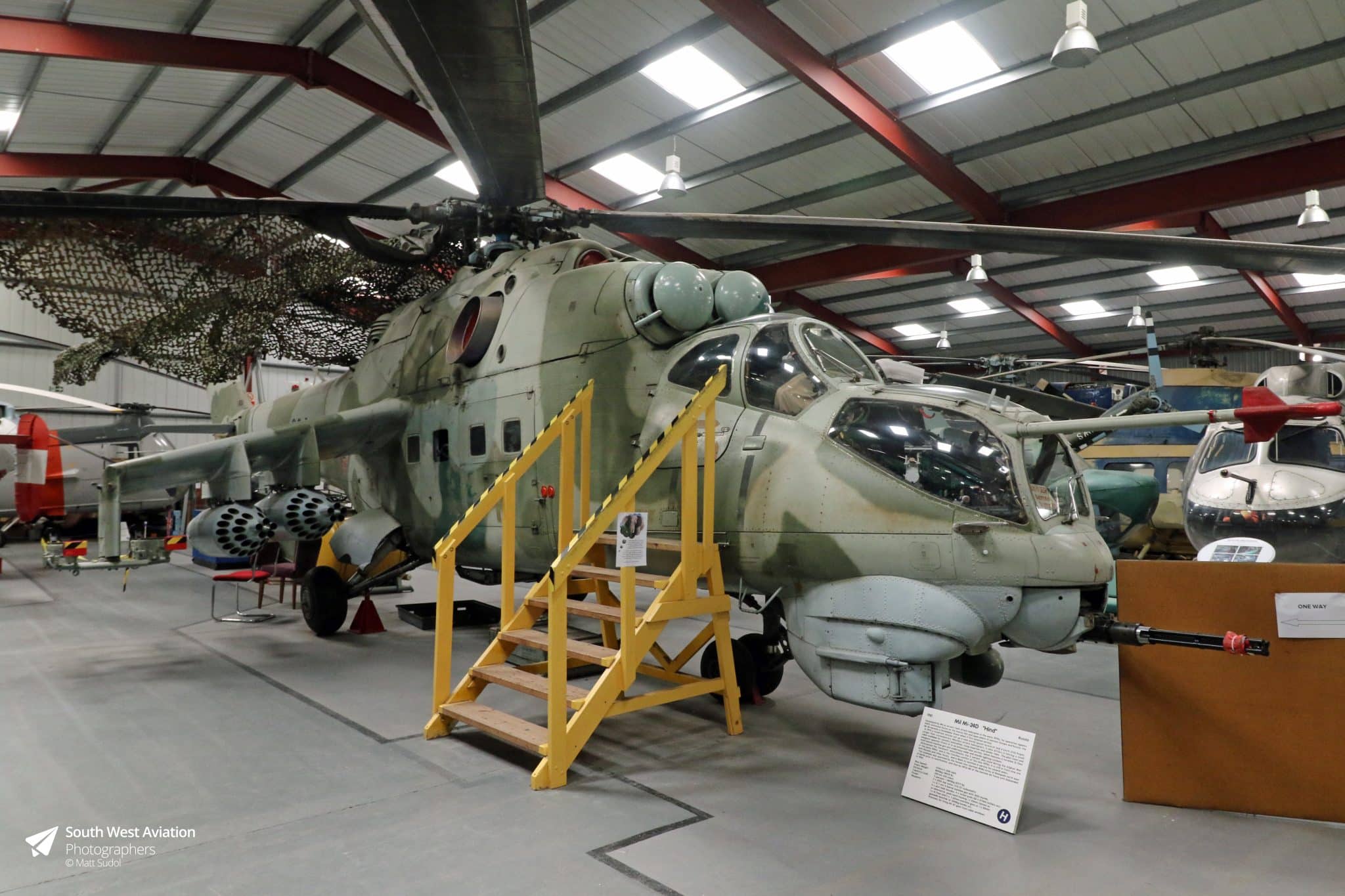
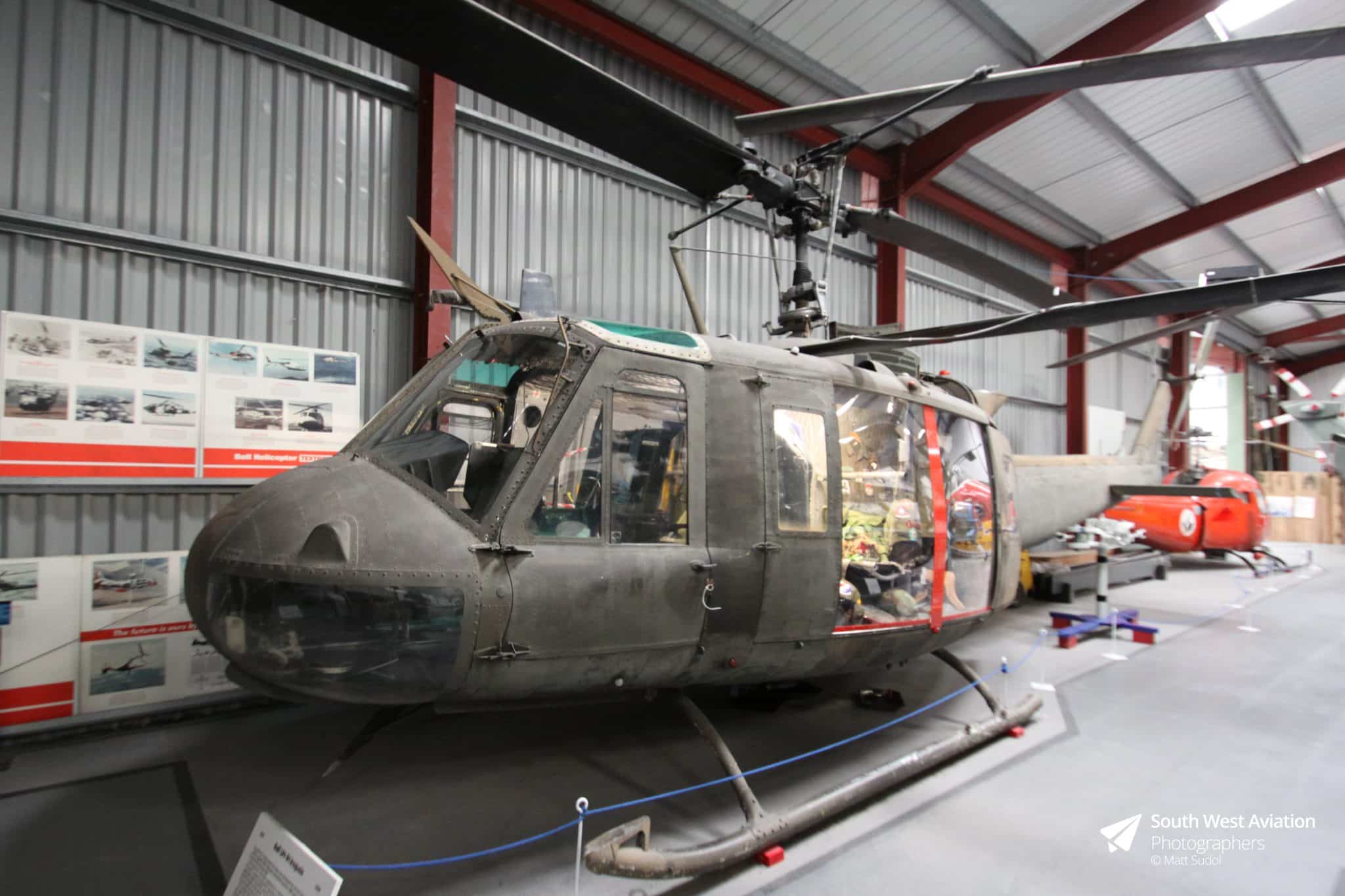
Throughout the year, the museum hosts open‑cockpit days, allowing visitors to sit in selected aircraft at no extra charge. For World Helicopter Day, several of the museum’s most iconic helicopters were opened, including the Westland Gazelle AH.1, Mil Mi‑8P, Mil Mi‑24D, Bell UH‑1H Iroquois, and of course the Westland WG.13 Lynx 800 G‑LYNX. These open‑cockpit opportunities remain one of the museum’s most popular attractions, offering visitors a rare chance to experience the unique atmosphere of historic rotorcraft from the pilot’s seat. Combined with the anniversary celebrations, they helped create a memorable and immersive day that honored the past, celebrated the present, and inspired future generations of helicopter enthusiasts.

As the celebrations drew to a close, the significance of the anniversary was felt not only in the aircraft on display but in the people who came together to honor them. The record set by G‑LYNX remains a defining moment in British aviation, and the events of this week demonstrated how strongly that legacy endures. With continued restoration work, new additions to The Helicopter Museum, and the passion of operators and enthusiasts alike, the story of the Lynx and the wider heritage of UK rotorcraft continues to grow, ensuring that future generations will be able to experience, appreciate and be inspired by these remarkable machines.
South West Aviation Photographers would like to thank all at The Helicopter Museum for making this article possible.
Report by Matt Sudol
© South West Aviation Photographers 2026