
When Pat Fillingham lifted the prototype off the runway at Downsview, Toronto, on 22 May 1946, no one could have imagined that the De Havilland DHC‑1 Chipmunk would still be flying eighty years later—let alone still serving in front‑line military roles. Yet that is exactly what will be celebrated in 2026.
The Chipmunk entered service with the Força Aérea Portuguesa on 5 November 1951, assigned to the Escola Militar de Aeronáutica at Base Aérea N.º 1, Sintra. Today, it remains Europe’s oldest operational military aircraft. At its peak, Portugal operated seventy‑six airframes: the first ten built by De Havilland in the UK, with the remainder produced locally by OGMA at Alverca. The Chipmunk replaced another De Havilland design the DH.82 Tiger Moth which OGMA had also built under license.
By the late 1980s, the Chipmunk’s long tenure in basic flying training was drawing to a close. The arrival of the Socata TB‑30 Epsilon at Sintra in 1987 marked the beginning of a modernized training system, and over the next two years the Epsilon fully replaced the Chipmunk in the basic syllabus, taking over the role entirely by 1989.
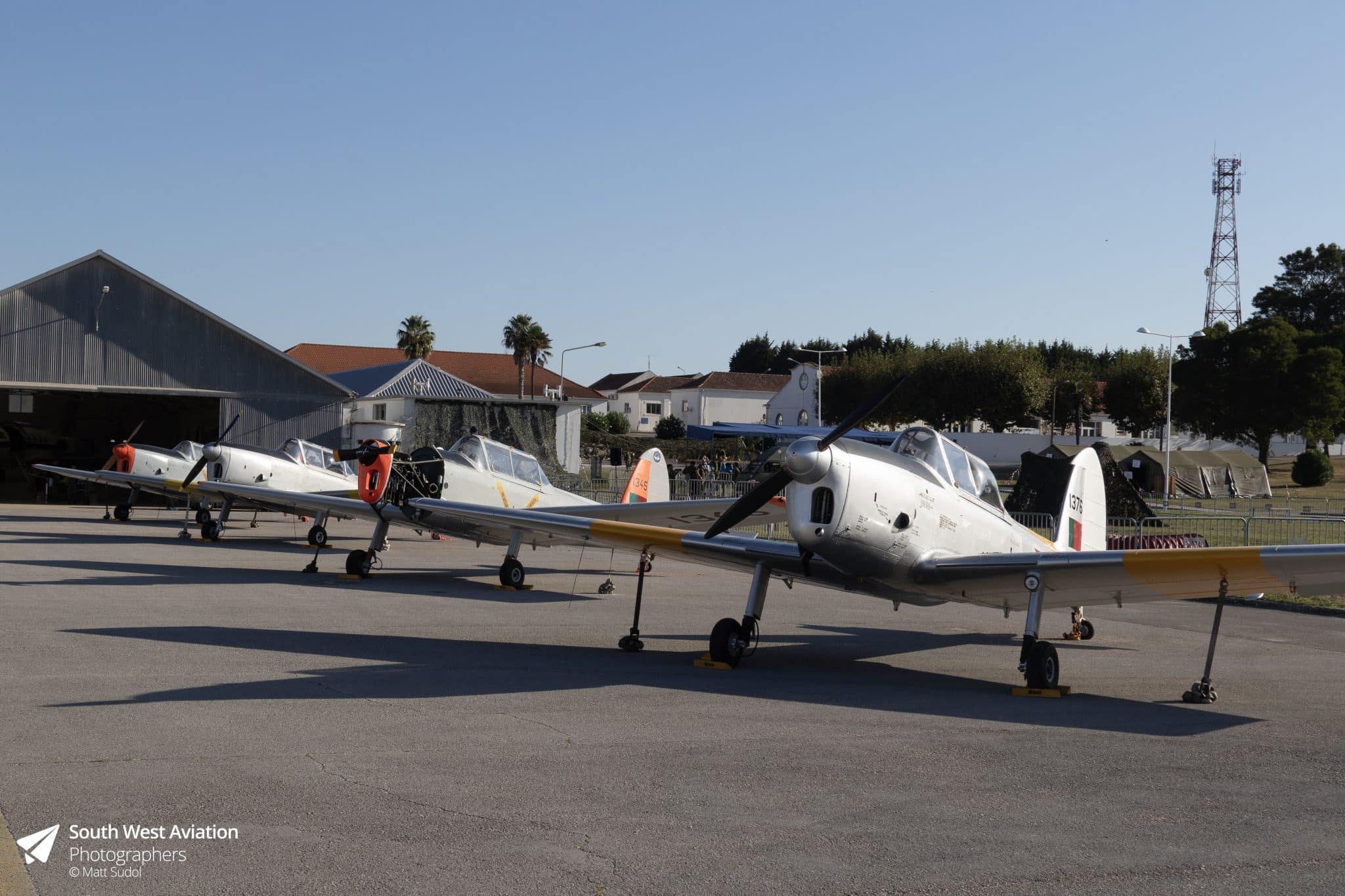
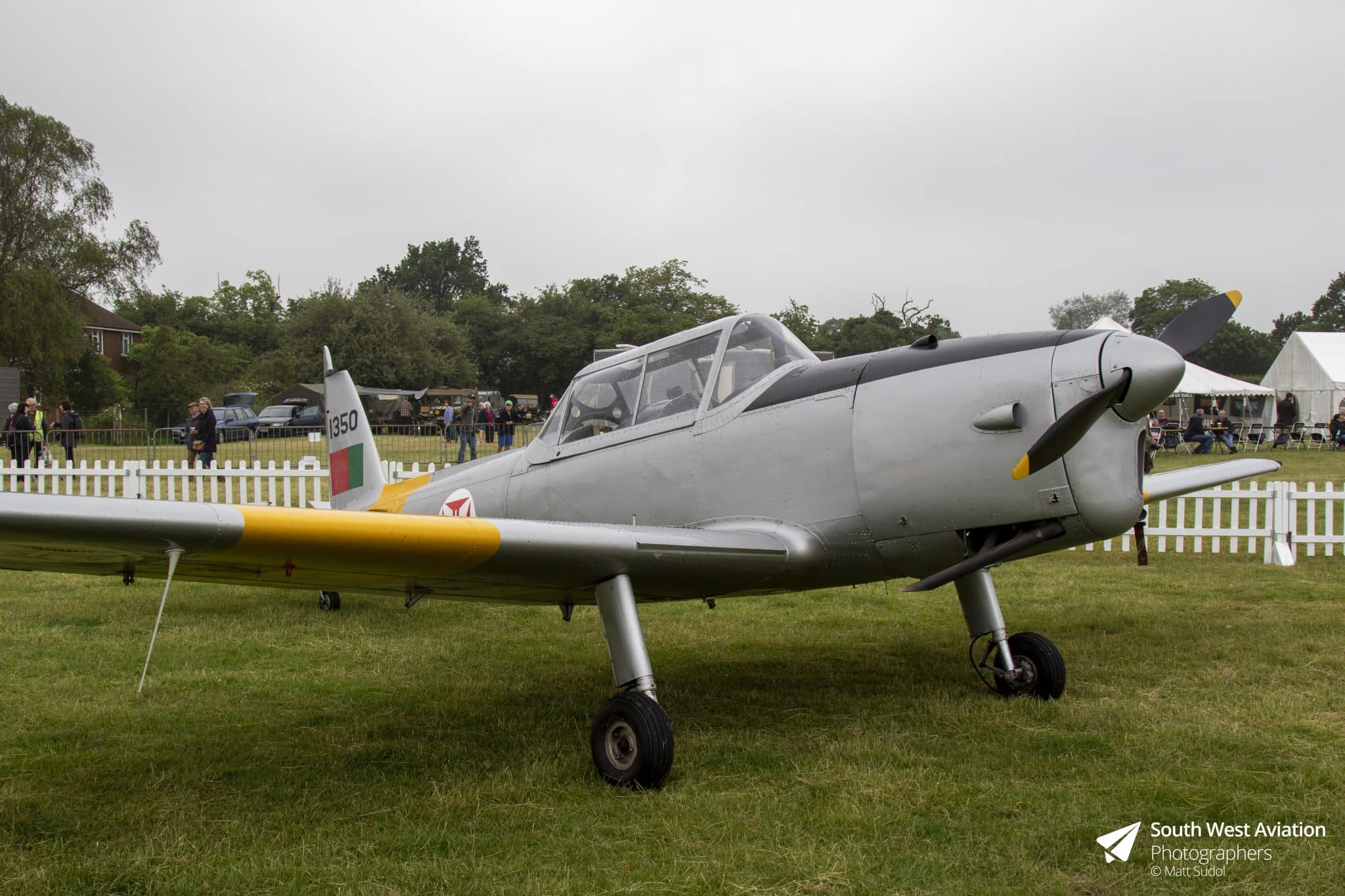
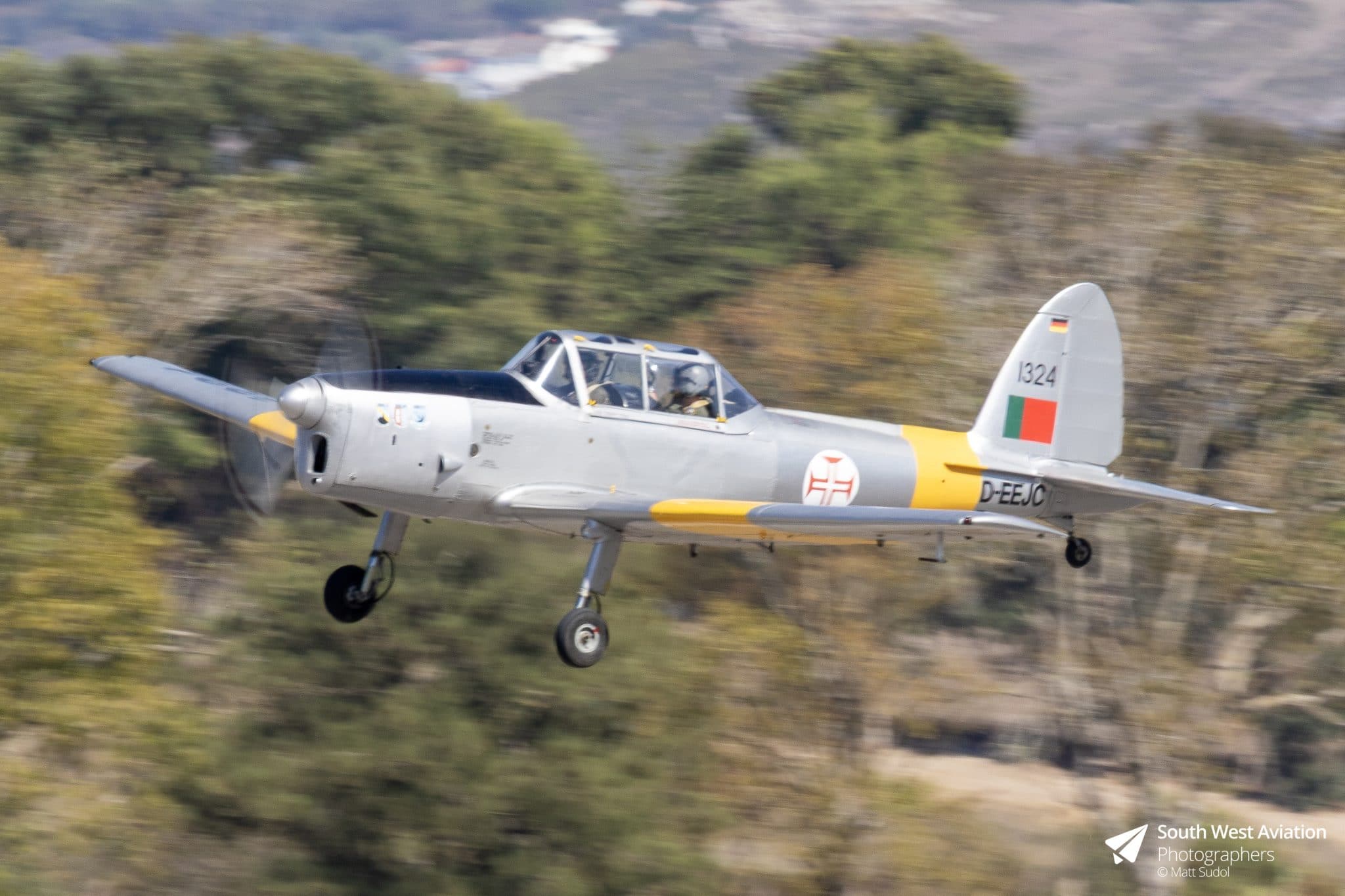
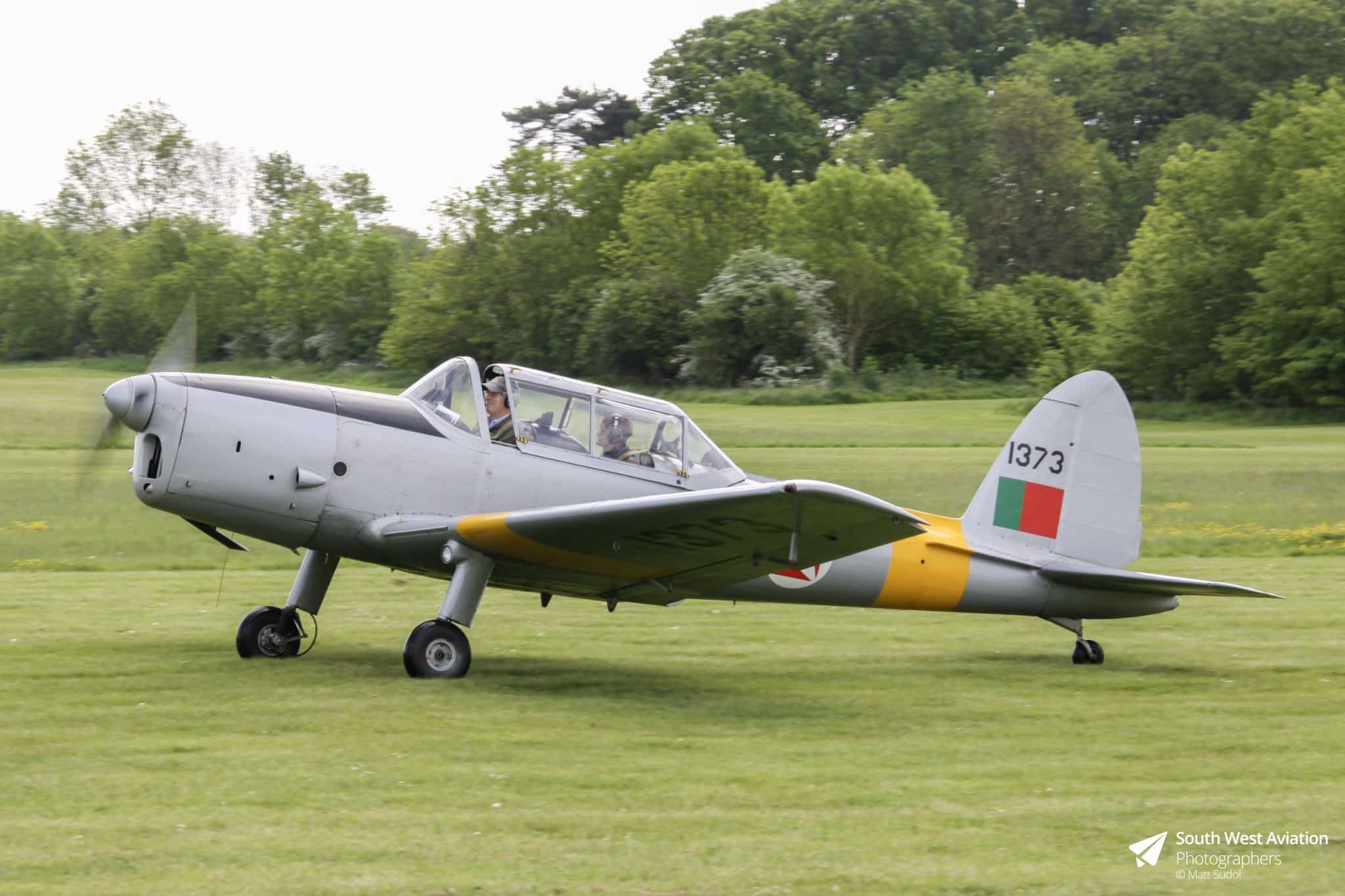
Today, six OGMA‑built DHC‑1 Chipmunk Mk.20 (Mod) remain in service with Esquadra 802 at the Academia da Força Aérea, still based at Sintra. They carry out three distinct tasks: flying grading for potential Air Force pilots, elementary flying training, and glider towing. The OGMA‑built Mk.20 (Mod) differs from the original De Havilland Canada Mk.20 primarily in its powerplant, systems, and several structural and production details. The Portuguese‑assembled aircraft were license‑built to the British/Portuguese standard rather than the Canadian design, meaning they shared the UK airframe configuration rather than the Canadian‑specific structural differences such as gauge variations, subsystem layouts, and non‑interchangeable components. The major divergence came later. In 1989, OGMA carried out a comprehensive modernization programme that replaced the original 145 hp Gipsy Major with the 180 hp Lycoming O‑360, significantly improving performance and making the aircraft far more capable for towing and training tasks. Additional avionics and radio upgrades followed in 2000, giving the OGMA‑modified Mk.20 a more contemporary cockpit than the unmodified Canadian‑built Mk.20. In short, the OGMA Mk.20 (Mod) is a license‑built British‑pattern Chipmunk that has been re‑engined and modernized for continued military service, whereas the Canadian Mk.20 retains its original structure, systems, and Gipsy Major powerplant.
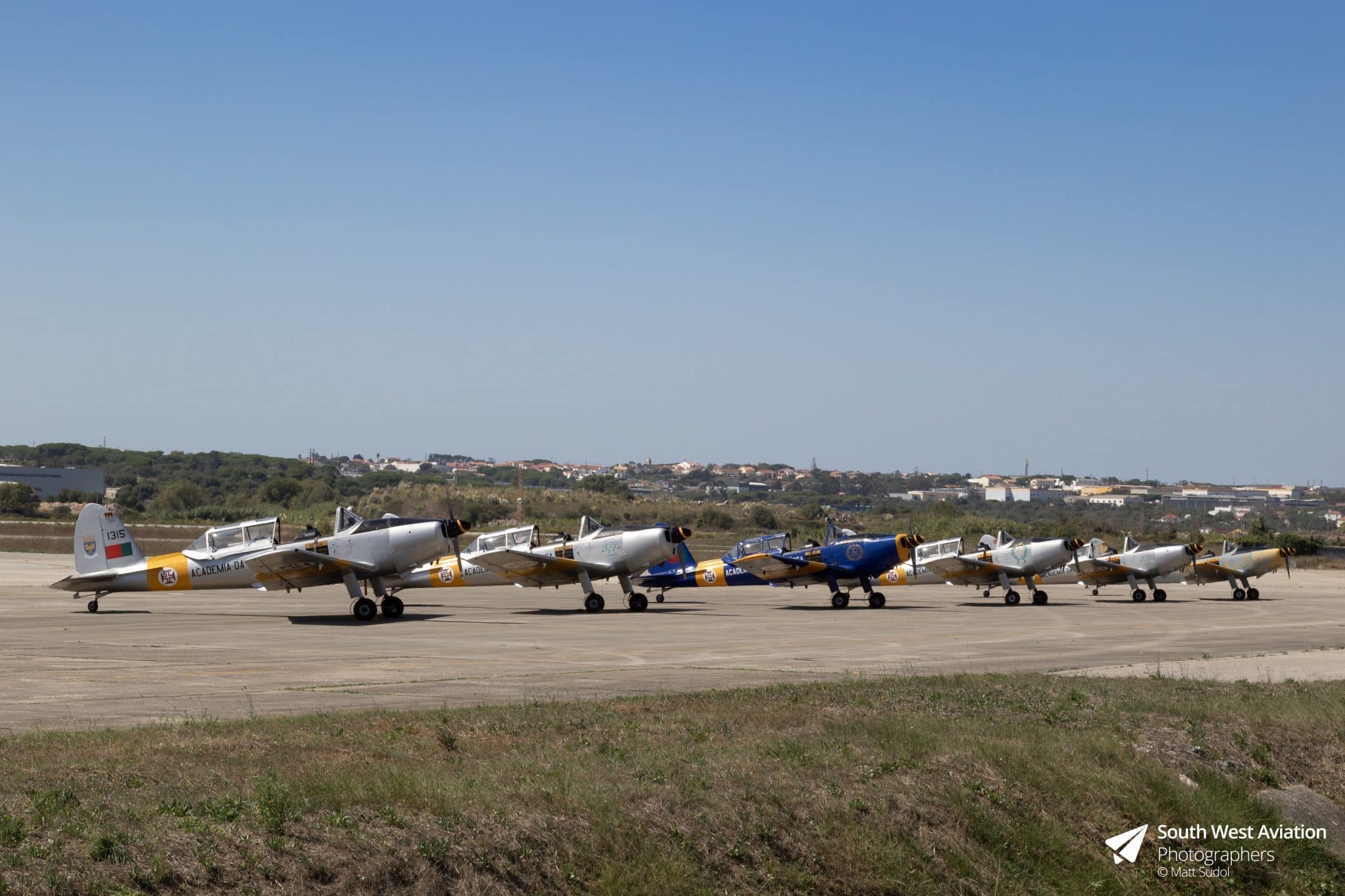
Flying grading known locally as Estágio de Seleção para o Voo is where every Portuguese Air Force pilot begins their flying career. After several hours of ground school covering aircraft systems, limitations, cockpit procedures, basic aerodynamics, and emergency actions, candidates must pass a written exam with a minimum score of 75 percent. Only then do they progress to the flying phase, where instructors from Esquadra 802 evaluate each candidate’s raw aptitude over several days. Grading focuses on coordination, mental capacity, adaptability, judgement, airmanship, and learning rate. The OGMA Chipmunk Mk.20 (Mod) is the perfect aircraft for this phase. Its light, responsive controls and unforgiving rudder discipline expose a candidate’s true flying ability within minutes. With simple avionics, aerobatic capability, and no automation to hide behind, it remains a pure, honest platform that instantly reveals judgement, coordination, and potential.
Alongside Chipmunk time, cadet pilots also fly one of Esquadra 802’s three Schleicher ASK‑21 gliders. The Lycoming‑powered Chipmunk Mk.20 (Mod) is ideally suited to the towing role, providing a reliable and responsive launch platform for the Academia da Força Aérea’s gliding programme. Delivering 180 horsepower, it offers far stronger climb performance than the original Gipsy Major—particularly valuable in warm Portuguese summer conditions where density altitude can degrade performance. The Lycoming’s reliability, smooth running, and rapid throttle response make it ideal for the precise power changes required during tow operations. Combined with the Chipmunk’s low empty weight, excellent visibility, and stable low‑speed handling, it provides a predictable, responsive tow platform that instructors trust.
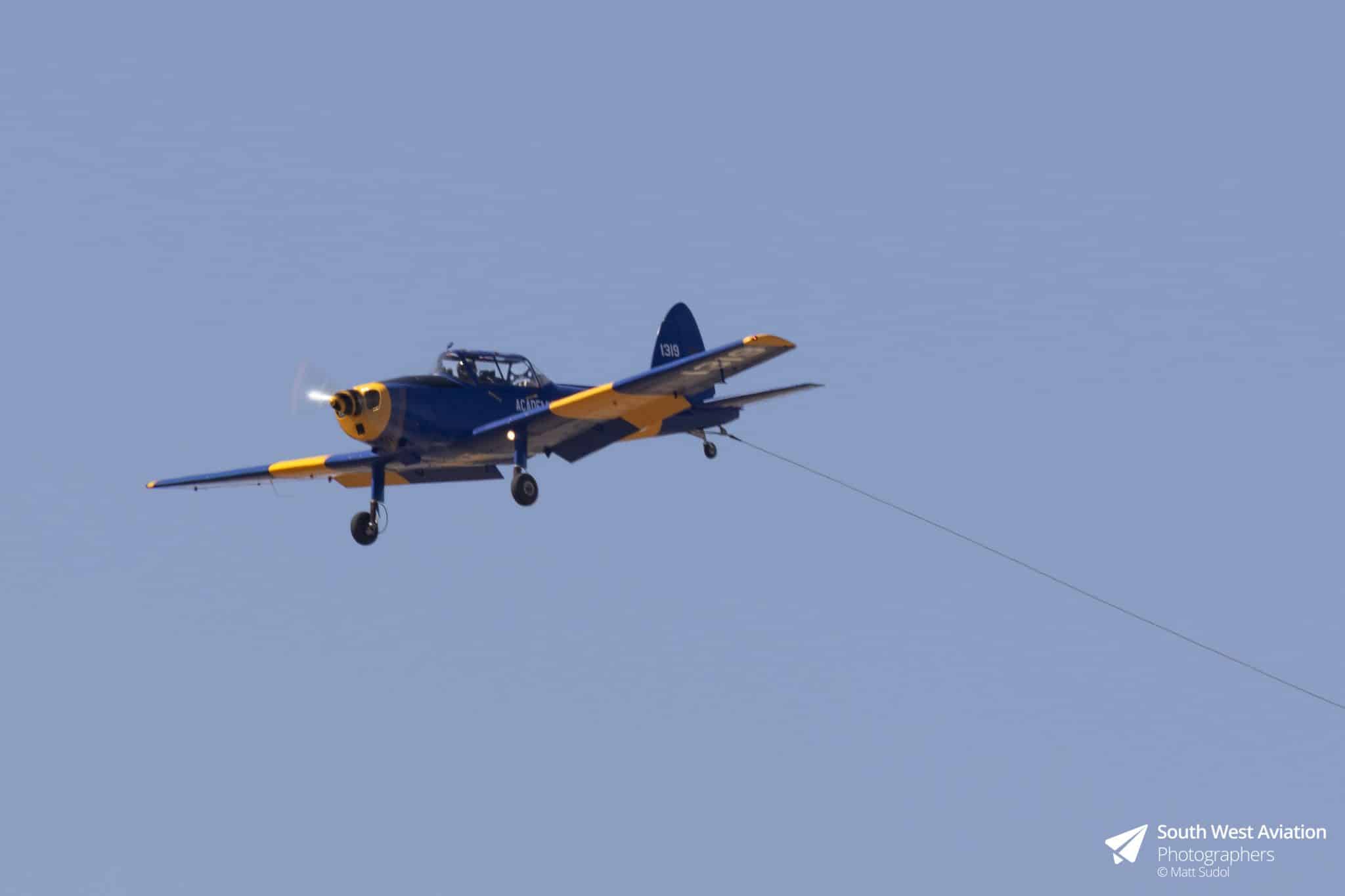
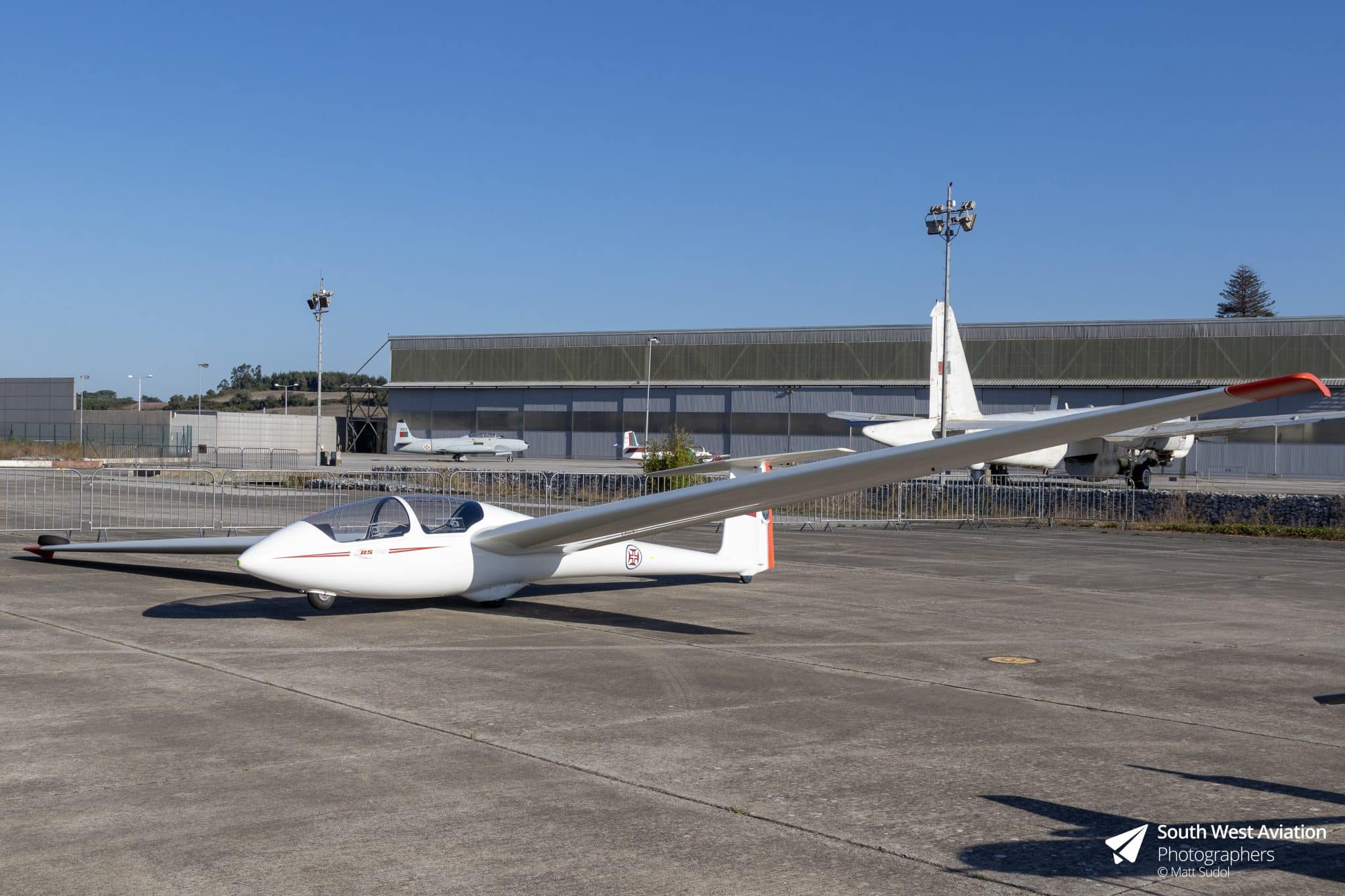
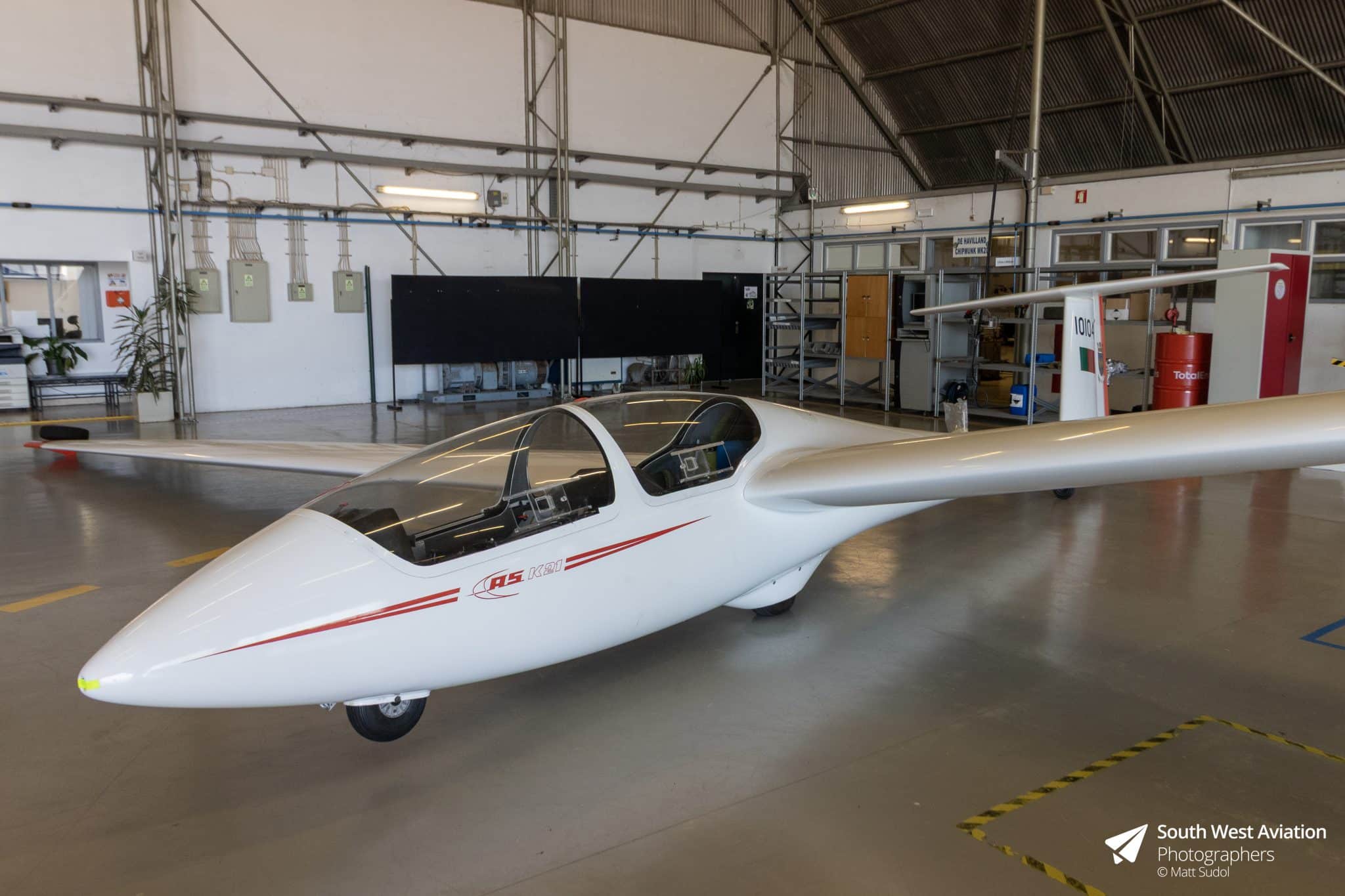
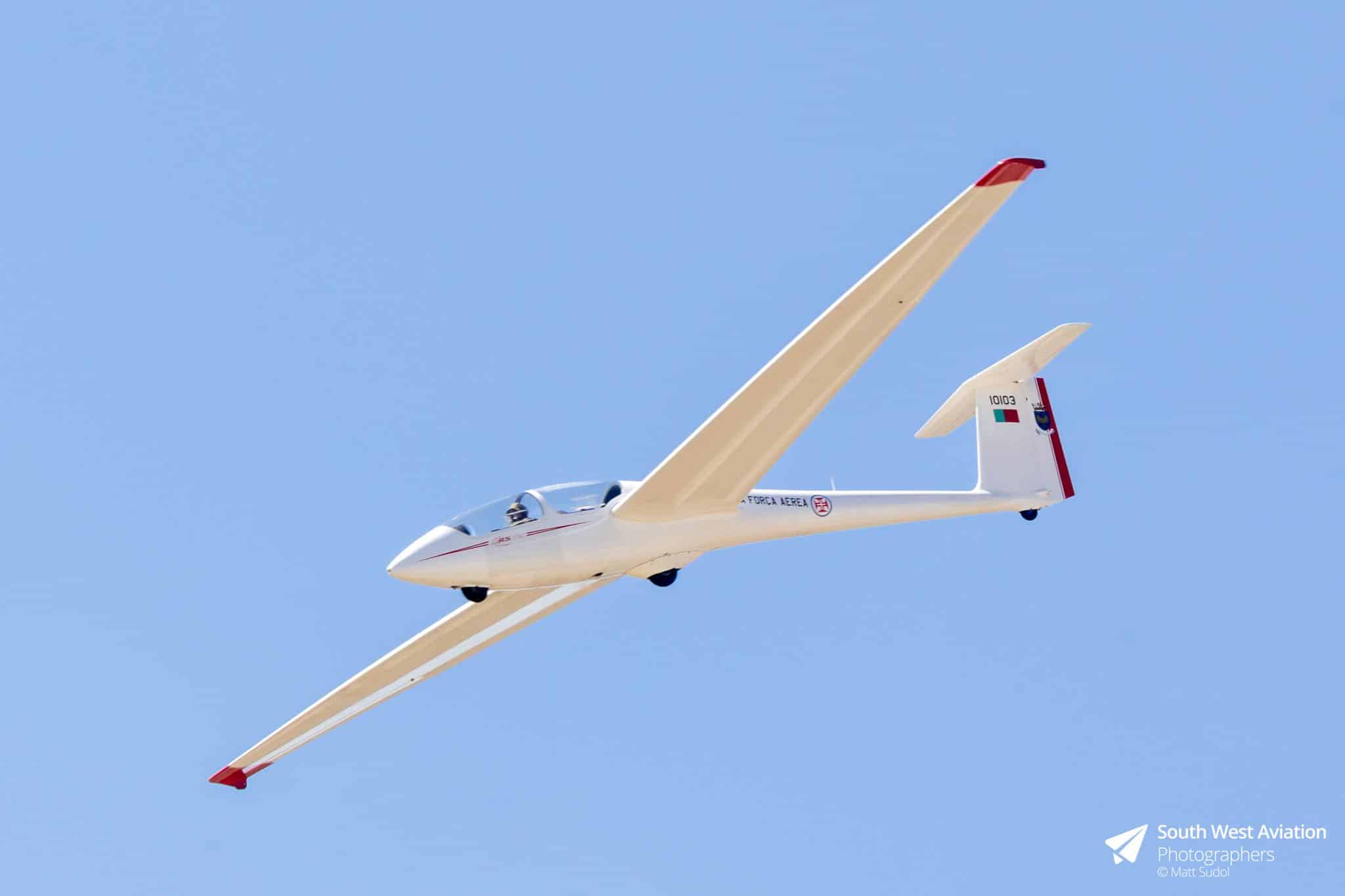
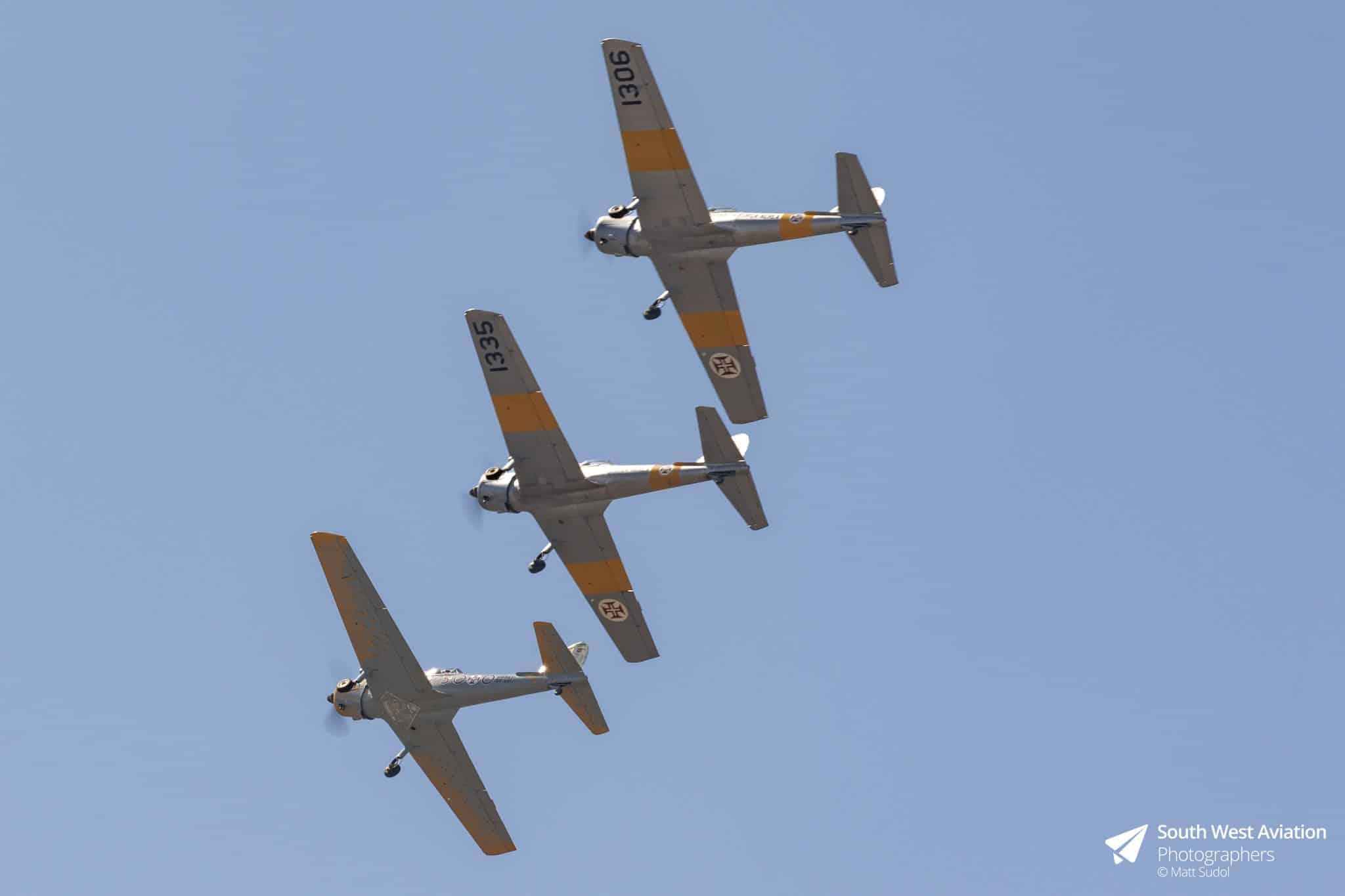
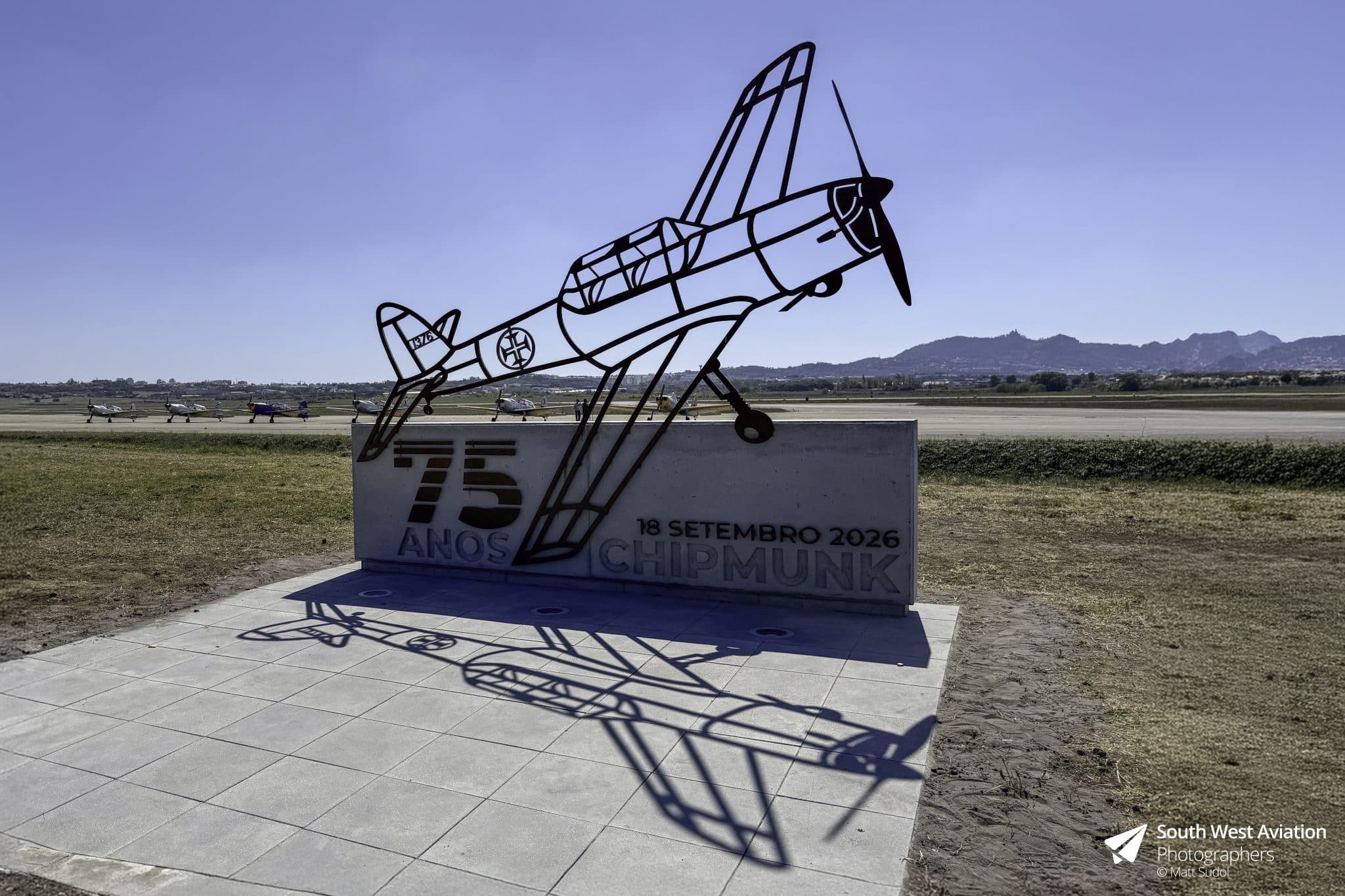
The weekend of 18–20 September saw a small event commemorating the Chipmunk’s seventy‑five years of service with the Portuguese Air Force. On Friday afternoon, in the presence of the Chief of Staff of the Air Force and National Aeronautical Authority, General Sérgio da Costa Pereira, Esquadra 802 unveiled a special 75th‑anniversary scheme applied to Chipmunk Mk.20 (Mod) serial 1339. Saturday brought invited guests and former Chipmunk pilots together for Mass followed by a formal dinner. On Sunday, Base Aérea N.º 1 opened its doors to the local community to celebrate the diamond anniversary of Chipmunk operations at Sintra. The Museu do Ar displayed all four of its Chipmunks, alongside examples of every aircraft in the current Portuguese Air Force fixed‑wing training pipeline: Schleicher ASK‑21, Chipmunk, two Socata TB‑30 Epsilons, and two Embraer 314 Super Tucano A‑29Ns. The latter drew considerable attention, but the stars of the show were undoubtedly the Chipmunks and the men and women of Esquadra 802. Having every aircraft on strength serviceable and flying demonstrated the commitment, knowledge, and dedication of the squadron’s personnel. In the early afternoon, aircraft 1306, 1315, 1316, 1335, and 1339 taxied from the hangar at the eastern end of the squadron to take off from Runway 14. Three aircraft performed an excellent rendition of the “Duxford Display,” with the remaining two joining later for a series of formation flypasts. It was initially presumed that 1319—the all‑blue special‑scheme aircraft was unserviceable, but this was not the case. Later in the afternoon, 1319 taxied out to tow an ASK‑21 for a glider aerobatics demonstration. Once visiting aircraft had departed, Esquadra 802 took to the skies for one final flypast to close the event once again achieving 100 percent availability.
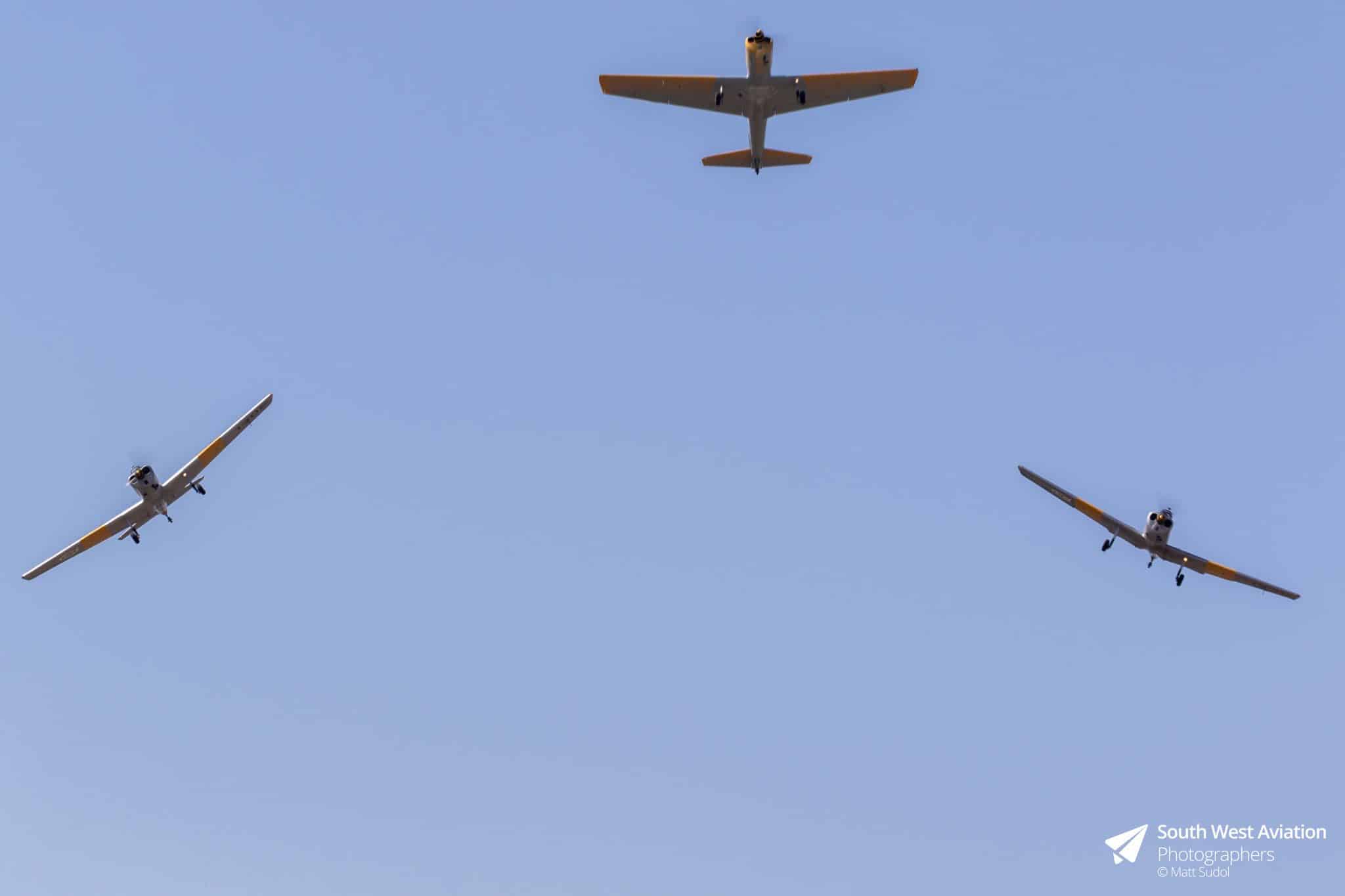
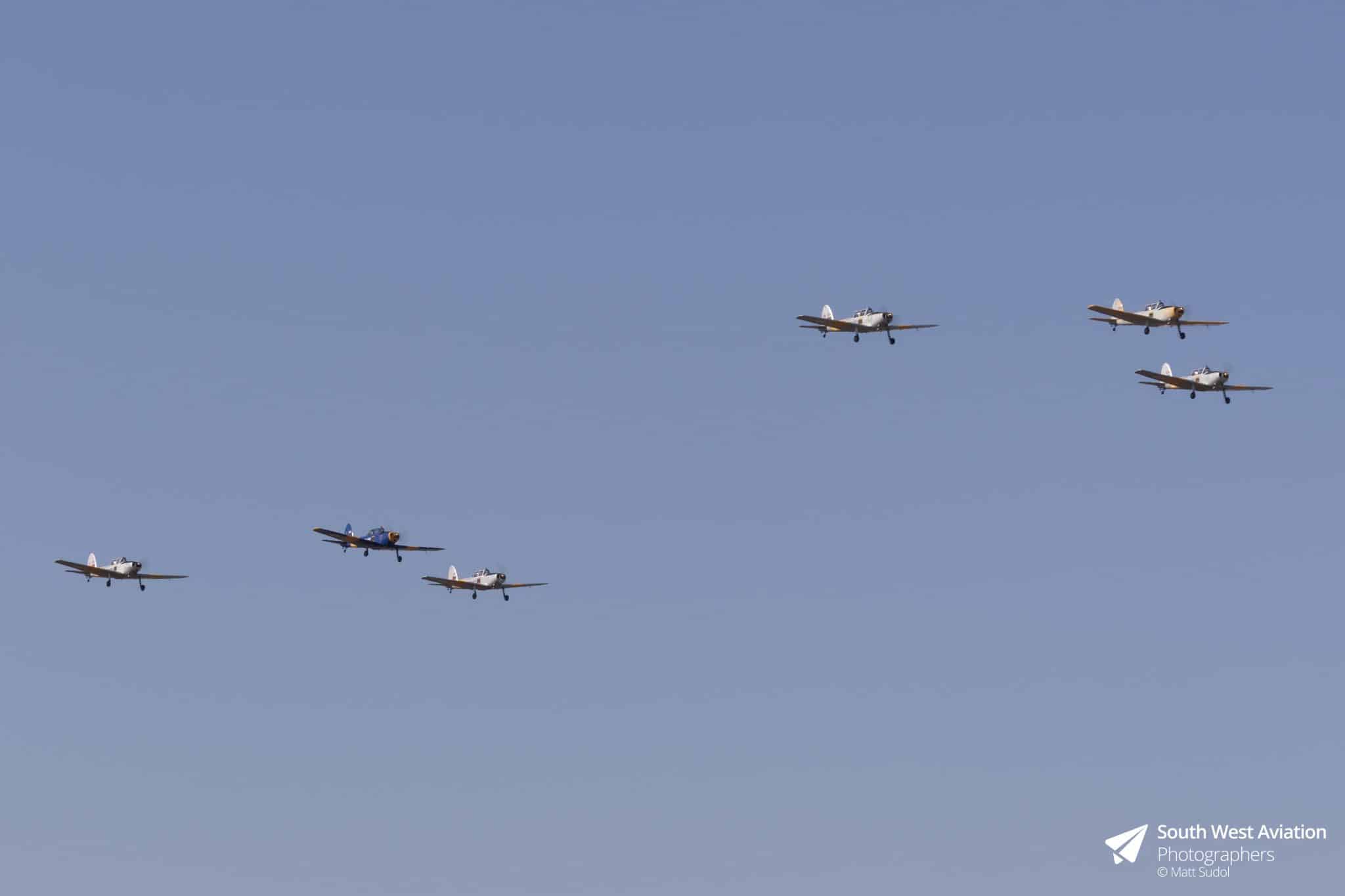
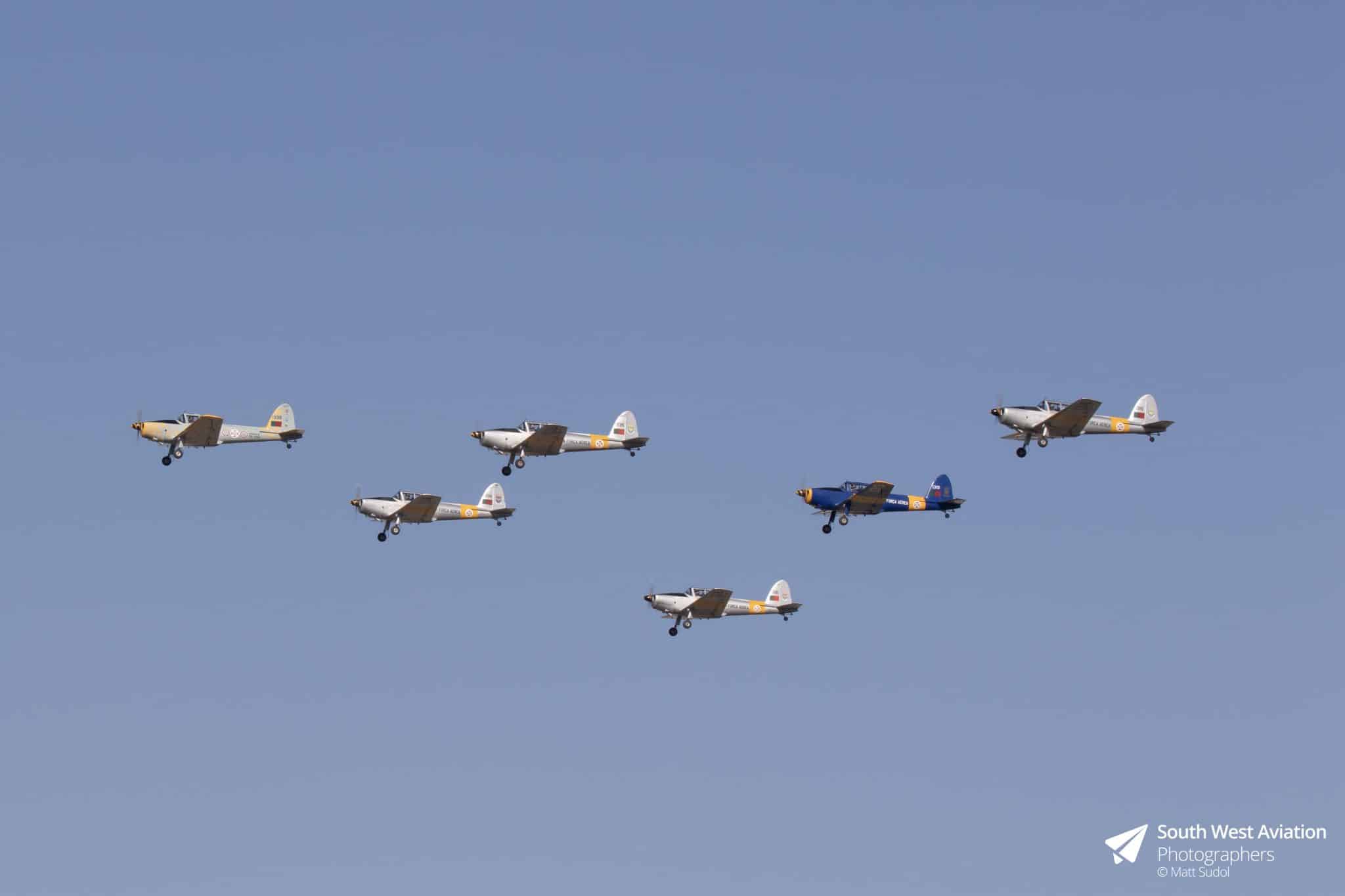
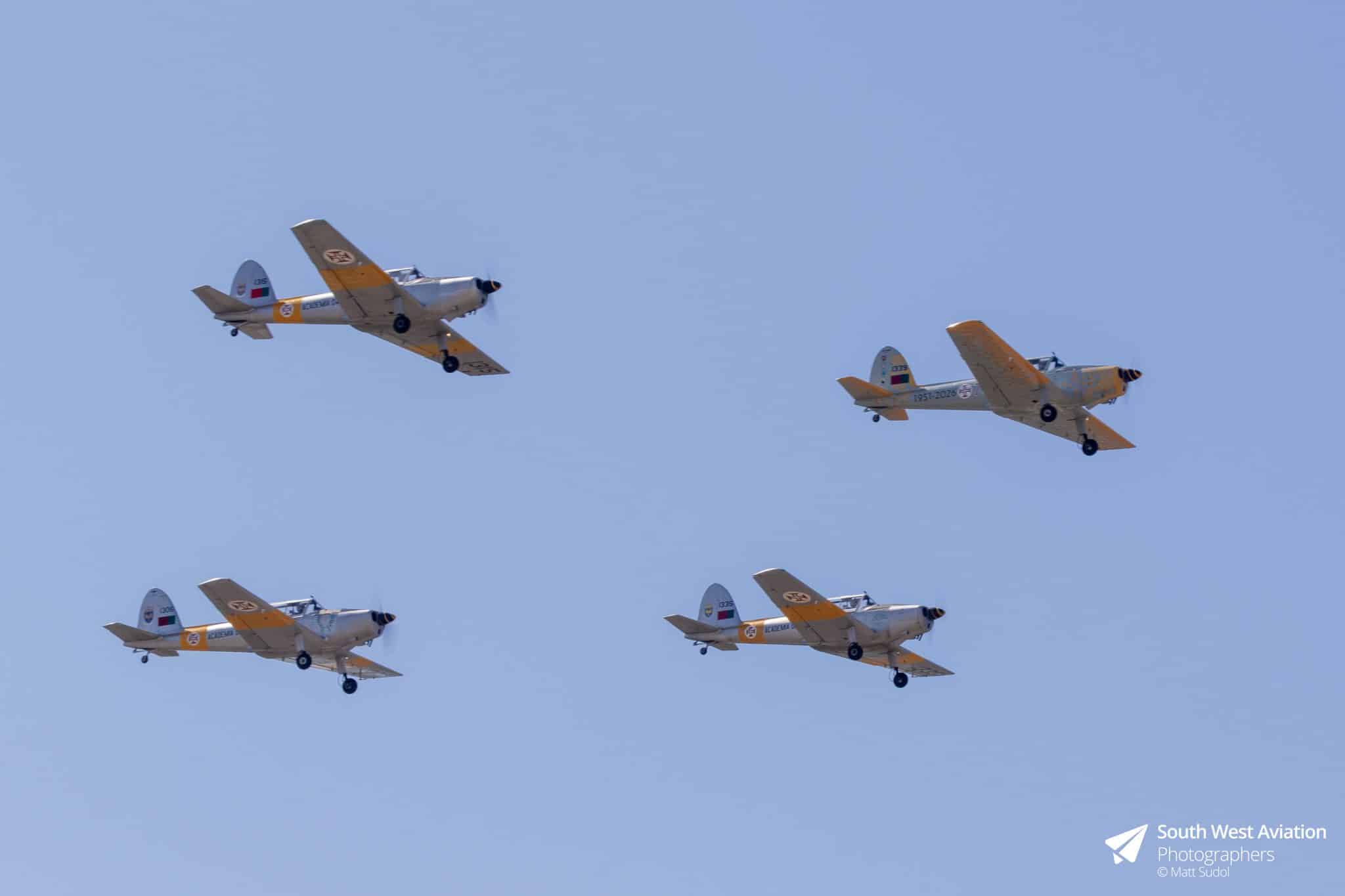
This was not the first major celebration Esquadra 802 has undertaken for the Chipmunk’s eightieth anniversary. On Monday 4 May, three Chipmunk Mk.20 (Mod)s departed Sintra to attend the Imperial War Museum Duxford’s Flying Day on Saturday 9 May. The journey required eight refuelling stops and two overnight stays, with the aircraft arriving at Duxford on Thursday 7 May. Engineering support for the mission was extensive. With no suitable transport aircraft available, and the initially proposed AW119Kx Koala II proving too small for the required spares and personnel, engineers opted for road transport instead. One major hurdle was the Chipmunks’ radio sets, which were not 8.33 MHz compatible; these had to be replaced to comply with international flight rules. After displaying to a sell‑out crowd, the three aircraft departed the following Monday. Poor weather extended the return journey to ten days, with the aircraft weathered‑in at Biarritz‑Bayonne for a full week.
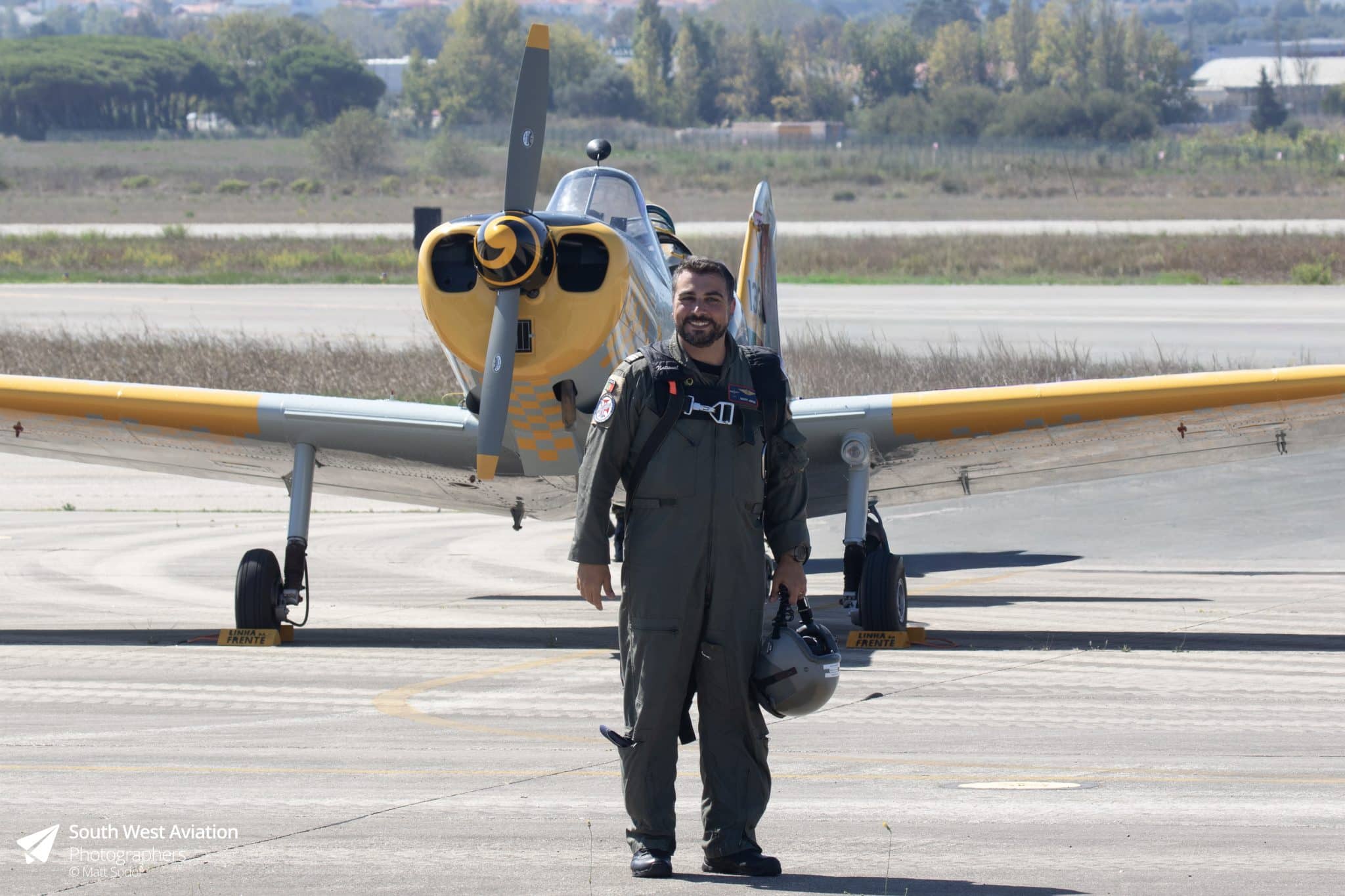
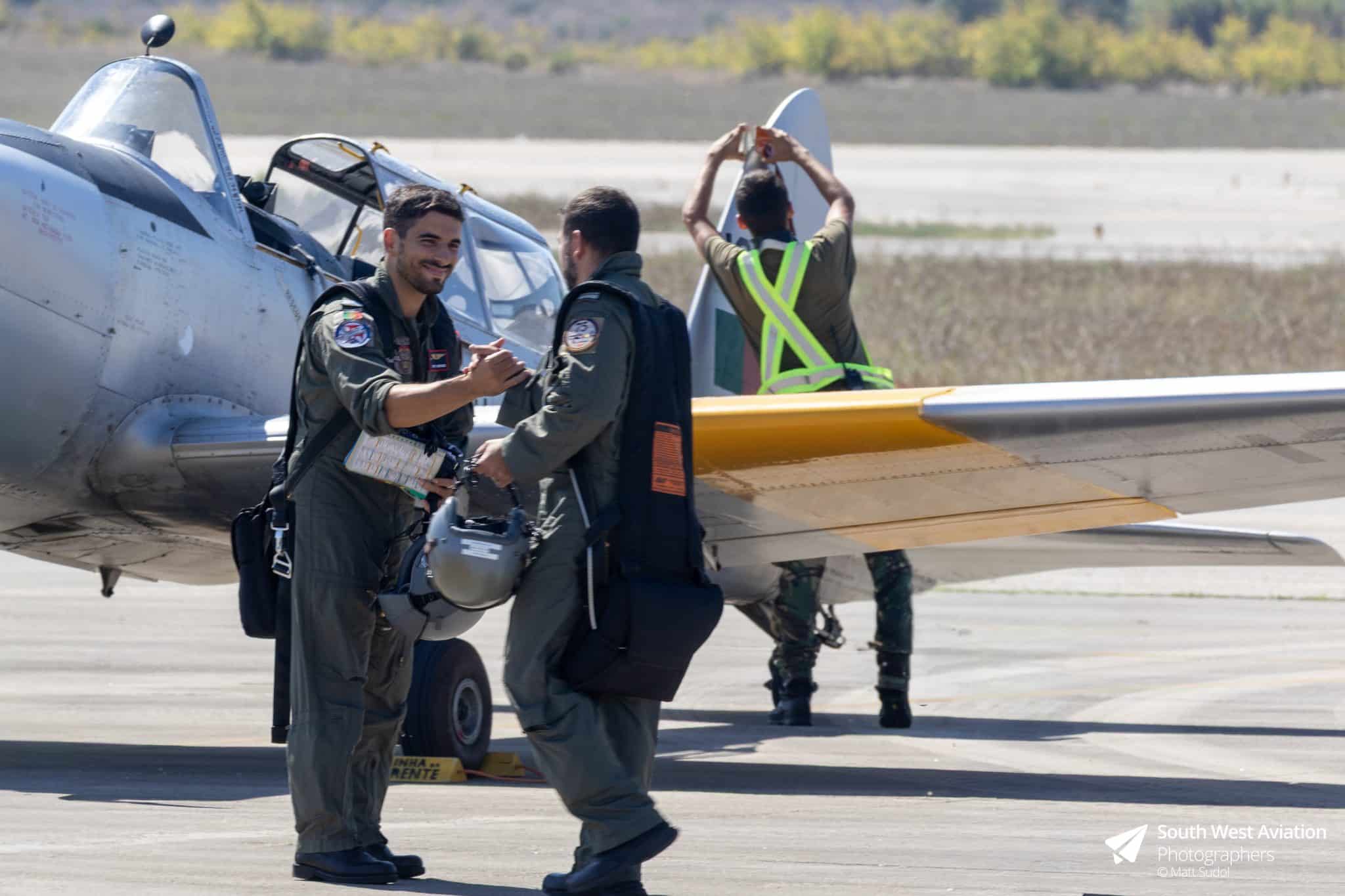
This year will almost certainly be the last major celebration for the Chipmunk in Portuguese Air Force service, as the Força Aérea Portuguesa currently has seven Tecnam P‑Mentors on order. The P‑Mentor is poised to take over the role long held by the venerable Chipmunk, offering a modern, fully IFR‑certified training platform that aligns with the Air Force’s shift toward contemporary, glass‑cockpit elementary instruction. Designed specifically for ab‑initio and screening environments, the P‑Mentor provides digital avionics, low operating costs, and a training envelope far better suited to today’s pilot‑selection standards than the eighty‑year‑old Chipmunk. With Portugal seeking a new fleet of elementary trainers under its ongoing replacement tender, the P‑Mentor represents a natural evolution: a purpose‑built aircraft capable of supporting flying grading, early‑stage instruction, and seamless progression into the Air Force’s more advanced training systems.
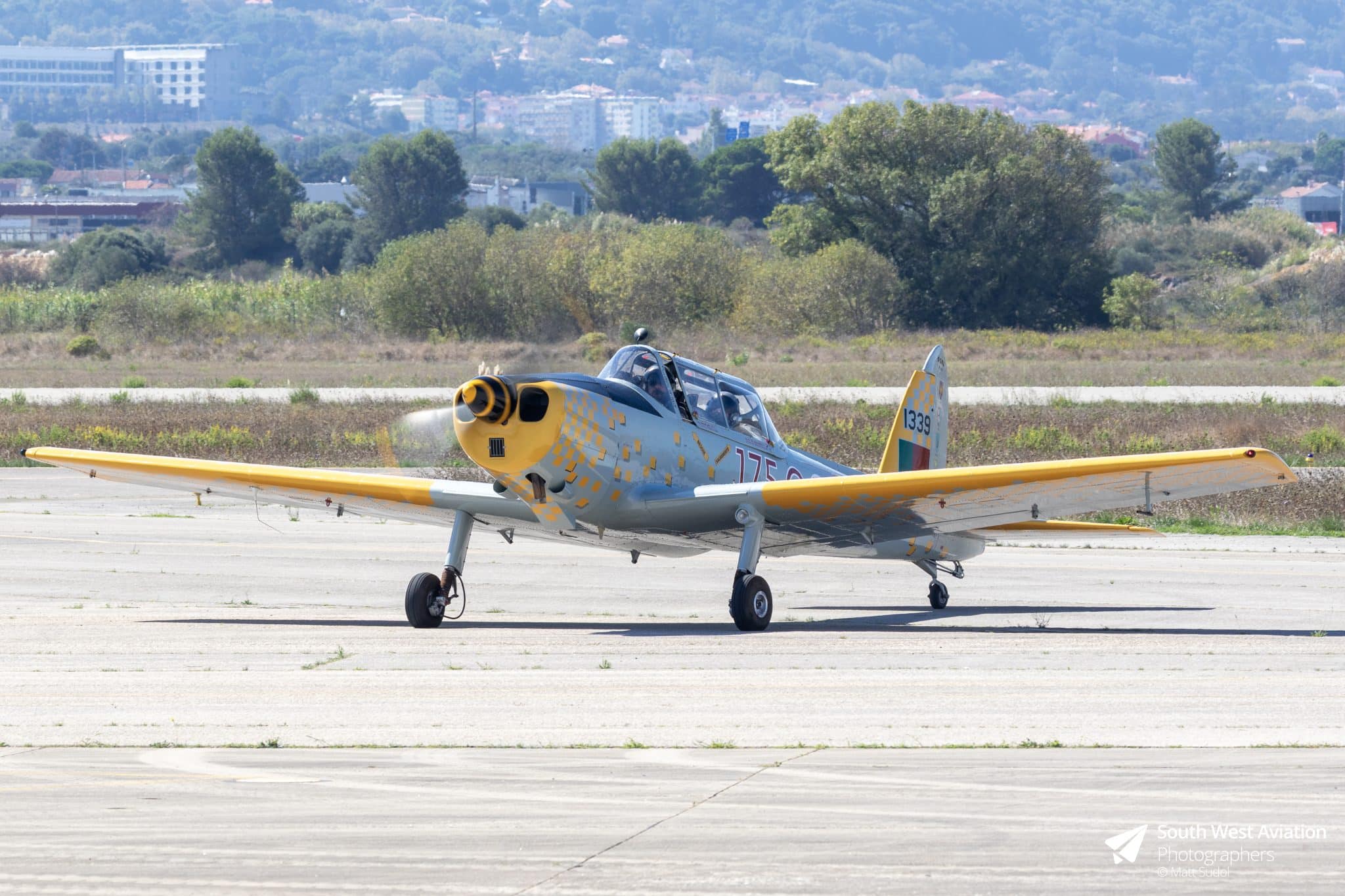
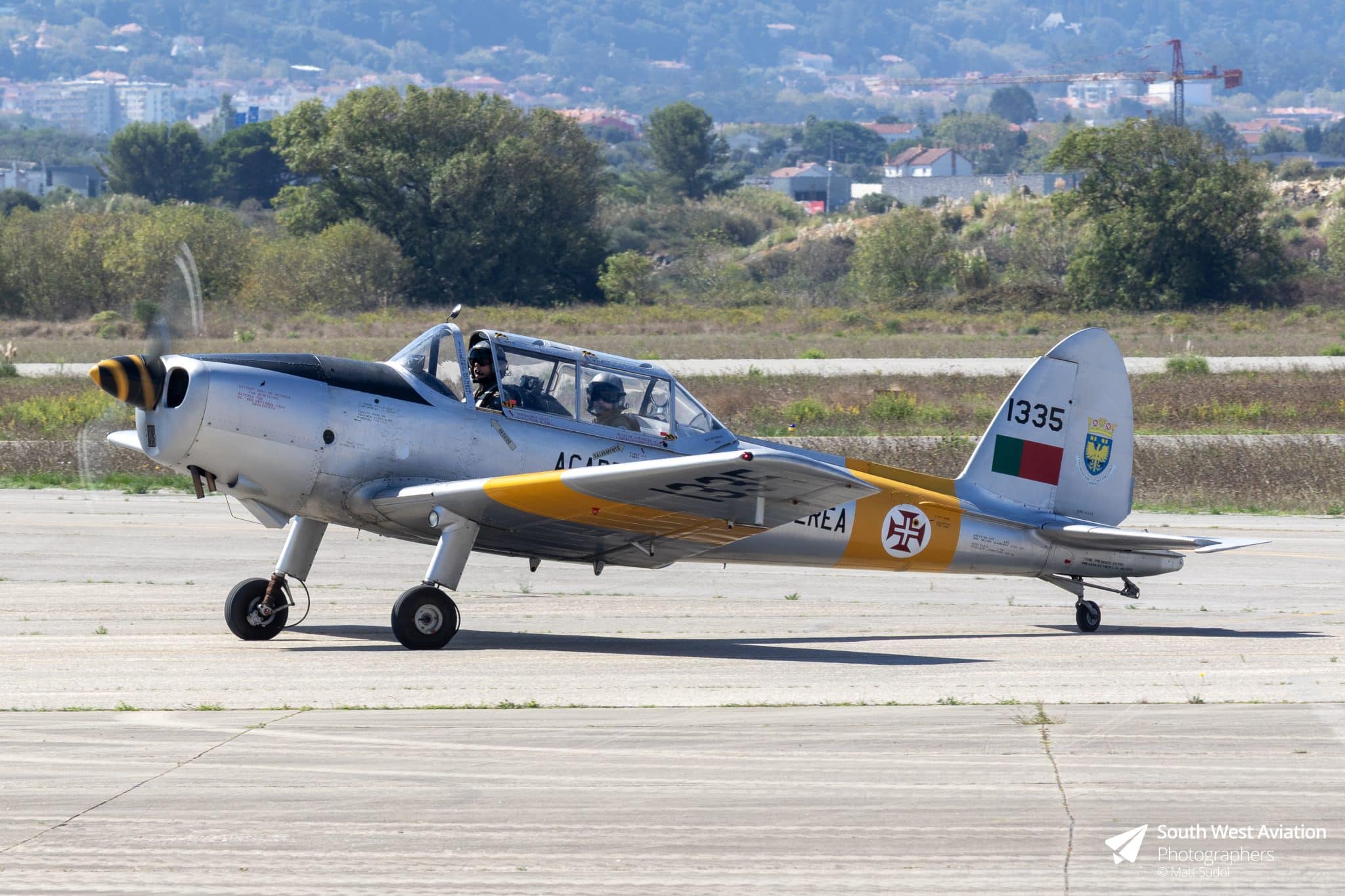
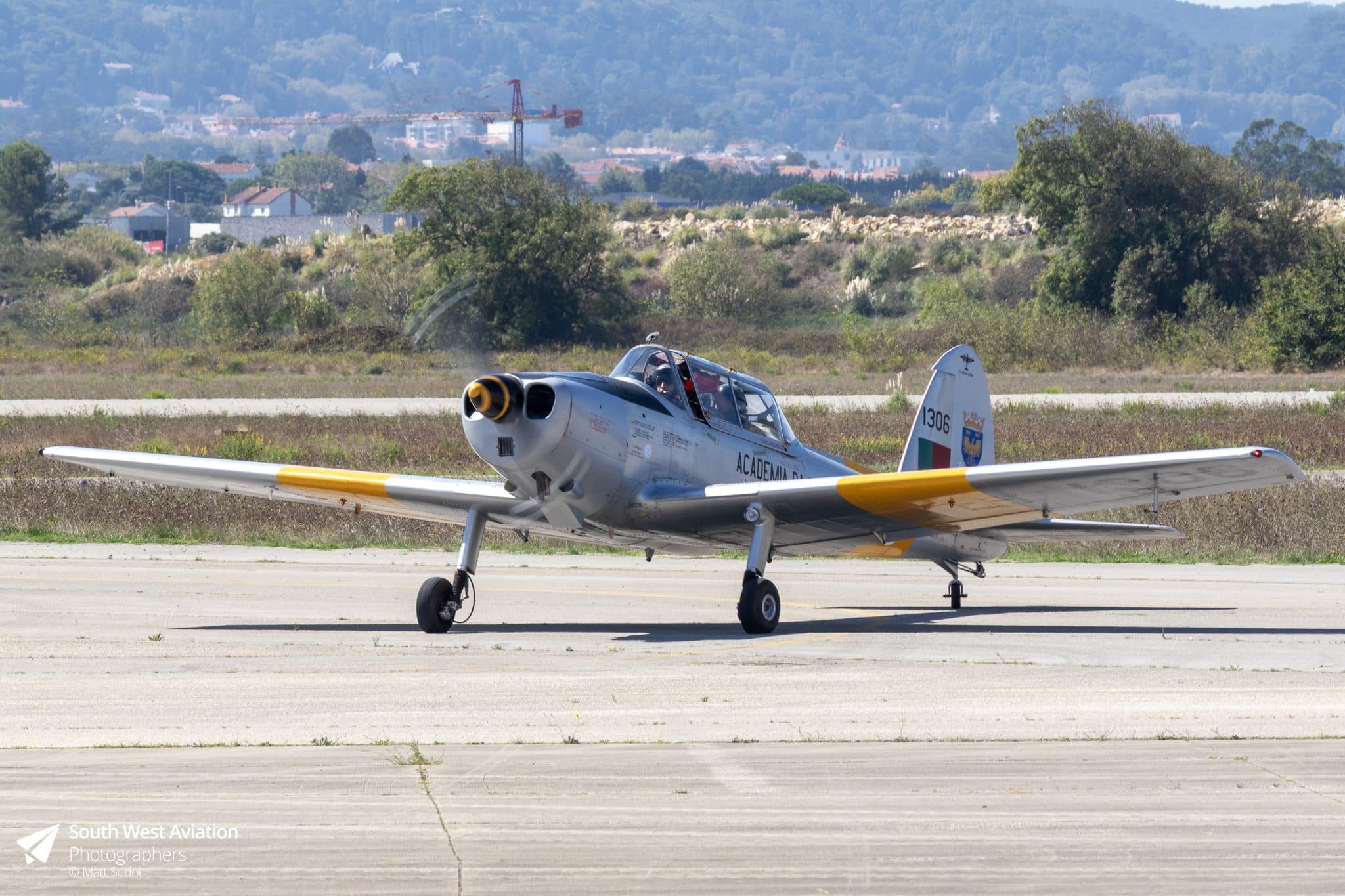
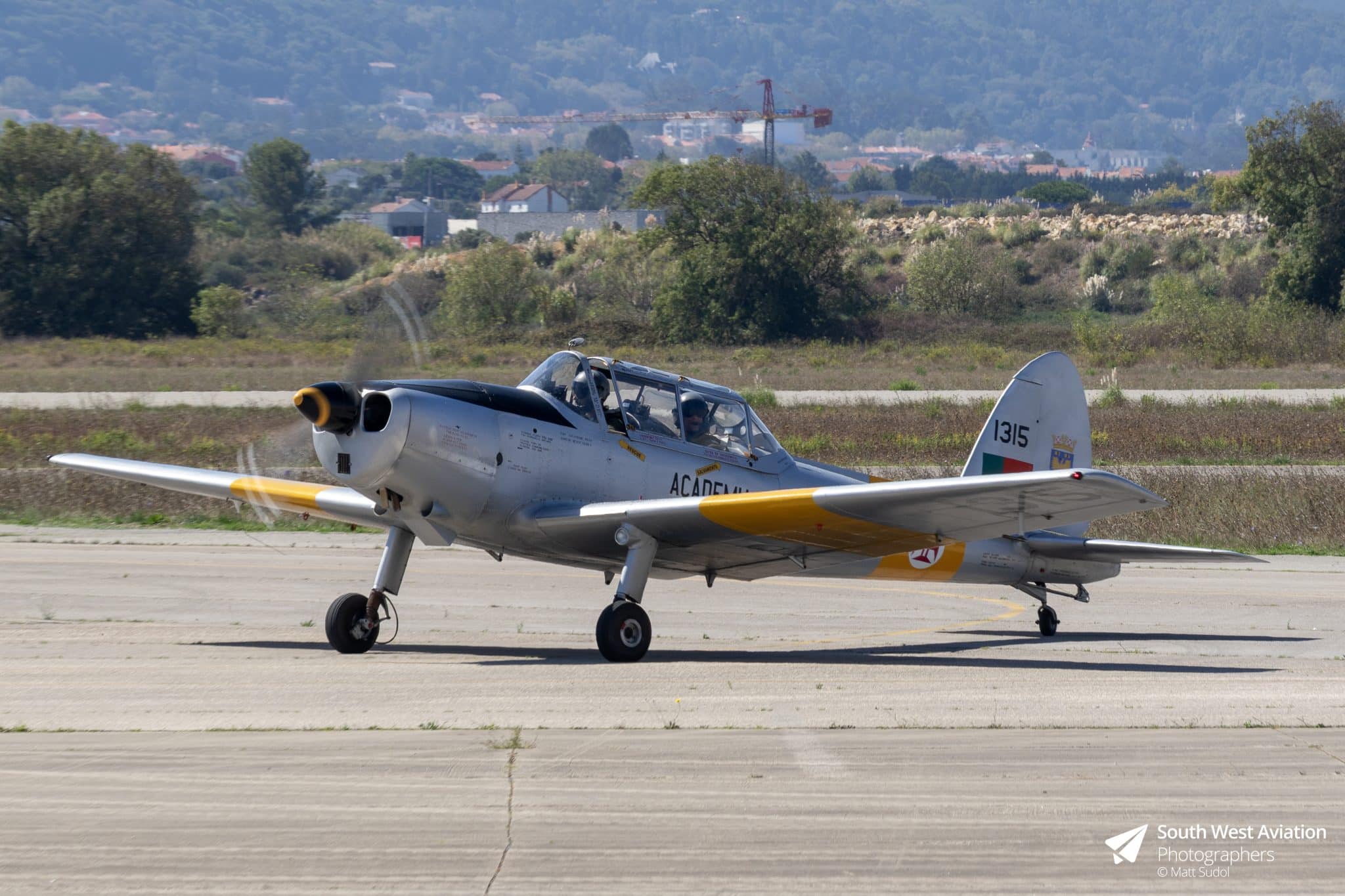
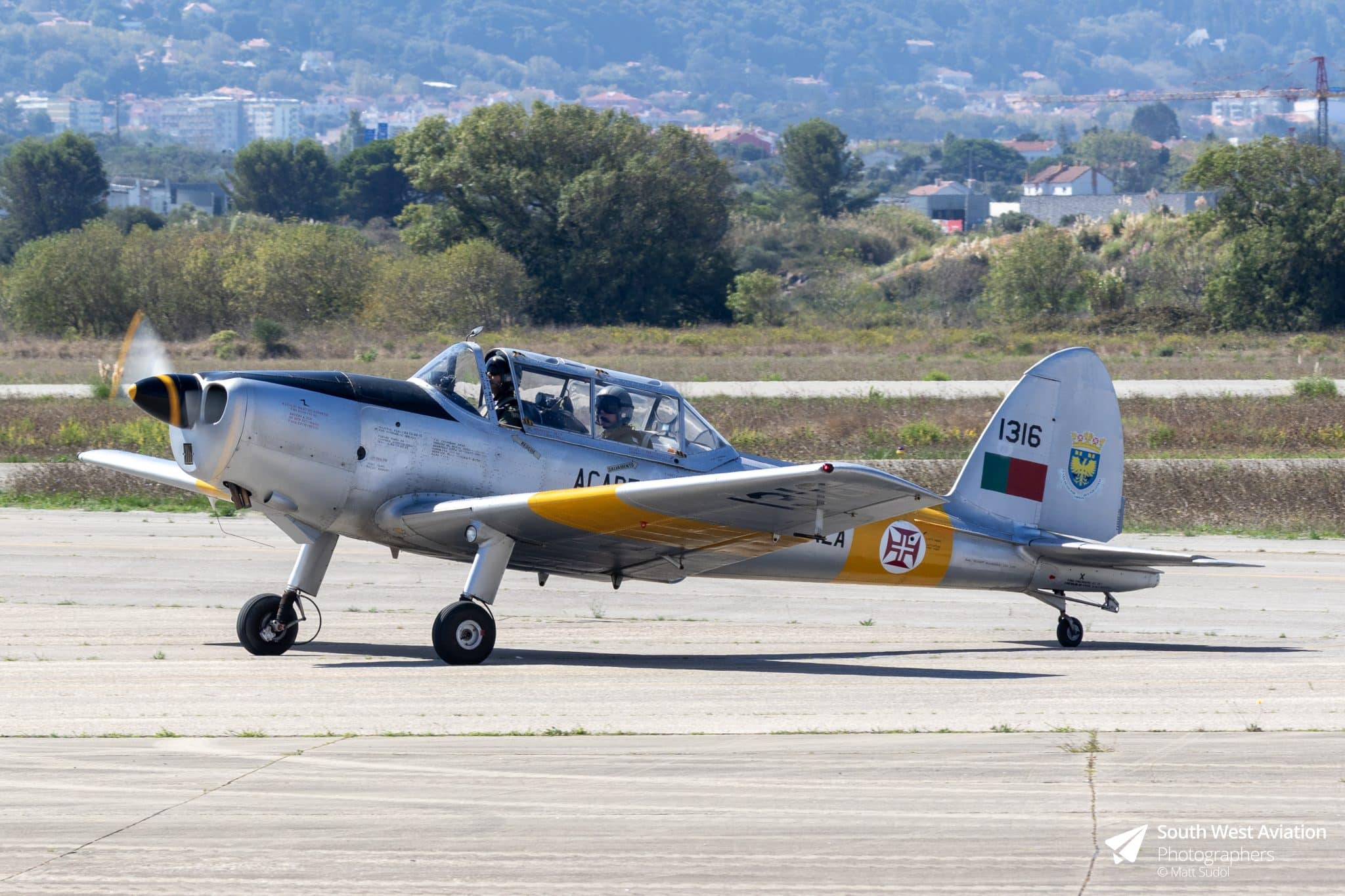
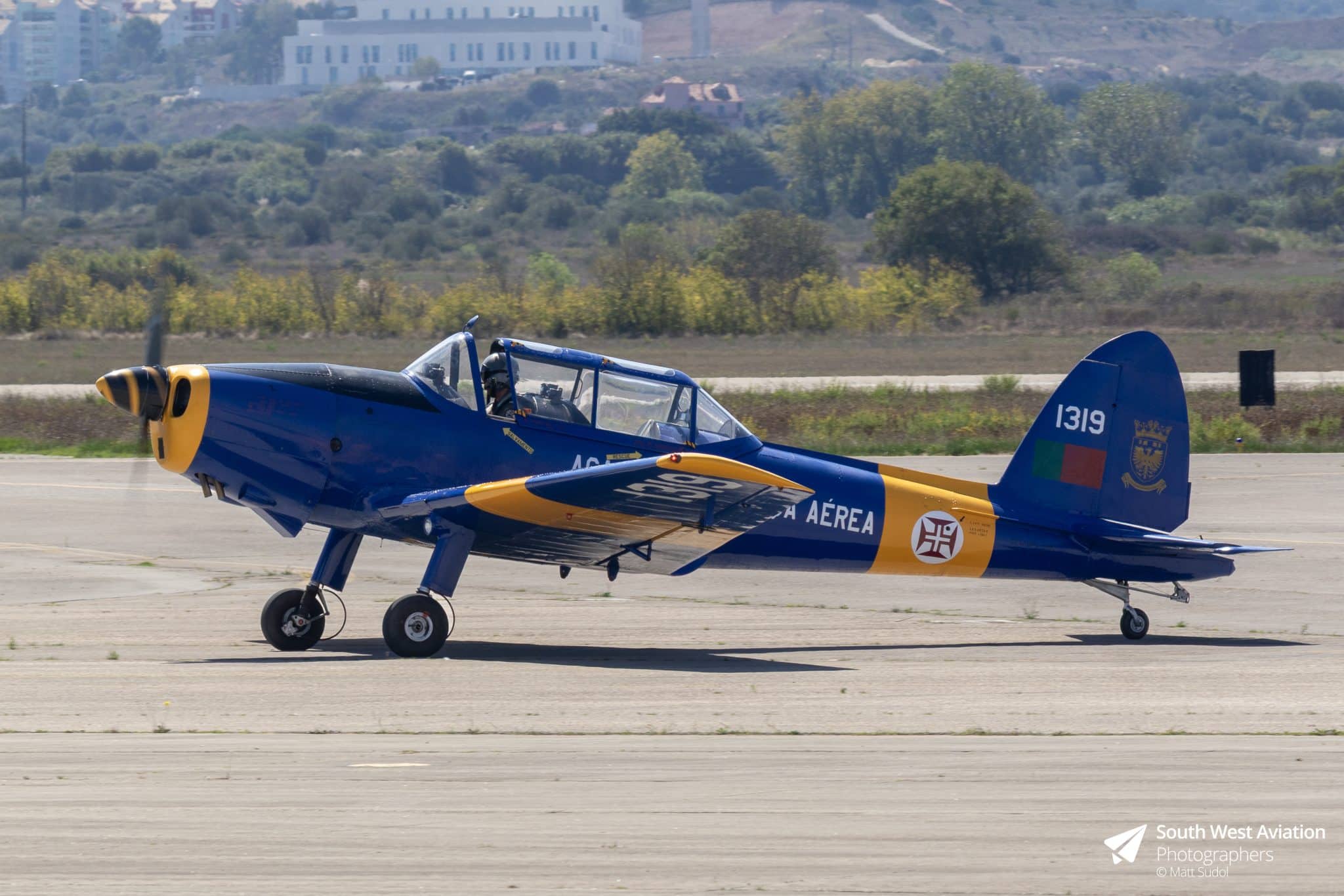
Yet it is far from the end of the story for the Chipmunk. Although the type is finally leaving Portuguese Air Force service, a healthy number of ex‑FAP airframes have already found new civilian homes across the globe, where they continue to fly with private owners, heritage operators, and flying clubs. Many of these aircraft—often OGMA‑built examples with distinctive Portuguese modifications—remain popular for their handling qualities and historical value, ensuring that the Chipmunk’s legacy will endure long after its military retirement. In civilian hands, they are likely to remain a familiar sight at fly‑ins, airshows, and training airfields for years to come.
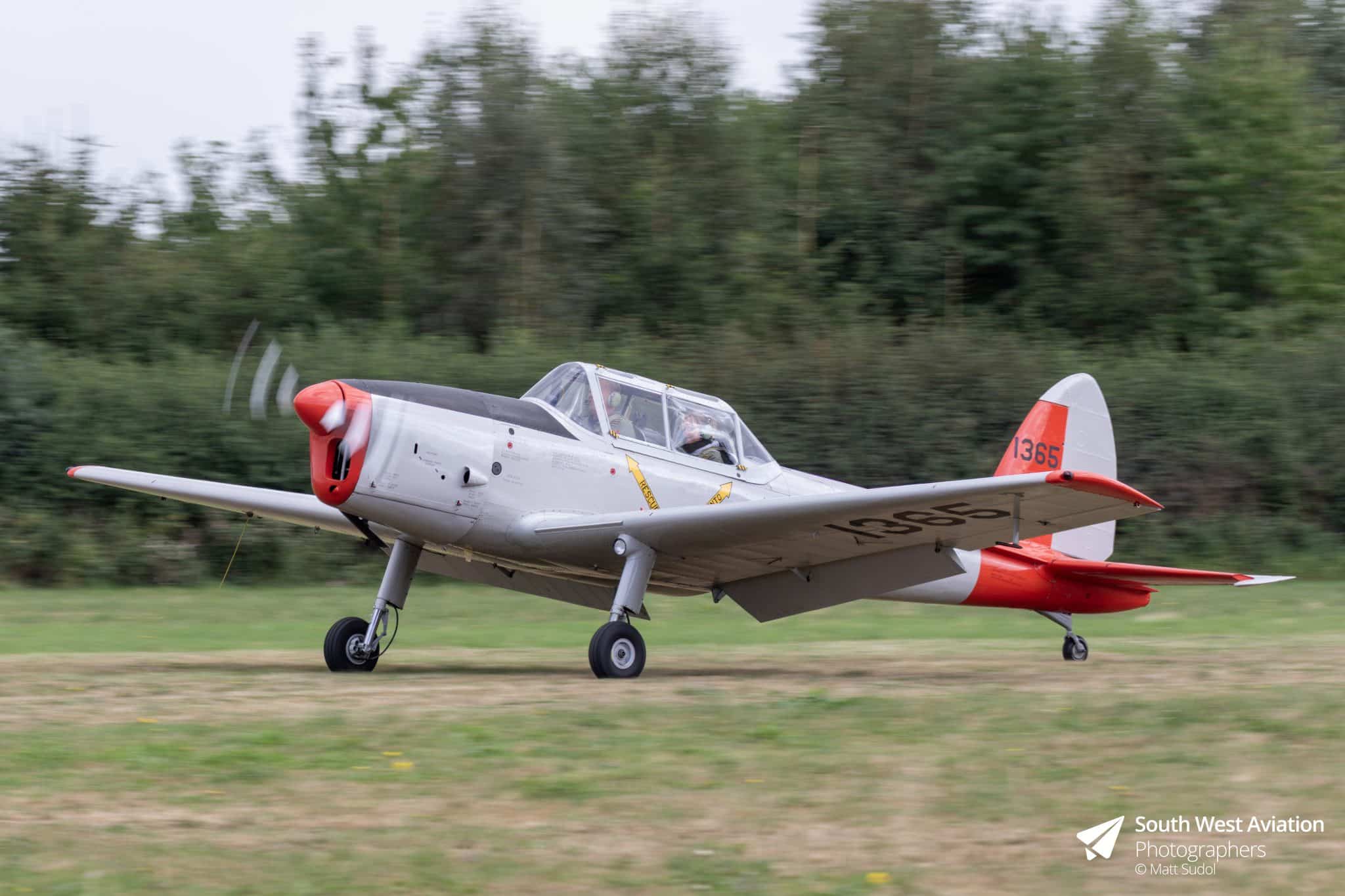
After eight decades of service, the De Havilland DHC‑1 Chipmunk stands as far more than a training aircraft; it is a living thread woven through the history, identity, and spirit of Portuguese military aviation. Its Lycoming‑powered OGMA evolution may be a technical footnote to some, but to generations of pilots it represents the moment their flying future first took shape—an honest, uncompromising machine that demanded precision, rewarded discipline, and revealed potential with absolute clarity. As the Tecnam P‑Mentor ushers in a new era of digital, glass‑cockpit instruction, the Chipmunk’s departure marks the end of a chapter written in aluminum, fabric, and the unmistakable harmony of its control forces. Yet its legacy will endure wherever former FAP airframes continue to fly, reminding all who see them that true training aircraft are not defined by their avionics, but by the way they shape the aviators who trust them. In that respect, the Chipmunk’s contribution will never truly retire.
South West Aviation Photographers would like to thank all Esquadra 802 and Base Aérea N.º 1, Sintra for making this article possible.
Report by Matt Sudol
© South West Aviation Photographers 2026