
Farnborough International 2026 was more than a global stage for aerospace powerhouses — it was a moment of validation for the South West’s quietly formidable aviation ecosystem. From Bristol to Yeovil and Gloucester, the region’s manufacturers, engineers and innovators helped underpin a record‑breaking show that drew 141,580 visitors and facilitated over $84.7 billion in commercial deals. As Boeing, Airbus, Embraer and Pratt & Whitney announced hundreds of aircraft and engine orders, and Vertical Aerospace made history with the world’s first public eVTOL transition flight, the South West’s supply chain, research capability and advanced manufacturing expertise were woven through the technologies, partnerships and breakthroughs that defined Farnborough’s future‑of‑flight narrative.
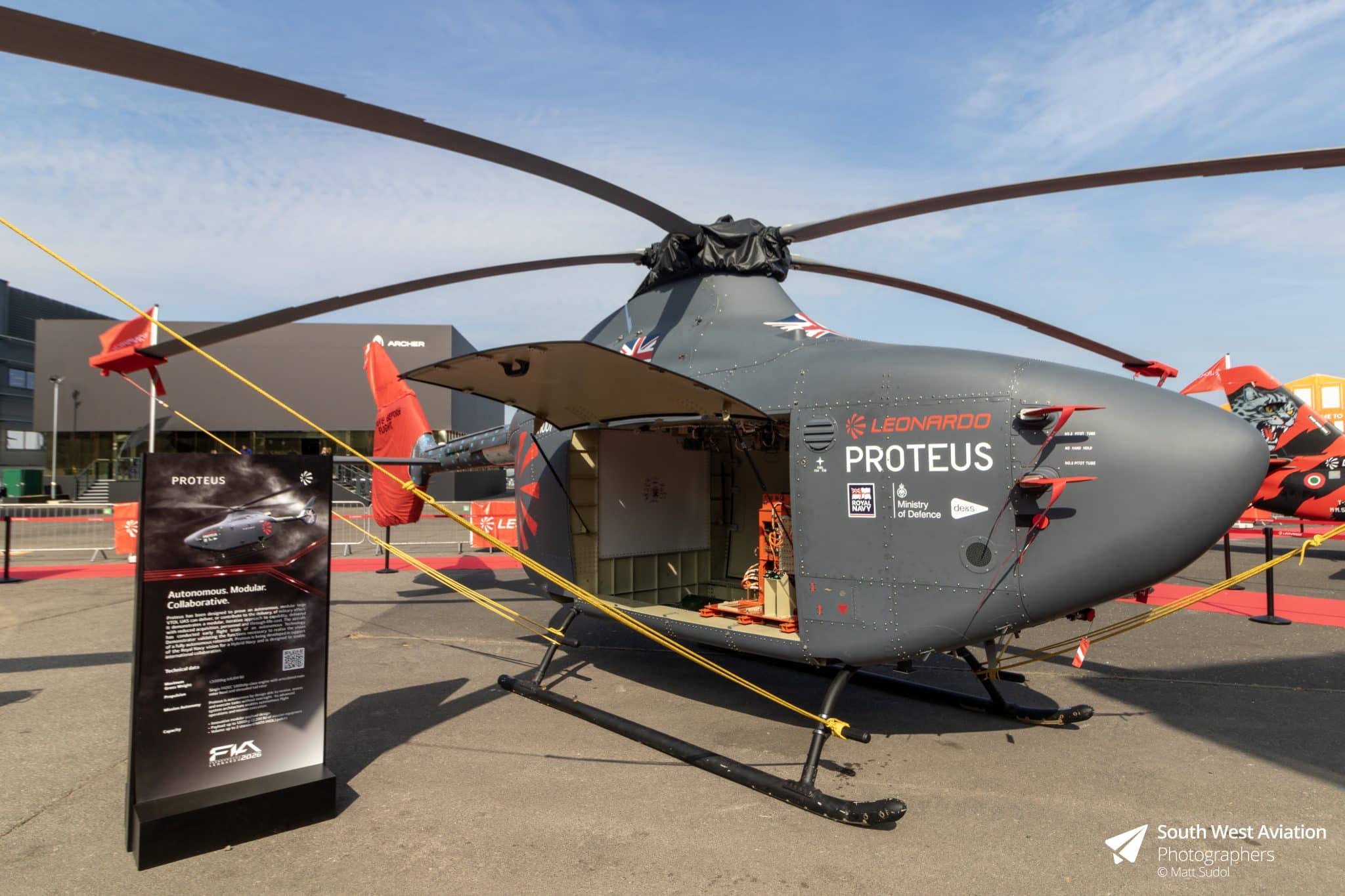
Yeovil‑based Leonardo had on public display for the very first time its Leonardo Proteus, designed and built in Yeovil and test‑flown at the Royal Navy’s Fleet Air Arm airfield, RNAS Predannack, Cornwall, on 16 January 2026. Leonardo’s Proteus is a next‑generation autonomous rotary‑wing technology demonstrator developed with the UK Ministry of Defense and Royal Navy to prove that large VTOL uncrewed systems can deliver meaningful maritime effect. Built around a modular, open‑architecture design, Proteus can rapidly re‑role using mission‑specific payload modules and carry over 1,000 kg — including ASW sensors such as sonobuoys, MAD and dipping sonar. Its autonomy stack combines certifiable high‑integrity flight software with advanced onboard processing to execute complex Anti‑Submarine Warfare “FIND” tasks independently, forming a key element of the Royal Navy’s future Maritime Aviation Transformation roadmap.
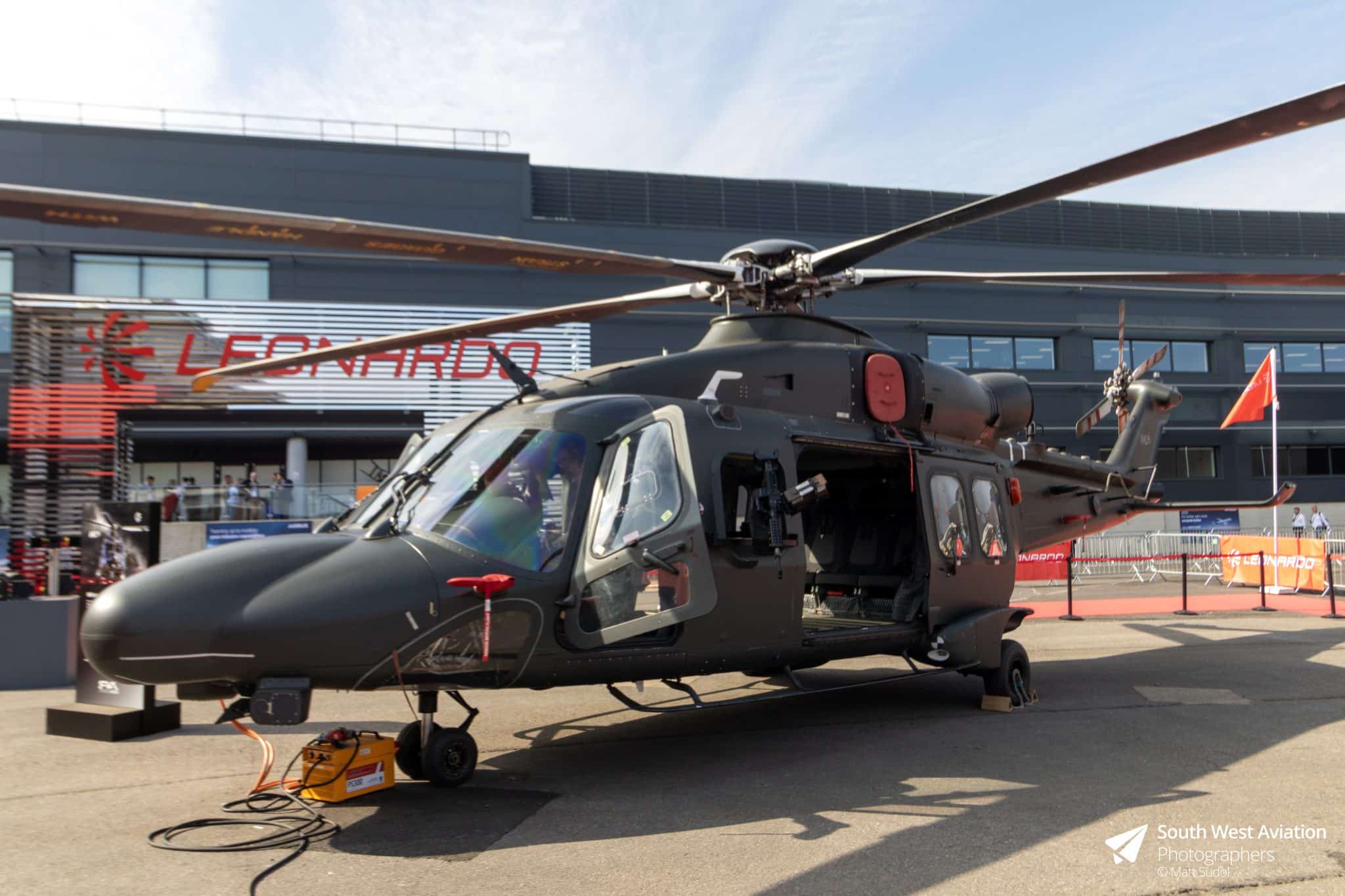
Alongside Proteus was the AgustaWestland AW149, recently selected as the UK’s New Medium Helicopter (NMH) to replace the Westland/Aerospatiale SA.330E Puma HC.2. Under the £1 billion NMH contract, Leonardo will build 23 AW149s in Yeovil, strengthening sovereign helicopter manufacturing, securing thousands of UK jobs, and delivering a high‑performance aircraft capable of operating globally across warfighting, humanitarian and disaster‑relief missions. Its advanced systems, open architecture and growth potential position the AW149 as a core element of the UK’s future rotary‑wing capability.
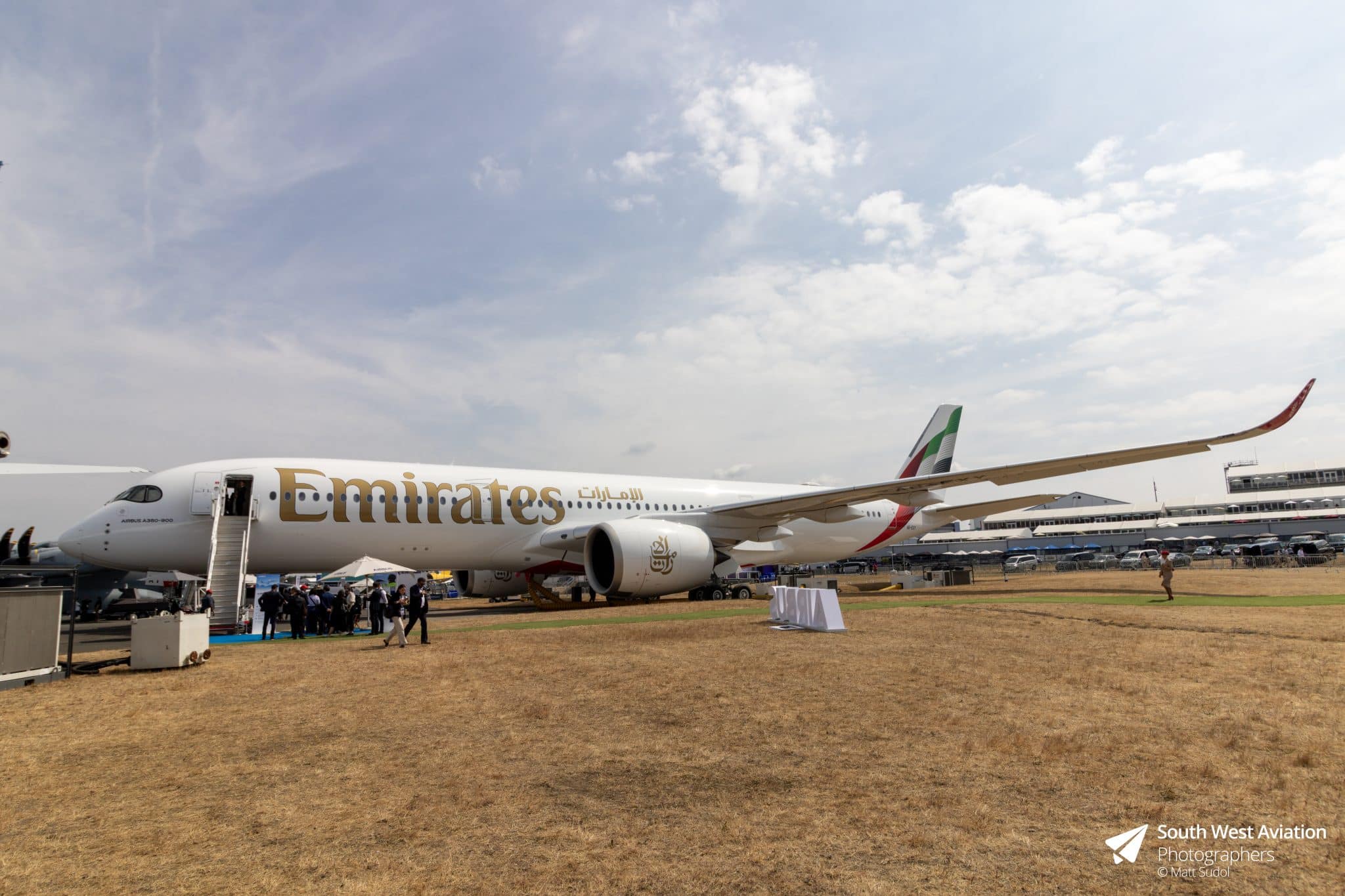
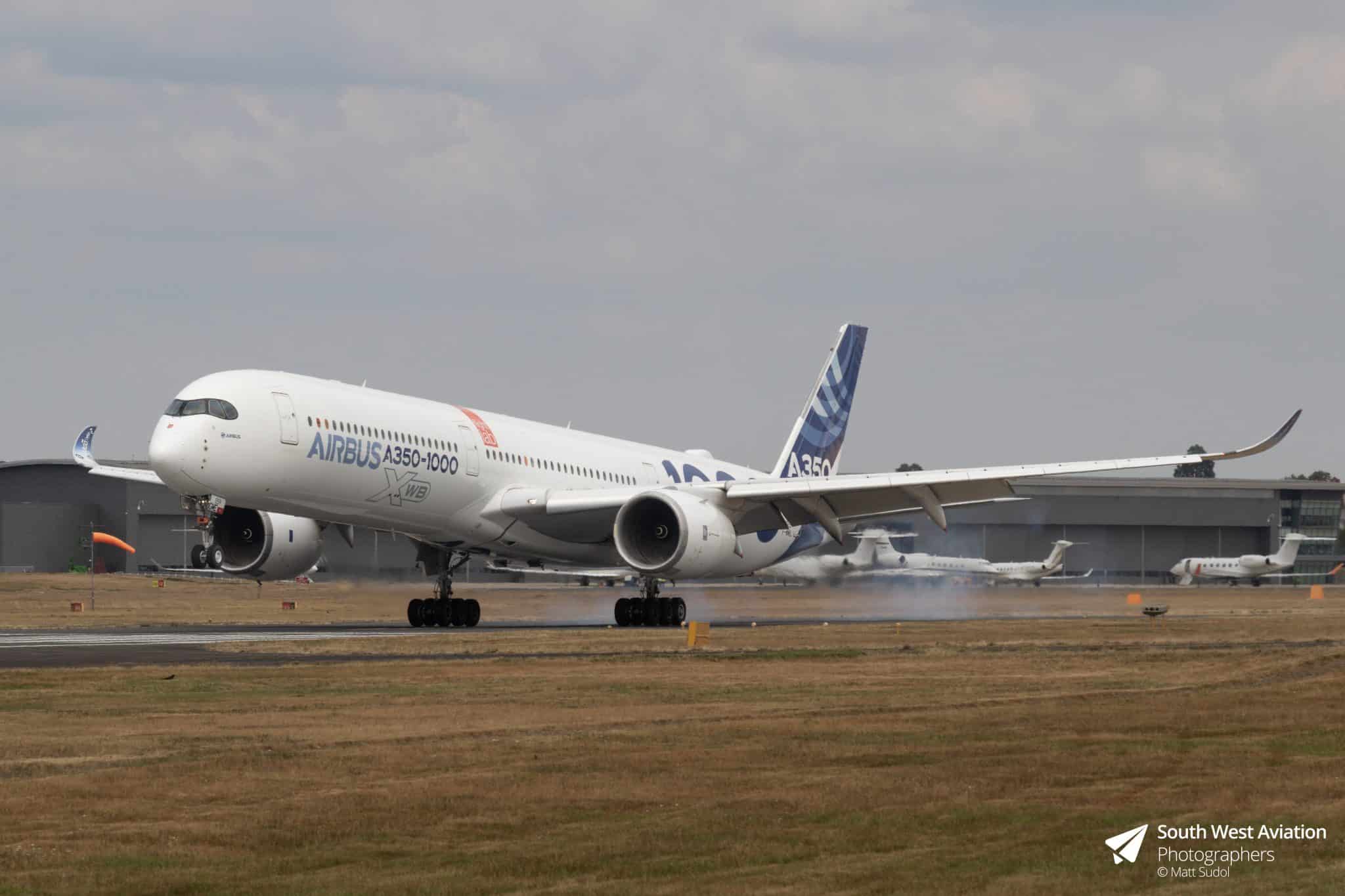
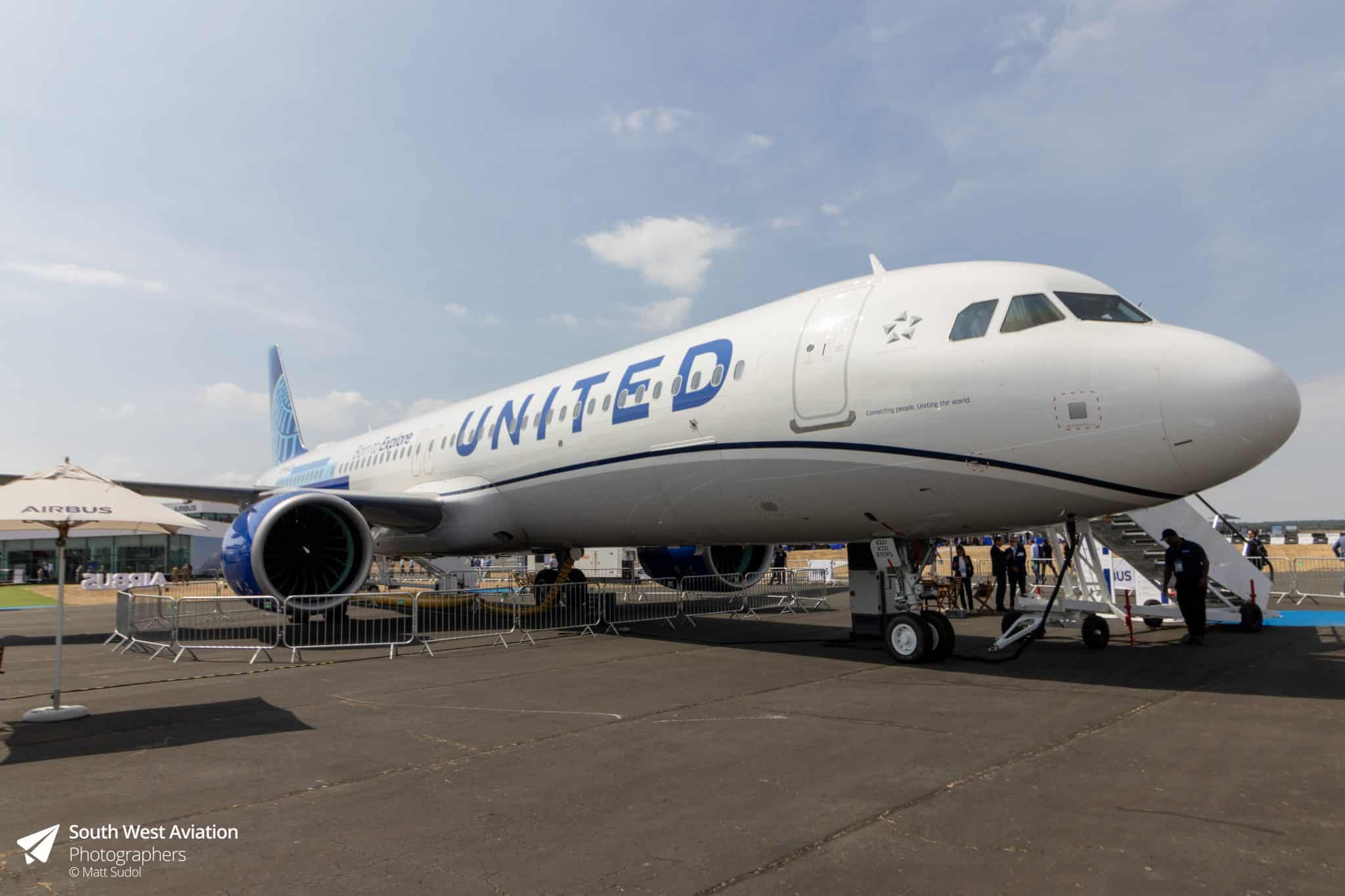
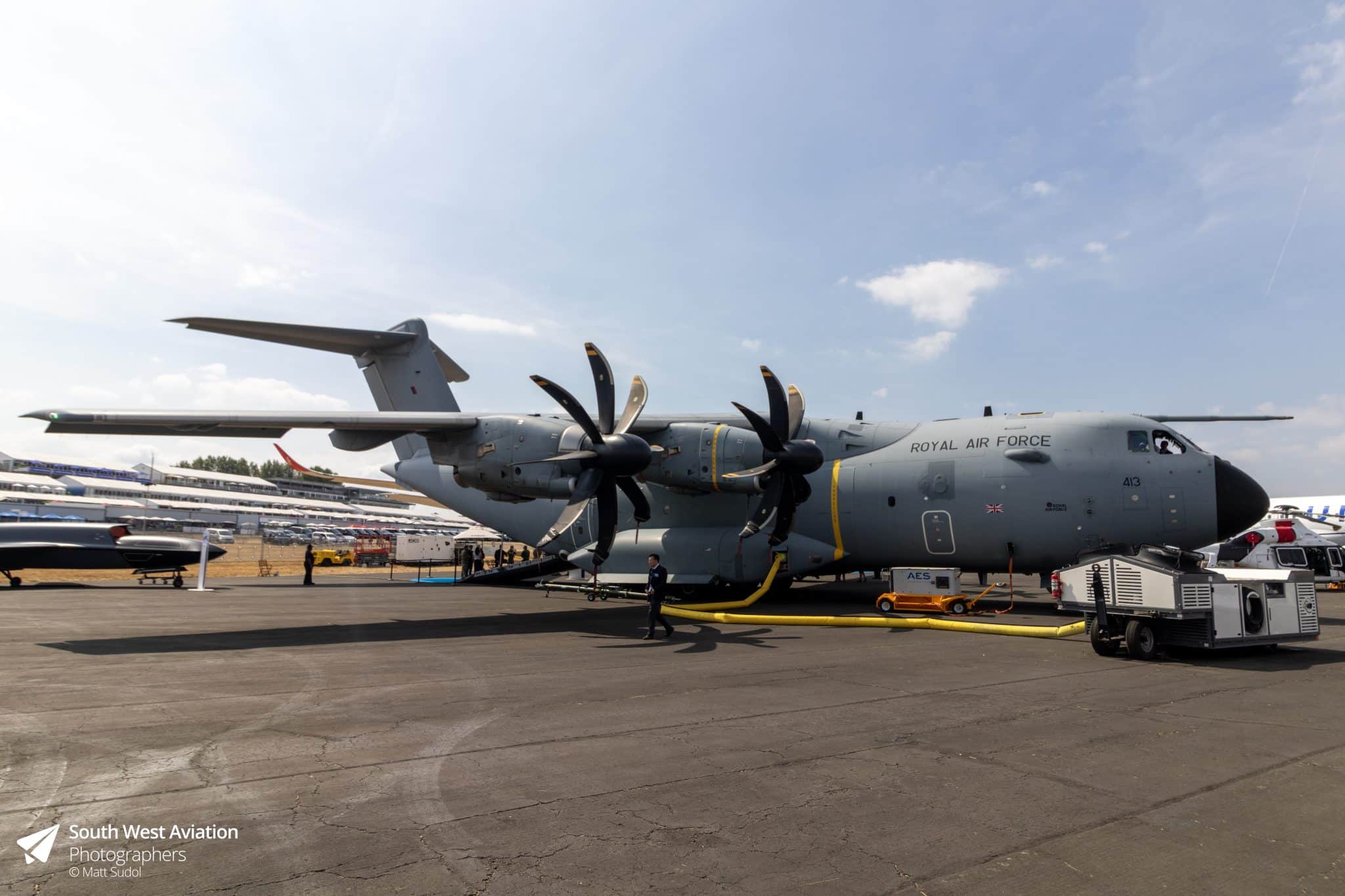
Whilst Boeing had a reduced presence at this year’s Farnborough International, Airbus maintained a sizeable footprint with an Airbus A321‑271NY, an Airbus A350‑941 and an Airbus A350‑1041 on display. Although the airfield at Bristol‑Filton is no more, Airbus retains a major presence there. The Filton facility plays a crucial role in the design, build and testing of wings for the A350 and other Airbus aircraft. Its focus on aerodynamic efficiency and sustainability directly supports the A350’s design goals of improved fuel efficiency and reduced CO₂ emissions. The Wing Technology Development Centre (WTDC) at Filton is a key component of Airbus’ “Wing of Tomorrow” programme, dedicated to developing next‑generation aircraft wings using advanced manufacturing, digital tools and automation. Airbus Defense and Space, in collaboration with RAF Brize Norton, also showcased the Airbus A400M Atlas C.1; all A400M wings are developed and manufactured at Filton.
Developing Assets (UK) Ltd — better known as HeliOperations — continued to demonstrate its rapidly expanding footprint in the South West, with new facilities under construction at Portland Heliport, Dorset, a storage and maintenance site at Somerton, Somerset, and operation of the Westland Sea King HAS.6 simulator at RNAS Culdrose, Cornwall. At Farnborough International 2026, HeliOperations displayed Westland Sea King HU.5SAR ZA137. Its location near Hall 0 and the Ukrainian pavilion was no coincidence: HeliOperations has already supplied several Westland Sea King HU.5SAR aircraft to the Ukrainian military and has been tasked by the German Bundesministerium der Verteidigung to prepare Westland Sea King Mk.41 and Westland Super Lynx Mk.88A aircraft for Ukraine.
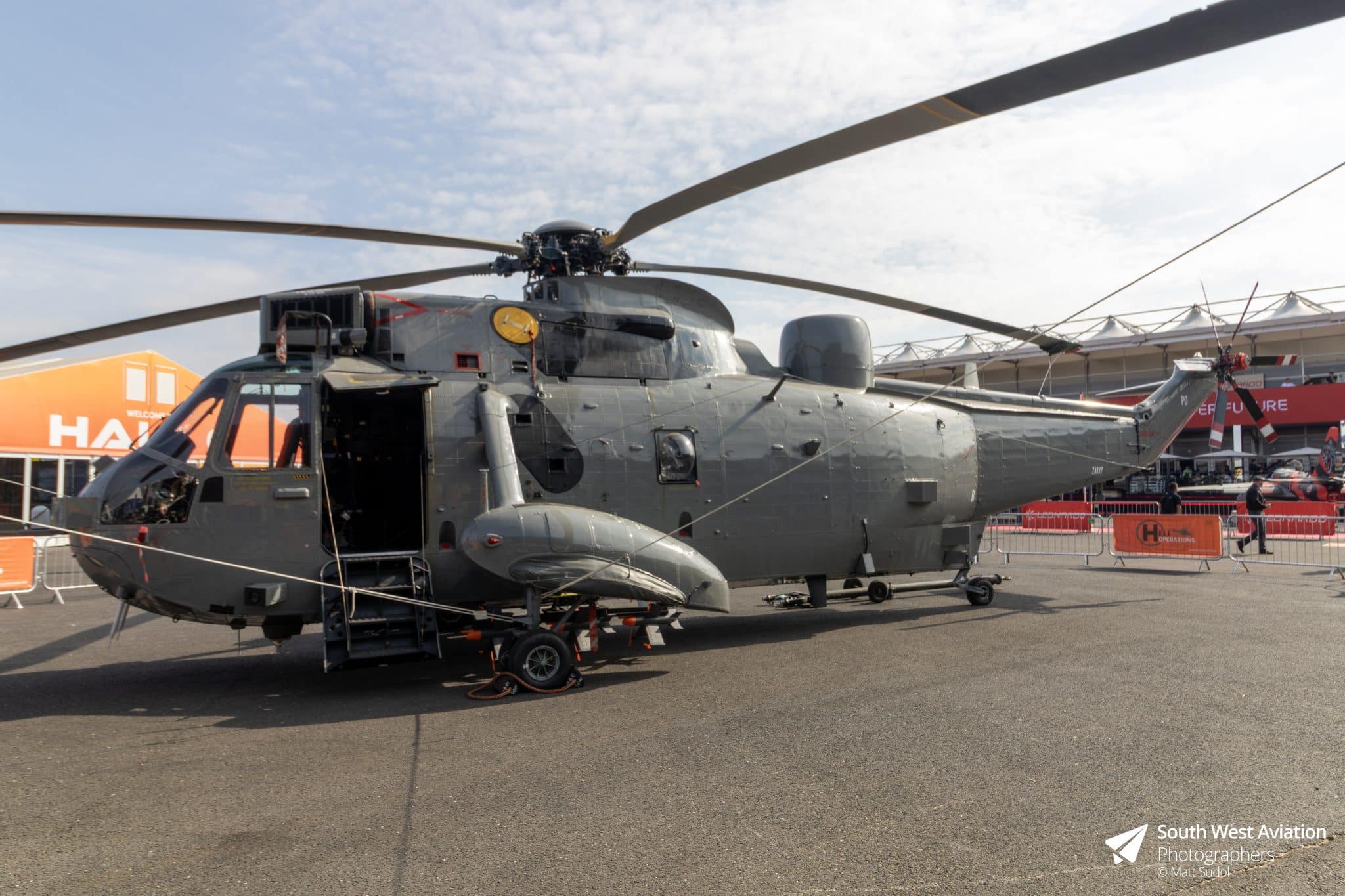
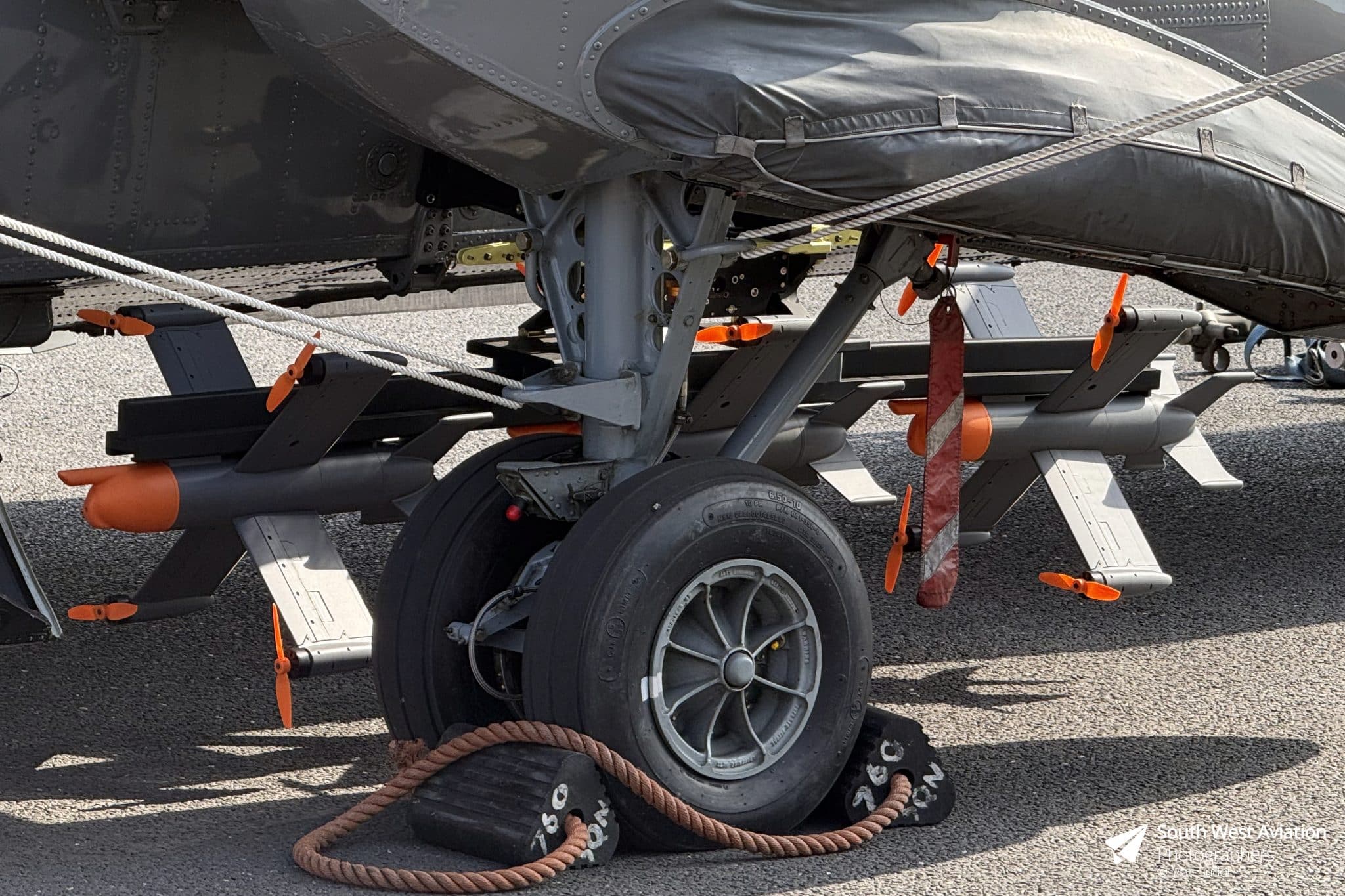
ZA137 featured subtle but significant modifications, including a nose‑mounted bracket for an aftermarket FLIR camera and additional sensors. Beneath the undercarriage sponsons — mostly obscured by the landing gear — were weapons pylons capable of mounting counter‑drone interceptors. The design, build and test‑evaluation work was carried out entirely in‑house by Developing Assets (UK) Ltd at its Somerset and Dorset facilities.
The major announcement for HeliOperations at Farnborough was the procurement of an AgustaWestland AW139 Flight Training Device and stationary REISER hoistAR® training system from Reiser Simulation and Training GmbH. “The investment forms part of HeliOperations’ wider strategy to create one of Europe’s leading independent military rotary‑wing training centers,” said CEO Steve Gladston. Operating from Portland, Dorset, the company combines military‑qualified instructors, CAA and UK Military Aviation Authority approvals, a growing fleet of Leonardo AW139 helicopters and expanding synthetic training capability to deliver advanced pilot, aircrew and mission training for defense customers. These new systems will support Developing Assets (UK) Ltd.’s contract with the Marinefliegerkommando to train German Navy pilots destined to operate the NH90‑NFH Sea Lion and NH90‑MRFH Sea Tiger.
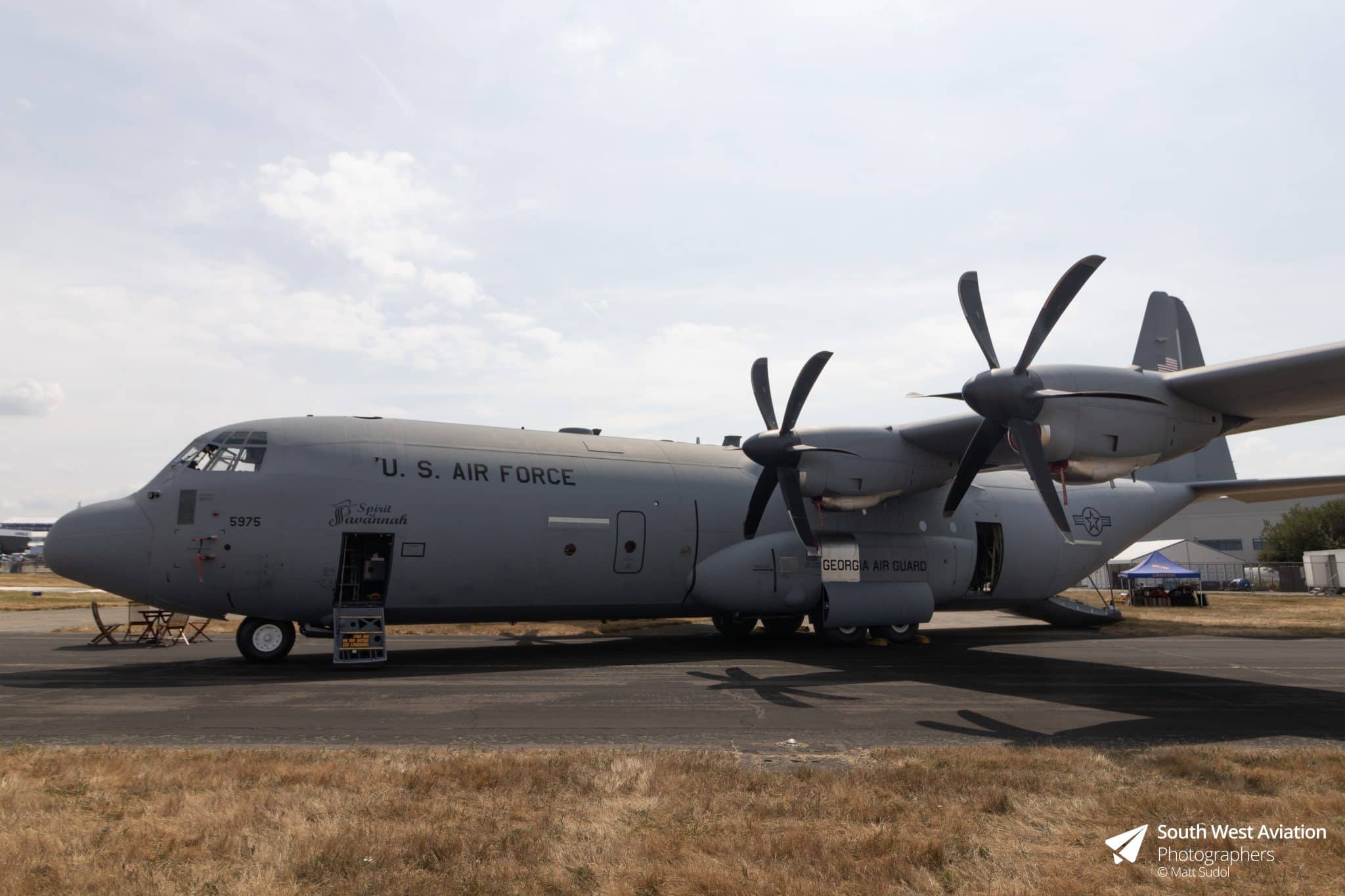
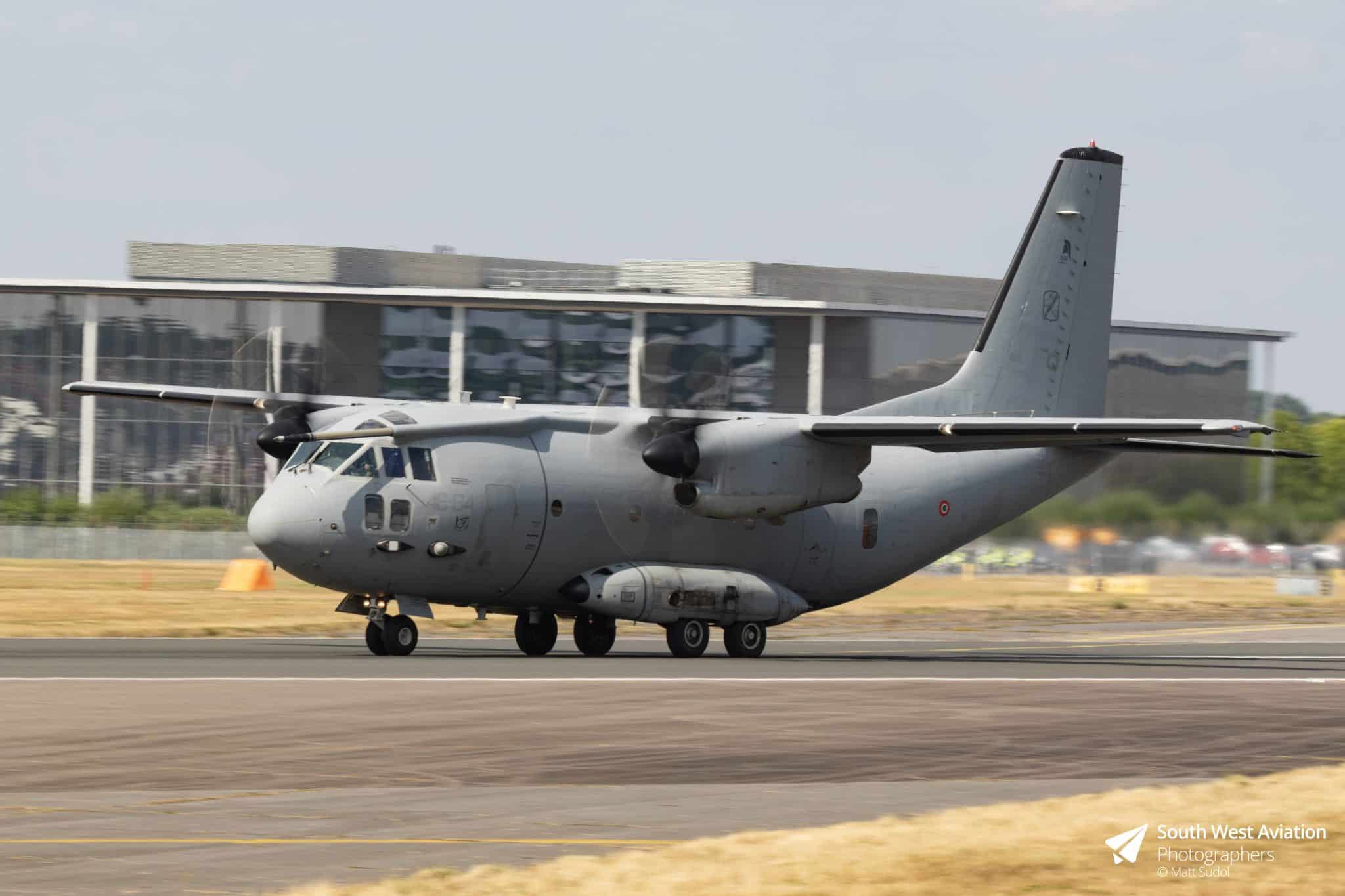
In the propulsion world, Dowty Propellers of Brockworth, Gloucestershire part of GE Aerospace had a strong presence, supported by a Boeing 747‑446 on static display and a Saab 340B(F) in the flying programme. Dowty was further represented by a Lockheed Martin C‑130J‑30 Hercules from the 158th Air Squadron, Georgia Air National Guard, and an Alenia C‑27J Spartan from 311 Gruppo, Reparto Sperimentale di Volo, Italian Air Force. Dowty used Farnborough International 2026 to showcase its latest advanced propeller systems, highlighting improvements in efficiency, durability and digital health‑monitoring, reinforcing its role as a key UK supplier in next‑generation propulsion technology.
Rolls‑Royce, which has maintained a presence at Patchway, Bristol for over 106 years, made a strong showing by spotlighting its next‑generation EJ2000 fighter‑engine concept and continued support for the A400M’s TP400 turboprop programme. The company underscored its long‑term UK commitment with the announcement of a new £100 million defense engineering center at Filton — a hub for advanced development, testing and support for future military propulsion systems. This Future Combat Air research center marks a major investment in sustaining Filton’s long‑standing role at the forefront of UK military aerospace.
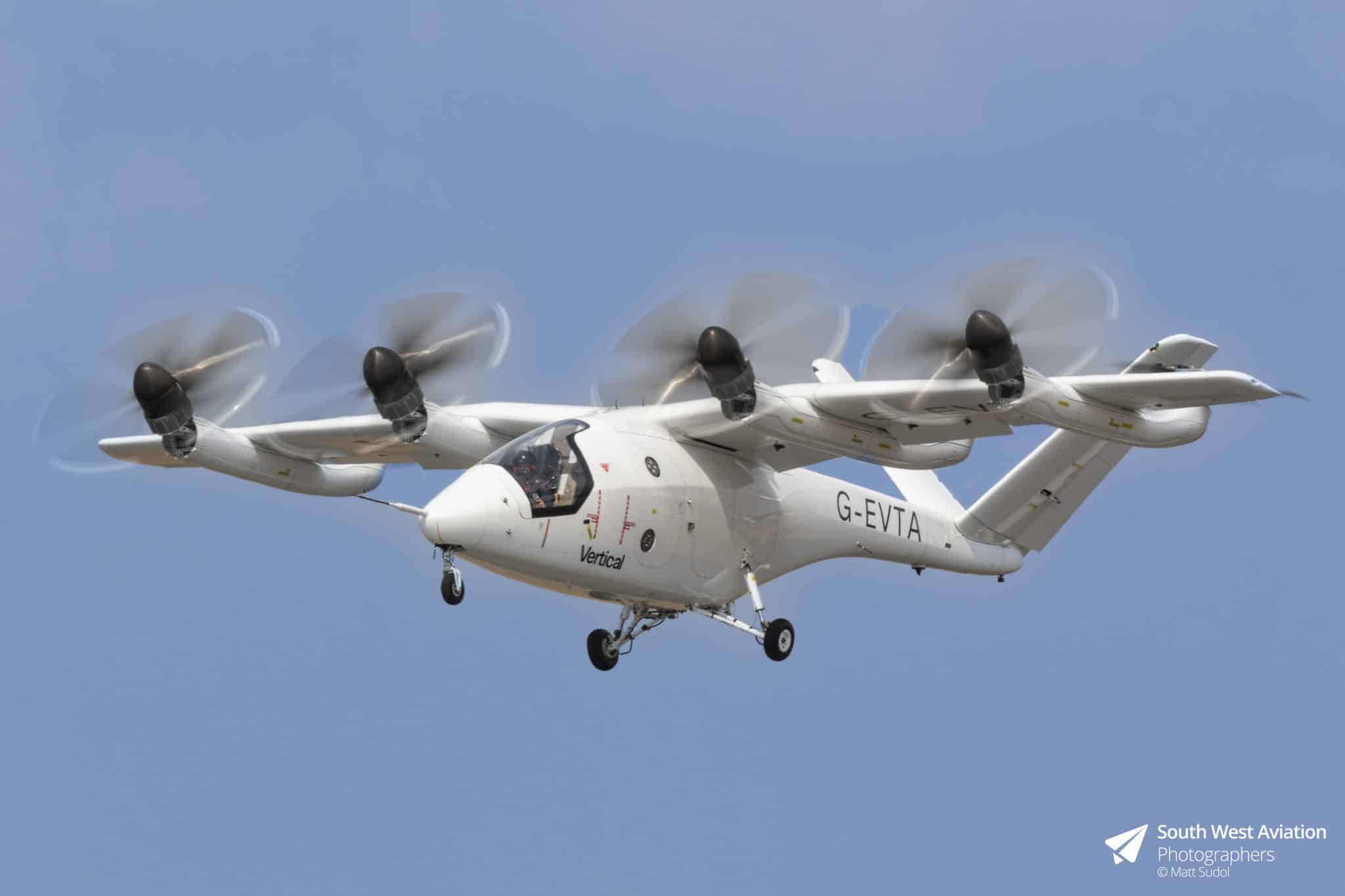
The standout story of Farnborough International 2026, however, was Vertical Aerospace Group Ltd. Vertical made one of the headline appearances of the show, completing the first public eVTOL transition flight in front of global industry leaders — a milestone demonstrating its full‑scale prototype switching seamlessly from vertical lift to wing‑borne cruise and back again. The company also displayed its commercial Valo aircraft, marking a decisive step toward certification, industrialization and commercial service while underscoring the UK’s growing leadership in advanced air mobility.
Vertical Aerospace has evolved into one of the South West’s flagship innovators in zero‑emission flight, with its organizational backbone firmly rooted in Bristol. Here, the company concentrates its core engineering, certification, digital‑design and programme‑management work, drawing on the city’s deep aerospace heritage to advance the VX4/Valo eVTOL from concept to commercial reality. Bristol serves as the intellectual and strategic center of the programme — home to avionics development, systems integration, safety analysis and global certification partnerships.
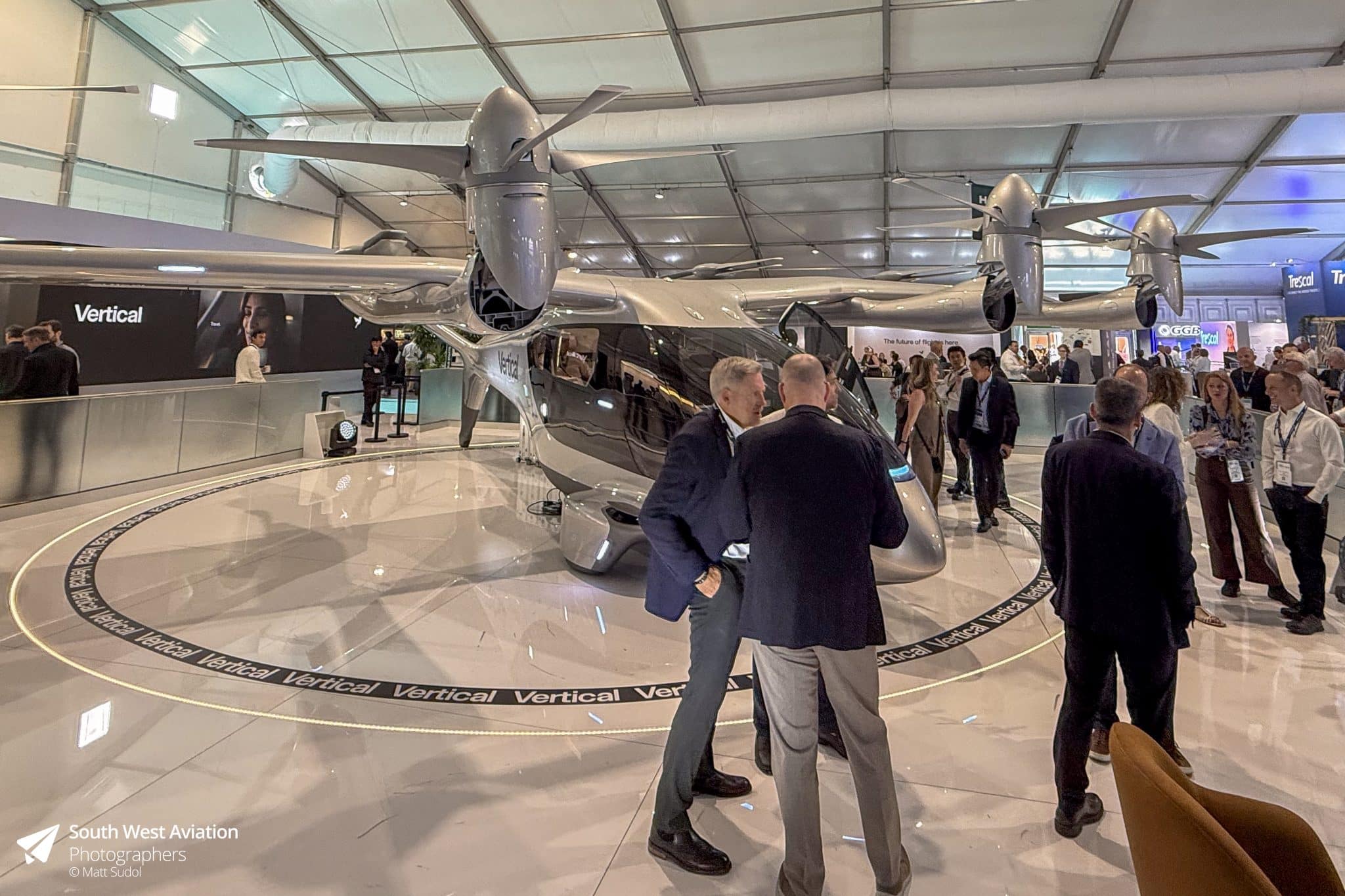
Meanwhile, Kemble Cotswold Airport has become the beating heart of Vertical’s physical test and development operations. The airfield hosts prototype assembly, structural and systems ground‑testing, and the expanding flight‑test campaign, including high‑profile transition‑flight demonstrations that have attracted international attention. Kemble’s long runway, controlled environment and proximity to Bristol make it ideal for iterative testing, data gathering and rapid engineering feedback loops. Together, Bristol and Kemble form a tightly connected ecosystem — one focused on design excellence, rigorous testing and industrial readiness — that positions Vertical Aerospace as a leading UK contender in the emerging advanced‑air‑mobility sector.
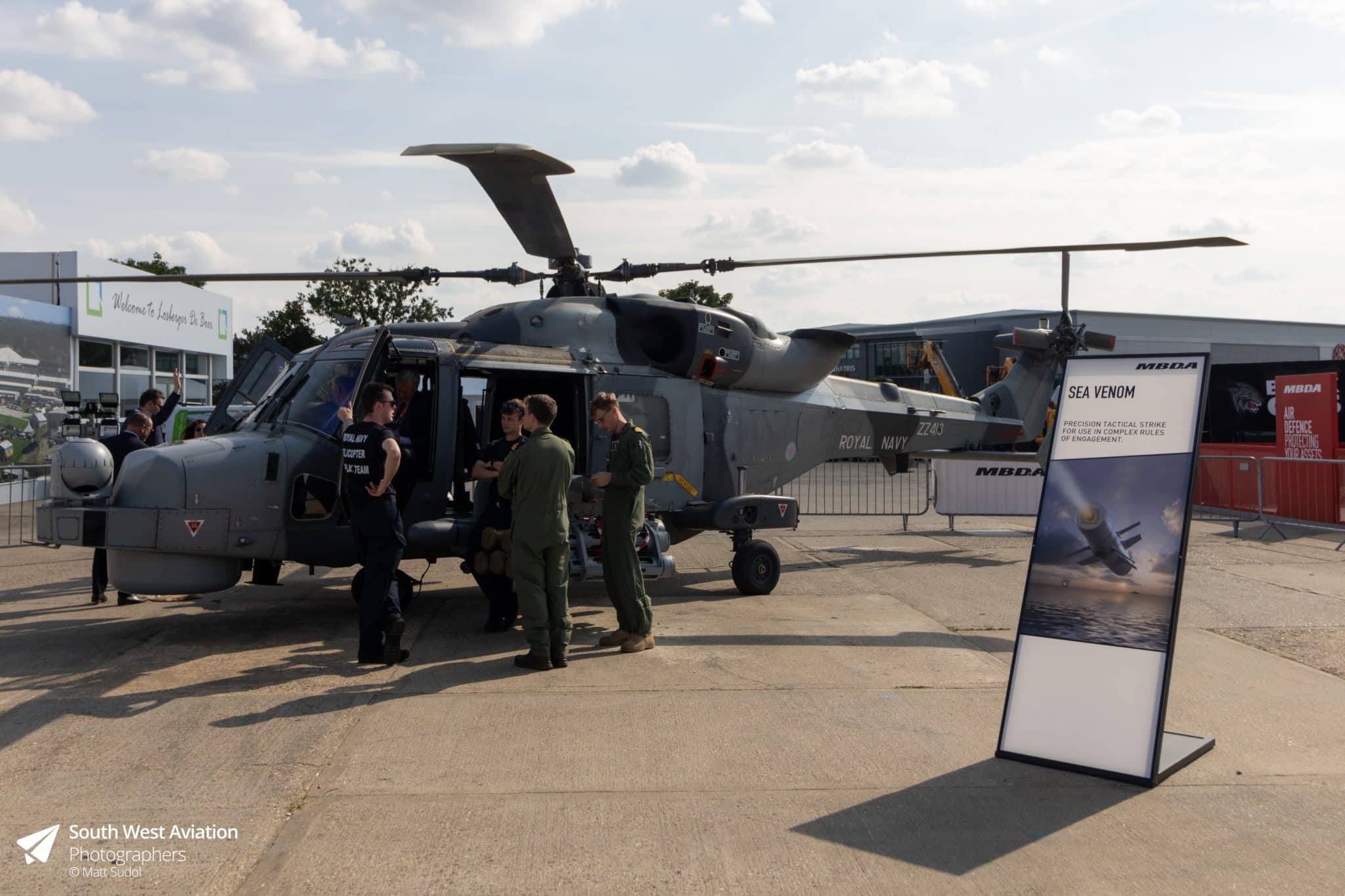
It wasn’t just industry that had aircraft on display. Supporting MBDA, RNAS Yeovilton‑based 825 Naval Air Squadron’s Black Cats Display Team exhibited an AgustaWestland AW159 Wildcat HMA.2 with a Sea Venom missile loadout. The AgustaWestland AW159 Wildcat AH.1 — also based at RNAS Yeovilton and recently in the headlines due to its announced early retirement in 2027 — featured as part of the Army Air Corps Display Team on Thursday and Friday, flying alongside a pair of Boeing AH‑64E Apache AH.2s.
Farnborough International 2026 ultimately reaffirmed that the South West is no longer a peripheral contributor to the UK’s aerospace story but one of its driving forces. Across rotorcraft, propulsion, advanced air mobility, military capability and next‑generation research, the region’s companies demonstrated depth, ambition and technical maturity that resonated far beyond the showground. From Yeovil’s sovereign helicopter production and Bristol’s propulsion and wing‑technology leadership to Kemble’s role in shaping the future of zero‑emission flight, the South West proved that its innovation ecosystem is not only thriving but indispensable to the UK’s aerospace future. As the industry moves toward cleaner propulsion, autonomous systems and new operational concepts, the South West’s blend of heritage, expertise and forward‑leaning engineering ensures it will remain at the center of the nation’s next chapter in aviation.
South West Aviation Photographers would like to thank everyone at Farnborough International Airshow for making this article possible
Article by Matt Sudol
© South West Aviation Photographers 2026