
The Irish airshow circuit is not the largest in the world, but what it lacks in scale it more than makes up for in spirit. The Irish airshow scheme isn’t the largest in the world but what it lack in size it makes up for in spirit. In 2026, only two airshows were held in the Republic of Ireland, both scheduled over the early August Bank Holiday weekend. With the shows taking place on consecutive days, they shared a number of acts many of which had crossed the Irish Sea from the United Kingdom of Great Britain and Northern Ireland.
We attended the Bray Airshow on the Saturday. Bray, located some 12 miles south of Dublin with a population of just under 35,000, sits on the edge of the Wicklow Mountains. Bray located some 12 miles south of Dublin with a population of just under 35,000 nested ion the edge of the Wicklow mountains. Like most seaside shows, Bray is entirely free to attend, supported by local businesses, industry partners, and the Bray Tourist Board. In previous years, Bray has attracted serious international heavy metal Swedish Historic Flight, 313° Gruppo Addestramento Acrobatico, Pattuglia Acrobatica Nazionale, and Patrouille Suisse among them. This year, however, the programme was more home‑grown, with all acts coming from either the Republic of Ireland or the United Kingdom.
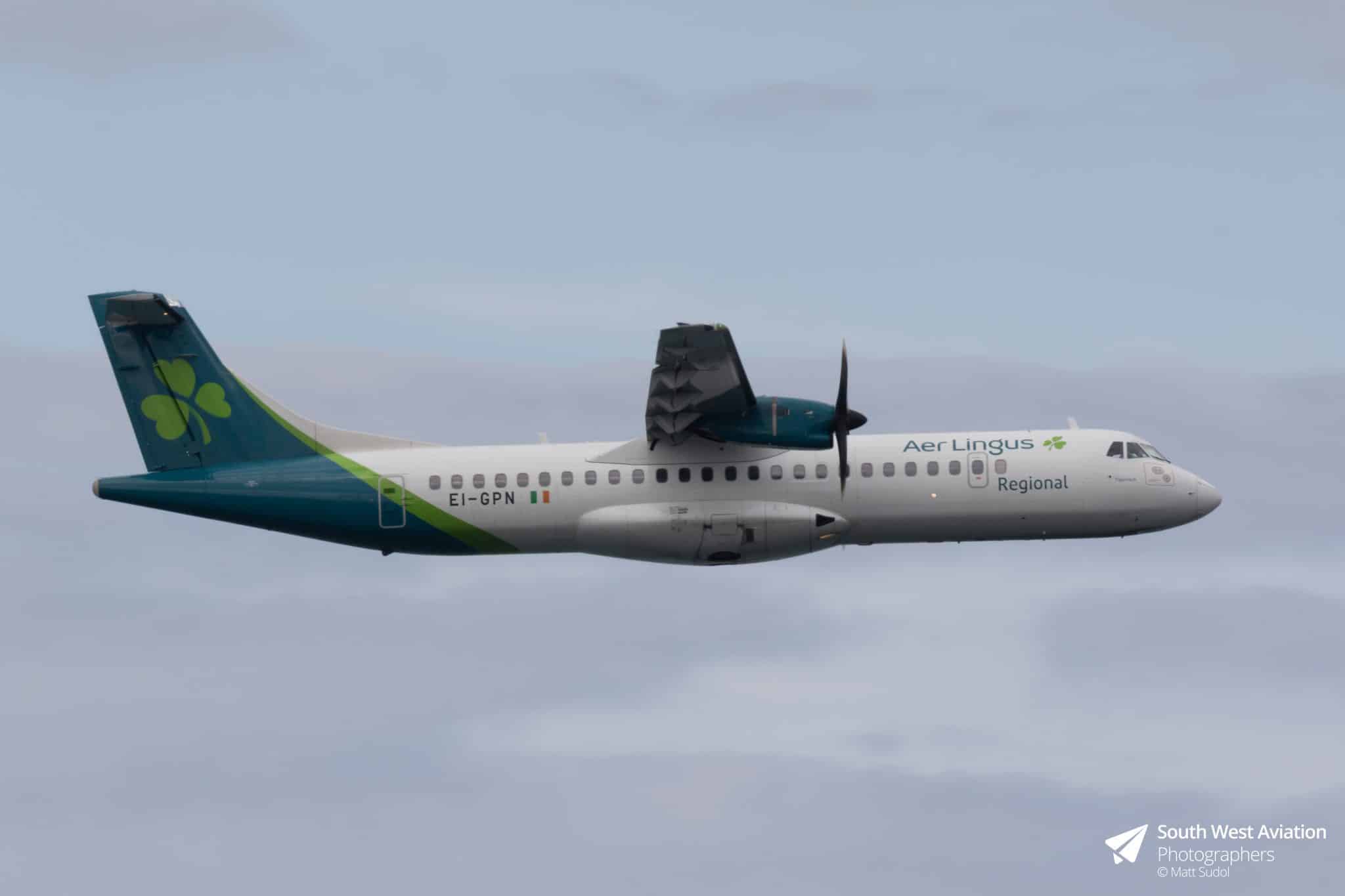
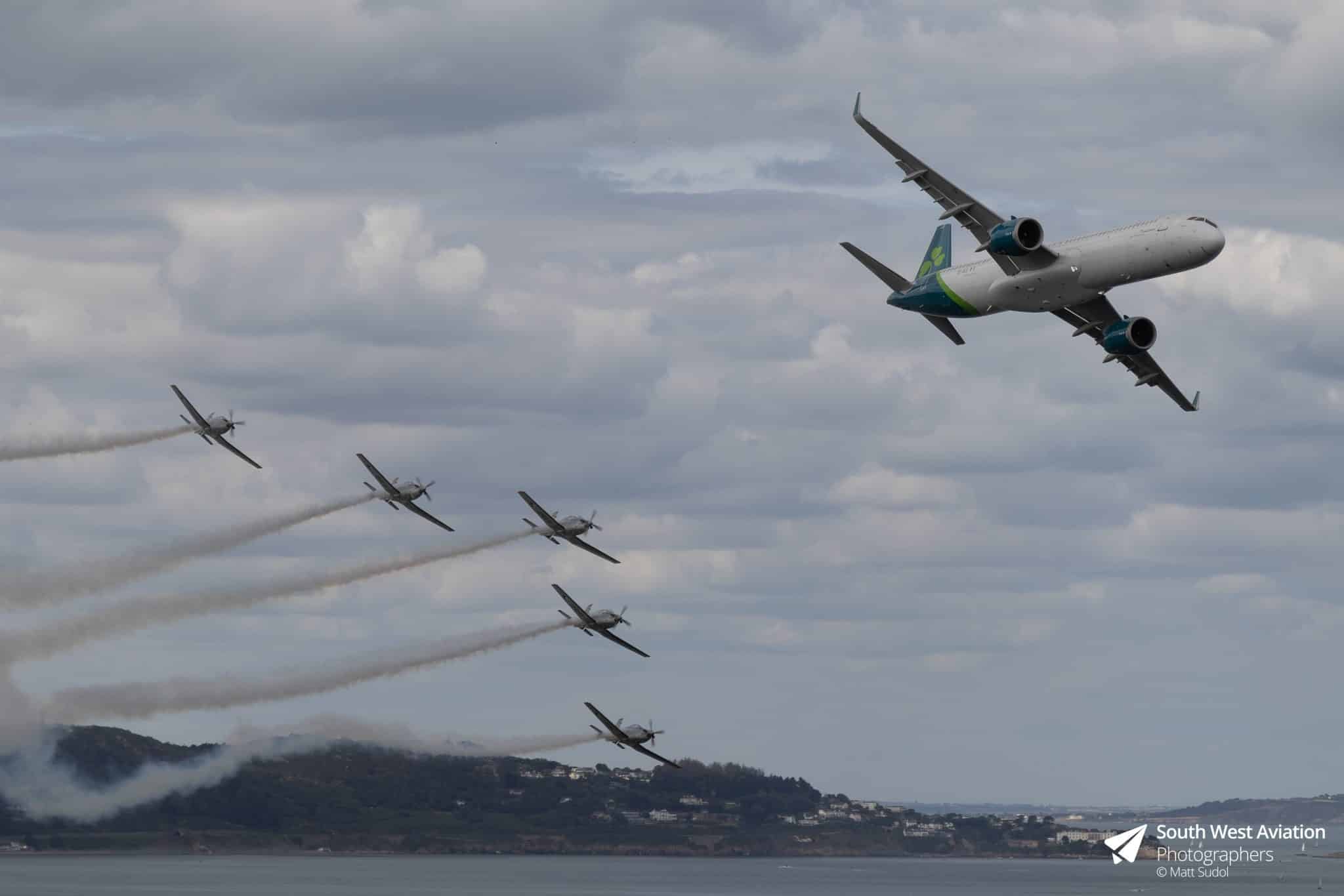
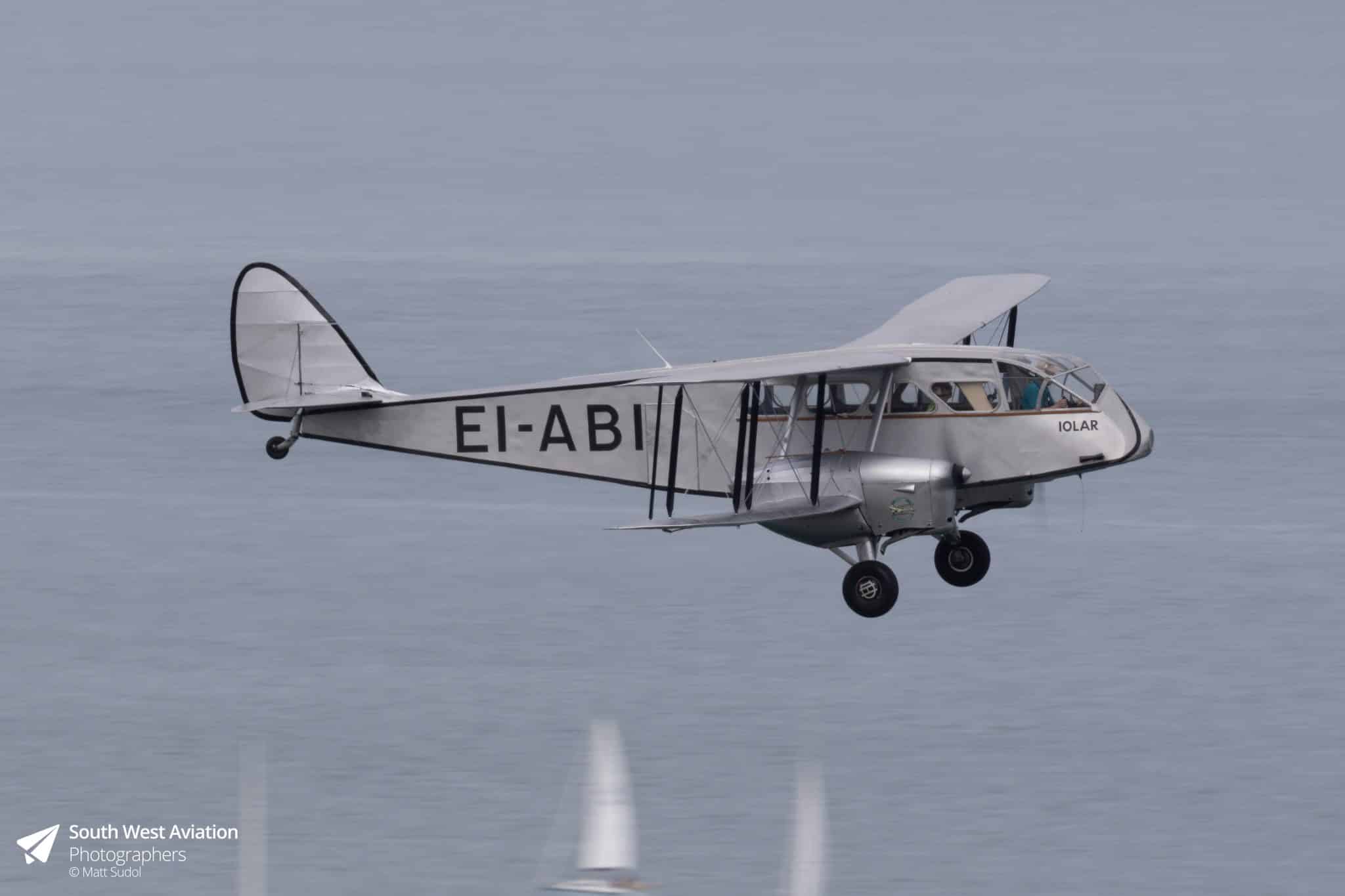
A major theme of the weekend was the 90th anniversary of Aer Lingus. The show opened with a spirited display from one of the airline’s Airbus A321‑253NYs, flying in formation with the Irish Air Corps Silver Swallows and five of their Pilatus PC‑9Ms. The Aer Lingus Charitable Foundation’s beautifully restored De Havilland DH.84 Dragon II, built in 1936, followed with a series of elegant fly-past’s. Emerald Airlines, operating Aer Lingus Regional services, contributed an ATR 72‑600 an aircraft not thrown around like the Guardia Costiera ATR 42‑420MP demos, but still impressive to see in a flying display.
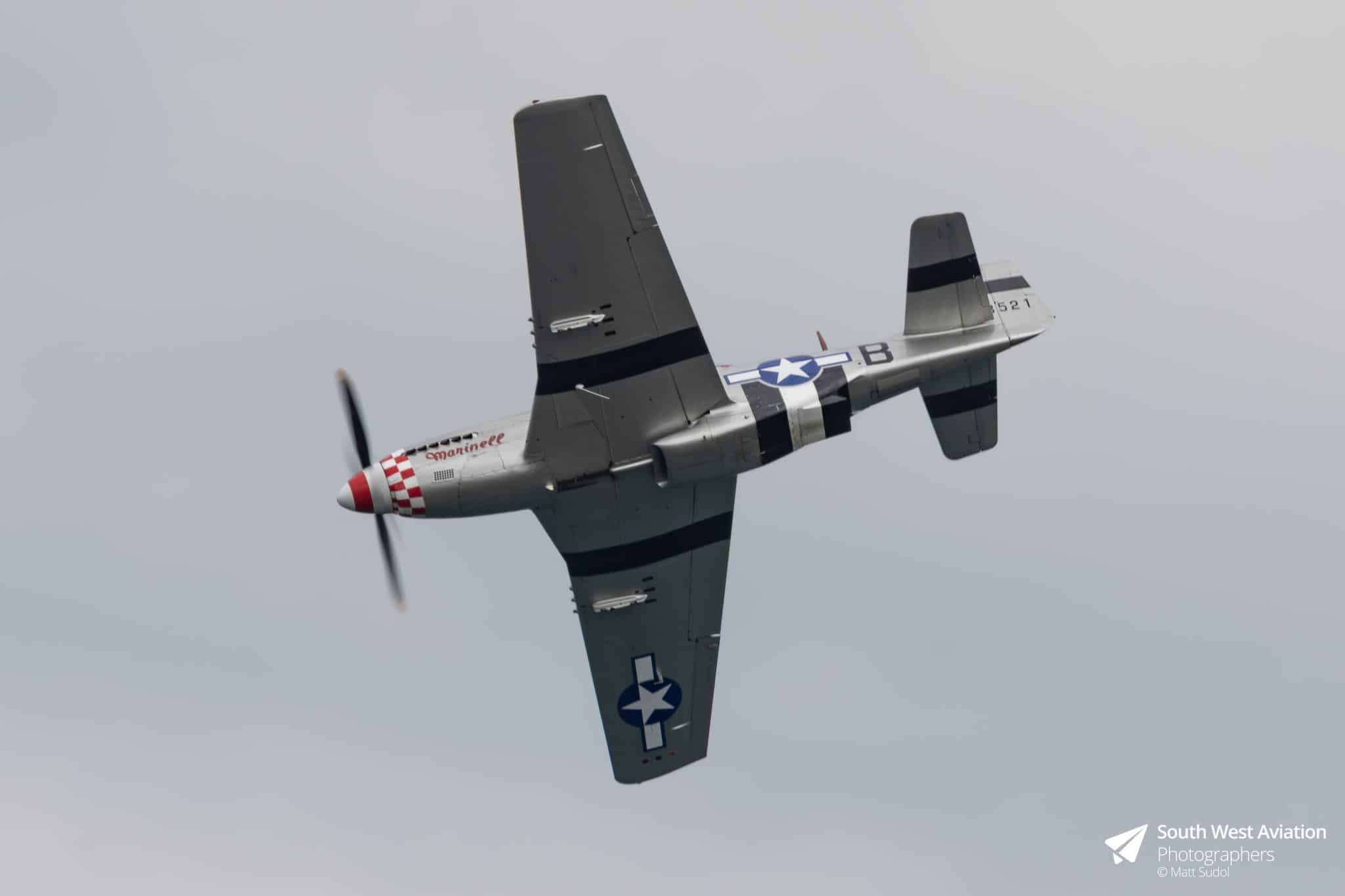
Next came Isabel Rutland in her North American P‑51D‑5‑NA Mustang “Marinell”, returning to Bray for the second time. Following on from the Airbus A321-253NY was Isabel Rutland in her North American P-51D-5-NA Mustang named Marinell returning to Bray for the 2nds time. Her aircraft’s combat history RAF Fowlmere, the 339th Fighter Group, four confirmed victories, and its 1944 loss over France adds depth to every display. Restored in the UK and now based at Biggin Hill, Marinell remains one of the most authentic Mustangs flying today.
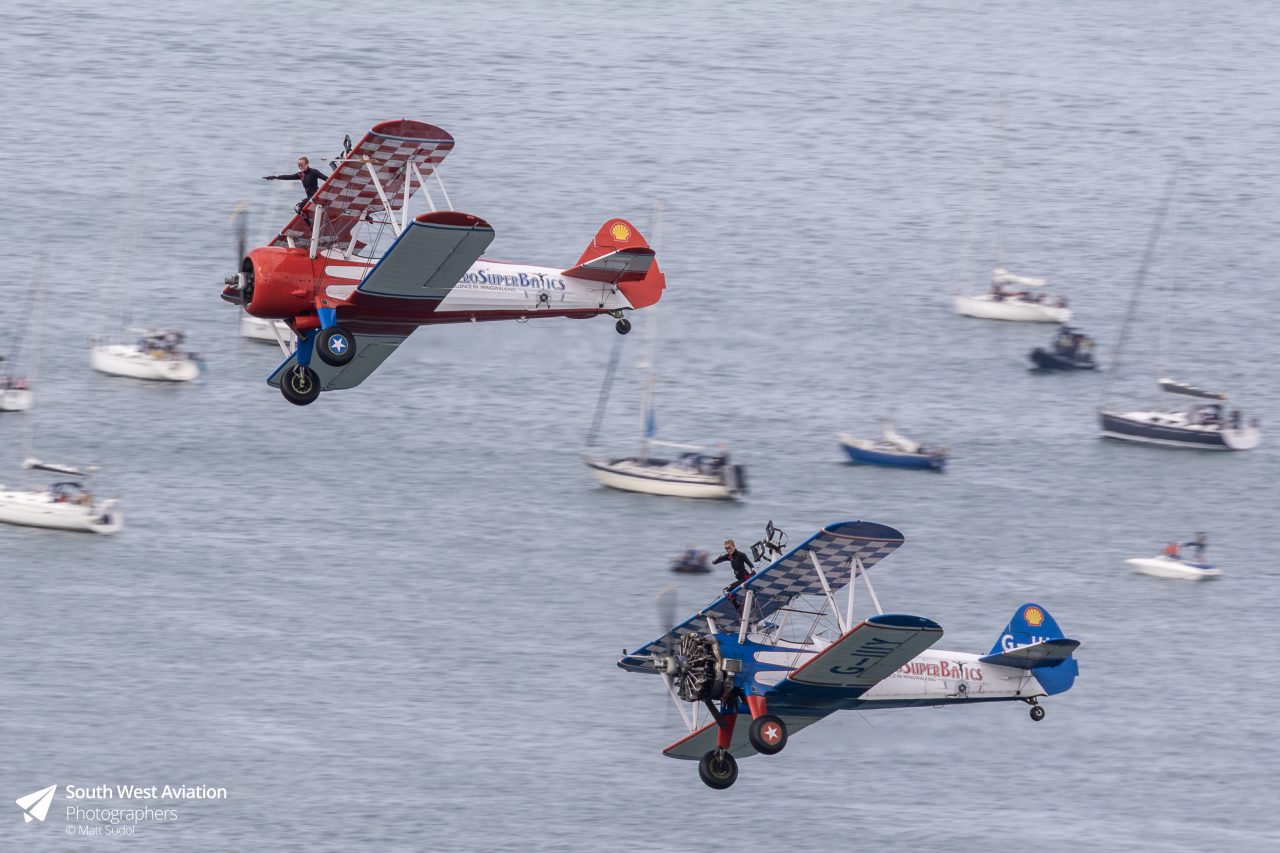
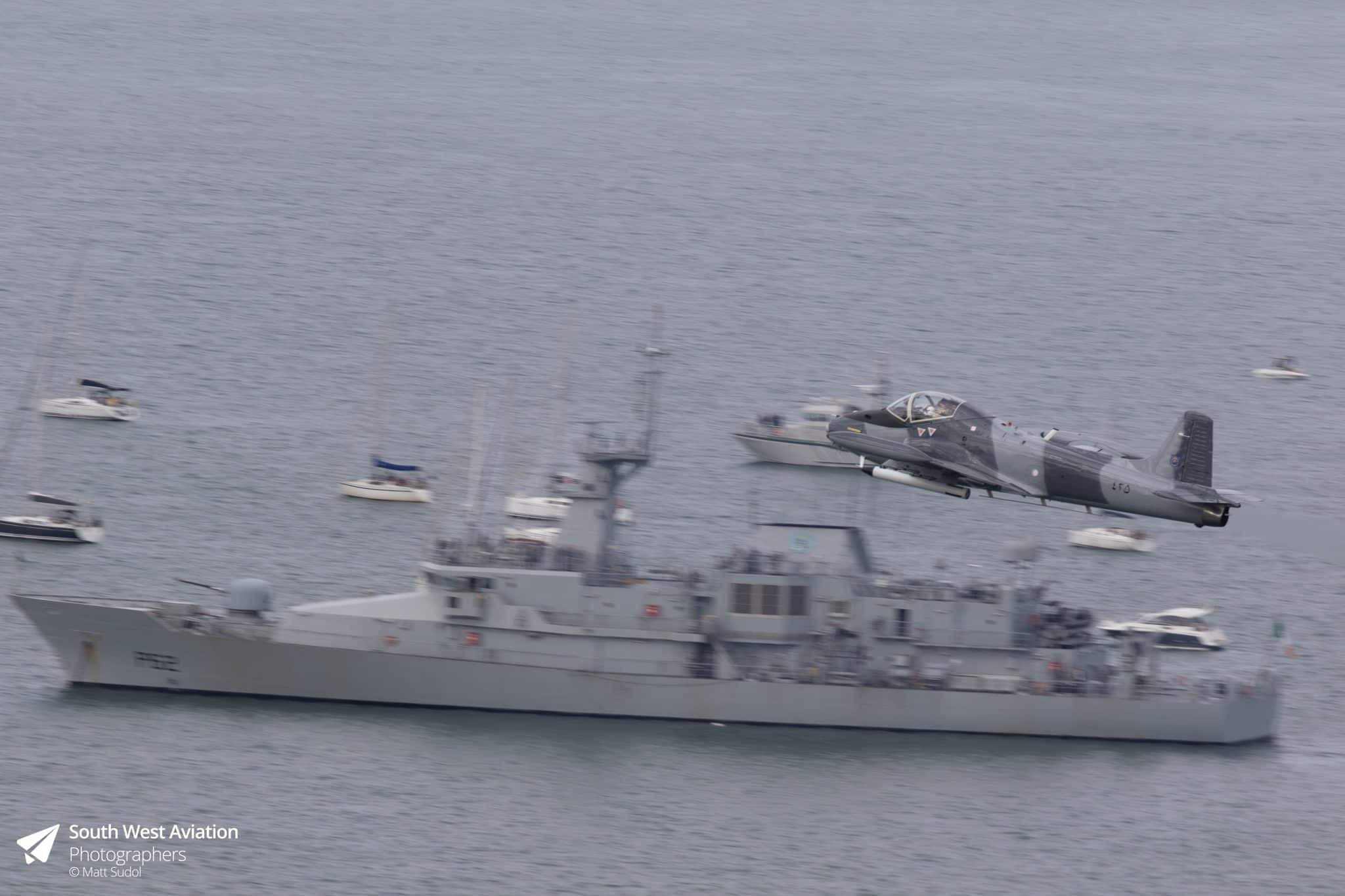
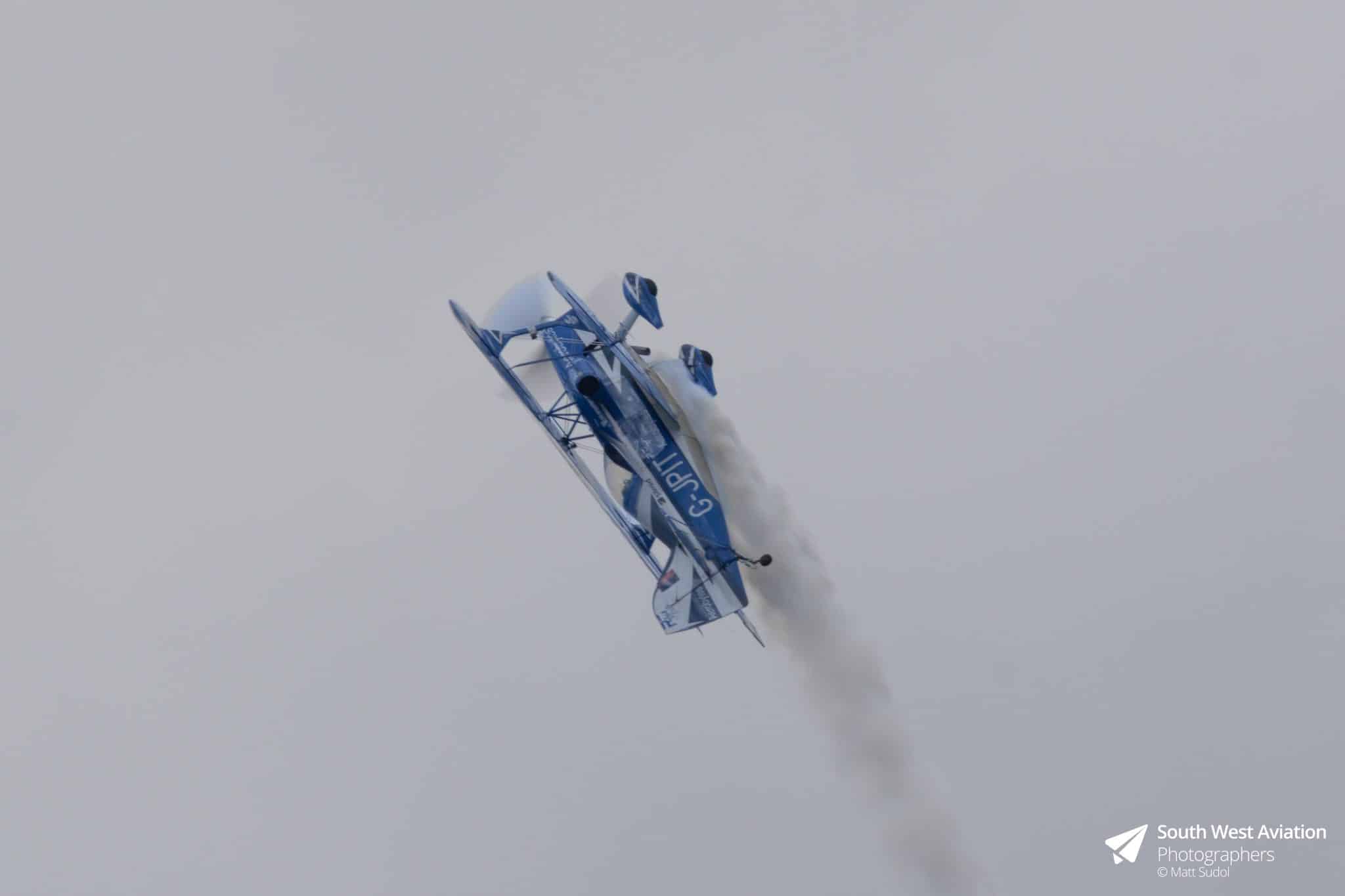
A regular sight at UK seaside shows, AeroSuperBatics Wing walkers brought their Boeing N2S‑4 Kaydet and PT‑13D Kaydet across from Rendcomb, Gloucestershire. Their aircraft are specially adapted to allow the front‑seat wing walker to climb onto the upper wing, and the team is well known for dynamic poses on the leading edge. Based just up the road at Gloucester Staverton Airport, Richard Goodwin delivered a tremendous performance in his Jet Pitts. His Pitts S‑2S Special, fitted with two AMT Lynx jet turbines in addition to the Lycoming AEIO‑540‑D4A5, produces a remarkable 1.1:1 power‑to‑weight ratio. Years of testing and development have turned G‑JPIT into one of the most distinctive aerobatic aircraft on the circuit. Jet noise came courtesy of the Strikemaster Display Team from North Wales Air Services Ltd, flying a 1986‑built BAC 167 Strikemaster Mk.82A. Formerly operated by the Royal Air Force of Oman, the aircraft would have routinely carried SNEB 68 mm rocket pods and twin 7.62 mm Frazer‑Nash guns—though at Bray it flew only with display smoke.
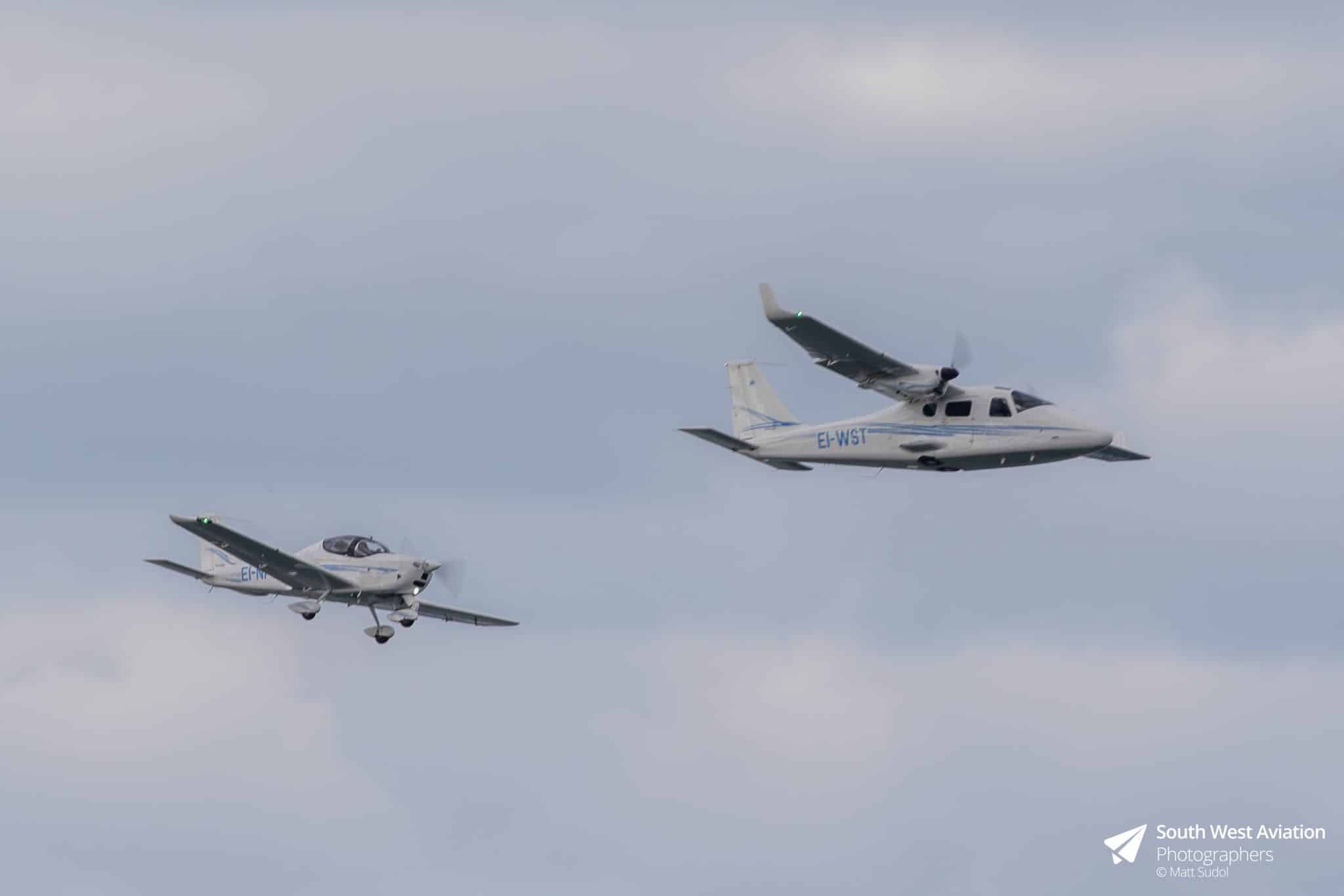
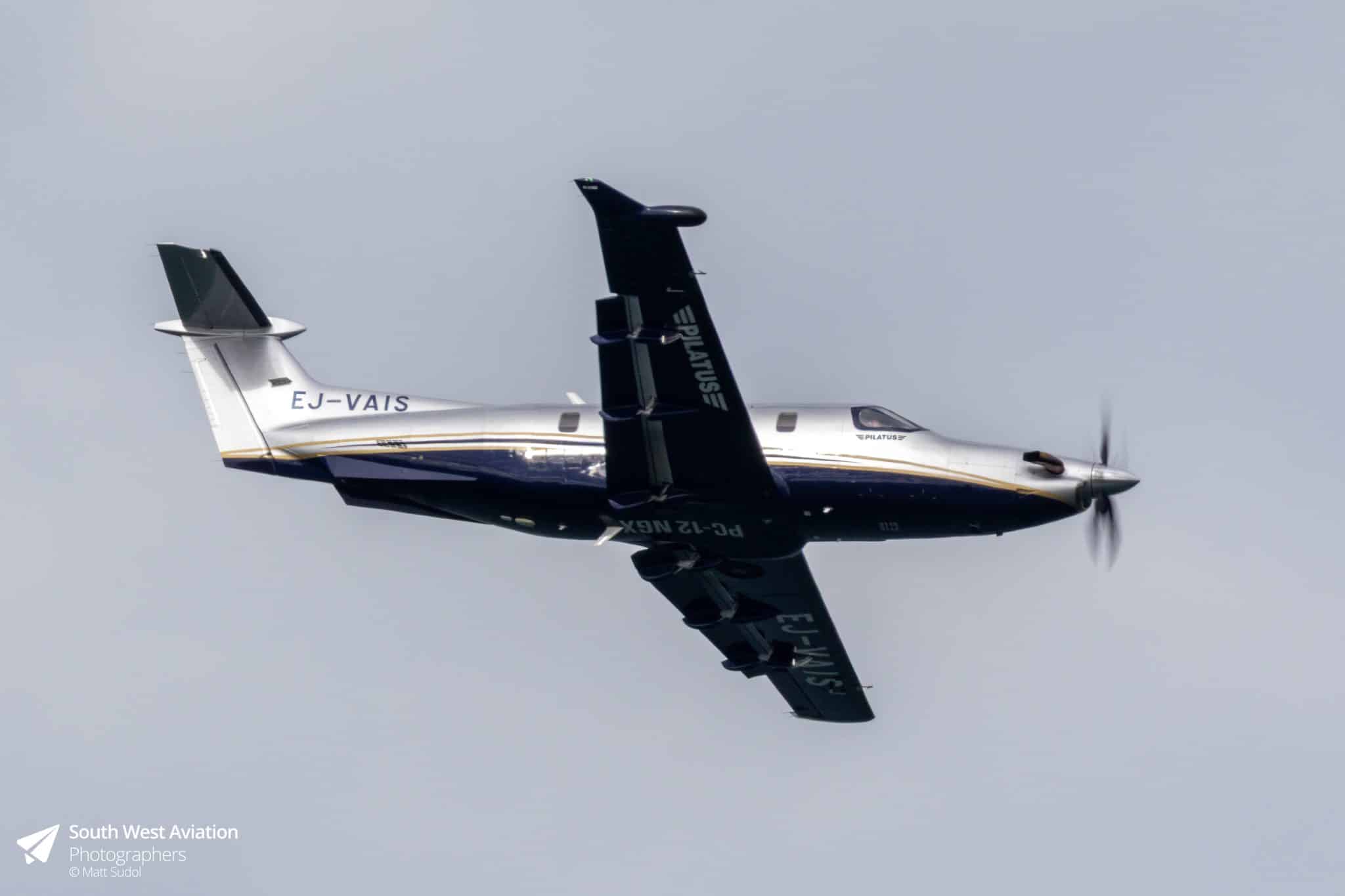
Dublin–Weston Airport hosted the visiting UK display teams, and two of its tenants also participated. First was Stellaer 212’s Pilatus PC‑12/47E NGX, a modern turboprop operated by an Ireland‑based charter company. Stellaer 212 is an Ireland‑based certified private‑jet charter operator headquartered at Dublin International and Dublin Weston Airport The PC‑12 NGX’s digital engine control, BMW‑styled cabin, and short‑field capability made it a sleek addition to the programme. The National Flight Centre contributed a formation of Tecnam P2006T Mk II and P2002‑JF P‑Mentor aircraft. As one of Europe’s longest‑established EASA‑approved academies, NFC showcased the training fleet used for PPL through Integrated ATPL courses. Their display was limited to straight and level fly-past’s, likely due to the time required to obtain full display authorization.
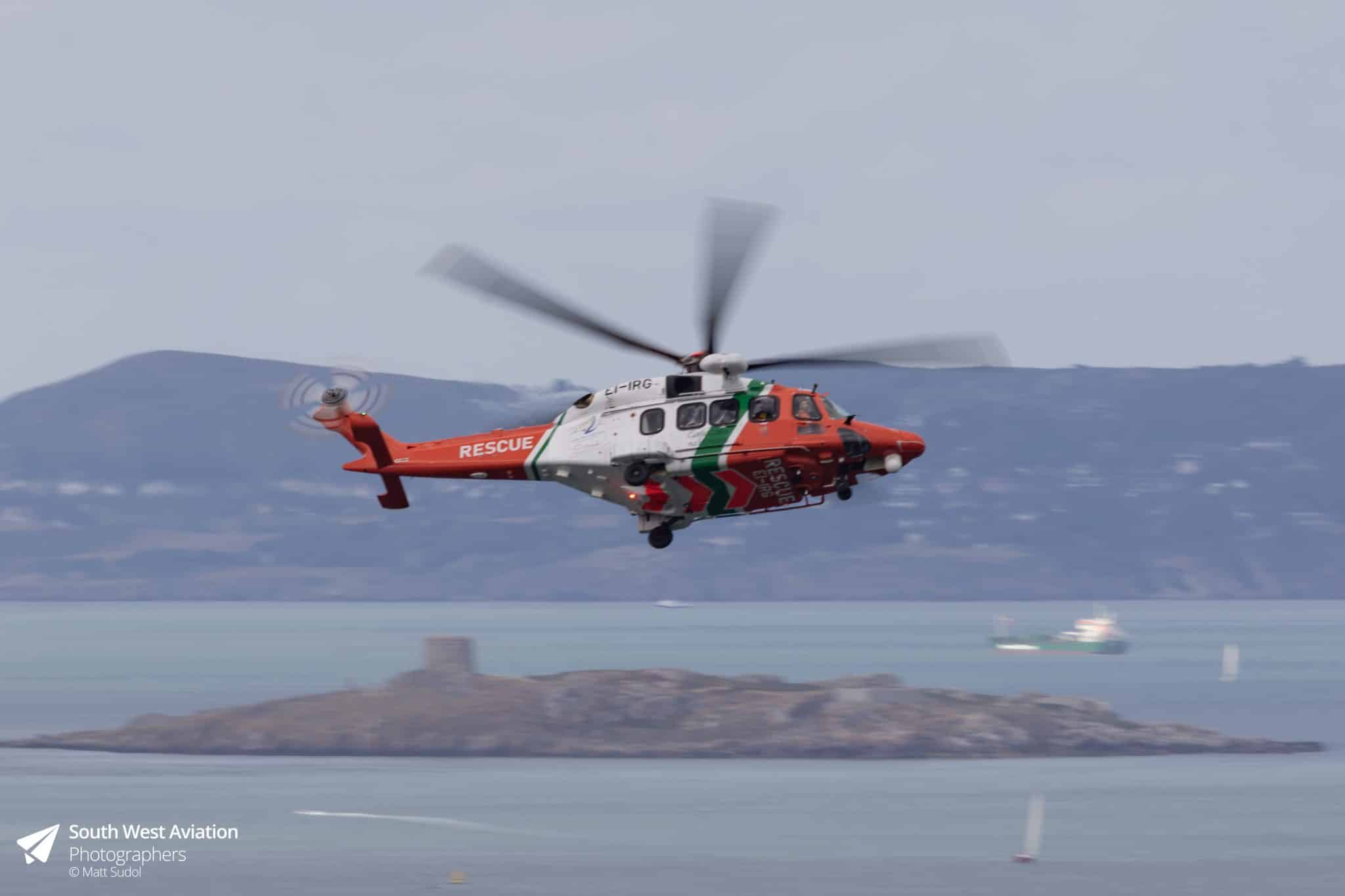
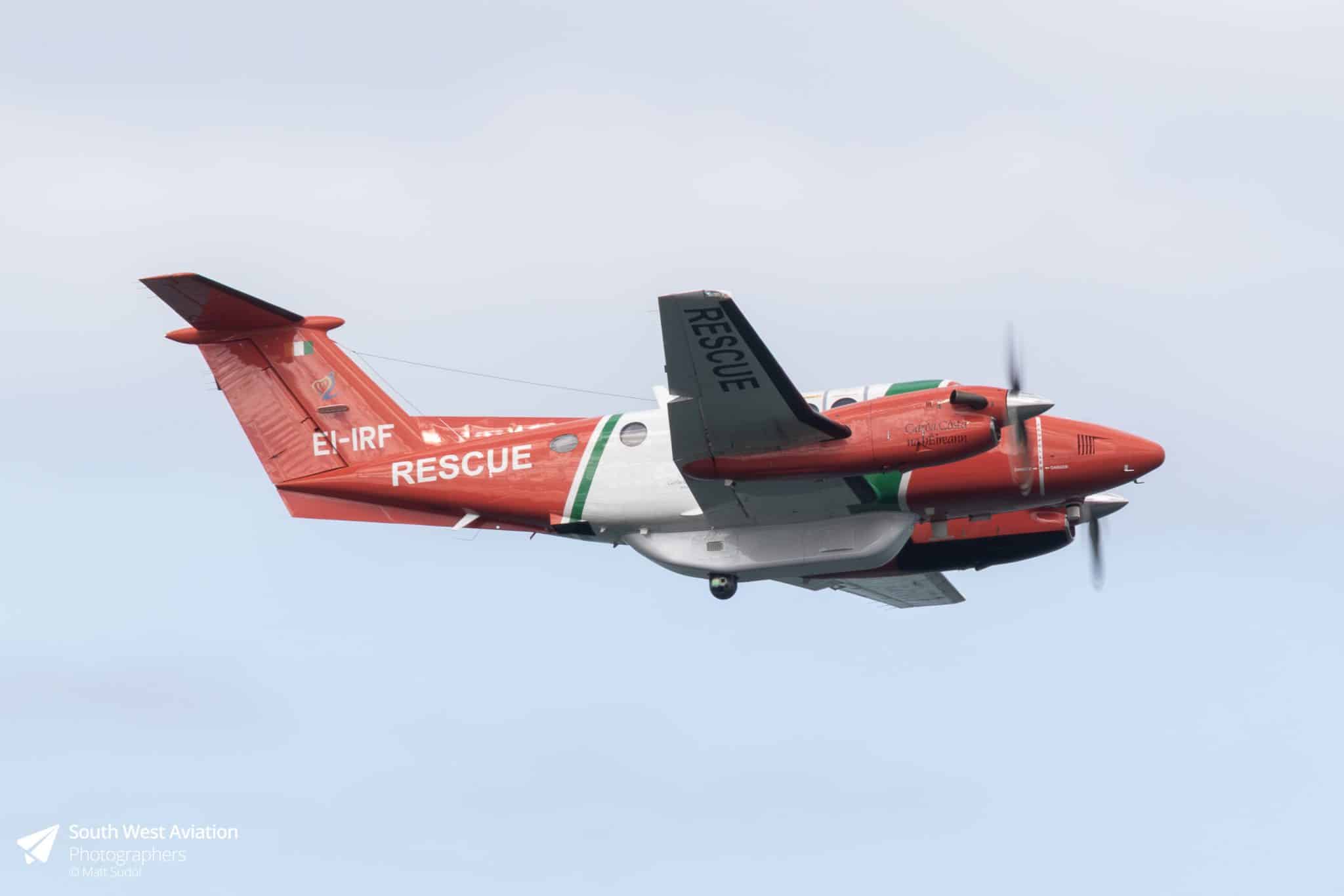
This year marked the first Bray Airshow since Bristow Helicopters Ireland took over all four Irish Coast Guard SAR bases, replacing the Sikorsky S‑92A with the AgustaWestland AW189. Rescue 116, based at Weston, performed the SAR demonstration with its dual‑hoist, advanced‑sensor, maritime‑optimized AW189. A Beech B200 King Air from 2Excel Ireland followed, representing the fixed‑wing overwatch and surveillance capability used during long‑range SAR missions.
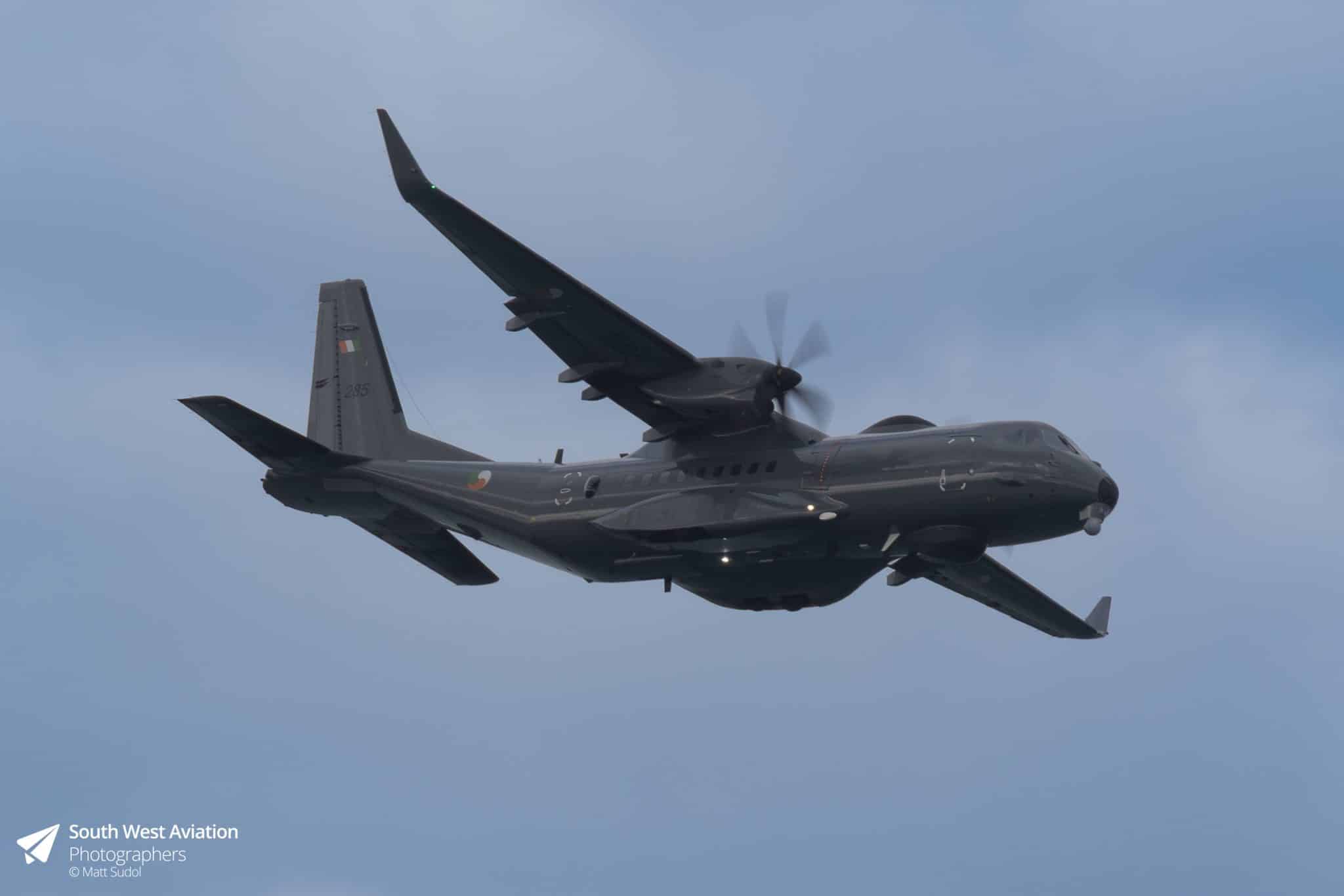
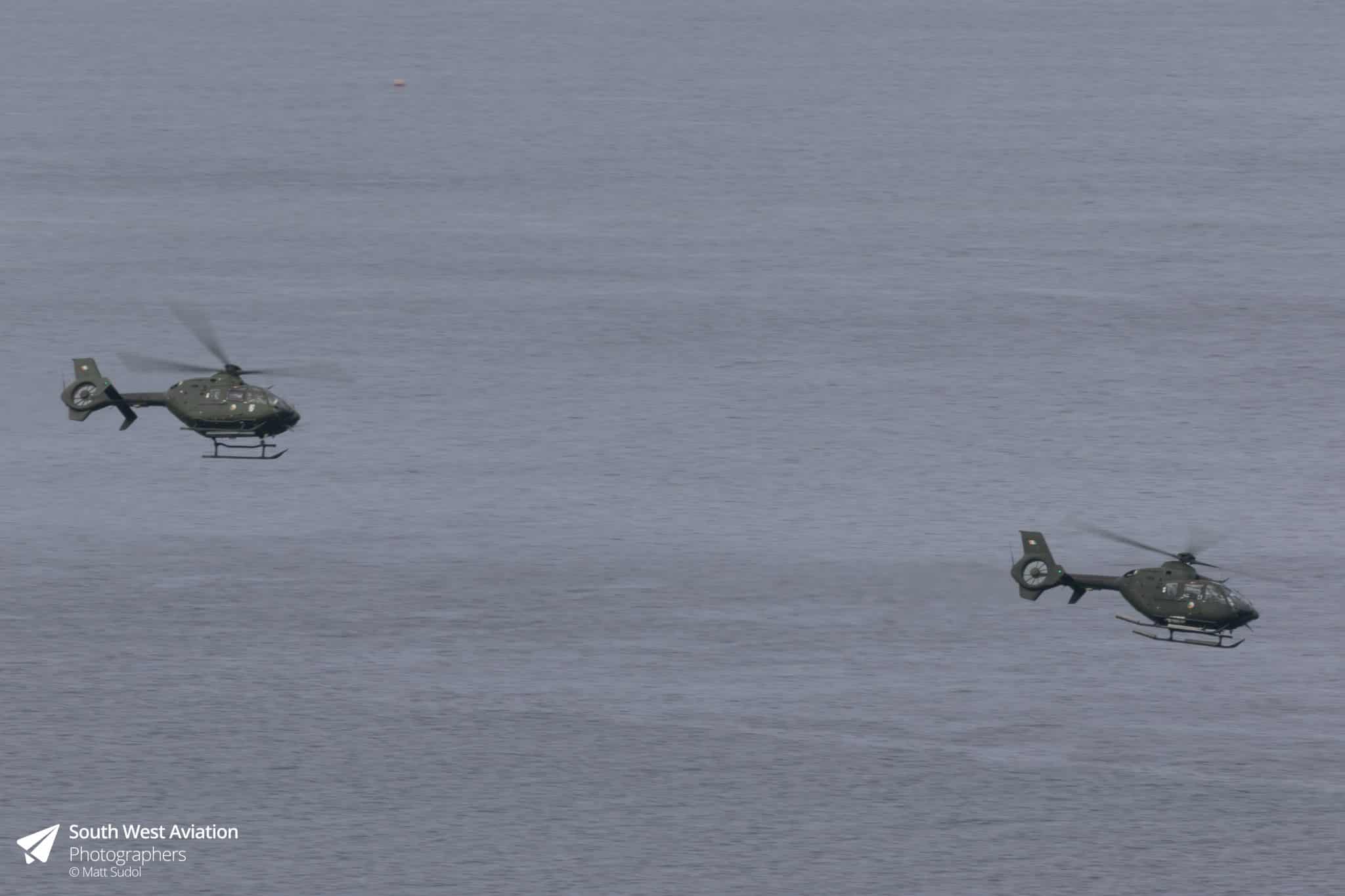
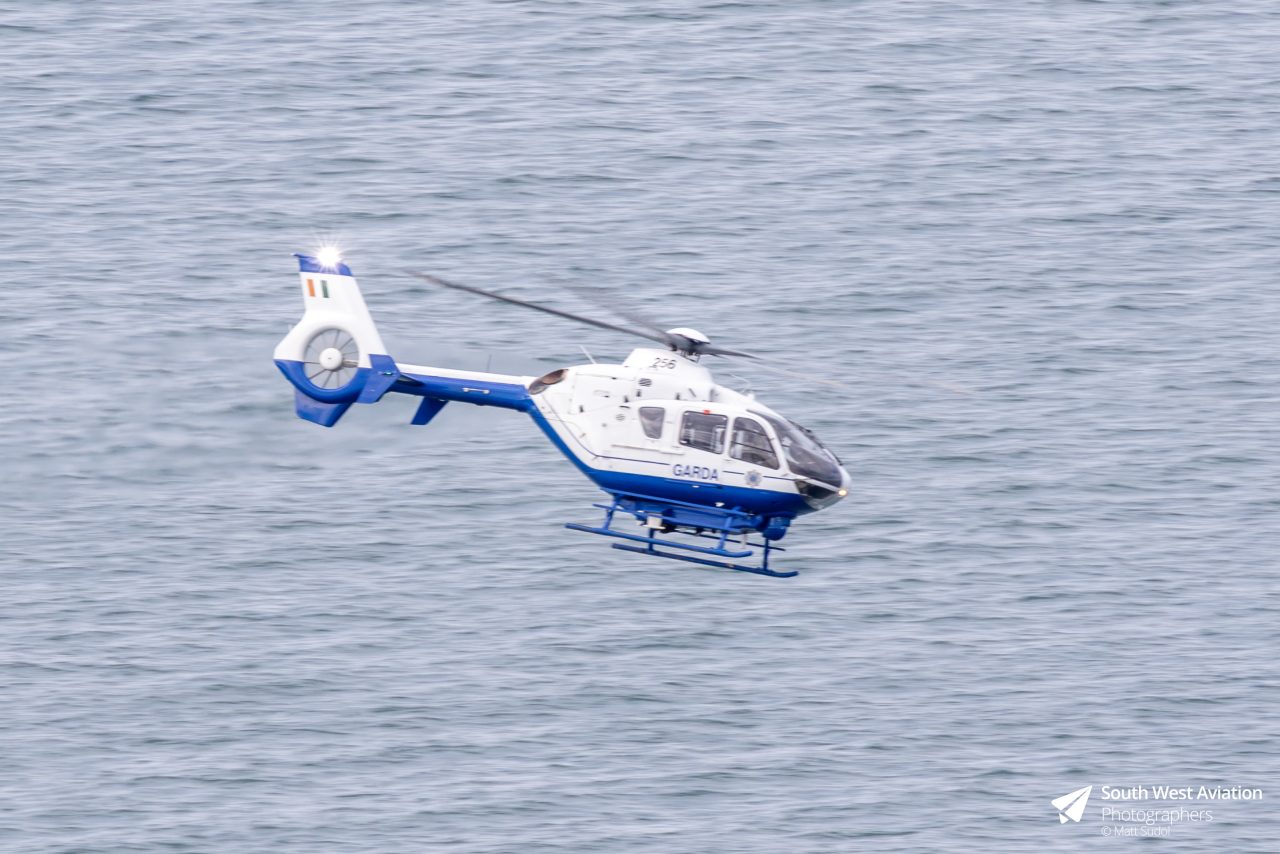
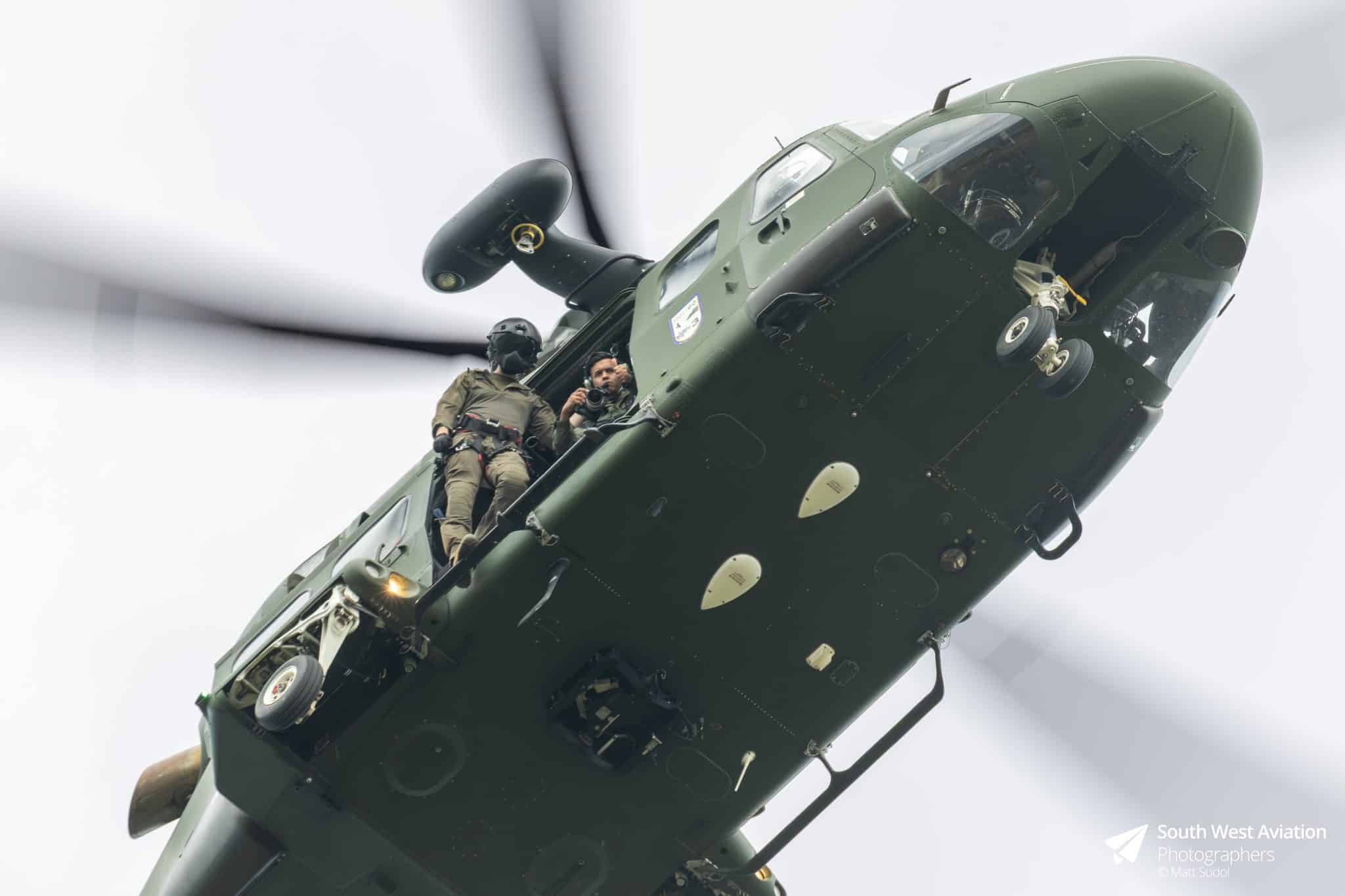
The An Garda Síochána displayed one of their Eurocopter EC135 T1s, flown energetically by an Irish Air Corps pilot arguably the most spirited police air support demo we have seen. Although the Viking DHC‑6‑400 Twin Otter did not appear due to operational commitments, its presence in the fleet is a significant upgrade from the BN‑2T‑4S Islander. Two Irish Air Corps EC135 P2s performed as Team Mórígan, named after the mythological goddess of war, represented as a raven on No. 3 Operations Wing aircraft. Their pairs routine added a sharp, tactical flavor to the show. A Casa C-295MPA of 101 Sq based at Baldonnel-Casement callsign Kraken showed off one of the latest acquisitions of the Irish Defense forces. The Irish Air Corps’ CASA C‑295MPA fleet provides Ireland with a modern, sensor‑rich maritime patrol capability, replacing the older CN235s and dramatically improving ISR coverage of the State’s vast Exclusive Economic Zone. Equipped with advanced radar, AIS/ADS‑B tracking, electro‑optical systems, and the SitaWare mission suite, the two MPA variants deliver near‑real‑time situational awareness to Naval Service and Defense Forces commanders, forming the backbone of Ireland’s maritime surveillance and fisheries‑protection operations.
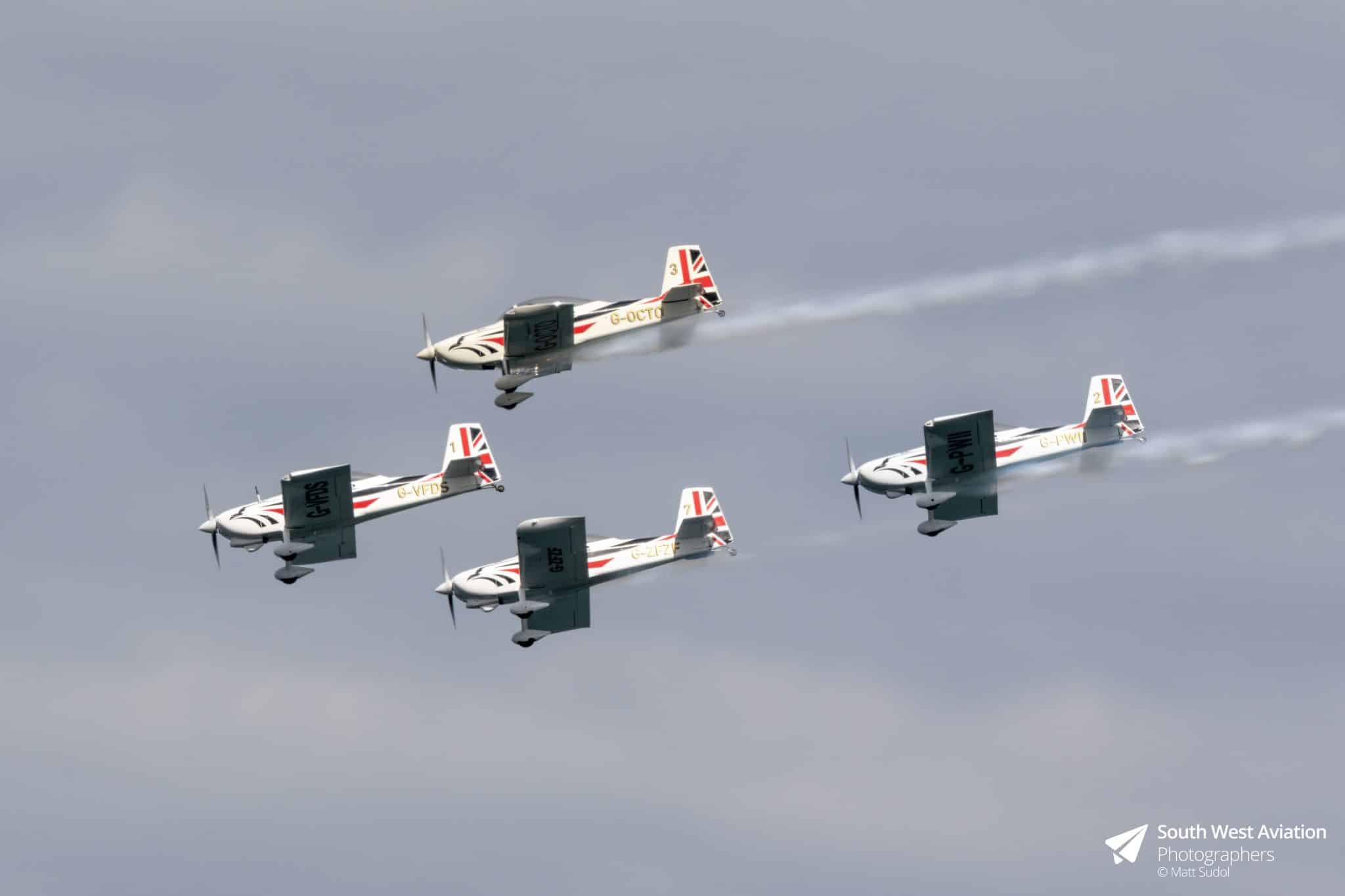
From the UK, Team Raven now firmly established as the leading British prop‑formation display team brought their six immaculately presented Vans RV‑8s to Bray. Over the past decade, the team has built a reputation for exceptionally tight formation work, crisp geometry, and a flowing, high‑energy routine that bridges the gap between classic formation flying and modern aerobatic choreography. With the retirement of 2Excel Aviation’s The Blades, Team Raven now stands alone in the UK circuit, offering a level of polish, dynamism, and precision that few civilian teams can match. Their display at Bray once again demonstrated why they have become such a reliable and respected highlight at seaside shows across Britain and Ireland.
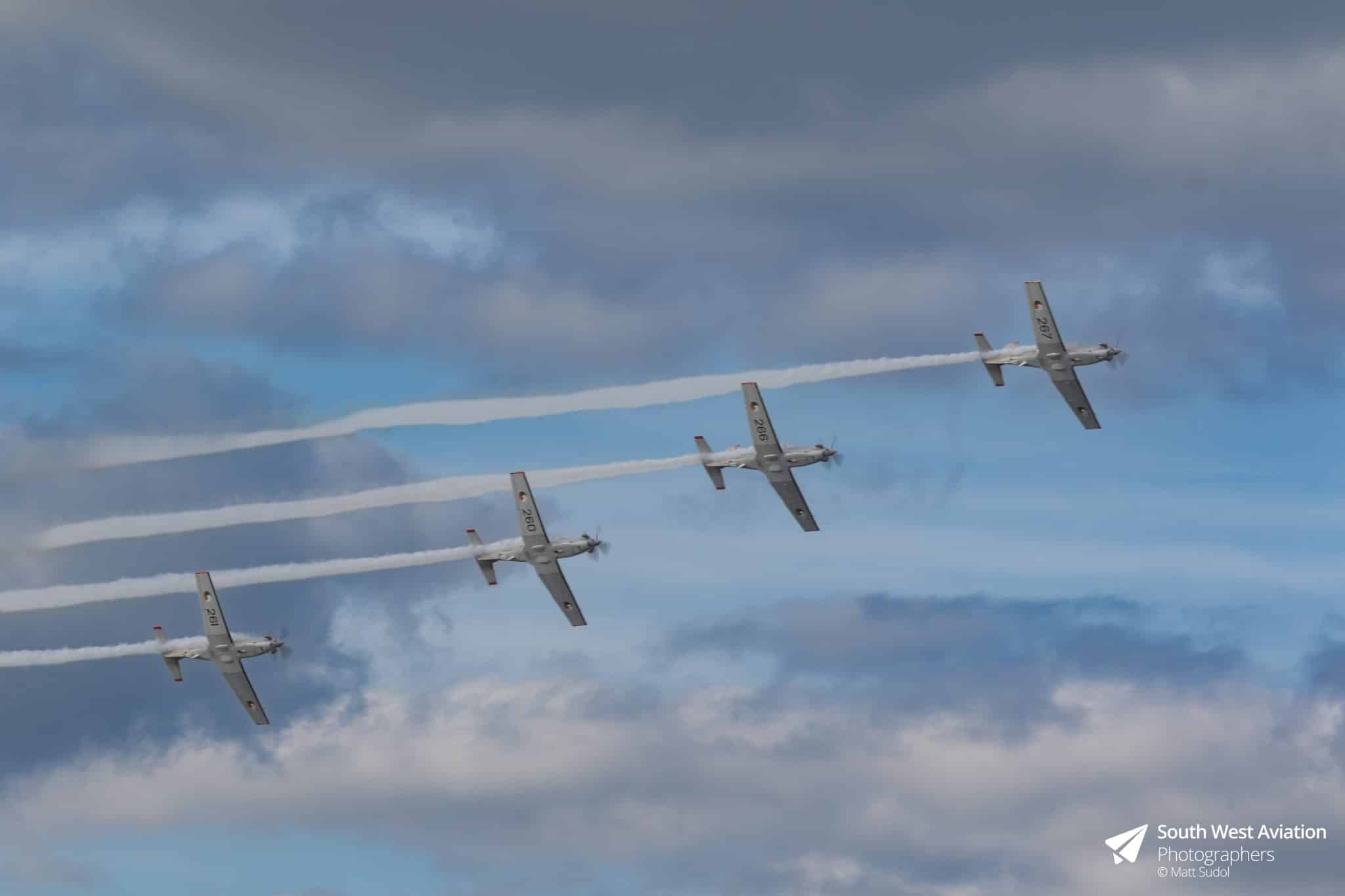
Closing the programme were the Irish Air Corps Silver Swallows, flying four Pilatus PC‑9Ms. The Silver Swallows are the Irish Air Corps’ aerobatic display team, first formed in the 1980s around the Fouga CM.170 Magister and re‑established in 2022 Their compact, elegant routines rooted in decades of tradition remain a highlight of any Irish airshow.
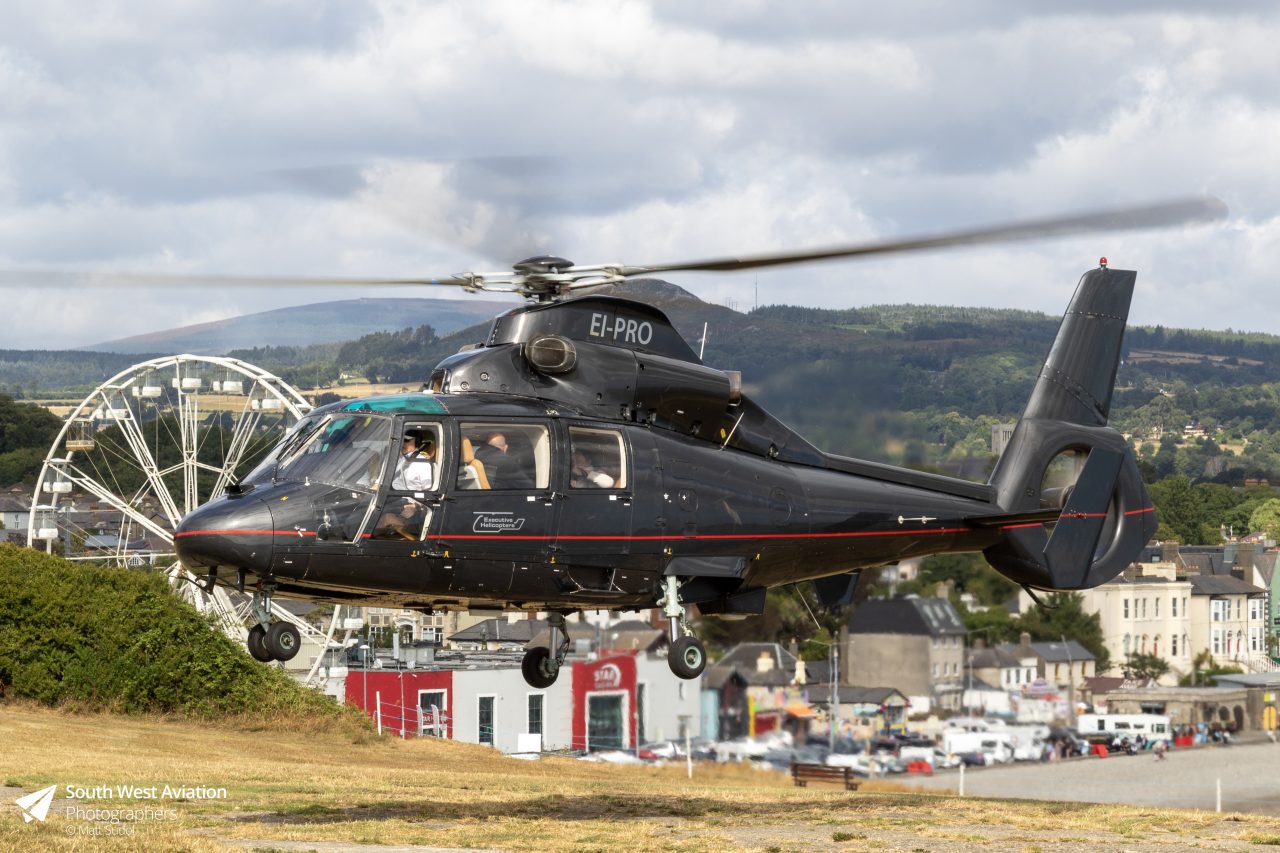
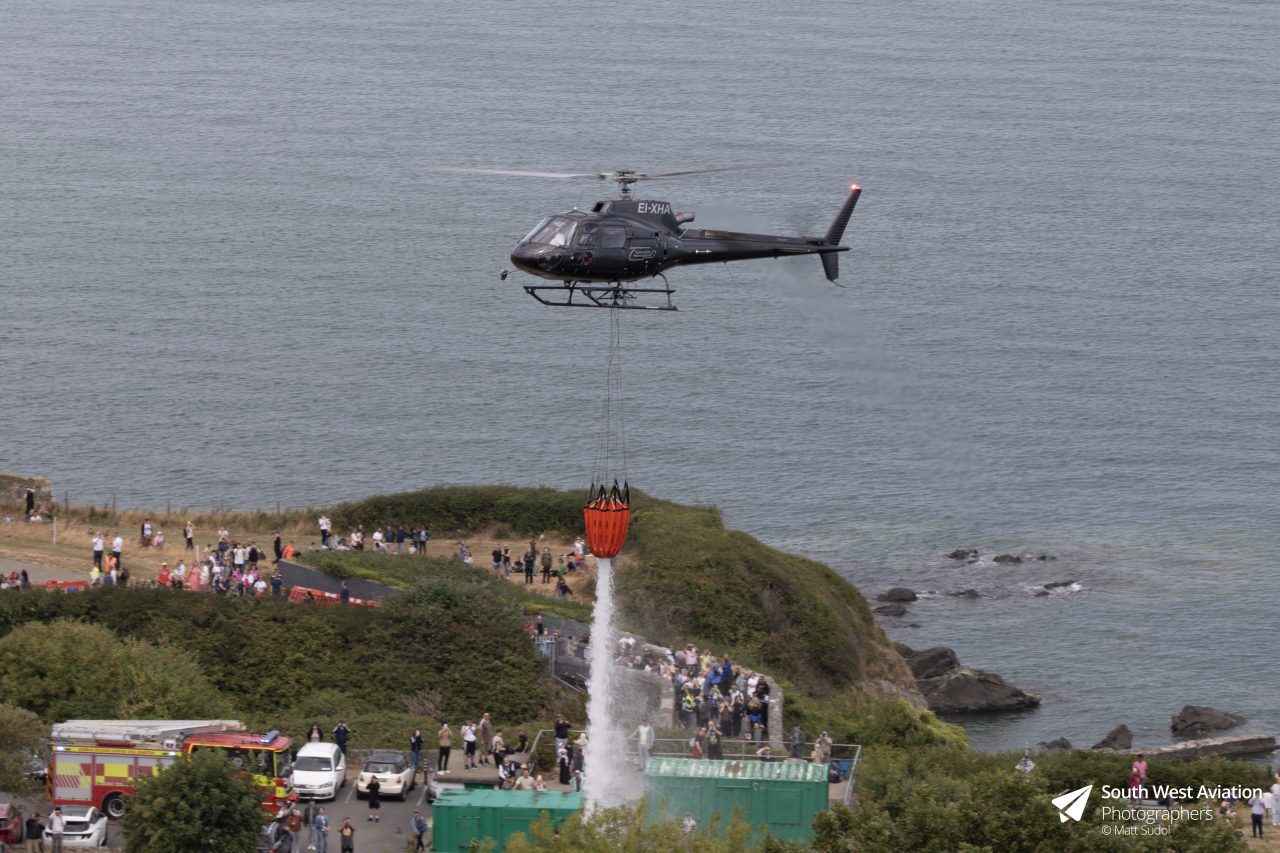
Although not part of the flying display, Executive Helicopters Ltd operated Aerospatiale AS365N2 Dauphin II EI‑PRO for pleasure flights. With Europe experiencing high temperatures and dry conditions, the company remained on standby for wildfire support. When a fire broke out beside the railway line only meters from the landing site, the co‑captain jumped from the Dauphin into Airbus H125 EI‑XHA equipped with a Bambi Bucket. Within minutes, the fire was extinguished and the crew returned to the Dauphin as if nothing had happened a remarkable real‑time demonstration of capability.
Rather than heading to the beach at show center, we opted for Bray Head, hoping for photographic opportunities similar to Dawlish. While the location offered some vantage points at the right‑hand end of the display axis, the topography meant the yield was not as high as Dawlish in years past.
Although modest in size, the 2026 Bray Airshow delivered a rich, varied, and distinctly Irish celebration of aviation. From Aer Lingus heritage flights to cutting‑edge SAR demonstrations, from warbirds to wingwalkers, and from home‑grown military teams to visiting UK performers, the show captured the enthusiasm and community spirit that define Ireland’s airshow culture. Its blend of history, modern capability, and genuine coastal atmosphere proves once again that an airshow does not need to be large to be memorable it simply needs heart, and Bray had that in abundance.
Report by Matt Sudol
© South West Aviation Photographers 2026