
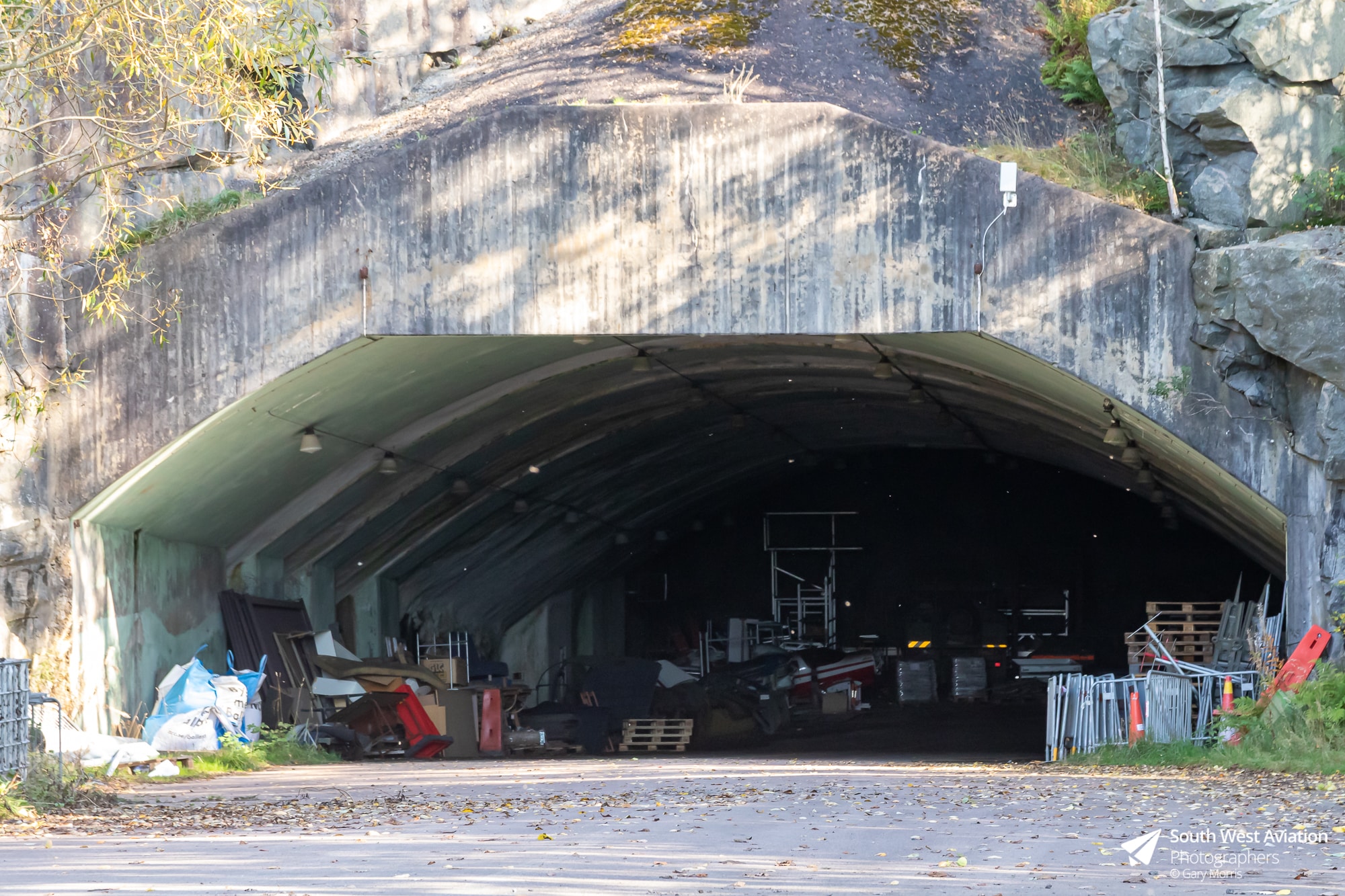
The Aeroseum museum is located on a former Swedish Air Force base, Säve, just a short distance north of the city of Gothenburg, housed in a former Cold War underground hangar. The complex, now home to the museum, began life as part of Göta Flygflottilj (F9), a Royal Swedish Air Force wing based at Säve.
Its first underground hangar was inaugurated in 1942 and, according to the Swedish National Heritage Board, it is considered the oldest facility of its kind in the world.
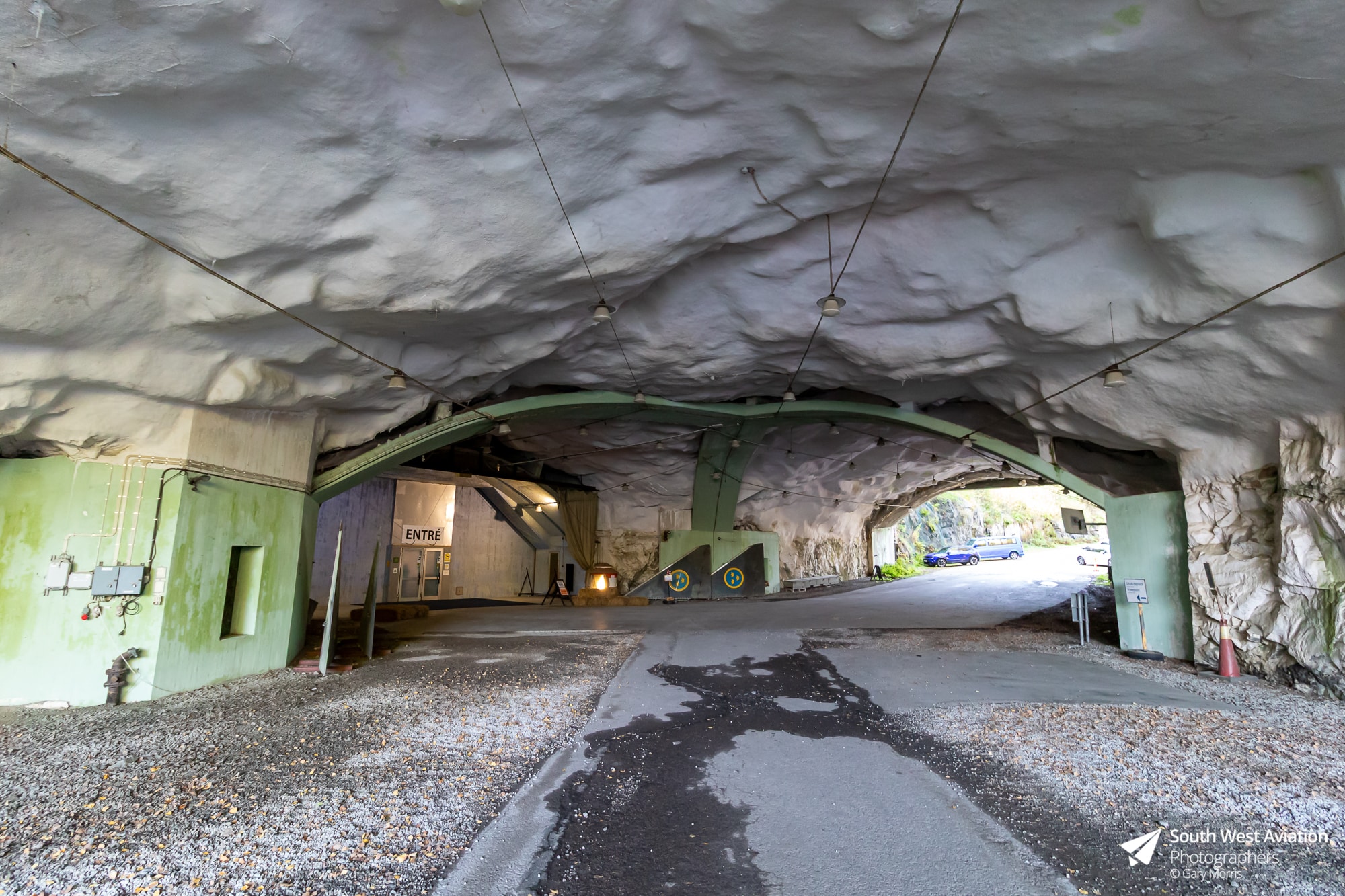
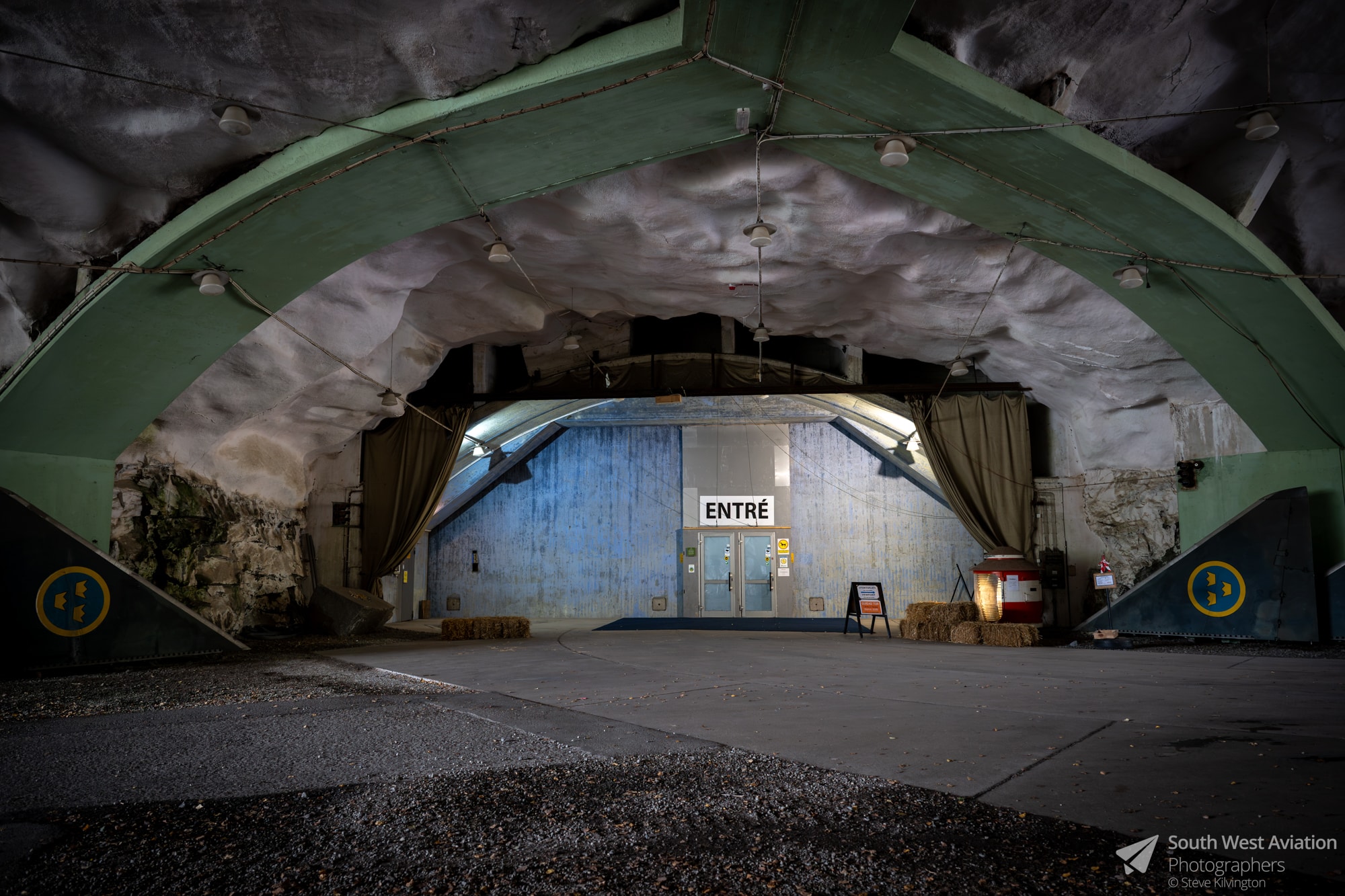
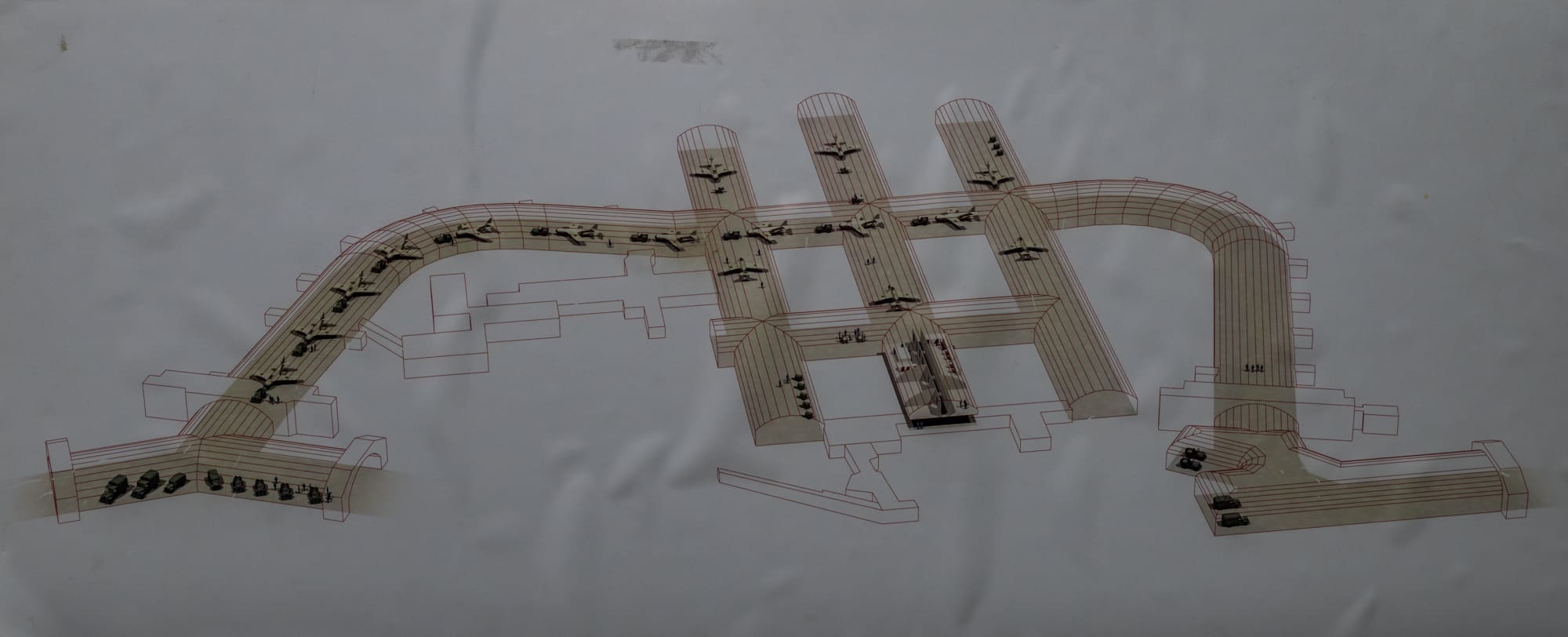
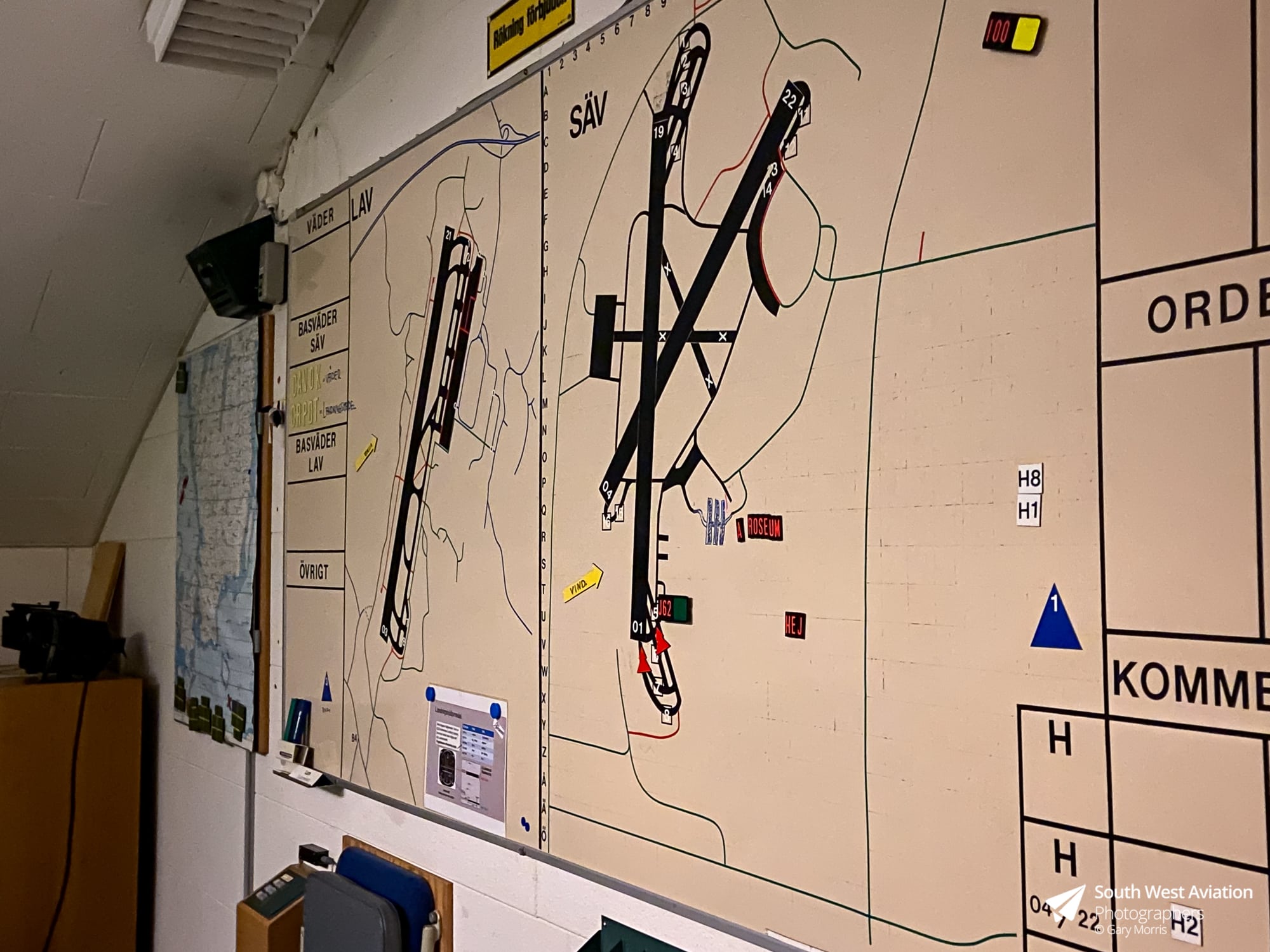
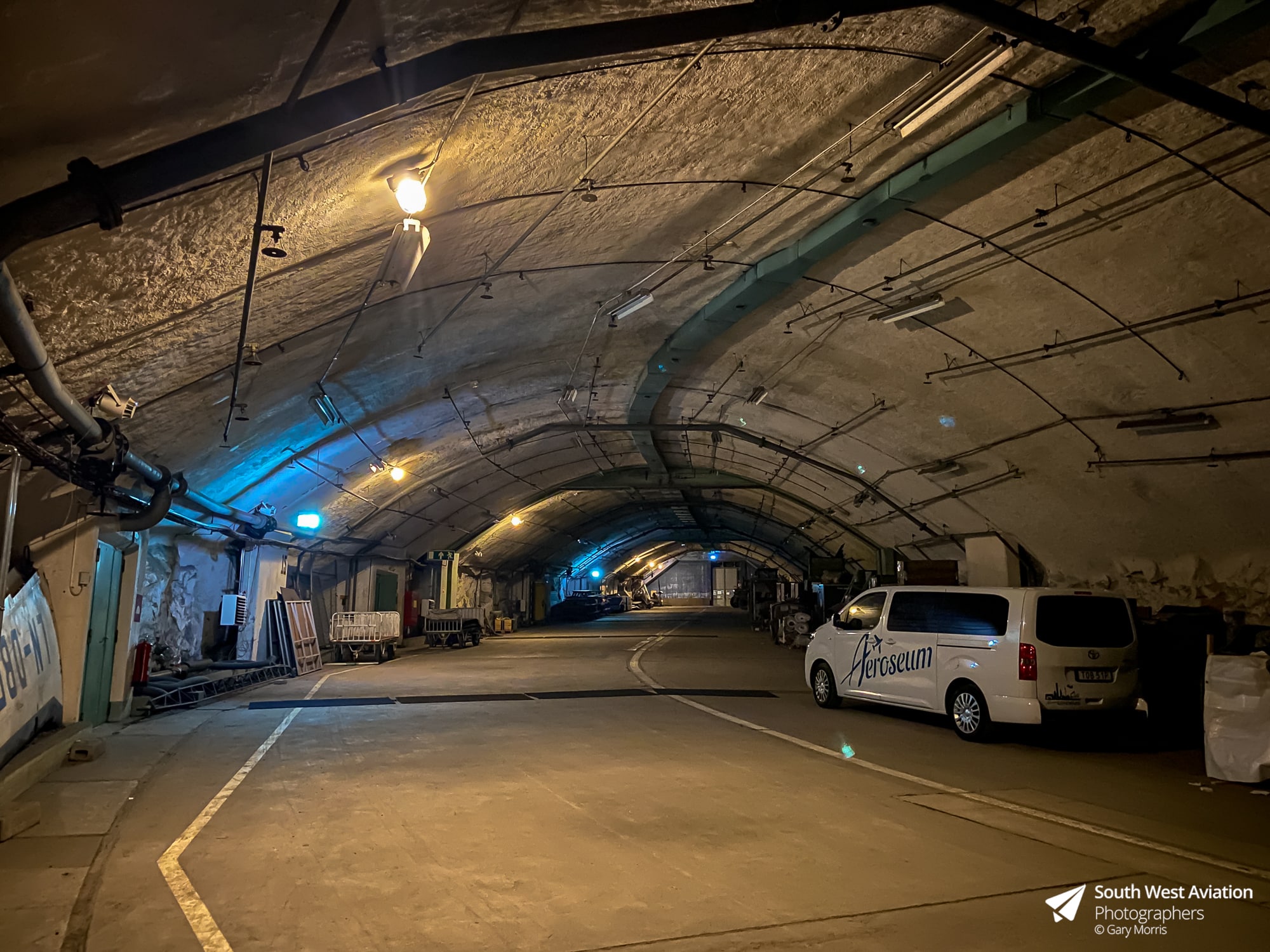
During the Cold War, Sweden expanded the site with a new, deeper, and much larger rock hangar nearly 30 metres underground, covering an area of 22,000 m². The underground base was completed in 1955 and served as part of Sweden’s air defence system during the Cold War. The based military aircraft could be sheltered, maintained, and prepared for operations all within the confines of the protected underground facility which was designed to shield aircraft from the threat of nuclear weapons and ensure Sweden’s air defence could survive an attack.
After the end of the Cold War and changes within the Swedish Armed Forces, the underground facility was decommissioned. Rather than allowing the unique facility to disappear, aviation enthusiasts and volunteers worked to preserve it as a museum and educational centre dedicated to aviation history and Swedish aerospace heritage.
The museum officially opened on 15th May 2005 as a public visitor attraction and on 1st January 2008 Aeroseum officially joined Sveriges Militärhistoriska Arv (SMHA), Sweden’s national network of military‑historical museums under the Statens Försvarshistoriska Museer (SFHM). This recognition cemented Aeroseum’s role as a major institution in preserving Sweden’s defence and aviation heritage.
Walking into Aeroseum feels like entering a Cold War time capsule. Through steel blast doors the cavern’s concrete vaults stretch into the distance, filled with aircraft from every era of Swedish aviation.
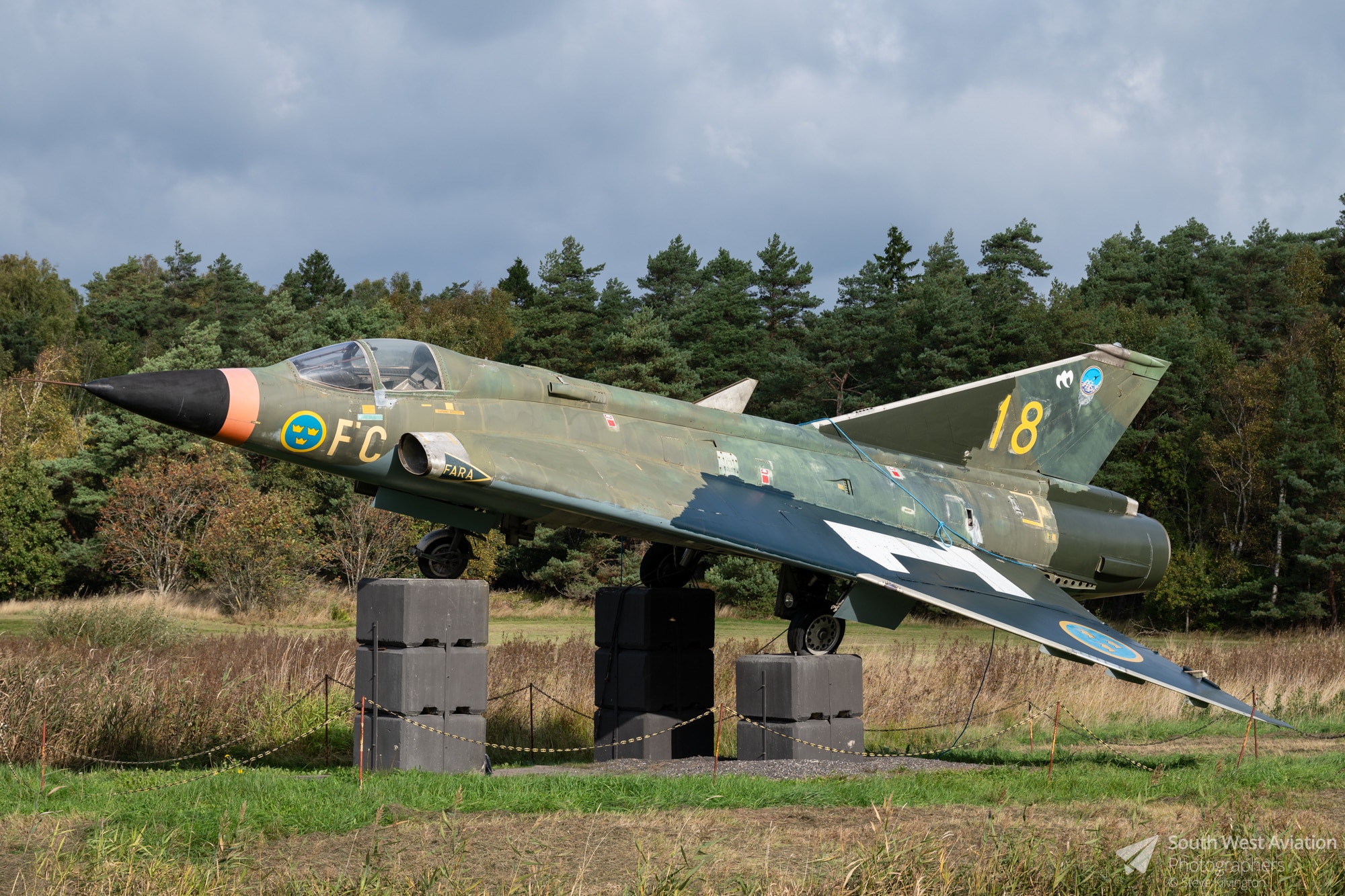
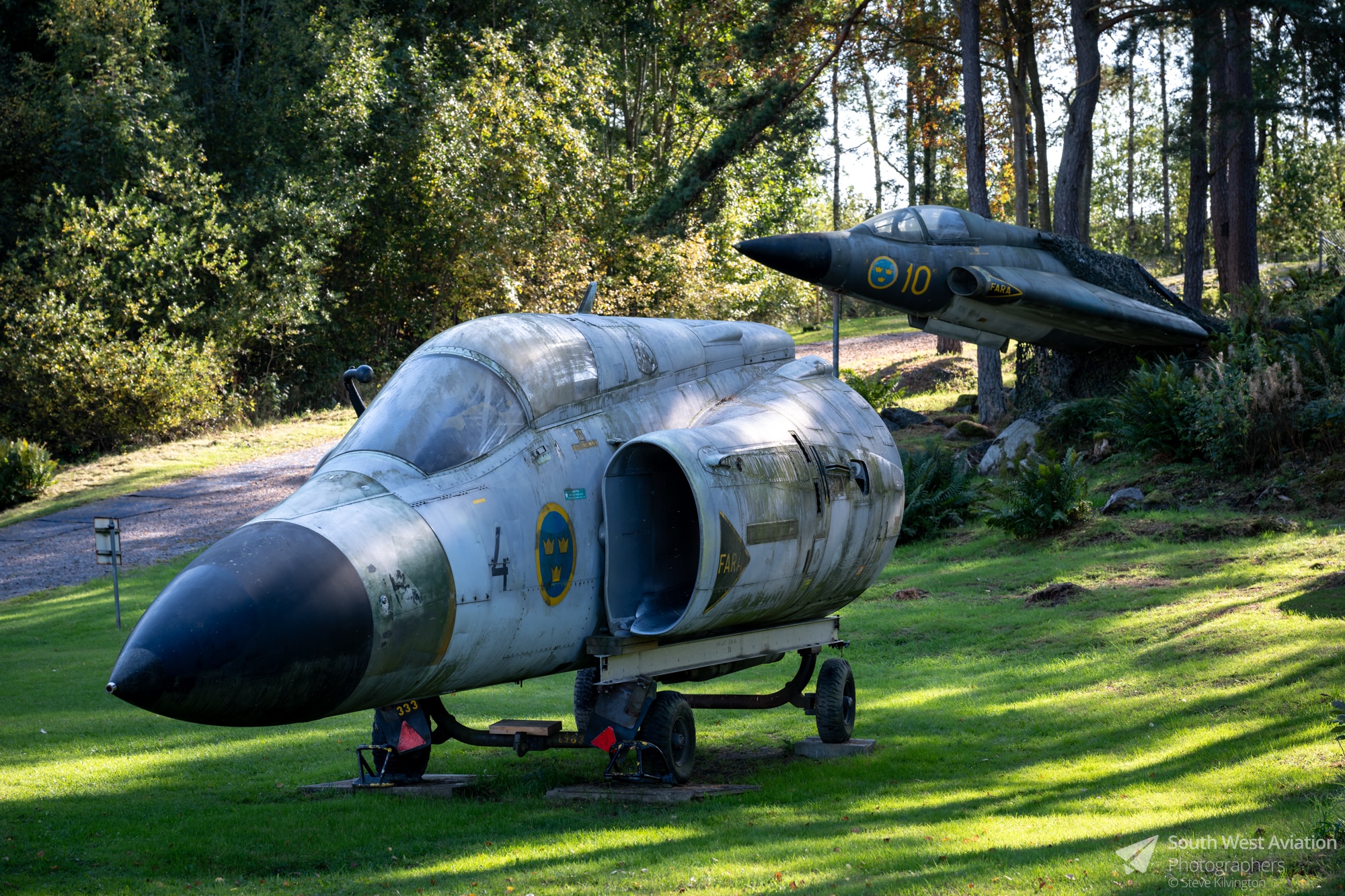
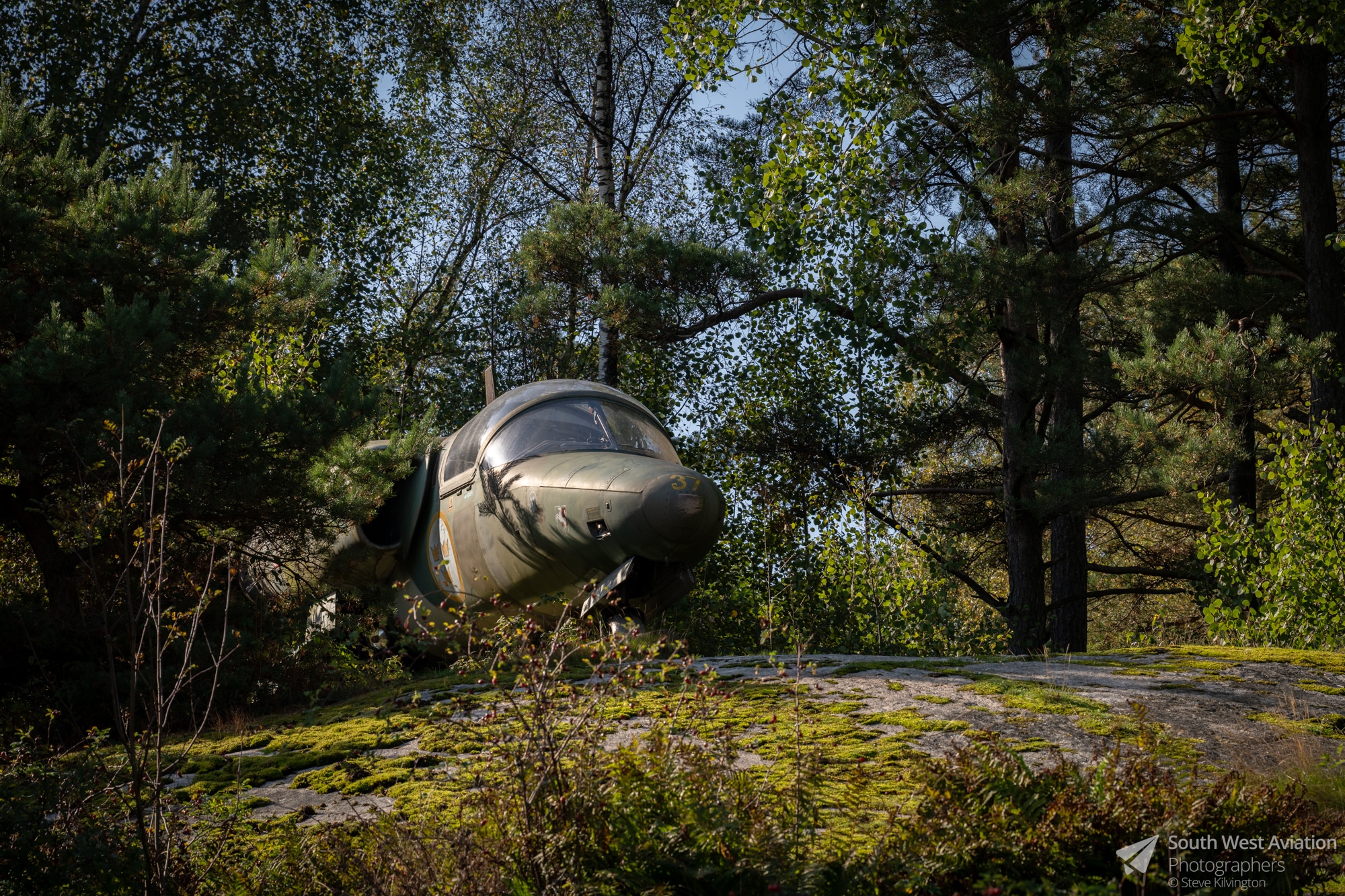
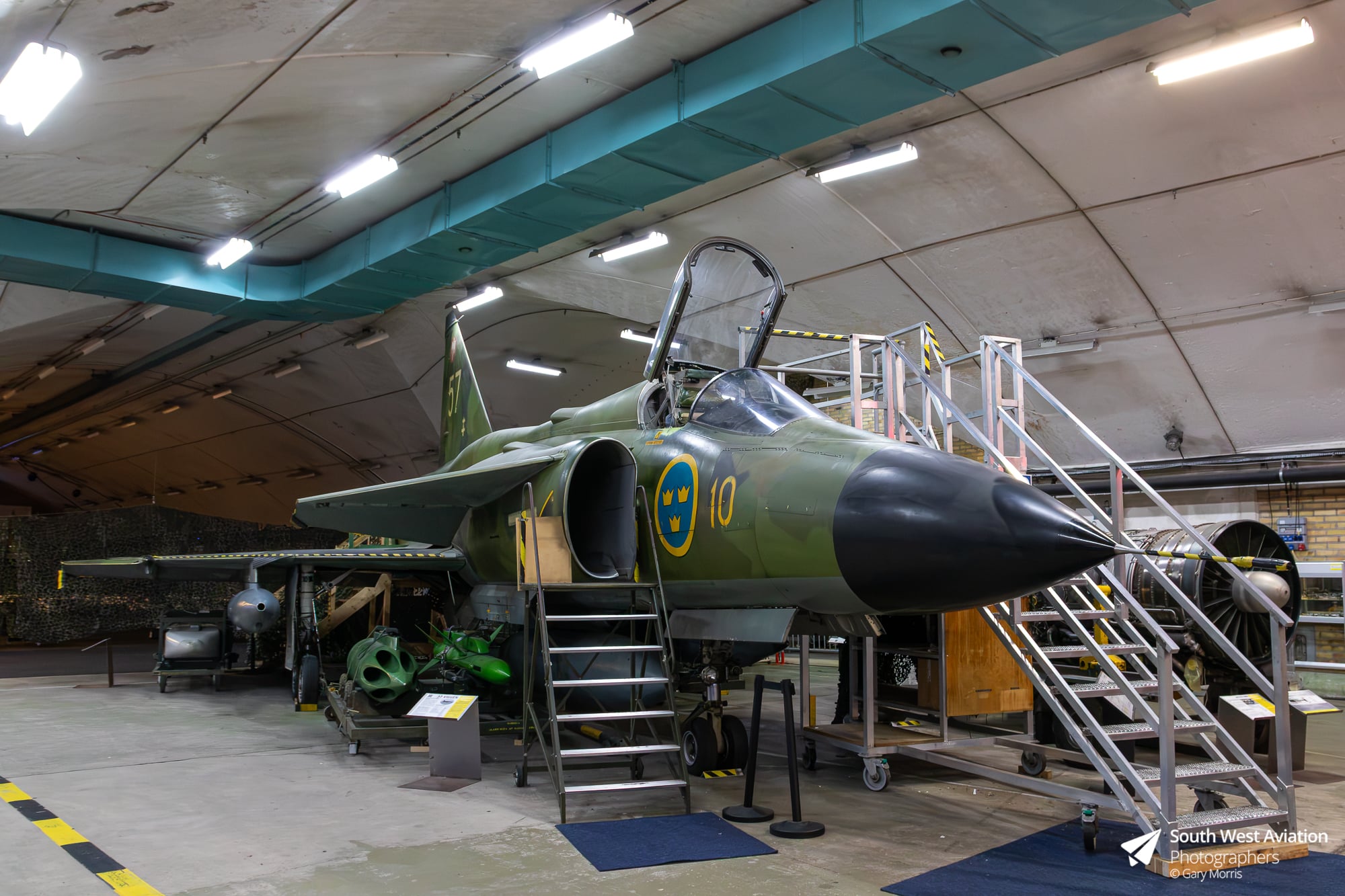
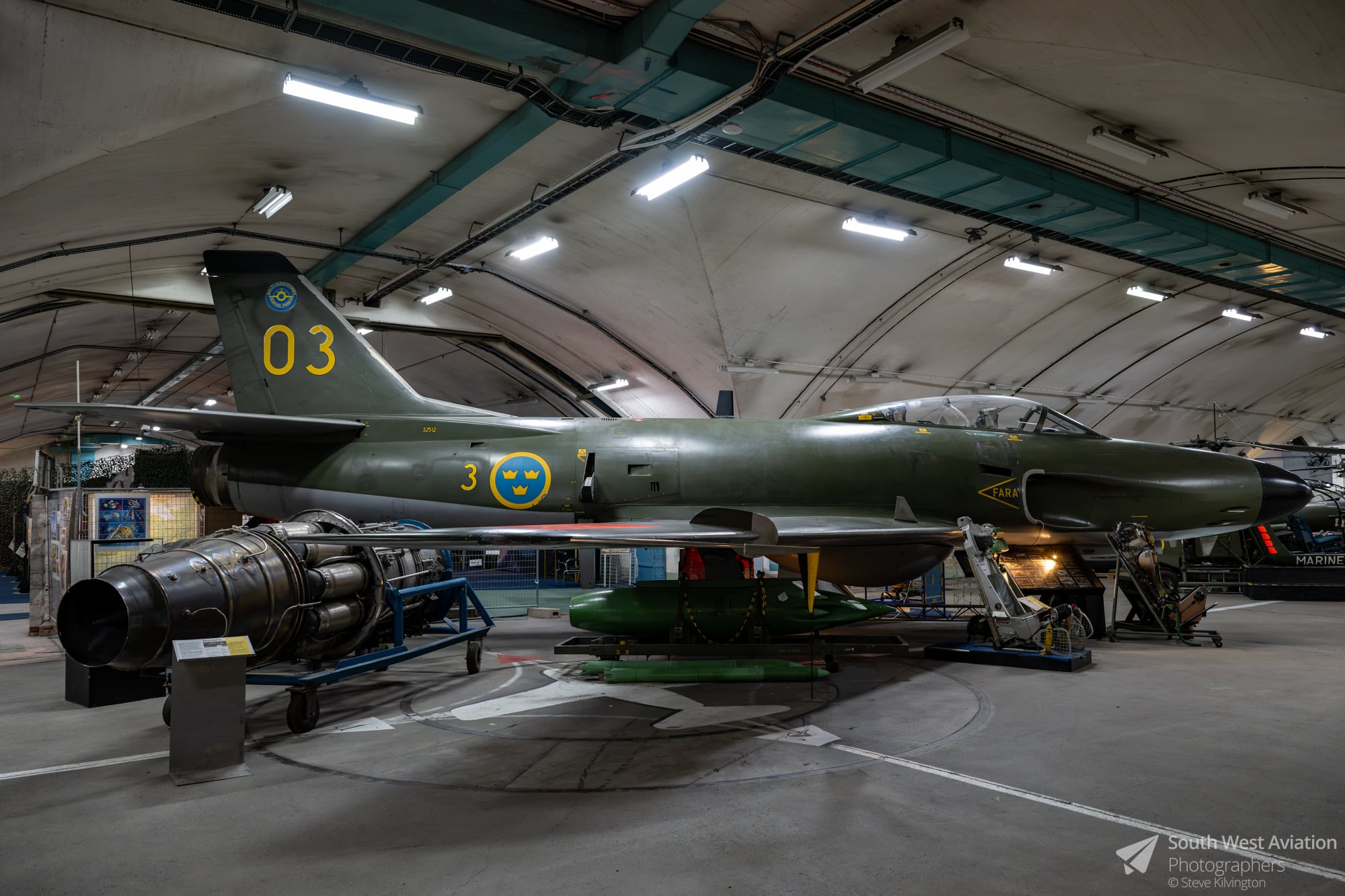
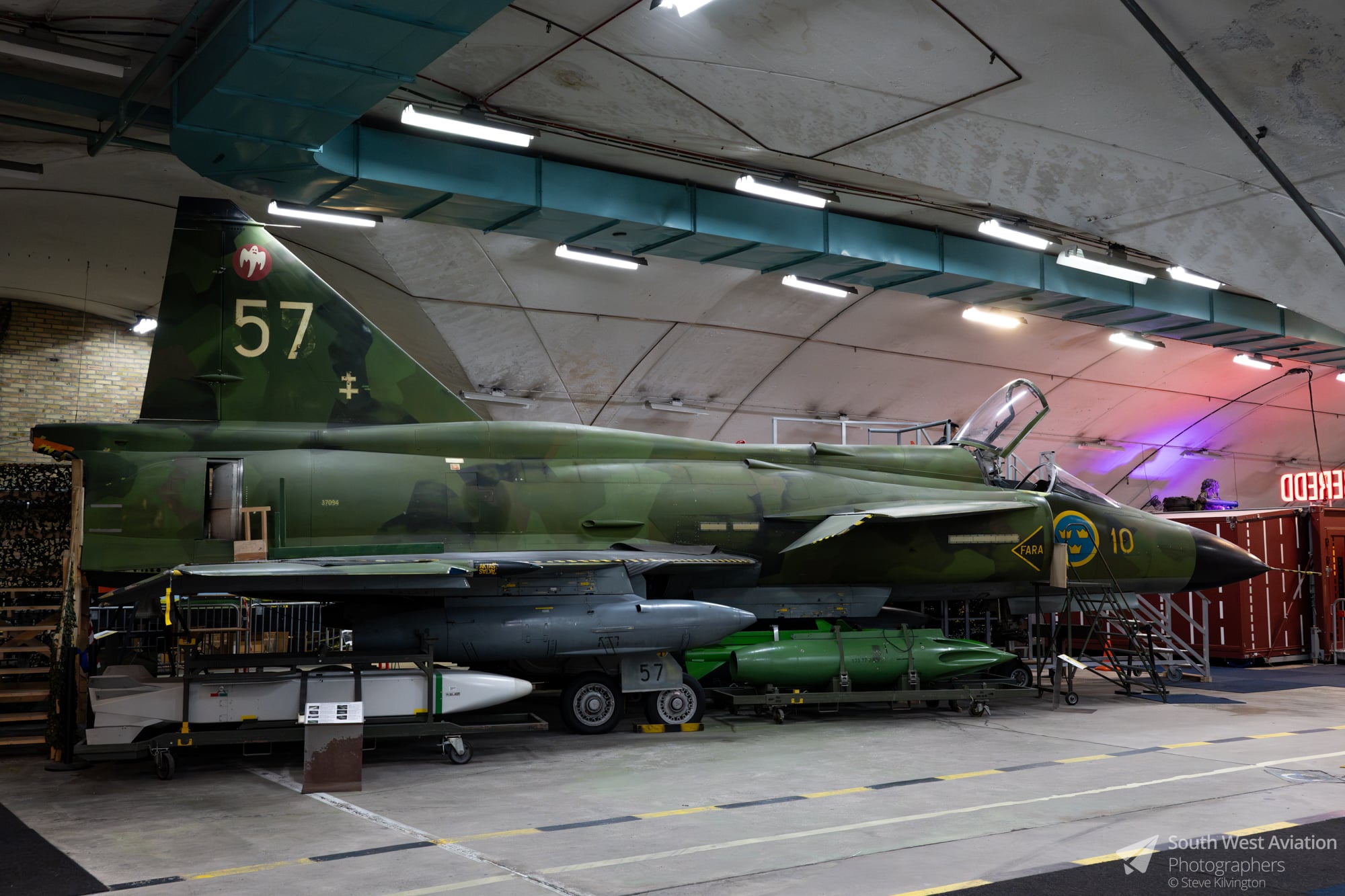
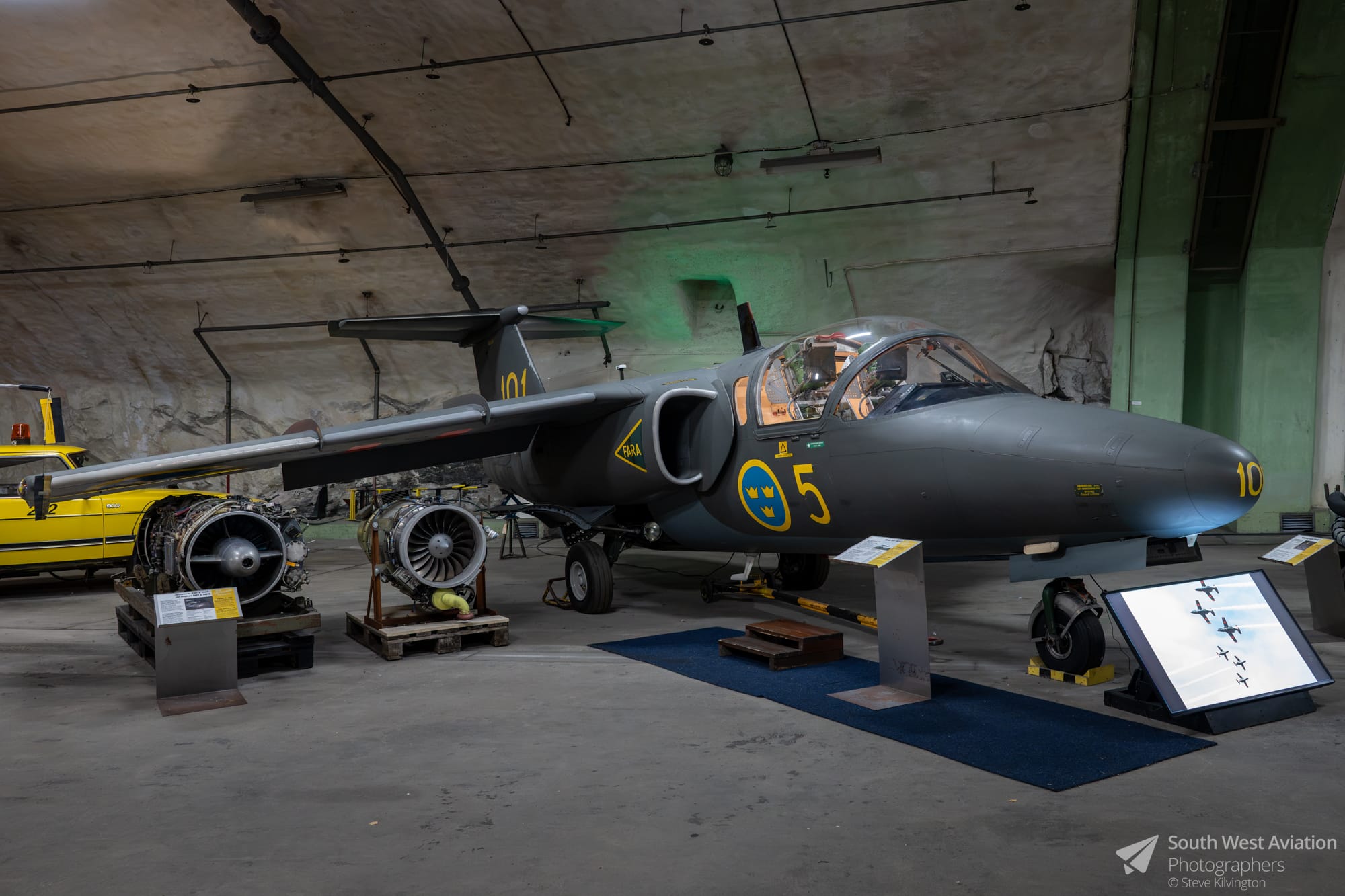
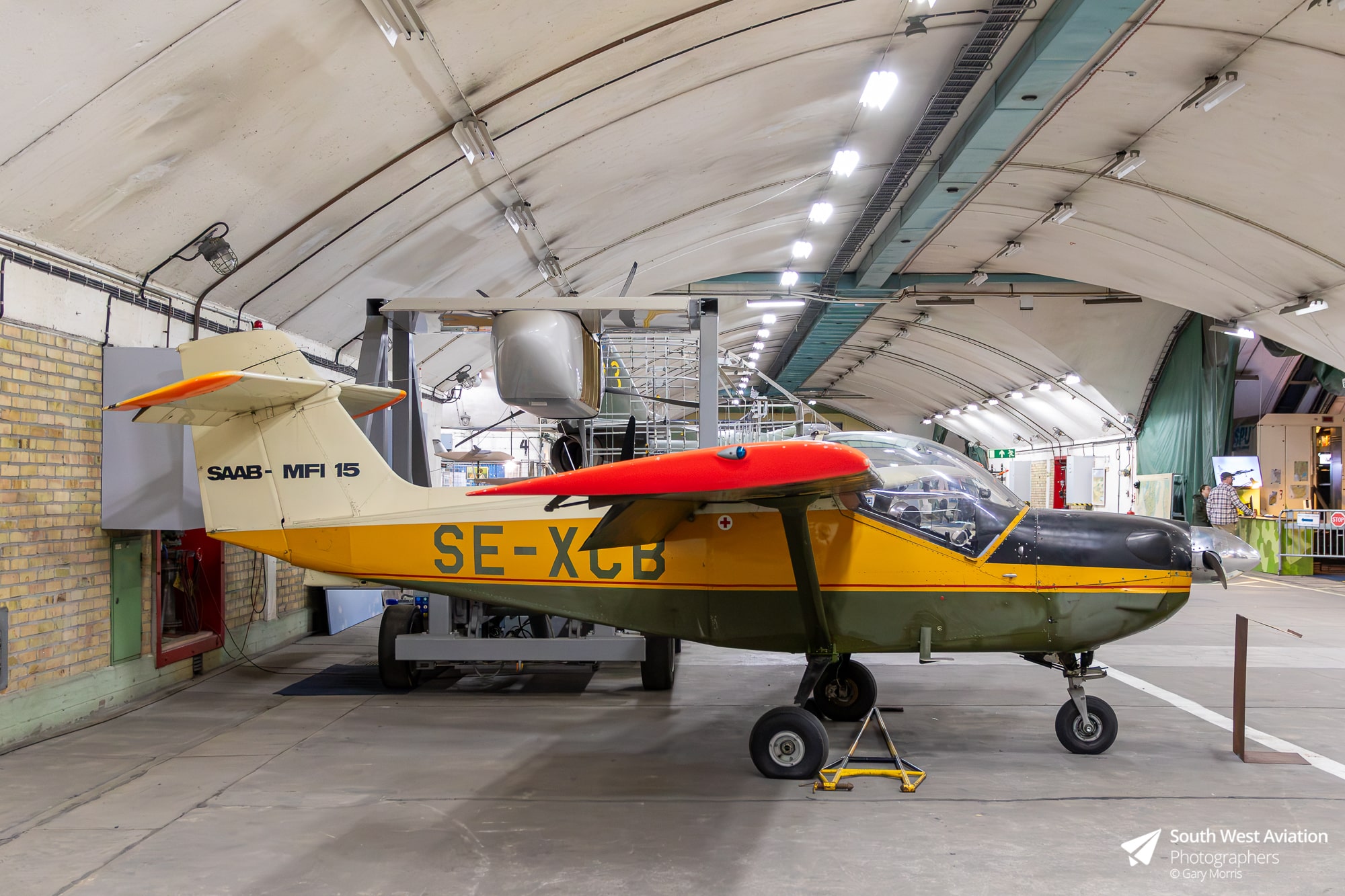
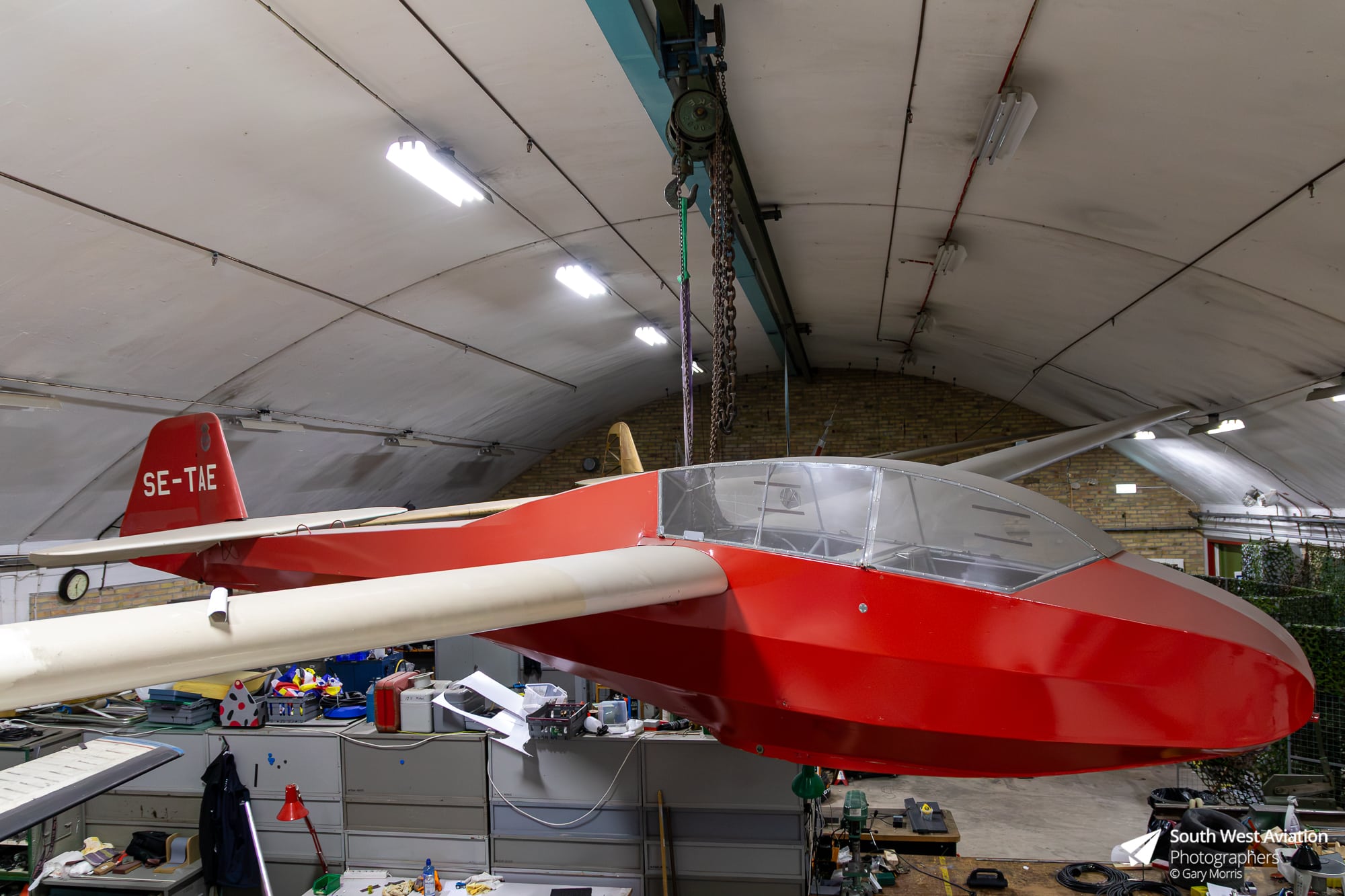
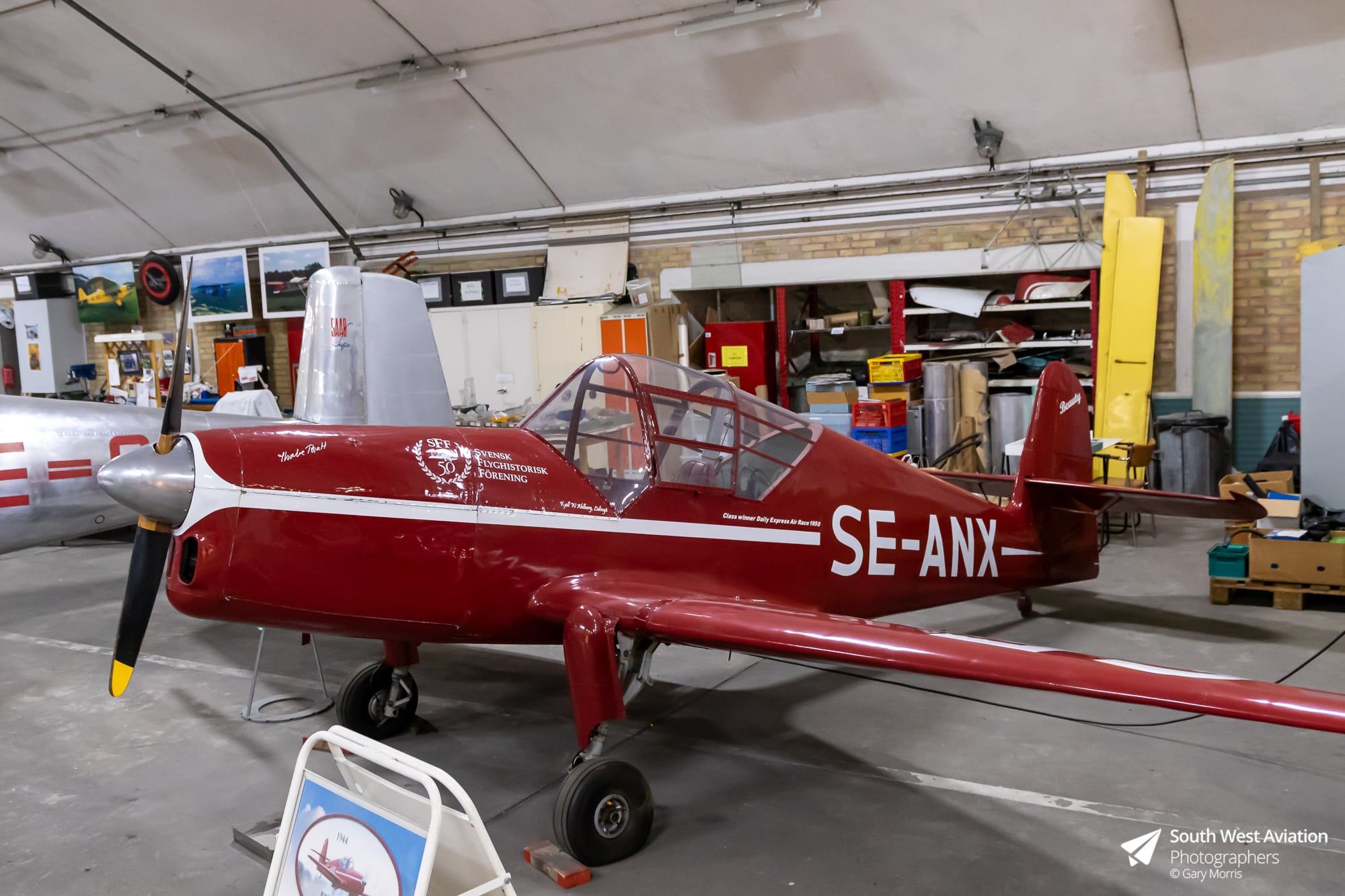
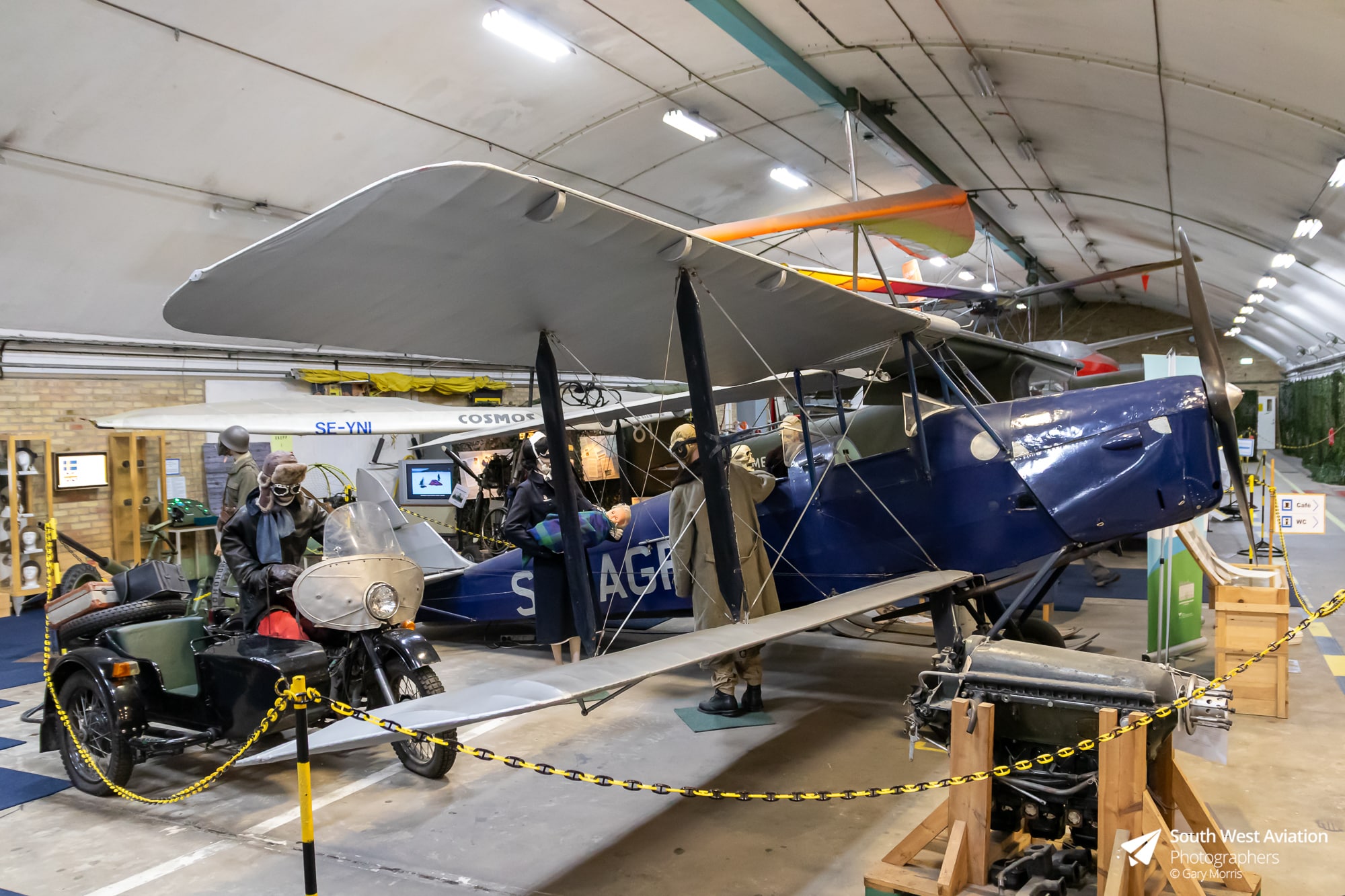
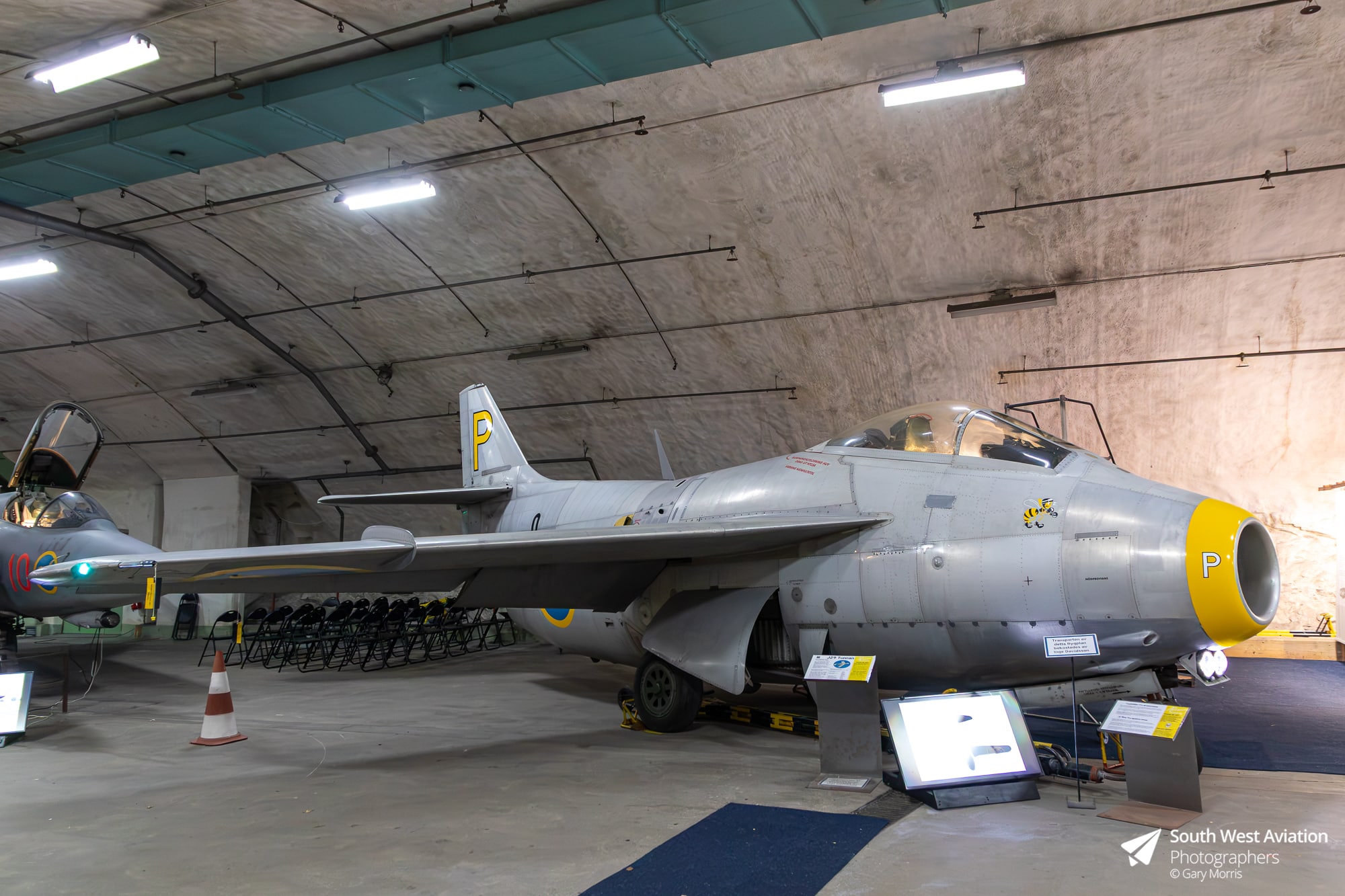
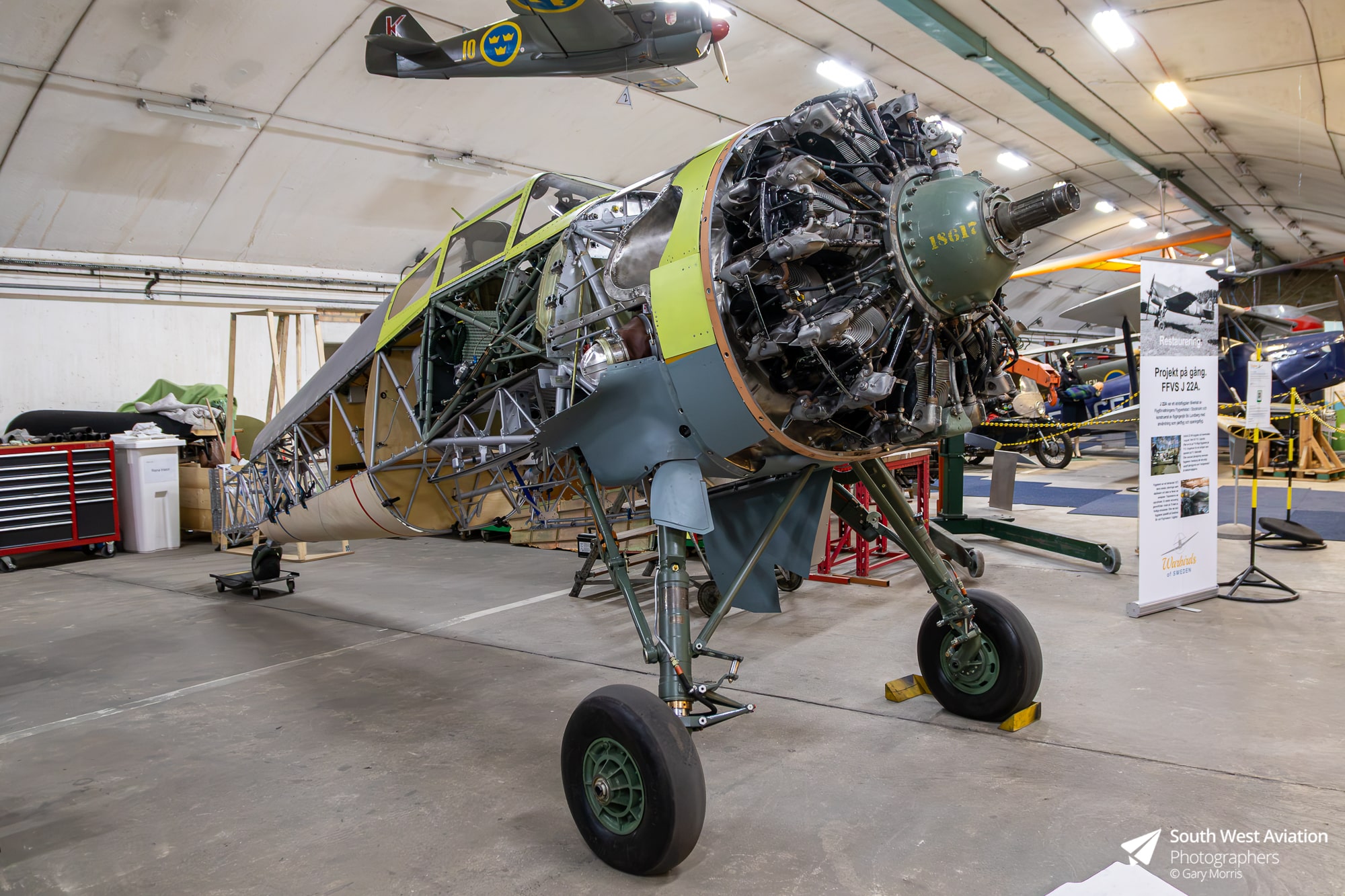
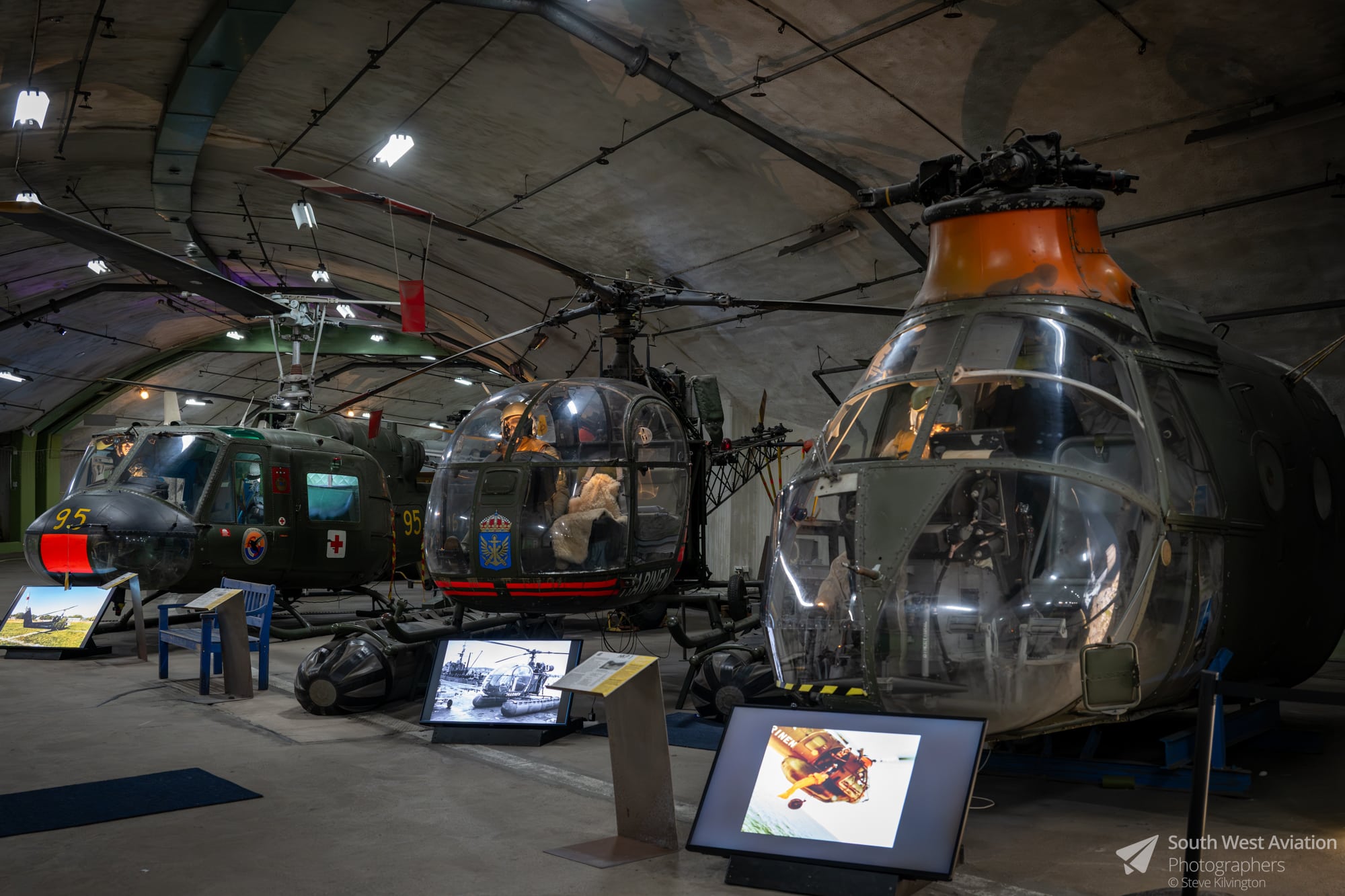
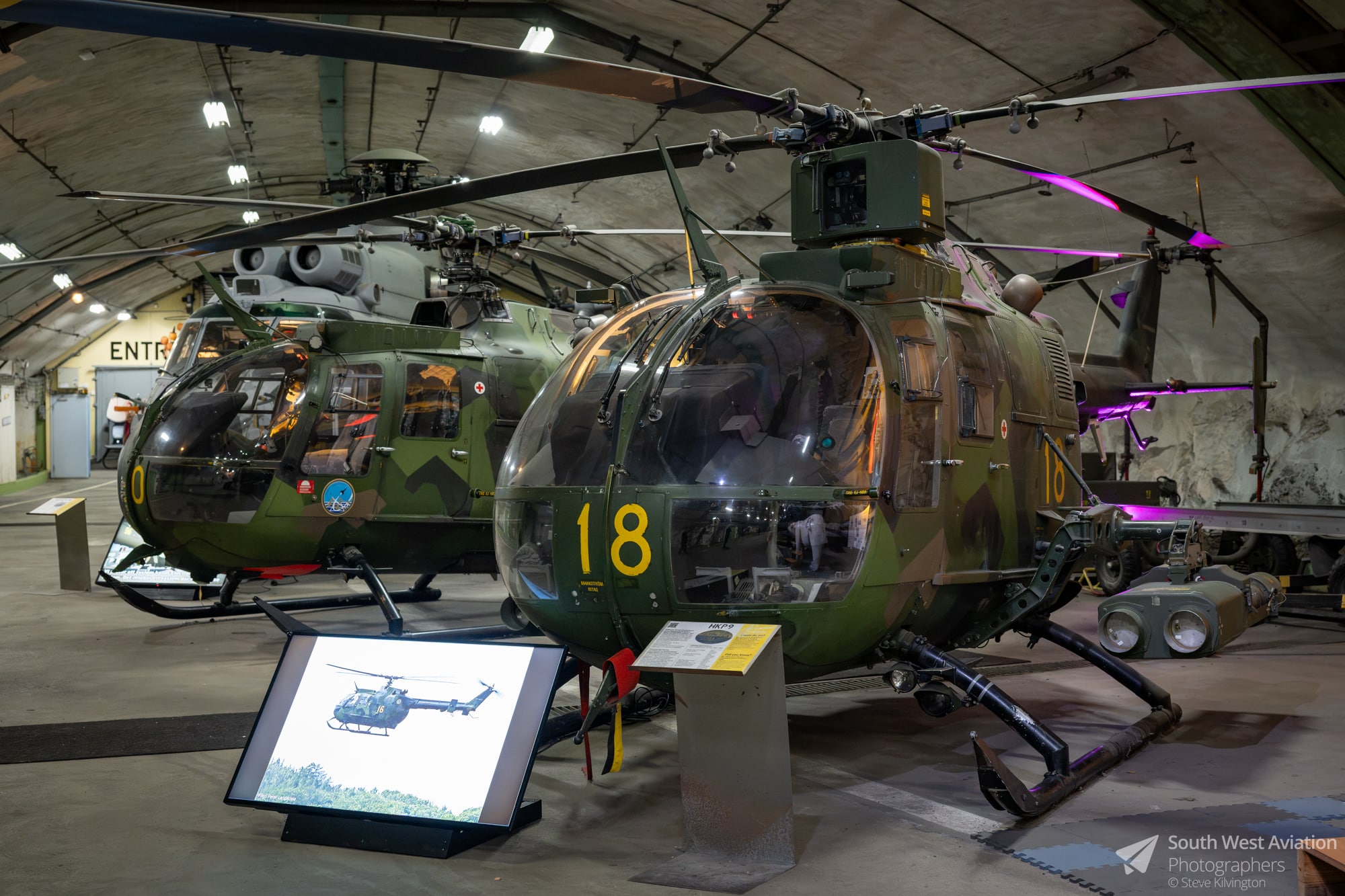
Aeroseum’s collection covers the full spectrum of flight from Swedish Air Force icons such as the Saab J29 Tunnan, J32 Lansen, J35 Draken, and J37 Viggen to historic helicopters, such as those produced by Agusta‑Bell and civilian and international aircraft.
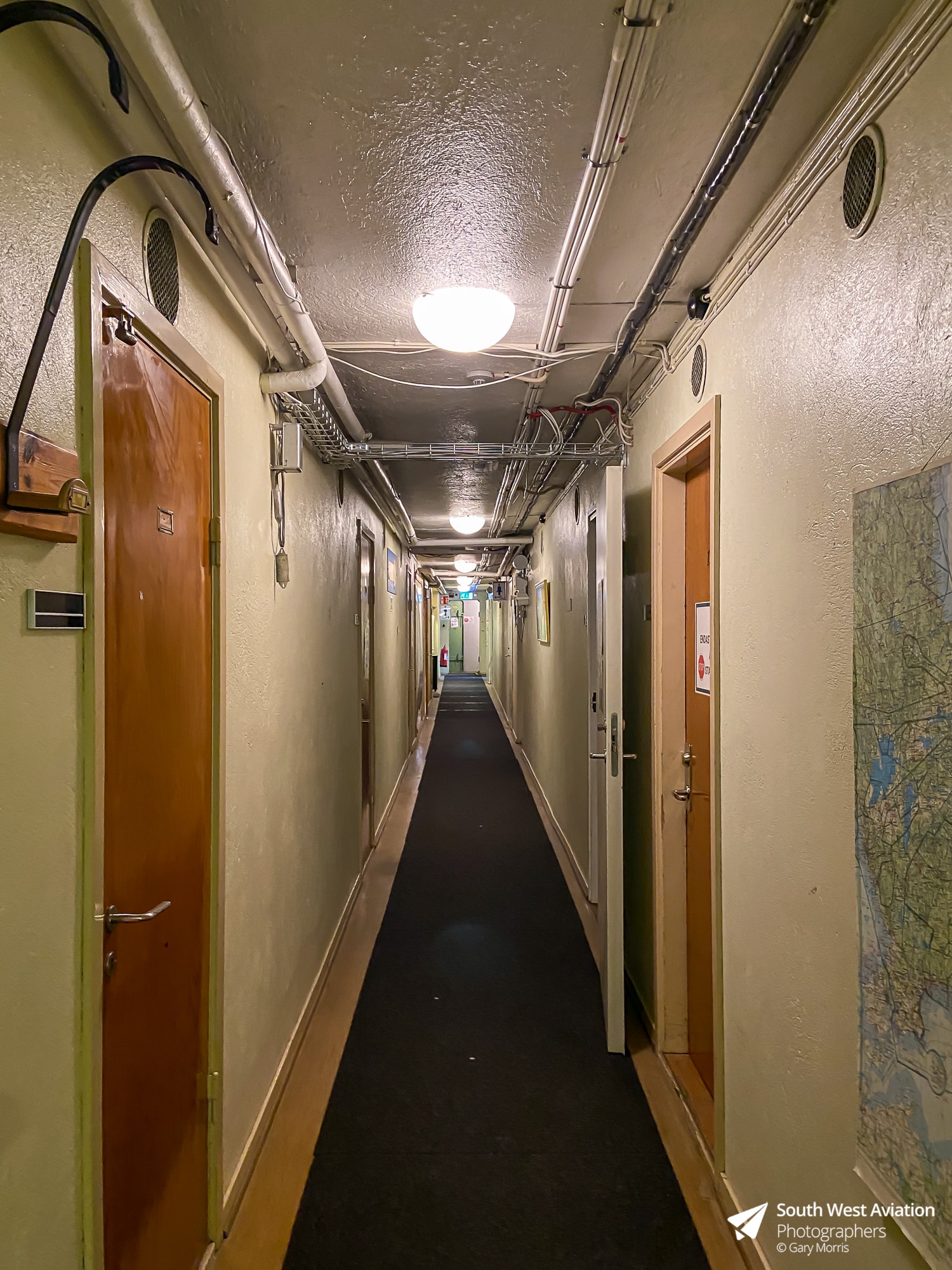
The museum’s layout preserves the authentic feel of an operational air base where the display aircraft are parked in amongst the underground tunnels as they would have been when the base was active, maintenance bays intact, and Cold War infrastructure still visible. Visitors are able to walk amongst the exhibits, sit in aircraft cockpits, see associated equipment such as ejection seats and the engines that powered the aircraft.
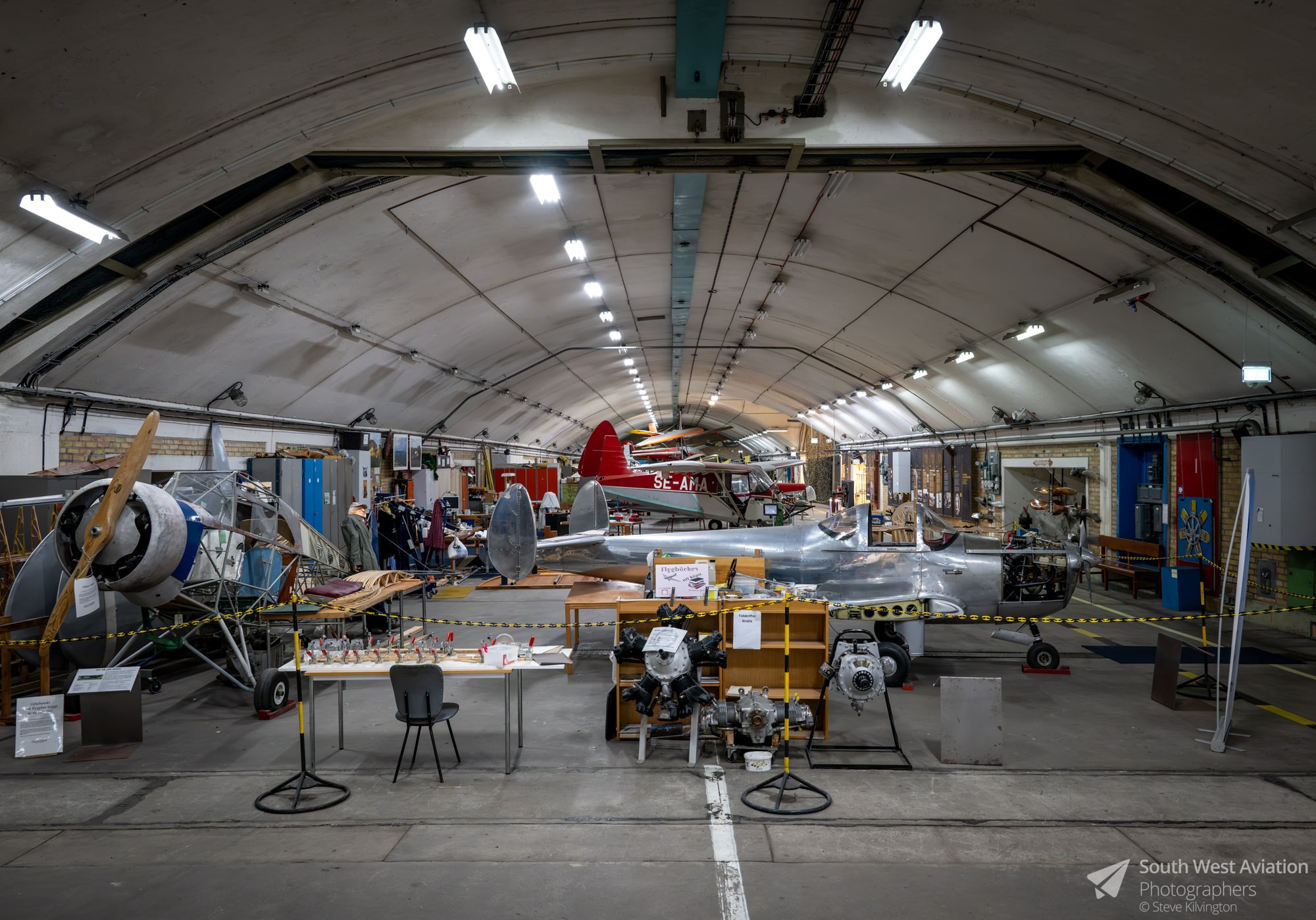
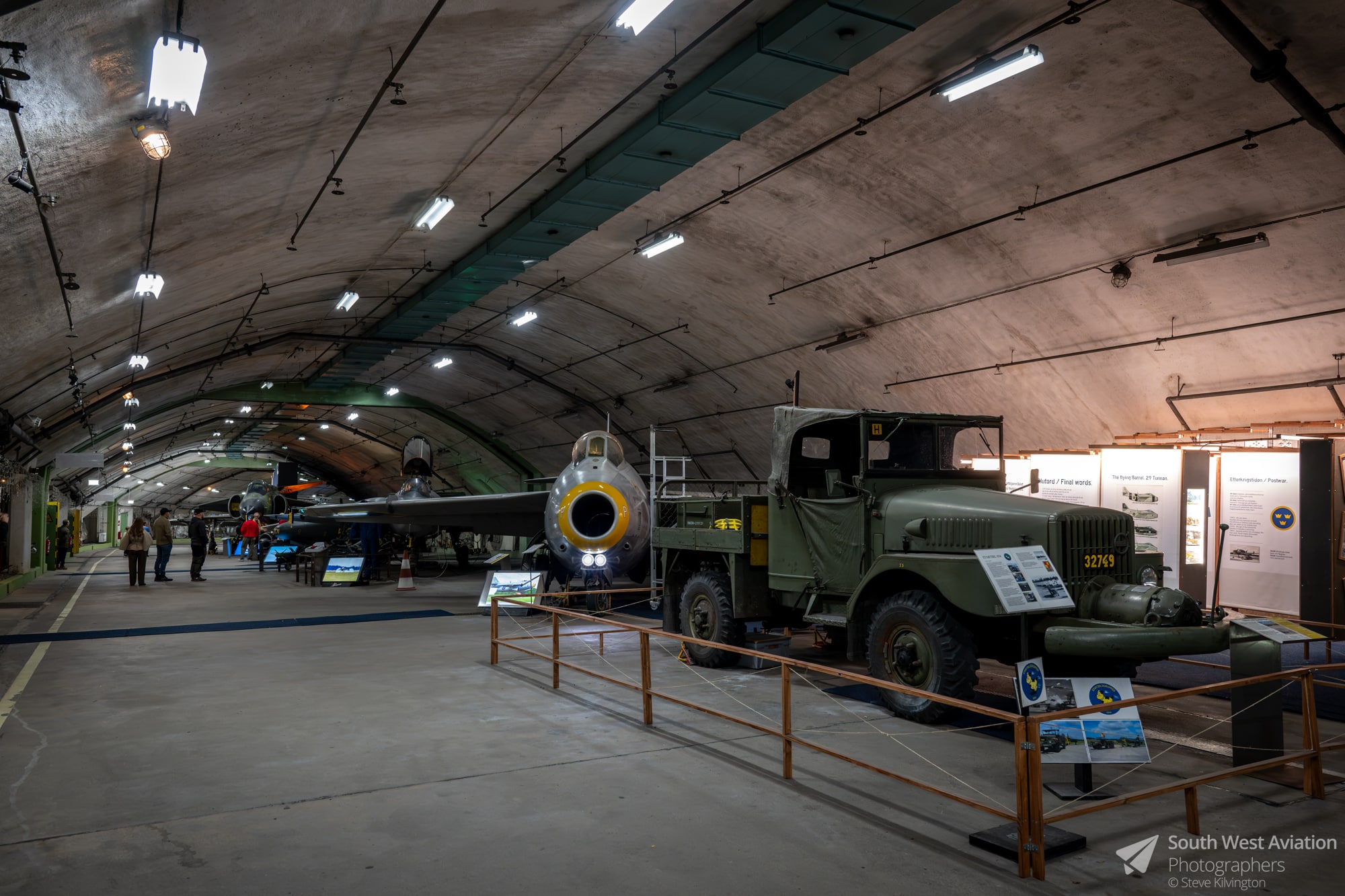
Aeroseum is more than a museum, it is a preserved Cold War fortress, an active aviation centre, and a unique cultural landmark. Few places in the world allow visitors to explore a former nuclear‑hardened underground hangar while standing beside legendary Swedish aircraft, all whilst preserving the authentic feel of an operational air base.
Aircraft exhibits
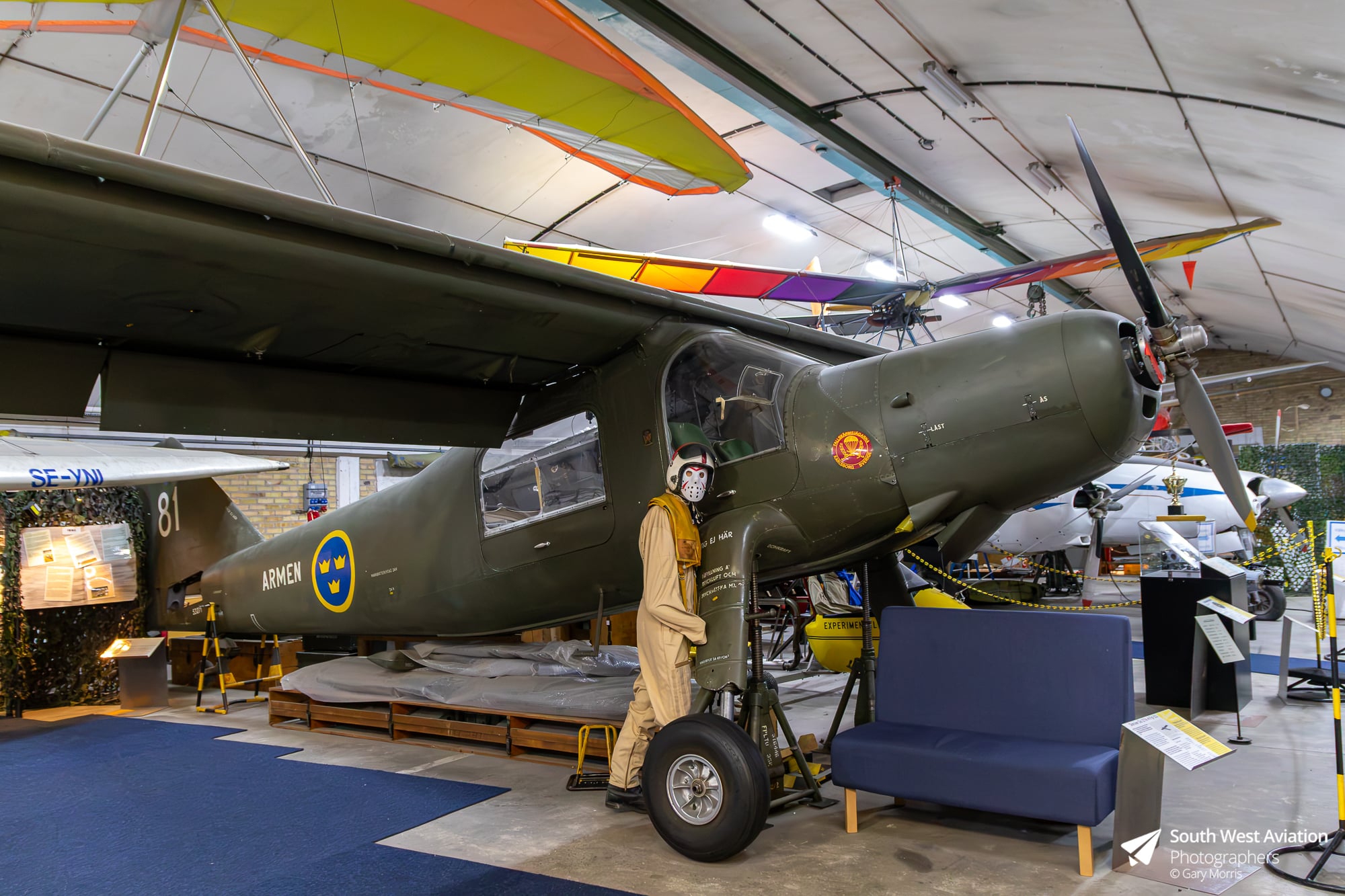
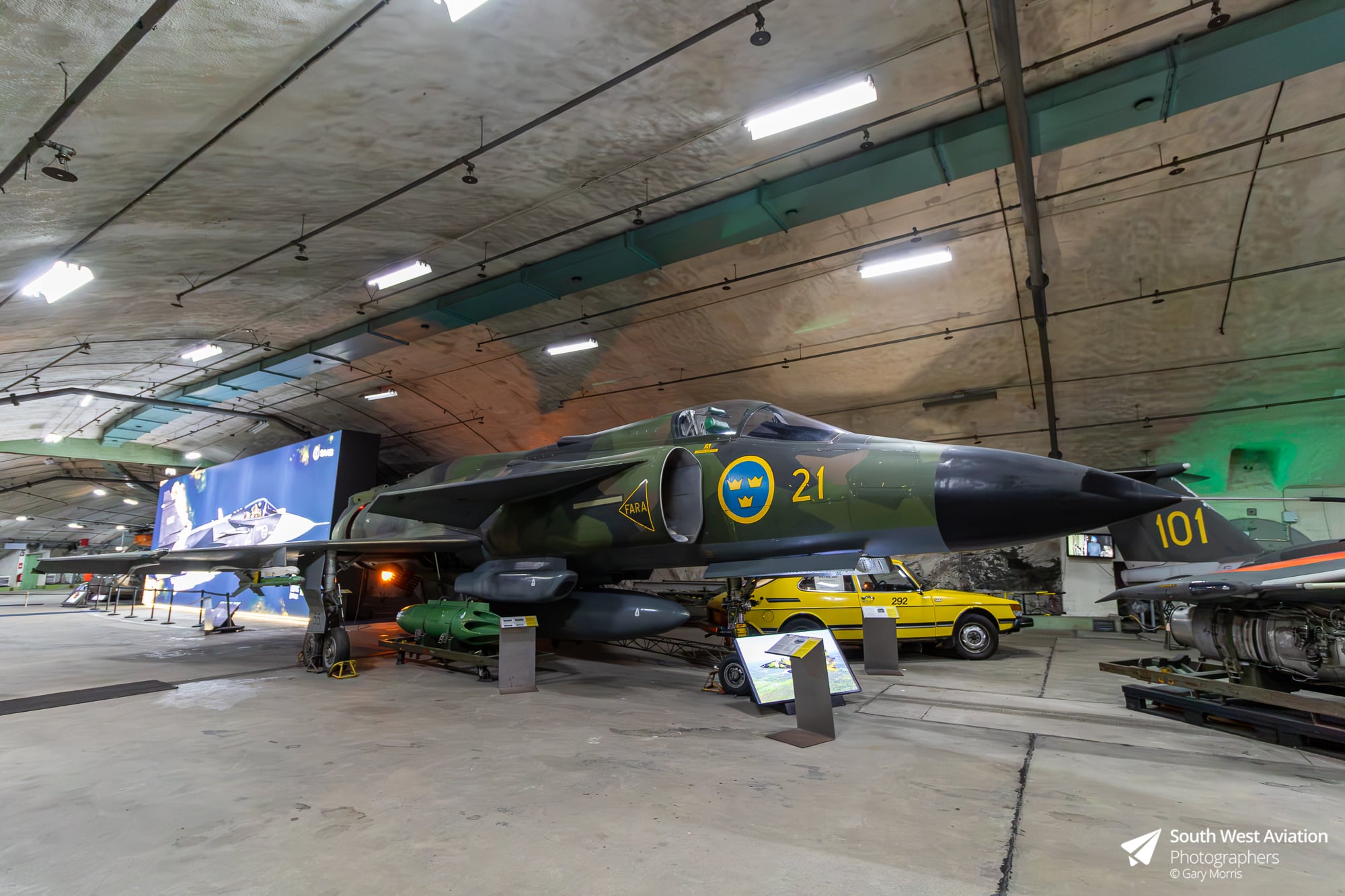
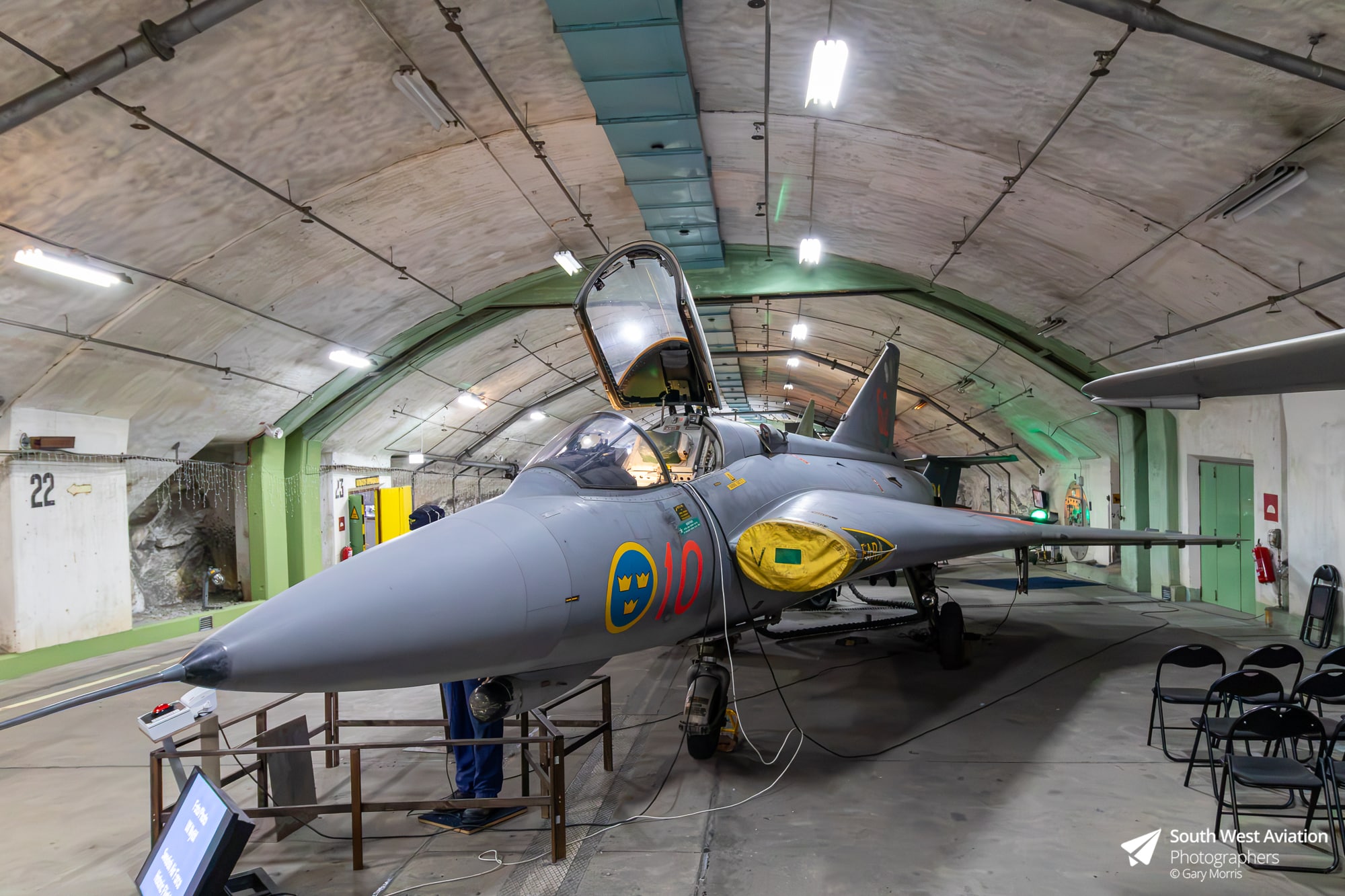
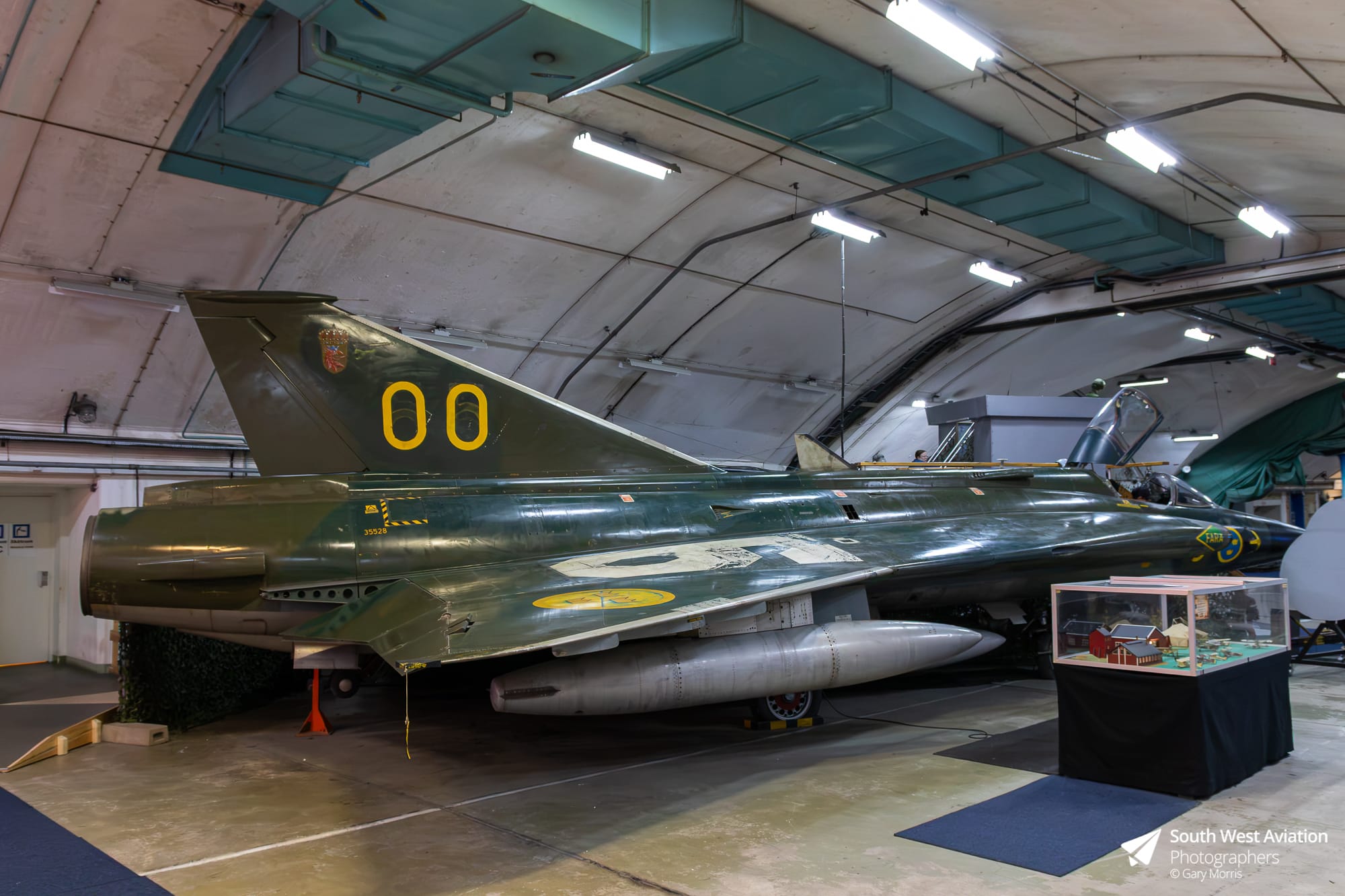
Helicopter exhibits
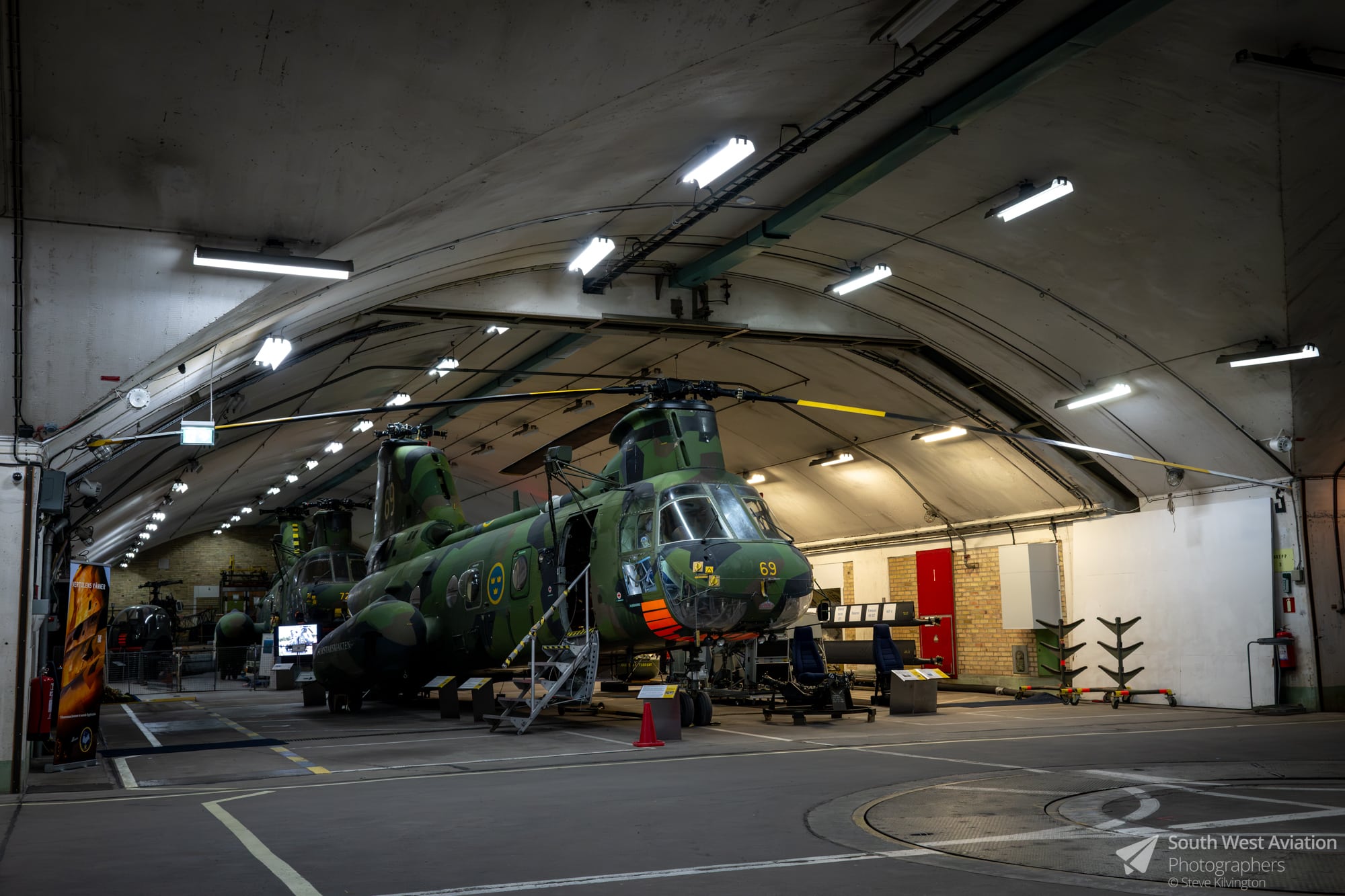
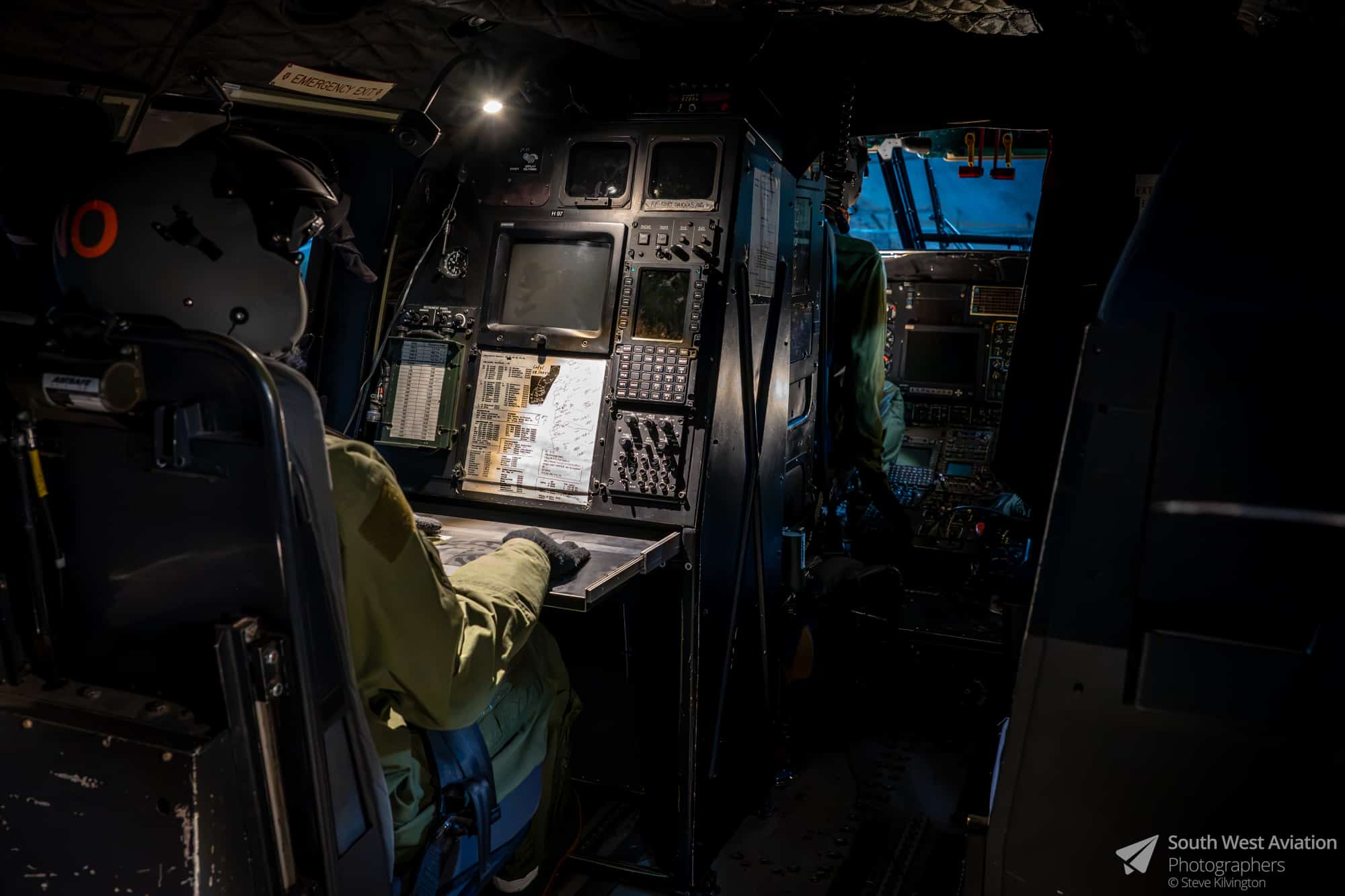
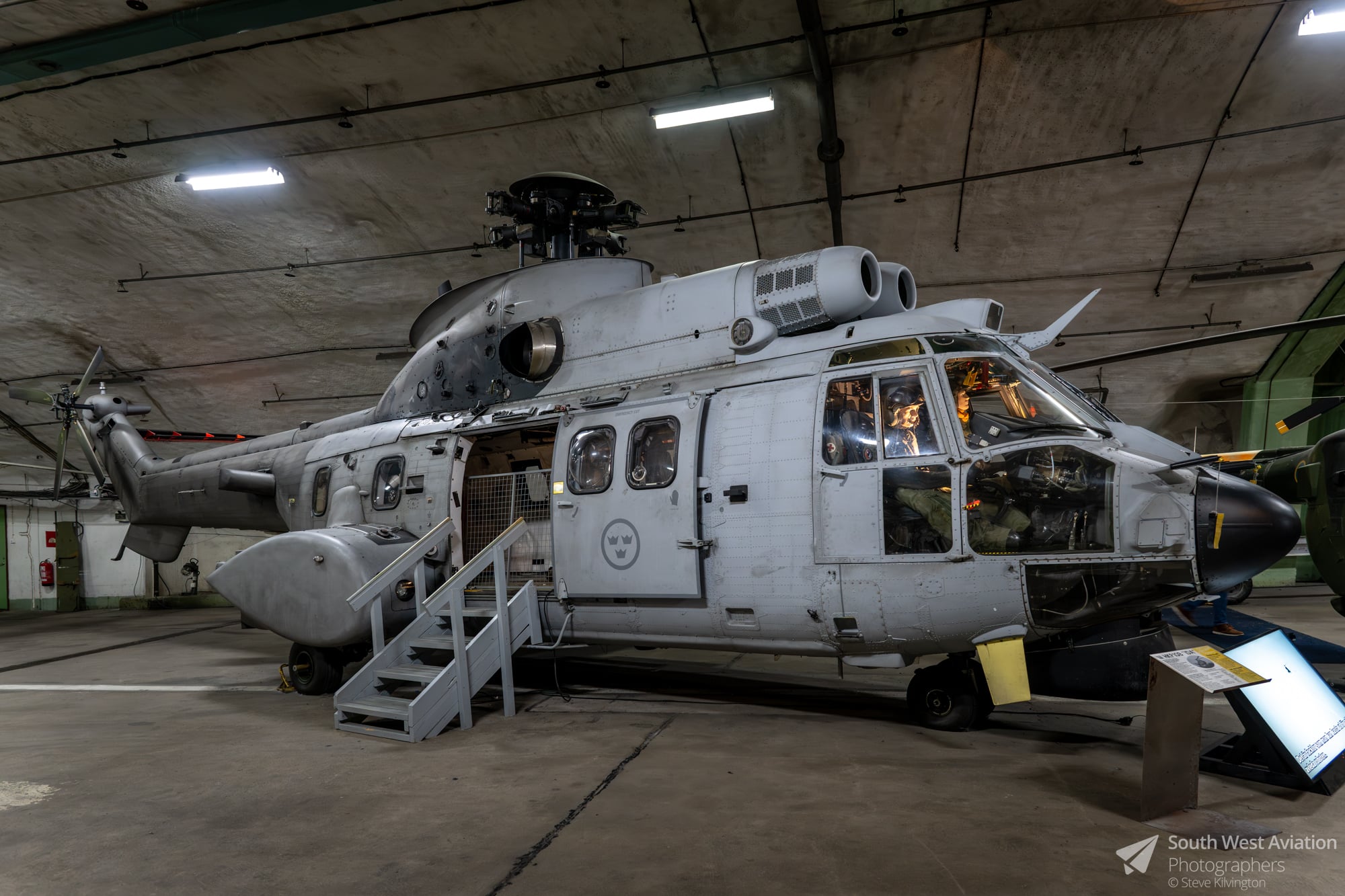
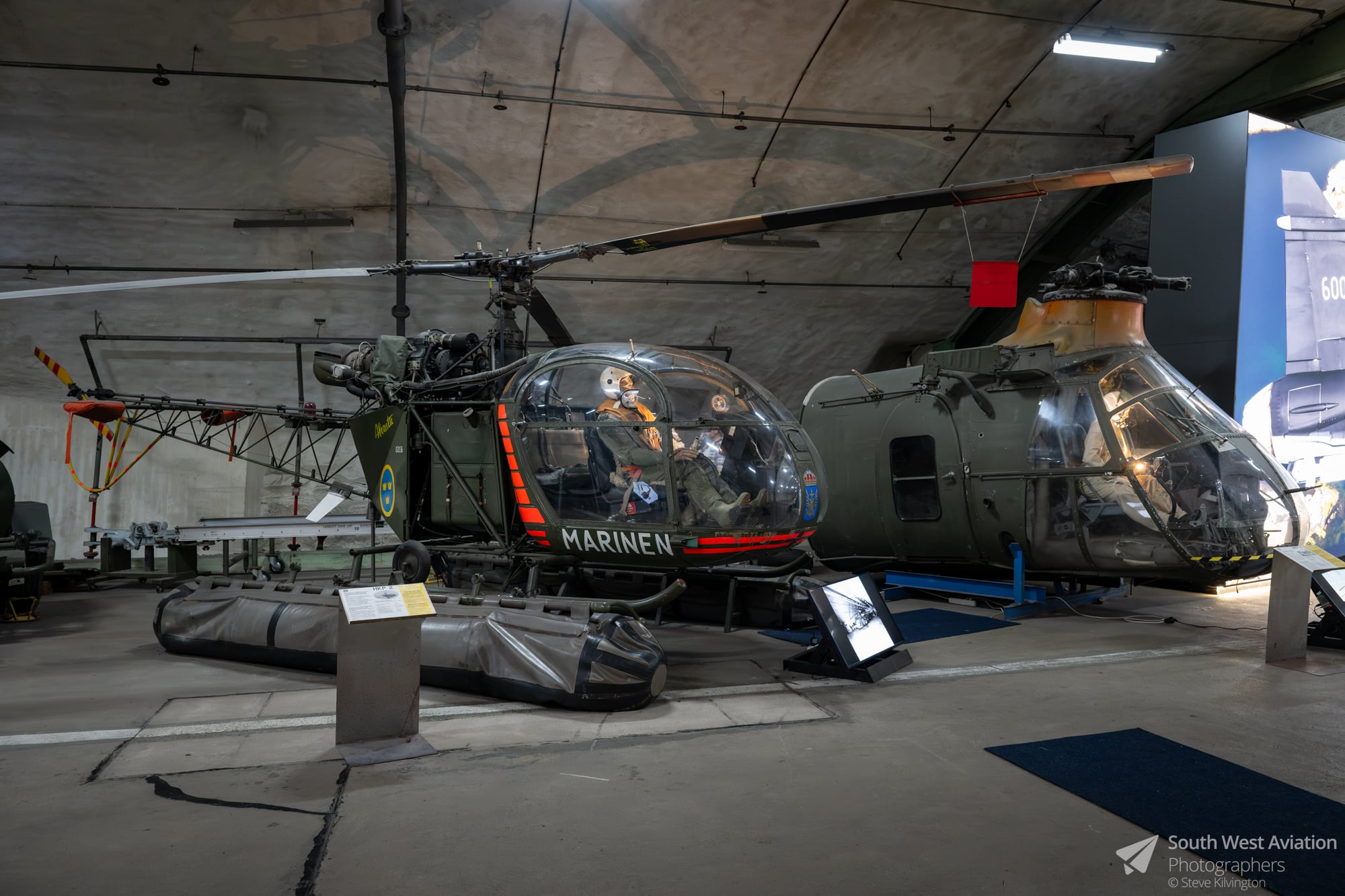
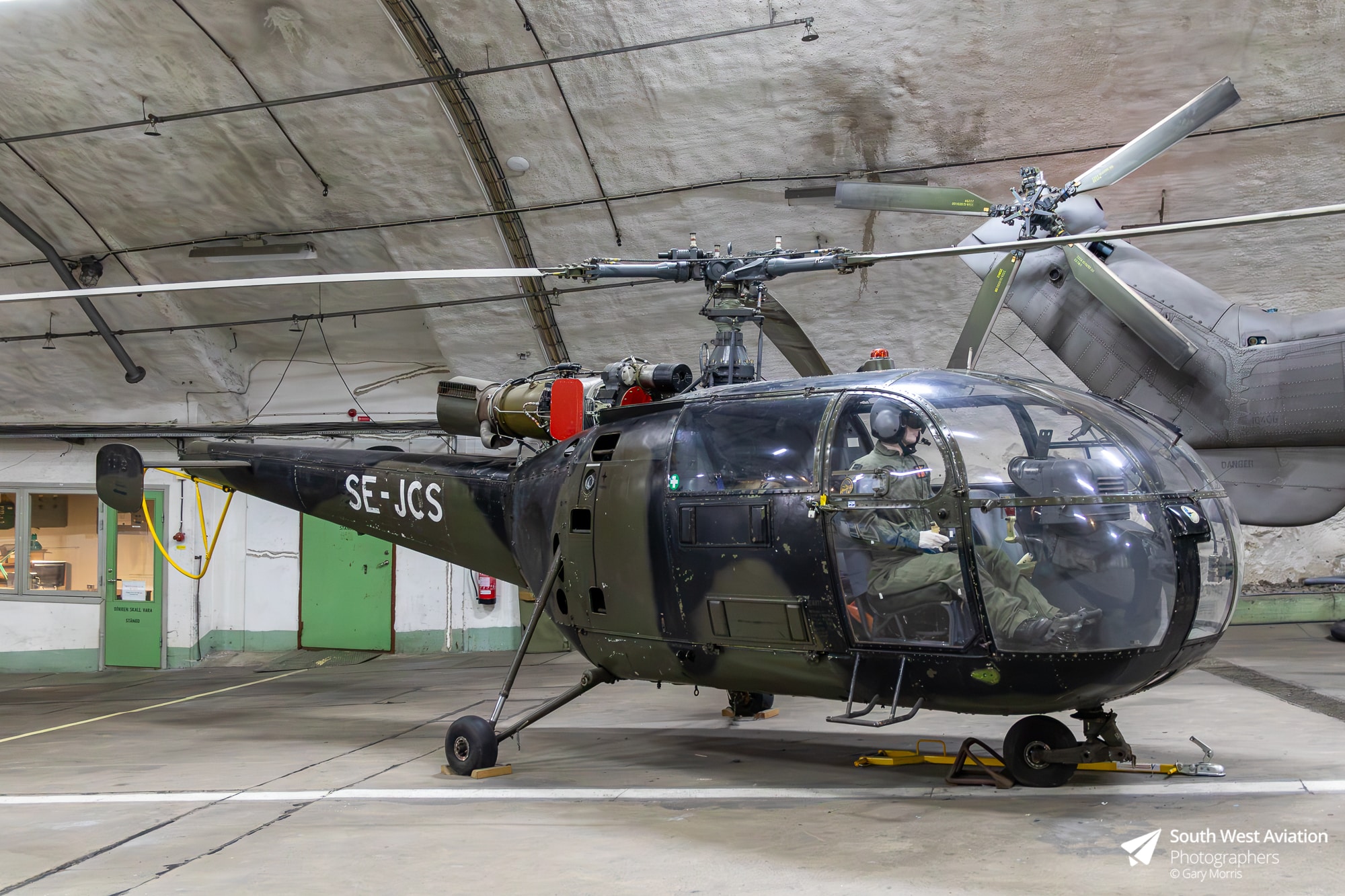
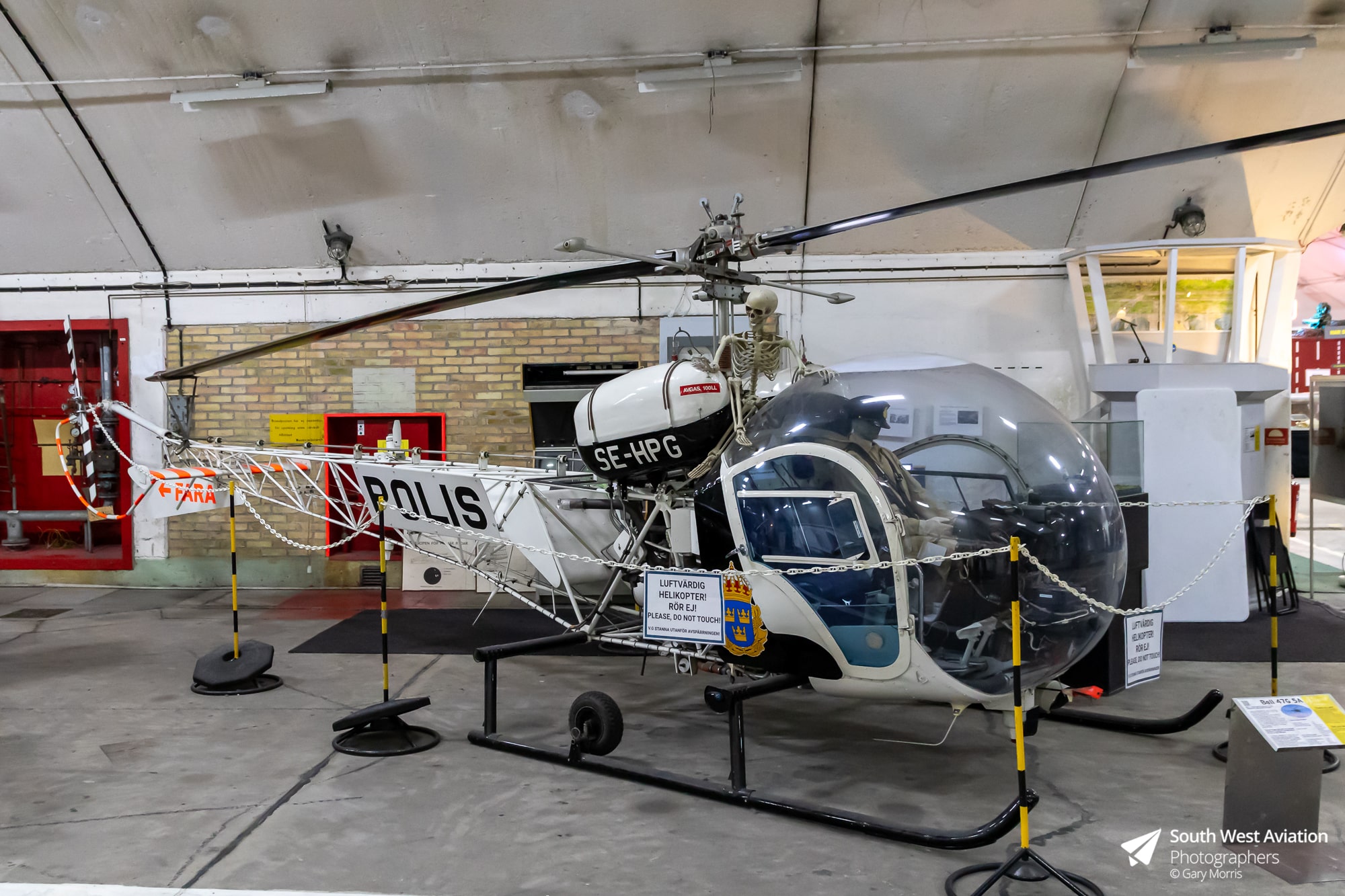
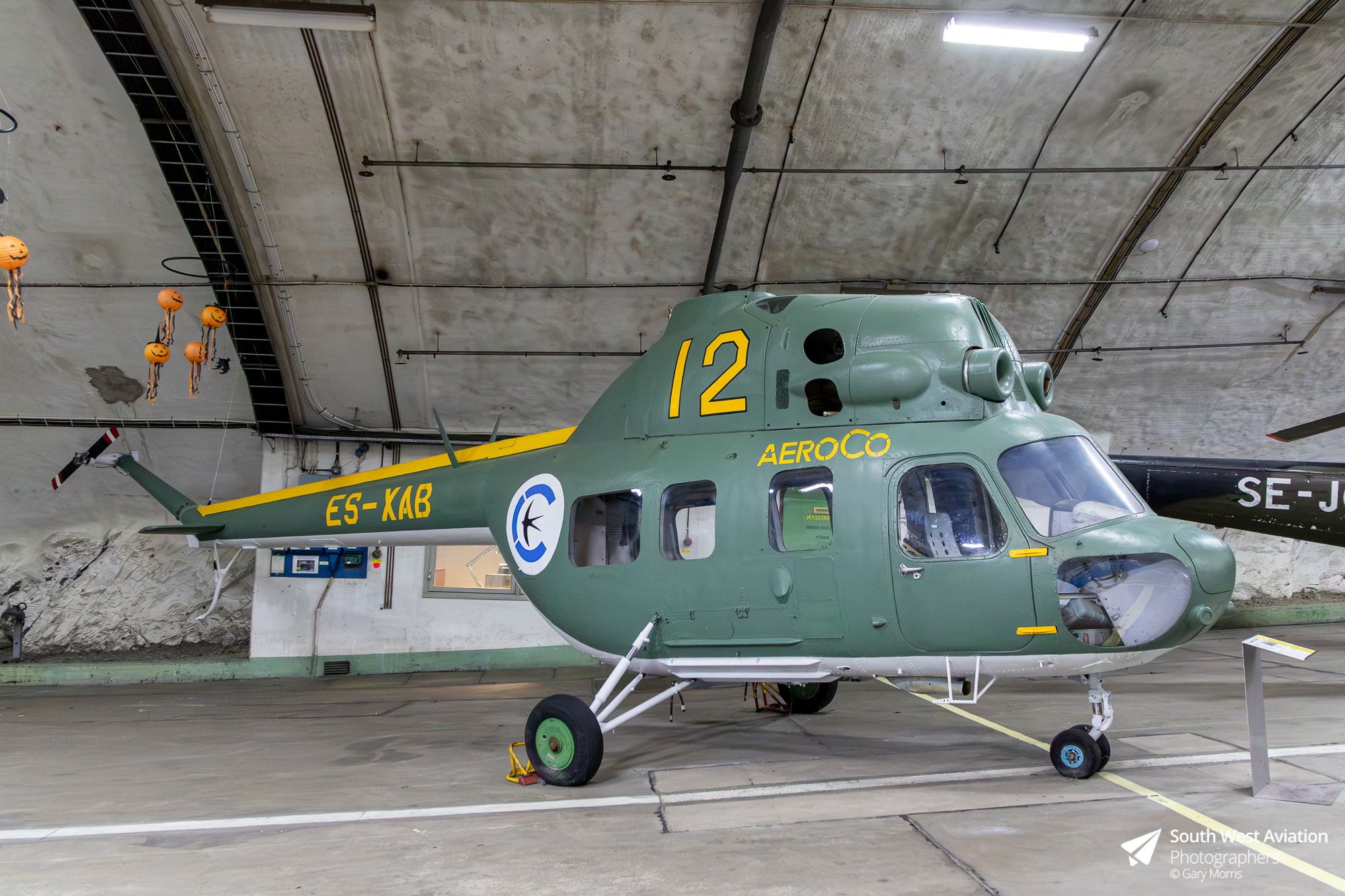
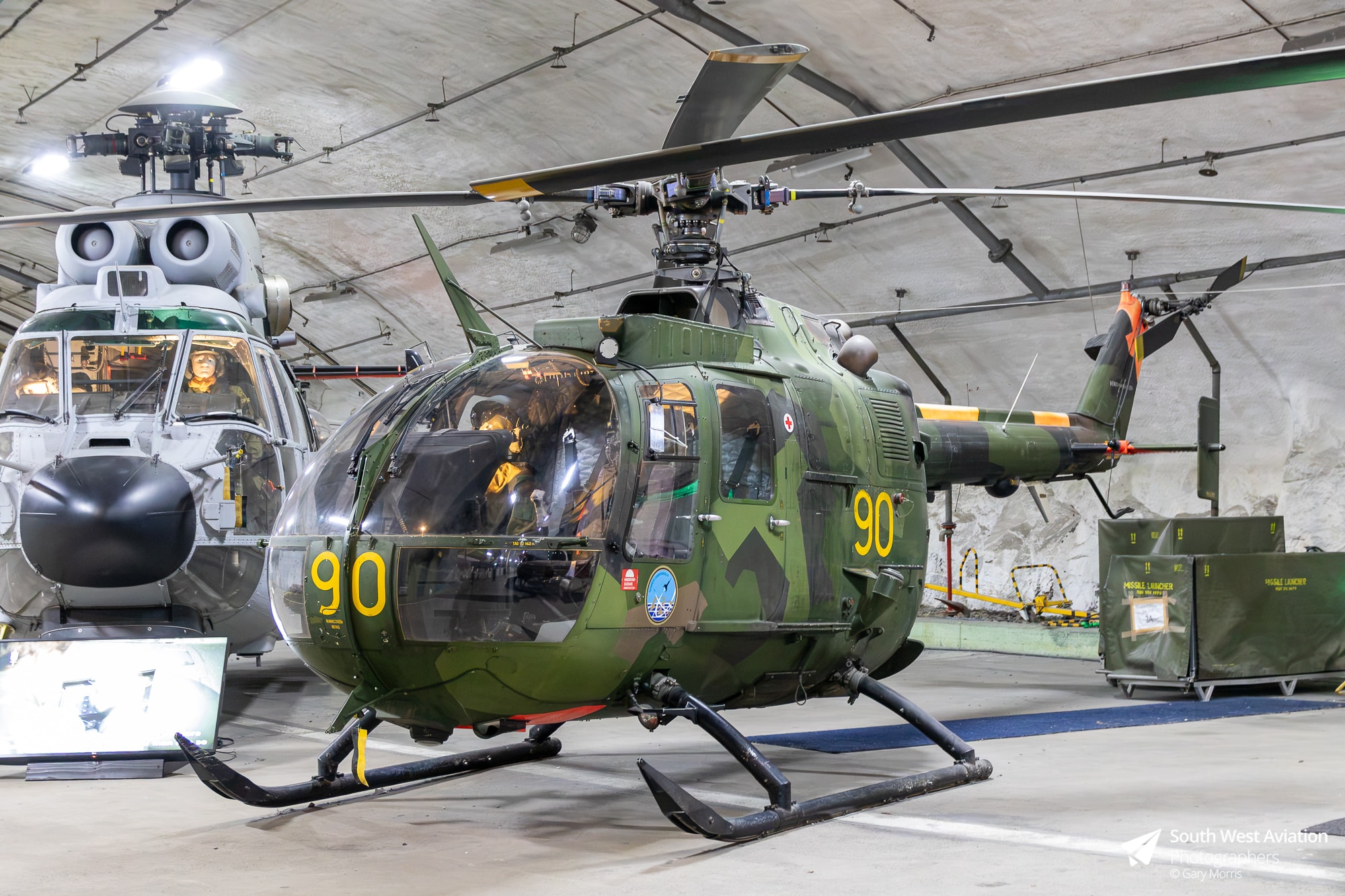
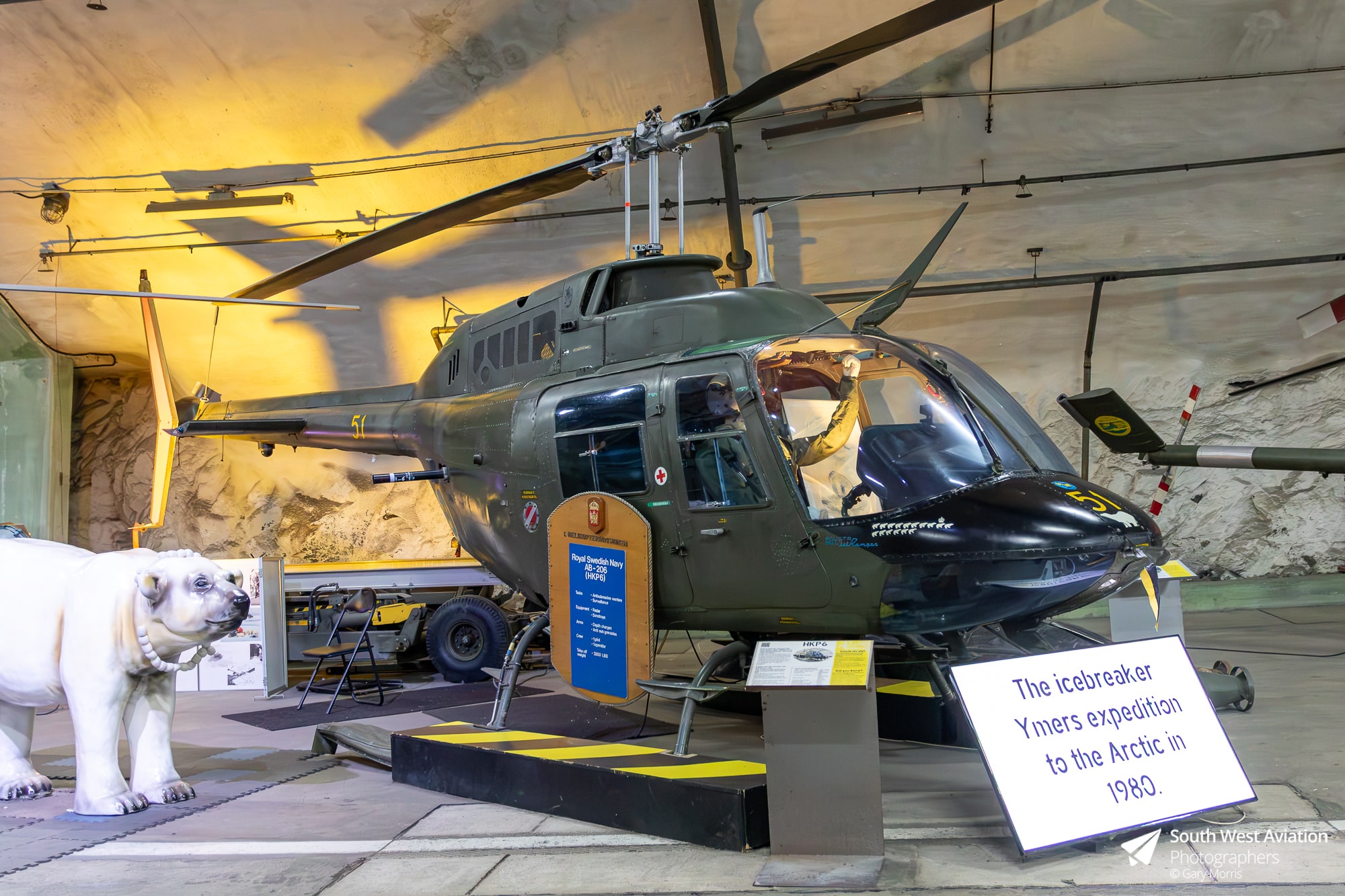
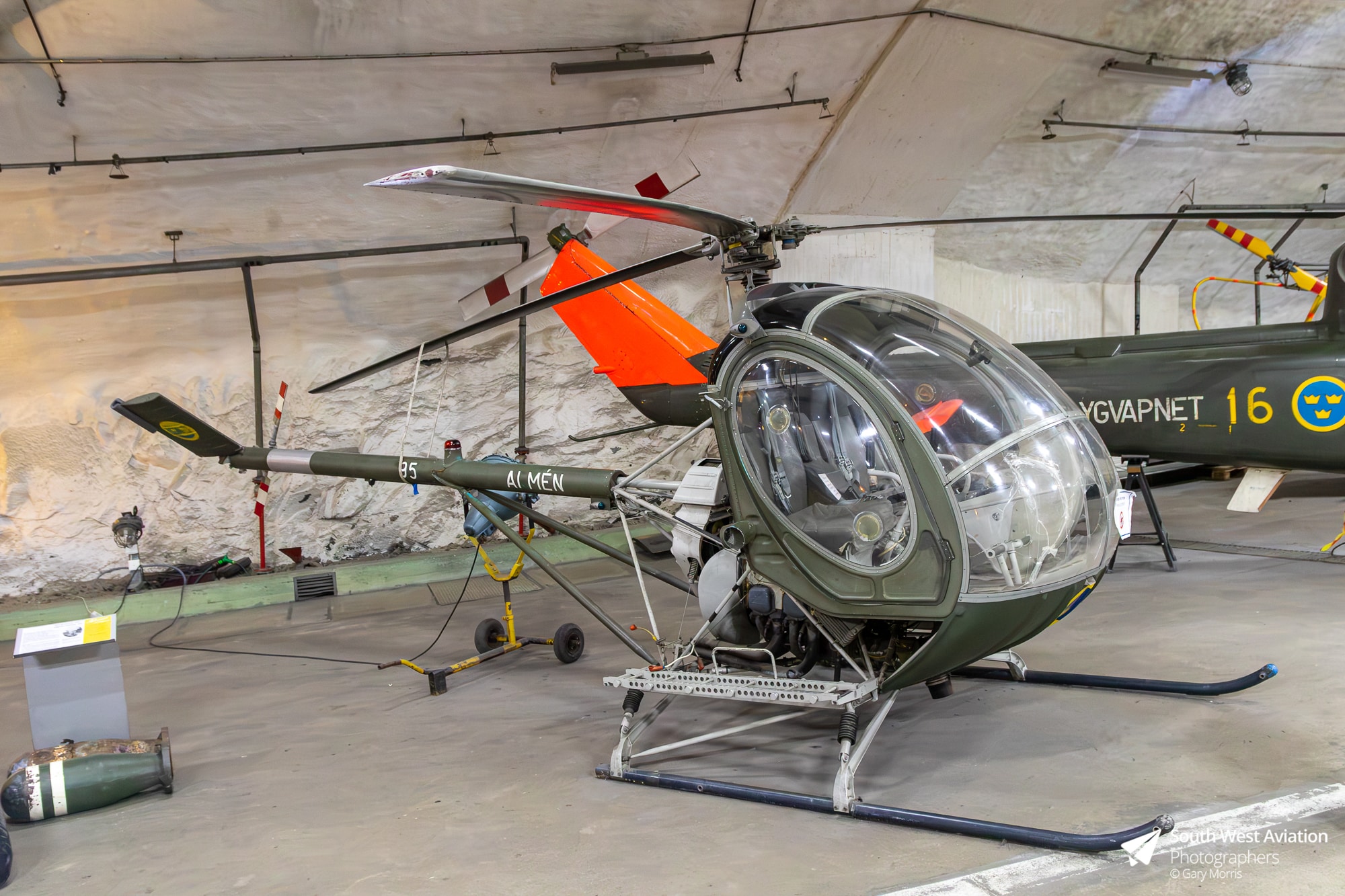
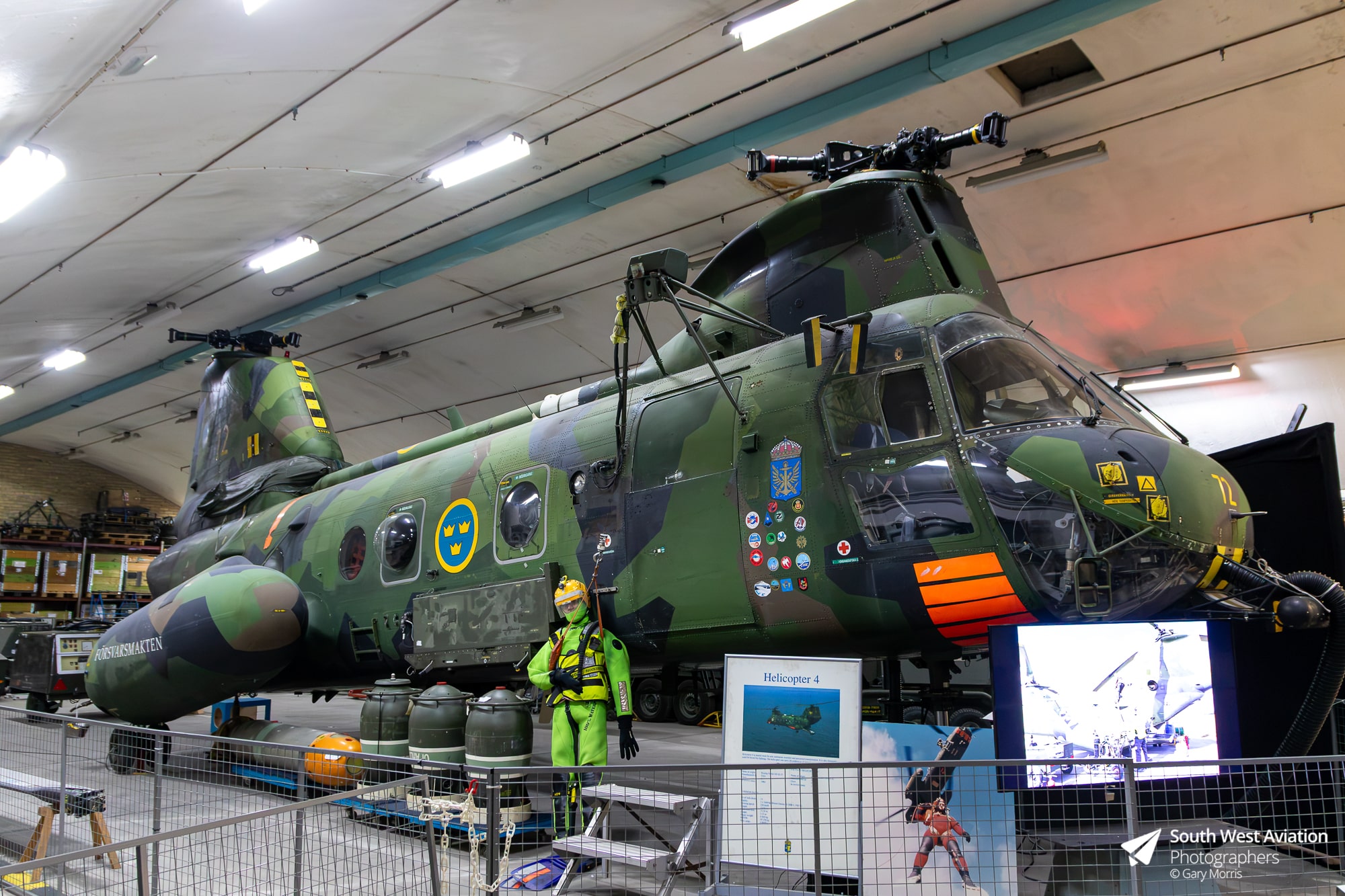
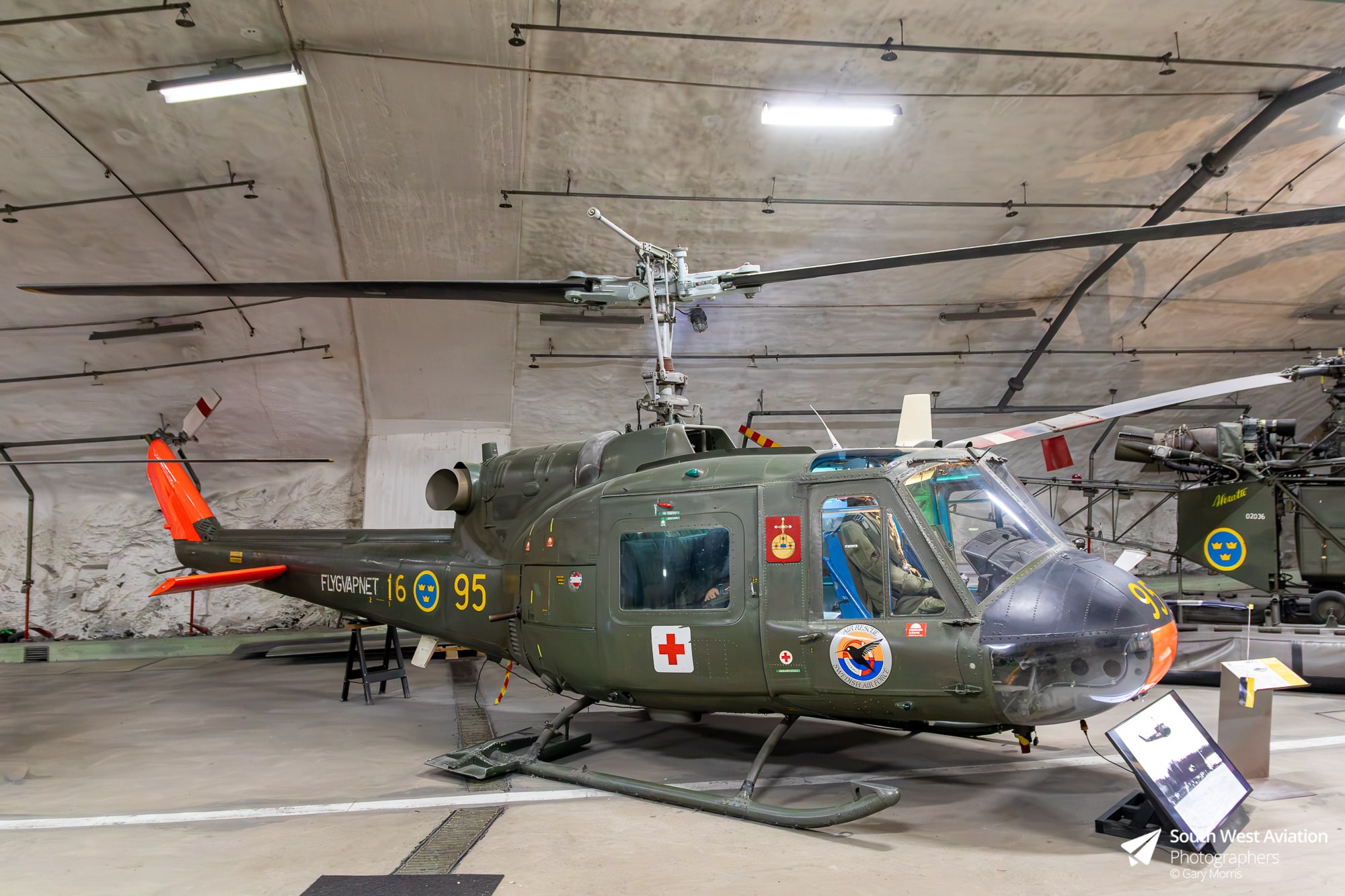
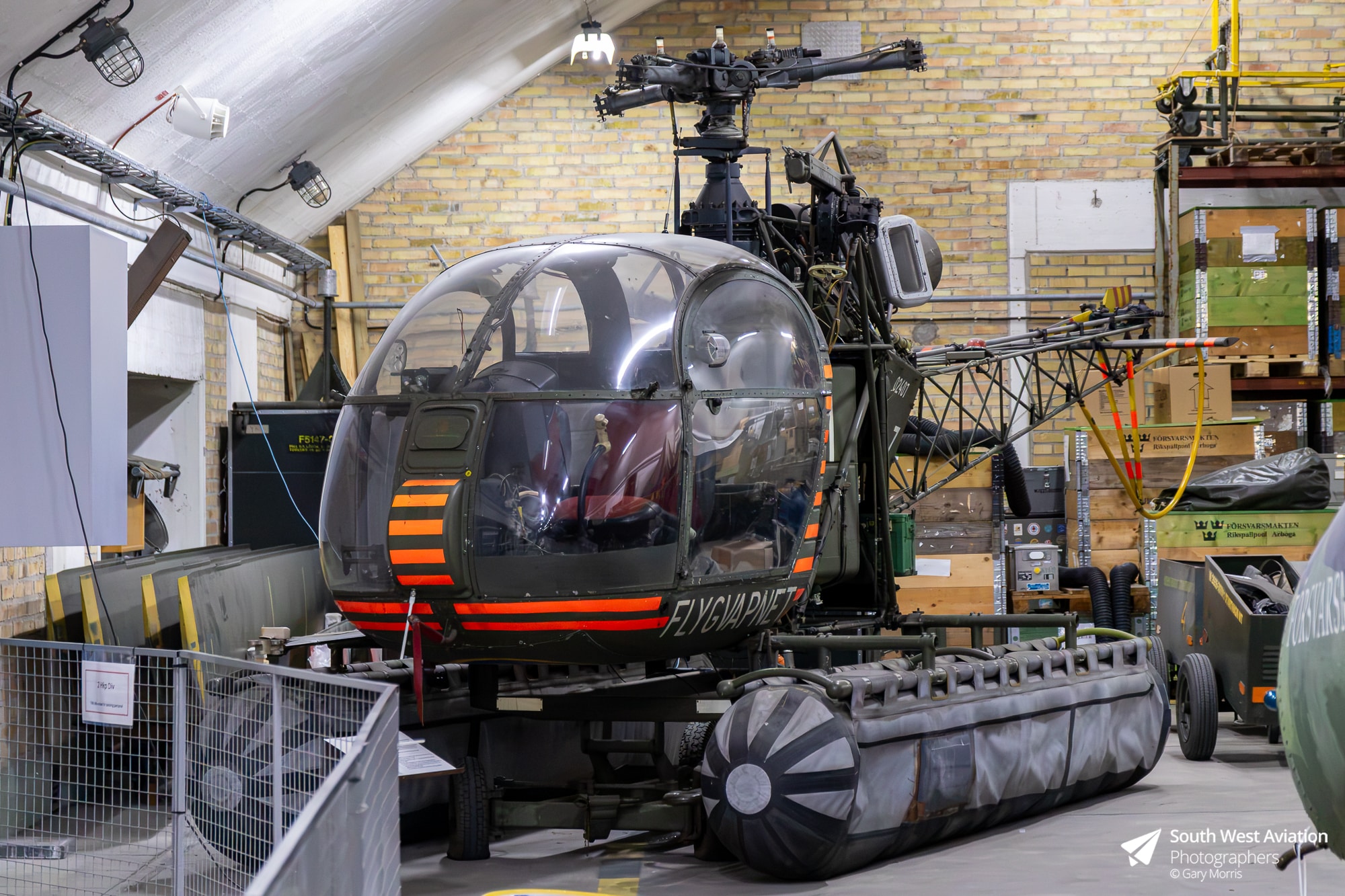
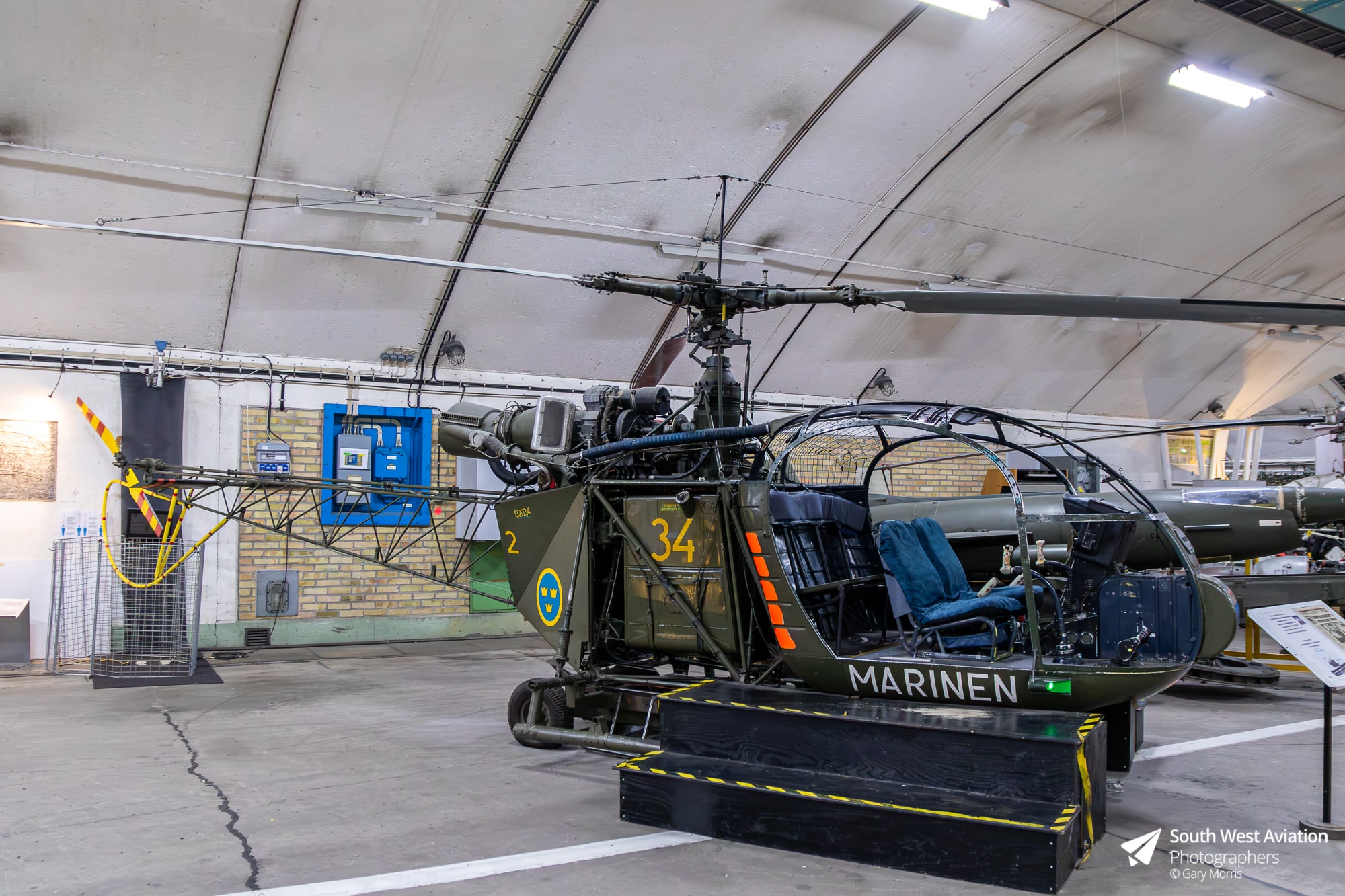
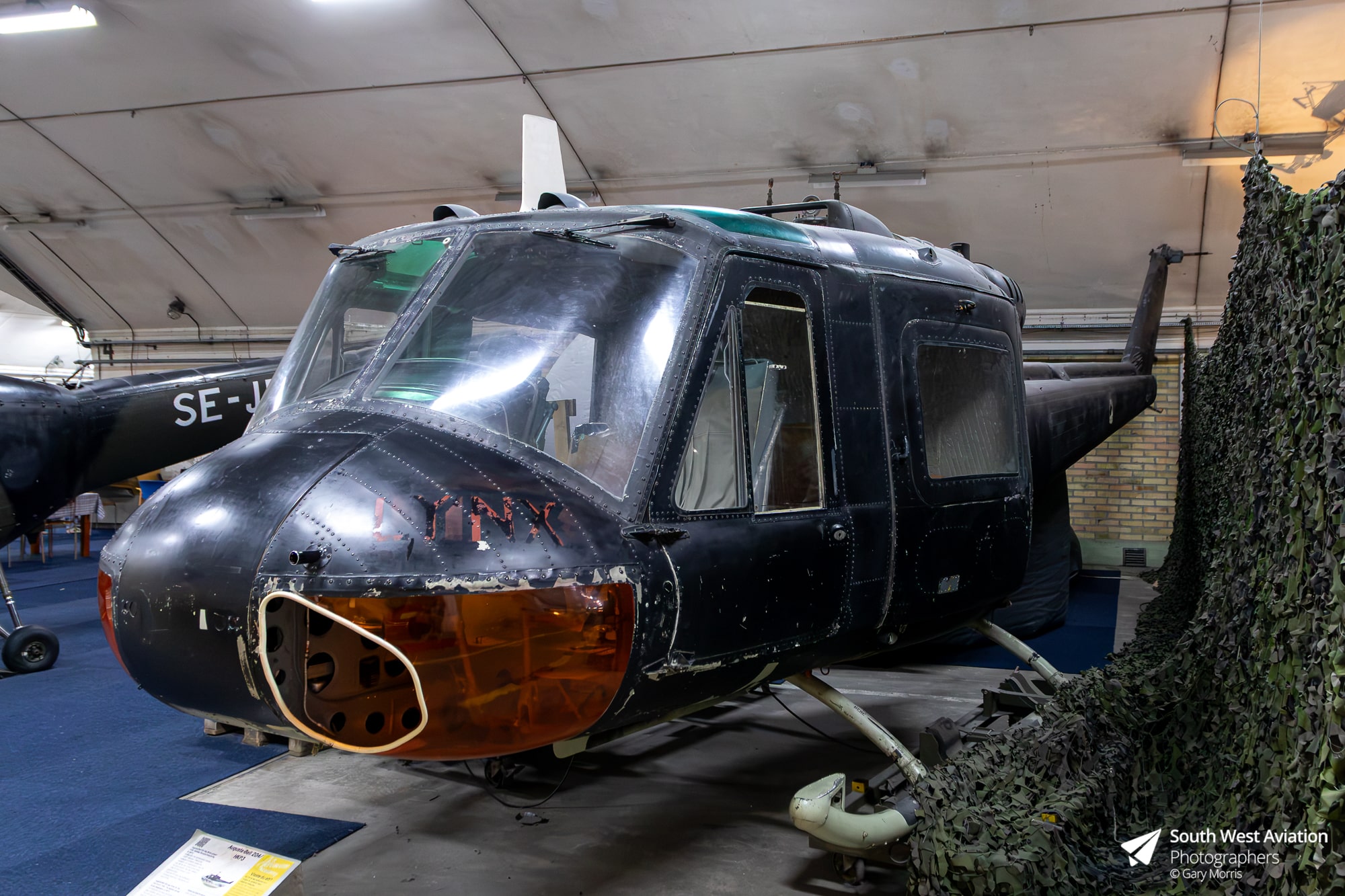
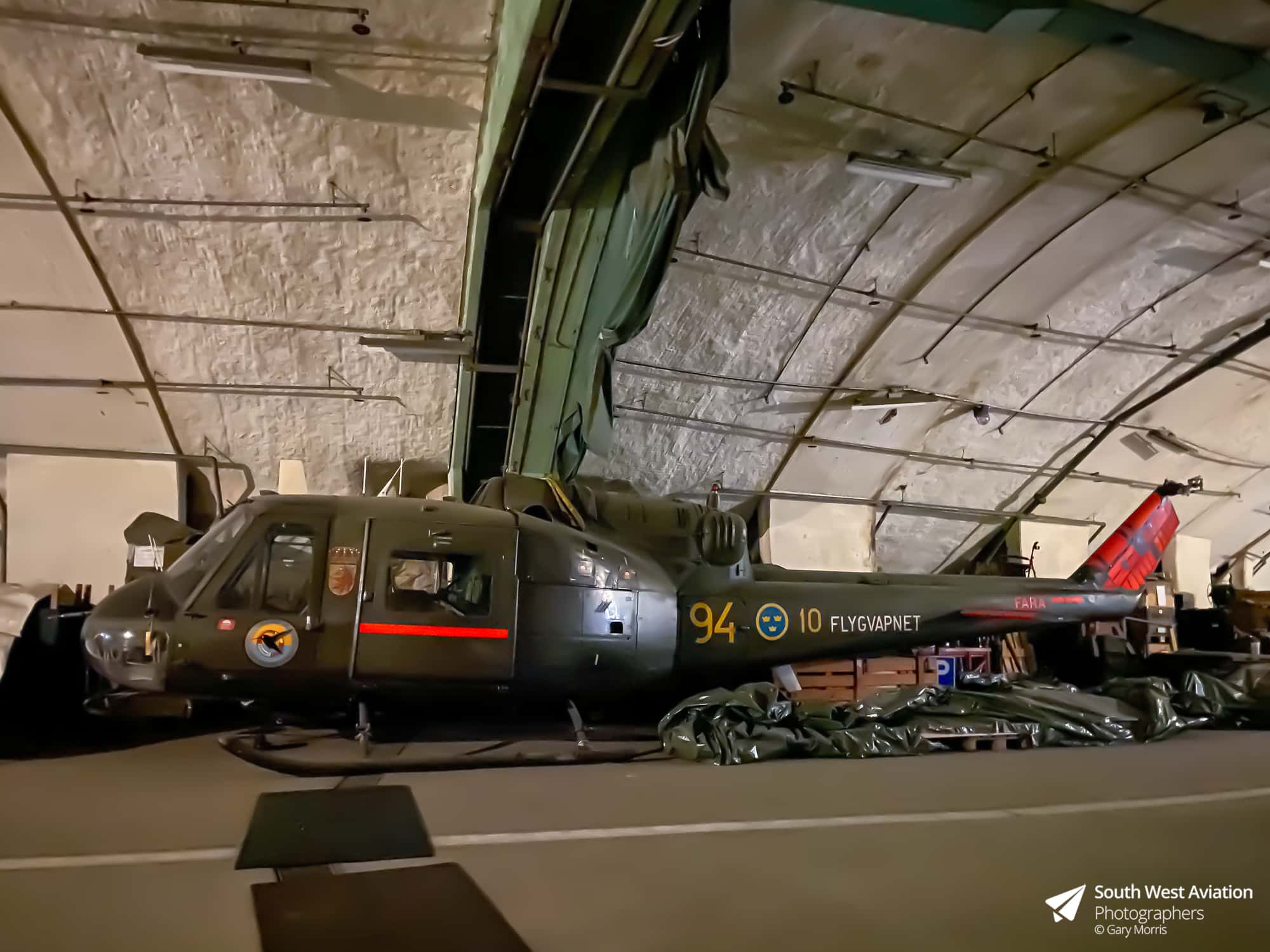
For aviation enthusiasts, photographers, families, and history lovers, Aeroseum offers an unforgettable experience of a journey through aviation history inside one of Sweden’s most remarkable military sites.
For South West Aviation Photographers, we thoroughly enjoyed making the trip to Sweden with the purpose of visiting this unique museum which we would recommend to any miliary or aviation enthusiast for its exhibits and fascinating history.
South West Aviation Photographers would like to thank Aeroseum for their assistance with this article.
Report by Gary Morris, with additional images from Steve Kilvington.
© South West Aviation Photographers 2026